
Ozempic, Wegovy & Food: How GLP‑1 Weight‑Loss Drugs Are Rewriting Diet Culture
Updated: December 20, 2025 • Evidence-informed • Accessible nutrition guide
Ozempic & GLP‑1 Diet Culture: How Semaglutide, Wegovy & Mounjaro Are Changing the Way We Eat
GLP‑1 medications like Ozempic, Wegovy, Mounjaro, and Zepbound are transforming modern diet culture. Instead of chasing the latest crash diet, more people are asking a new question: “How should I eat while I’m on these meds?” Appetite shifts, rapid weight changes, TikTok “what I eat in a day on Ozempic” videos, and intense ethical debates all collide in one very human, very emotional space: our relationship with food.
This guide is here to be a calm, compassionate voice in the noise—helping you understand what these drugs do to hunger and digestion, how to nourish your body (and protect your muscles), and how to think about long‑term health beyond the scale. We’ll keep things practical and judgment‑free, whether you’re on a GLP‑1, considering it, or just trying to make sense of the cultural whirlwind.
Why Ozempic & GLP‑1 Weight‑Loss Drugs Are Everywhere Right Now
Few health topics have exploded across Google, TikTok, and YouTube like GLP‑1 medications. Search terms like “Ozempic meal plan,” “Wegovy what I eat in a day,” “Mounjaro protein recipes” have surged, and for understandable reasons.
- High‑profile users: Celebrities and influencers—whether rumored or confirmed—fuel a constant guessing game about who is “on Ozempic,” turning private medical choices into public gossip.
- Visible results: Before‑and‑after photos and videos about “Ozempic face” or “Ozempic body” draw millions of views, often without sharing the full health story behind the images.
- Shift in diet norms: Instead of hopping from keto to juice cleanses, many now see medication as the primary weight‑loss tool—and then look for guidance on how to eat with GLP‑1s, not instead of them.
In a single generation, we’ve gone from “What diet are you on?” to “Are you on Ozempic?”—a profound shift in how we talk about bodies, food, and responsibility.
That shift can be both liberating and unsettling. On one hand, people with obesity or diabetes have a powerful new tool. On the other, diet culture is quick to turn any tool into yet another pressure to look a certain way.

How GLP‑1 Medications Change Appetite, Digestion & Cravings
GLP‑1 receptor agonists (like semaglutide in Ozempic/Wegovy, tirzepatide in Mounjaro/Zepbound) mimic a hormone your gut naturally makes. They’re prescribed for diabetes and, at certain doses, for obesity. Their effects on eating are powerful:
- Stronger fullness signals: You feel satisfied on much smaller portions.
- Slower stomach emptying: Food lingers in the stomach longer, leading to a lasting, heavy “I’m full” sensation.
- Less food noise: Many describe quieter cravings, fewer intrusive thoughts about snacking, and less emotional “urge” to eat.
From the outside, this can look like a dream solution: less hunger, less bingeing, more weight loss. But on the inside, it raises a crucial nutrition challenge: if your appetite is tiny, how do you still get everything your body needs?
Protein, Muscle & Micronutrients: Eating Enough When You’re Not Hungry
One of the biggest nutrition concerns with Ozempic, Wegovy, and Mounjaro is rapid weight loss with muscle loss. If calories and protein drop too low, the scale might go down—but so do strength, energy, and metabolic health.
How much protein do most adults on GLP‑1s need?
Many clinicians now encourage higher protein targets, especially during weight loss. Common guidance:
- About 1.6–2.2 g protein per kilogram of body weight per day (often 0.7–1.0 g per pound of body weight), or
- At least 25–35 g of protein at each meal, spread evenly across the day.
The goal isn’t perfection; it’s to protect your muscles, hair, and hormones while your appetite is dialed down.
High‑protein, easy‑to-eat foods for smaller appetites
- Greek or Icelandic yogurt (plain or lightly sweetened)
- Cottage cheese with fruit or tomatoes
- Eggs (boiled, scrambled, soft omelets)
- Fish (salmon, tuna packets, baked white fish)
- Tofu, tempeh, and edamame
- Lentils, chickpeas, and other legumes (soups, purees, spreads)
- Protein shakes, smoothies, or high‑protein milk alternatives
Using Food to Manage Common GLP‑1 Side Effects
Nausea, constipation, and reflux are among the most searched GLP‑1 side effects. The way you eat—how much, how fast, and what you choose—can make a big difference in how you feel day to day.
1. Nausea & early fullness
When your stomach empties more slowly, heavy or greasy meals can sit like a brick. Many people find relief by changing the rhythm and texture of their meals.
- Smaller, more frequent meals: Think 4–6 mini‑meals instead of 2–3 large plates.
- Softer textures: Soups, stews, yogurt, smoothies, mashed beans, and tender fish are often easier to tolerate.
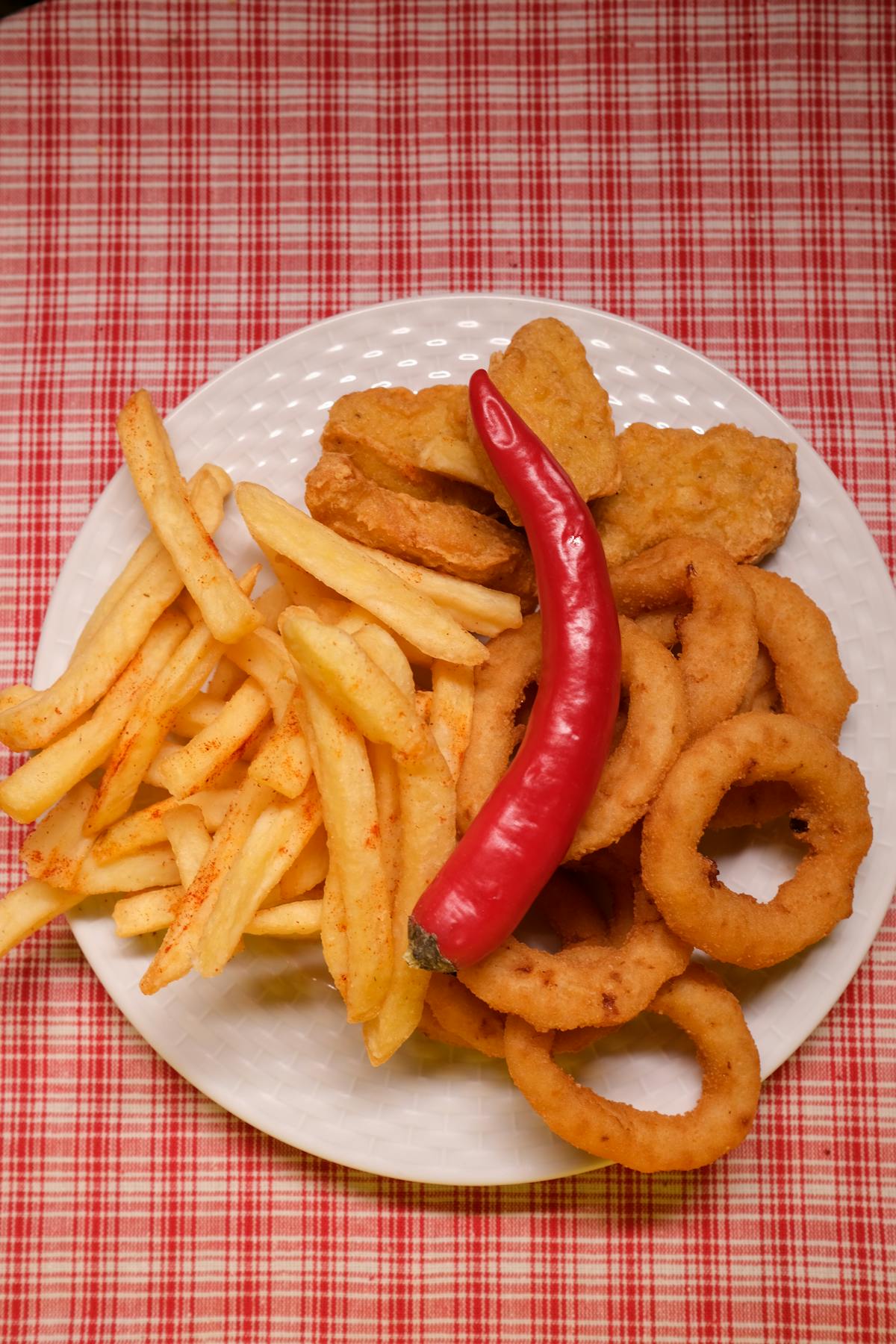
- Lower‑fat cooking styles: Bake, steam, poach, grill; go easy on deep‑fried and super oily foods, especially early in dose increases.
- Sip fluids between bites, not chugging with meals: Too much liquid at once can worsen the “stuffed” feeling.
2. Constipation & bloating
Slower digestion can also mean slower bowels. Gentle, consistent habits help more than drastic fiber overload.
- Hydration first: Aim for clear or pale yellow urine most of the day; small, frequent sips if large drinks cause discomfort.
- Gradual fiber: Oats, chia or flax seeds, berries, lentils, and veggies added slowly to avoid gas and cramping.
- Magnesium‑rich foods: Nuts, seeds, leafy greens, beans; some people discuss magnesium supplements with their clinicians.
- Movement: Even gentle walks can help your gut move more regularly.
3. Reflux & heartburn
- Avoid large late‑night meals: Keep dinner lighter and earlier when possible.
- Stay upright after eating: Give your food 2–3 hours before lying flat.
- Notice your personal triggers: For some this includes spicy foods, mint, chocolate, or acidic sauces.

What to Eat on Ozempic, Wegovy & Mounjaro: A Gentle Framework
Instead of rigid rules, think in terms of priorities: protein first, plants second, carbs and fats tailored to your comfort and goals. Here’s a simple, flexible way to build meals when your appetite is low.
A typical GLP‑1‑friendly plate
- ¼ plate protein: Fish, chicken, tofu, beans, eggs, or yogurt.
- ¼ plate whole‑grain or starchy veg: Quinoa, brown rice, potatoes, sweet potatoes, or lentils.
- ½ plate colorful vegetables or fruit: Cooked if raw is hard on your stomach.
- A thumb of healthy fat: Olive oil drizzle, avocado slices, nuts, or seeds for satiety and flavor.
The plate itself might be physically smaller than what you’re used to—and that’s okay. The quality of each bite matters more than quantity here.
Life After GLP‑1s: Maintenance, Metabolism & Muscle Protection
A growing concern online is, “What happens when I stop Ozempic or Mounjaro?” Studies and real‑world experience suggest that many people regain some or most of the lost weight if medication is stopped without a long‑term plan.
This is not a moral failure—it’s biology. Your body may:
- Increase hunger hormones to restore lost weight.
- Burn fewer calories at rest (a process called metabolic adaptation).
- Crave old comfort foods again as food noise returns.
Building a sustainable foundation while on GLP‑1s
To support long‑term health—whether you stay on medication or eventually reduce/stop—it helps to:
- Lift something regularly: Resistance training (weights, bands, bodyweight) 2–3 times per week preserves lean mass and strength.
- Practice a Mediterranean‑style pattern: Lots of plants, olive oil, nuts, seeds, fish, beans, and moderate dairy and poultry.
- Build eating skills, not just rules: Noticing hunger/satiety signals, planning balanced meals, and coping with emotions without only using food.

Beyond the Plate: Ethics, Access & Diet Culture Pressures
GLP‑1 medications aren’t just a nutrition story; they’re a mirror reflecting how our culture thinks about weight, health, and worth. The online conversation often centers on three big themes.
1. Access, cost & fairness
Many people with diabetes or obesity struggle to access these drugs due to price or supply issues, while wealthier individuals sometimes use them for relatively minor weight loss. This raises questions about:
- Who “deserves” access to powerful medications?
- How healthcare systems prioritize treatment vs. cosmetic use.
- Insurance coverage and long‑term affordability.
2. Stigma, shame & shifting narratives
For some, GLP‑1s reduce the shame of feeling like weight is purely a matter of willpower. Recognizing obesity as a chronic, biologically influenced condition can be deeply validating.
Others worry that a new “medicated thinness” ideal will emerge—where the expectation isn’t just to be slim, but to use the latest drug to stay that way. It’s a fragile balance between relief and new pressure.
3. Teen use & long‑term unknowns
As pediatric guidelines evolve, some adolescents are now prescribed GLP‑1s for severe obesity. Parents, clinicians, and ethicists are wrestling with:
- What does it mean to start a teen on a potentially long‑term medication?
- How do we protect mental health and body image in the process?
- What support systems—nutrition, movement, counseling—must accompany medication?
You are not a moral success or failure based on your decision to use—or not use—a GLP‑1 medication. You still deserve respectful care, nourishing food, and a peaceful relationship with your body.
Practical Daily Checklist: Eating Well on a GLP‑1 Medication
To make all of this easier, here’s a simple, non‑perfectionist daily checklist you can adapt with your care team:
- Protein at each meal: Ask, “Where’s my protein?” Aim for 25–35 g most times you eat.
- Color on your plate: Add at least one fruit or vegetable to most meals or snacks.
- Gentle hydration: Sip fluids through the day; adjust if you feel too full or nauseated.
- Movement you enjoy: A walk, light stretching, or resistance training, as your body allows.
- Check in with your body: Notice energy, mood, digestion, and hair/skin changes; bring concerns to your clinician early.
- Kind self‑talk: Remind yourself: your worth is not your weight or your medication list.

Quick FAQ: GLP‑1 Diet Questions People Are Asking
- Is there a specific “Ozempic diet” I have to follow?
- No official Ozempic or Wegovy diet exists. Most experts encourage a balanced, protein‑forward, Mediterranean‑style eating pattern adjusted for your appetite and tolerances.
- Can I drink alcohol on GLP‑1s?
- Alcohol tolerance can change, and it may worsen nausea or reflux. Discuss limits with your clinician; many people choose to reduce or avoid alcohol, especially during dose changes.
- Will I regain weight if I stop my GLP‑1?
- Many people regain some weight after stopping, because hunger and metabolic rate change. A focus on resistance training, protein intake, and sustainable eating habits can help, but biology still plays a big role.
- Do I have to avoid sugar completely?
- Not usually. Extremely sugary or heavy desserts can increase nausea for some people, but small, mindful portions of sweets can often fit into a balanced plan. Prioritize protein and fiber first to steady blood sugar.
Bringing It All Together: Food, Medications & Self‑Compassion
GLP‑1 medications have changed the way we talk about weight loss, but they haven’t changed what your body needs at its core: enough protein, nourishing plants, joyful movement, steady support, and kindness.
Whether you’re cooking tiny portions of protein‑rich soup, sipping a smoothie because that’s all you can tolerate today, or slowly learning resistance training to protect your muscles, every small step counts. You deserve care that looks beyond the scale and honors you as a whole person.
If you’re able, consider working with a registered dietitian or qualified nutrition professional familiar with GLP‑1s. Together, you can turn this powerful medical tool into a broader journey toward sustainable, satisfying, and compassionate eating.
