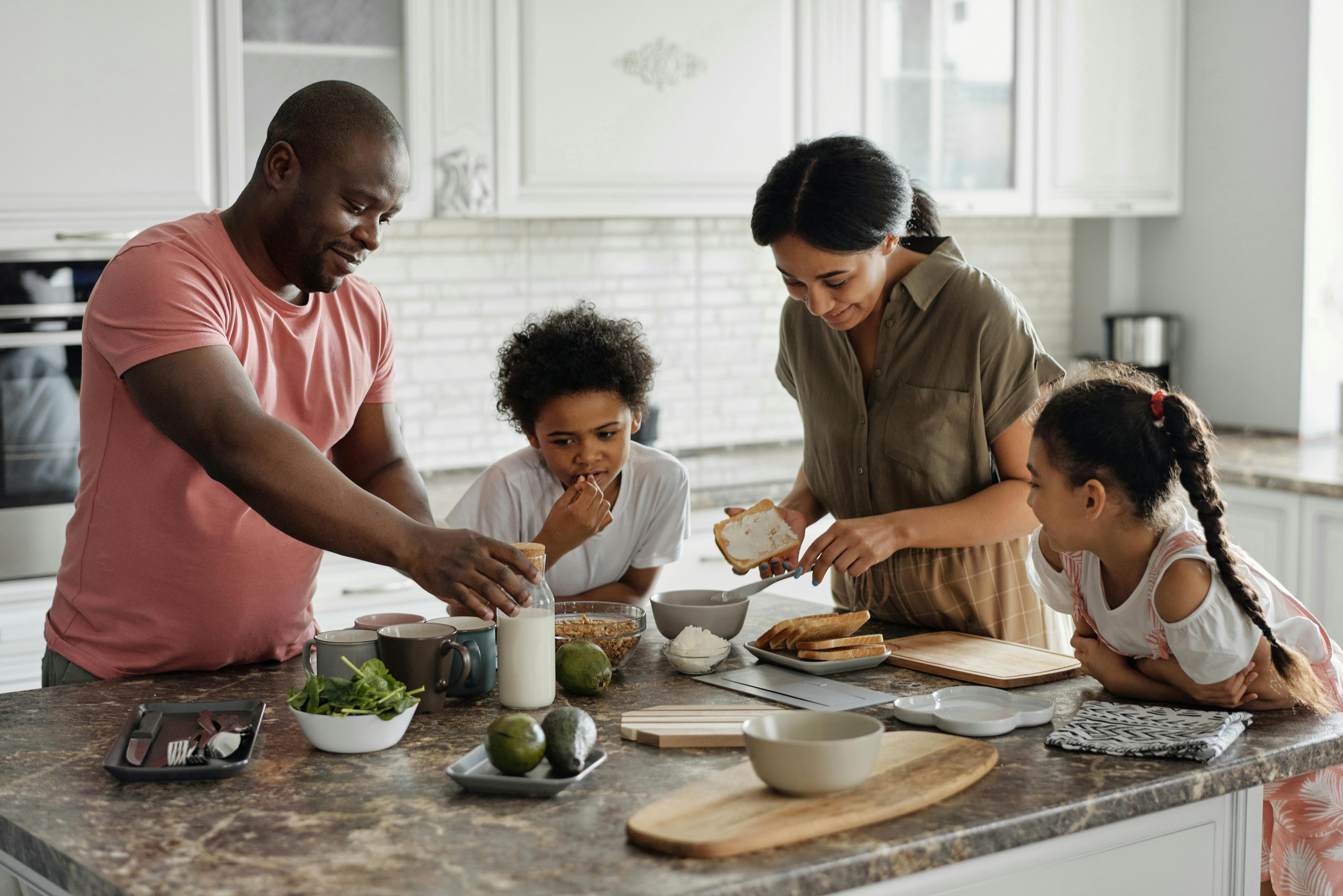
Ozempic, GLP‑1s, and the New ‘Ozempic Diet’: What to Eat Without Losing the Joy of Food
Ozempic, GLP‑1 Drugs, and the New Way We Talk About Food
In kitchens, clinics, and comment sections everywhere, people on GLP‑1 medications like Ozempic, Wegovy, Mounjaro, and Zepbound are asking the same question: What should I actually eat now?
These powerful drugs change hunger, fullness, and how quickly your stomach empties. That means your usual relationship with food—favorite meals, portions, even cravings—can feel completely different.
Out of this has grown a tidal wave of “Ozempic diet” content: social media routines, grocery hauls, and nutrition tips that promise to tame nausea, protect muscle, and keep weight off for good. Some of it is wonderfully helpful. Some is…not. This guide pulls from current nutrition guidance around GLP‑1 drugs and translates it into practical, delicious, home‑cook–friendly ideas that keep food joyful, not fearful.
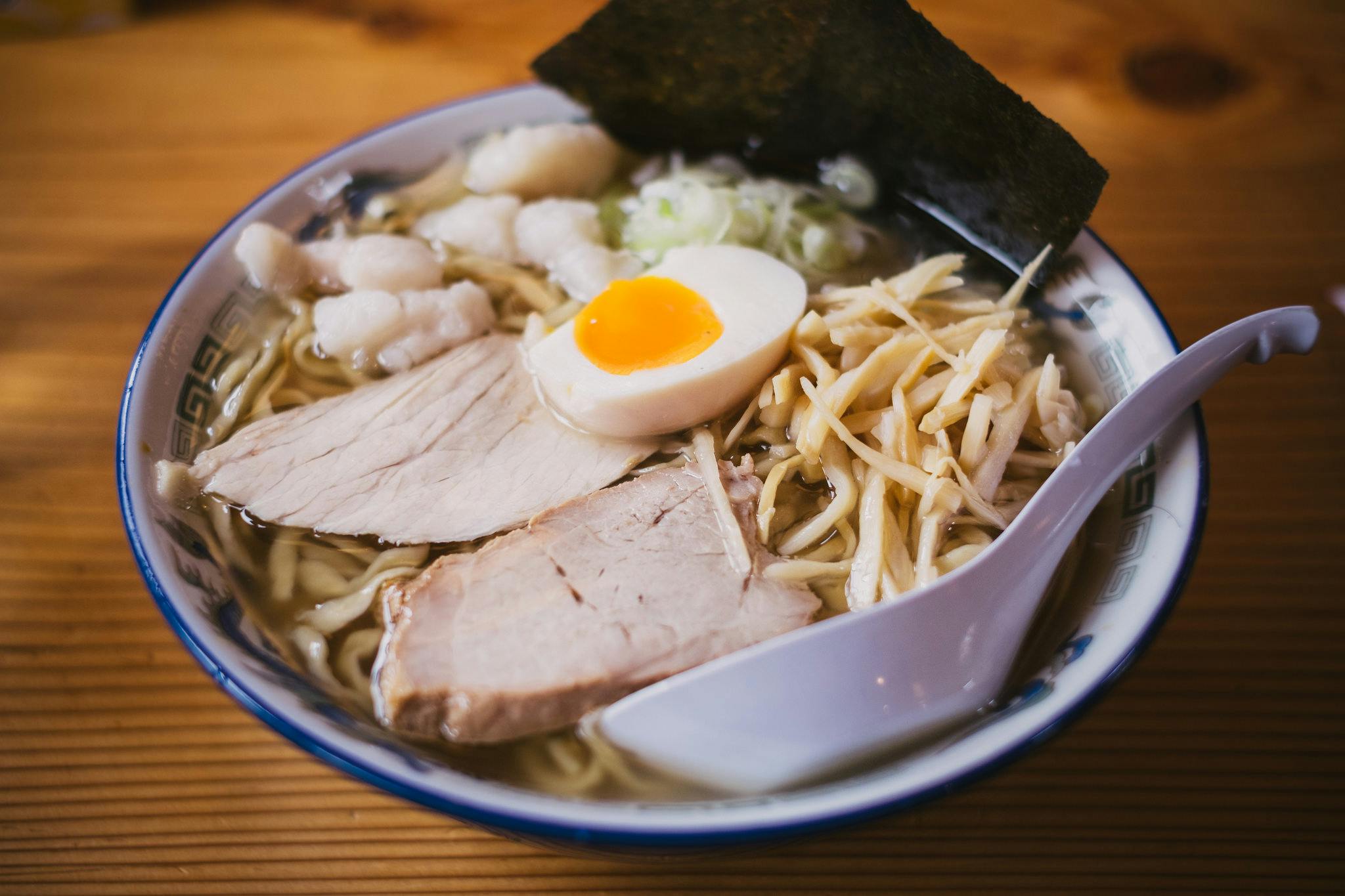
Why the ‘Ozempic Diet’ Trend Exploded
GLP‑1 receptor agonists like semaglutide (Ozempic, Wegovy) and dual‑agonists like tirzepatide (Mounjaro, Zepbound) have reshaped the weight‑loss and diabetes landscape. By mimicking or enhancing gut hormones, they:
- Slow gastric emptying (food leaves your stomach more slowly).
- Decrease appetite and cravings.
- Improve blood sugar control.
The lived experience? Many people feel full quickly, forget to eat, or find that rich, greasy meals suddenly feel overwhelming. Naturally, people start eating less—but that doesn’t automatically mean they’re eating better. Enter dietitians, doctors, and creators trying to fill the gaps with guidance.
Meanwhile, celebrity speculation and dramatic “before‑after” photos have pushed curiosity into overdrive. Is it the drug? Is it the diet? Is it both? Amid the noise, health professionals are stressing a simple but crucial point: GLP‑1s are a tool, not a magic wand—and what you eat still matters deeply for health, energy, and long‑term results.
How GLP‑1 Drugs Change Hunger, Fullness, and Eating Patterns
To cook and eat well on Ozempic and similar medications, it helps to understand what’s happening inside your body. GLP‑1s:
- Slow stomach emptying.
Food lingers longer in your stomach, which can help you feel full on smaller amounts. But it can also lead to nausea, early fullness, reflux, or a heavy, “brick in the stomach” sensation if meals are too large or too greasy. - Suppress appetite.
Many people feel “food neutral” for the first time, noticing fewer intrusive cravings and less urgent hunger. The downside: it’s easy to under‑eat protein and key nutrients if you “forget” meals. - Influence blood sugar.
They support steadier glucose levels, which can smooth out energy swings and “hangry” episodes—especially when paired with balanced meals.
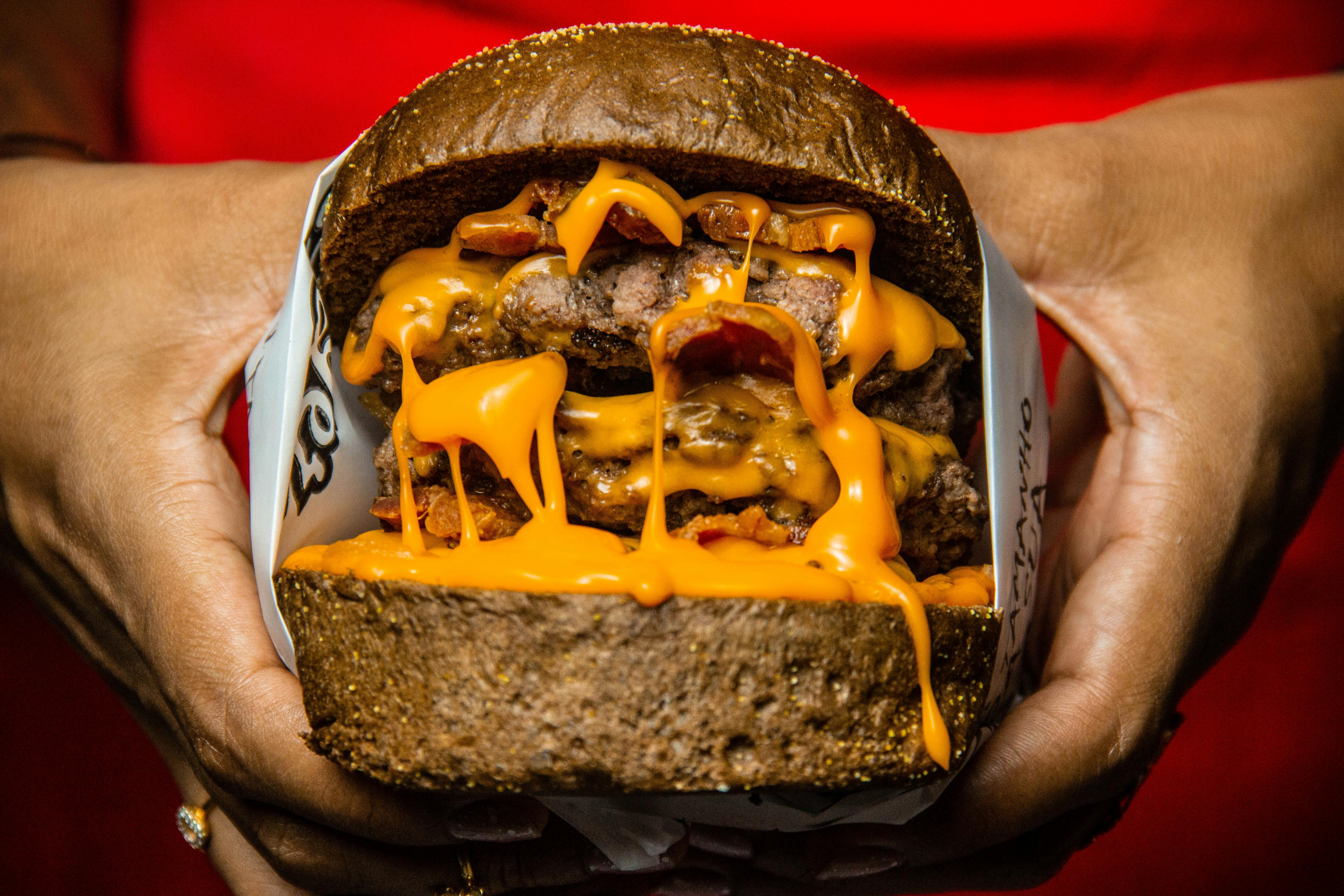
All of this means your portions might become child‑sized, and your old favorite double‑cheese burger may suddenly feel like too much. The goal isn’t to force yourself back into past eating patterns, but to build new ones that are gentle on your stomach and rich in nutrition.

Core Themes in ‘Ozempic Diet’ Advice
Among dietitians and evidence‑minded creators, a loose consensus is forming around a few key pillars. These aren’t rigid rules, but patterns that tend to help people feel better, preserve muscle, and maintain progress.
1. Protein Prioritization
With a smaller appetite, every bite counts. To protect muscle and support metabolism, many professionals now suggest roughly 1.2–1.6 g of protein per kilogram of body weight per day, tailored to your health status and doctor’s guidance.
Common GLP‑1‑friendly protein choices:
- Poached or baked chicken and turkey (tender, not dry).
- Fish like salmon, cod, or tilapia, baked or gently pan‑seared.
- Eggs and egg whites, soft‑scrambled or boiled.
- Greek yogurt or skyr, often easier to tolerate than solid meats.
- Tofu, tempeh, and edamame for plant‑based eaters.
- Soft beans and lentils, especially in soups and stews.
2. Gentle Fiber and Low‑Grease Meals
Because the stomach empties more slowly, huge salads, ultra‑greasy takeout, or heavily fried foods can trigger nausea, reflux, or cramping. Many people feel better with:
- Cooked vegetables instead of massive raw salads.
- Moderate—not extreme—fiber from oats, fruits, beans, and veggies.
- Baked, grilled, or air‑fried foods instead of deep‑fried options.
- Smaller, more frequent meals or snacks instead of two giant plates a day.
3. Hydration and Electrolytes
Constipation and dehydration are two of the most common complaints. That’s why many GLP‑1 routines now include:
- Steady water intake across the day, in small sips if nausea is present.
- Unsweetened herbal teas or broths for variety and warmth.
- Electrolyte drinks or tablets when needed, ideally lower‑sugar options if blood sugar is a concern.
4. Long‑Term Maintenance Habits
A major debate centers on what happens after stopping GLP‑1s. The most grounded guidance emphasizes:
- Building consistent meal patterns, not extreme crash diets.
- Including resistance training to maintain or build muscle.
- Practicing mindful eating and body awareness, not just scale‑watching.
The Ethics and Emotions Behind the Ozempic Conversation
It’s impossible to talk about Ozempic and food without acknowledging the emotional and cultural layers. For some, GLP‑1 medications feel like a long‑awaited relief after years of struggle. For others, the trend looks like another wave of diet culture dressed in medical clothing.
Key concerns people raise include:
- Over‑medicalizing weight loss and sidelining lifestyle change.
- Access and affordability, especially when drugs are in short supply.
- Body‑image pressure amplified by celebrity “transformations.”
Amid these tensions, one grounded message emerges from many clinicians: GLP‑1s are neither a moral shortcut nor a character flaw. They’re a medical tool. Eating well on them isn’t about becoming the “perfect patient” or influencer; it’s about supporting your health, digestion, and quality of life.
The Healthy Emerging Consensus: Food as a Partner, Not an Enemy
Across reputable dietitians, obesity specialists, and many thoughtful creators, the most balanced “Ozempic diet” message looks like this:
- Treat GLP‑1s as a tool. They can lower biological barriers to weight loss, but they don’t replace nutrition, movement, sleep, or mental health support.
- Prioritize nutrient density. Fill your smaller appetite with foods rich in vitamins, minerals, and protein—colorful vegetables, fruits, lean proteins, legumes, nuts, seeds, whole grains, and healthy fats.
- Avoid crash‑style under‑eating. Extremely low‑calorie intakes can worsen fatigue, hair thinning, muscle loss, and hormonal disruptions—especially when combined with appetite‑suppressing medications.
- Stay curious about your body’s signals. Fullness and hunger feel different now. Learning your new “language” of appetite is a skill, not a test you can fail.
Sample GLP‑1‑Friendly Meal Ideas for Real Life
To turn all this into everyday cooking, it helps to think in small, balanced “building blocks” rather than giant plates. Here are example meals that many people on GLP‑1s find gentle yet satisfying:
Breakfast (or First Meal) Ideas
- Soft scrambled eggs with spinach and a slice of whole‑grain toast, plus a few berries for color and gentle sweetness.
- Greek yogurt parfait with a spoonful of oats, chia seeds, and sliced strawberries, drizzled with a bit of honey if tolerated.
- Protein smoothie with protein powder, frozen berries, a small handful of oats, and water or milk of choice—sipped slowly.
Lunch and Dinner Ideas
- Baked salmon with lemon, served with tender roasted carrots and a small scoop of quinoa.
- Chicken and vegetable soup with white beans, using broth instead of heavy cream for a lighter, sippable bowl.
- Tofu stir‑fry with broccoli and bell peppers over brown rice, cooked in a modest amount of oil and seasoned with garlic and ginger.
Snack or Mini‑Meal Ideas
- A small portion of cottage cheese with sliced cucumber and cherry tomatoes.
- A few whole‑grain crackers with hummus.
- A boiled egg and a mandarin orange.
Navigating Social Media, Diet Culture, and ‘Ozempic Diet’ Hype
Scroll through any platform and you’ll see it: meticulously curated “Ozempic meal plans,” intense workout promises, and supplement stacks. Some offer thoughtful, evidence‑based tips; others veer into extreme restriction or one‑size‑fits‑all proclamations.
To protect your health and peace of mind, it can help to ask:
- Is this advice personalized? If not, treat it as inspiration, not prescription.
- Does it encourage adequate eating, or glorify extreme low‑calorie days?
- Does the creator have credible training in nutrition or medicine?
- How do I feel after following this for a week? Energized and nourished, or drained and obsessed?
You deserve more than viral rules. You deserve a sustainable way of eating that works in your culture, budget, and real life—even if it doesn’t fit neatly into a 15‑second clip.

Bringing It All Together: A Compassionate Approach to the Ozempic Era
The rise of Ozempic, Wegovy, Mounjaro, and other GLP‑1 medications has changed the food conversation in a profound way. We’re now talking not just about calories or willpower, but about hormones, appetite biology, and medical tools that can lower long‑standing barriers to weight loss.
The most nourishing path forward seems to blend the best of both worlds:
- The science and structure GLP‑1 medications can provide.
- The pleasure, culture, and comfort that real food brings to everyday life.
You don’t have to earn your prescription with perfection, and you don’t have to punish yourself with severe restriction to “make it work.” By focusing on protein, gentle fiber, hydration, and steady, sustainable meals—while staying in conversation with your healthcare team—you can let these medications support you while you rebuild a kinder, more peaceful relationship with food.