
Ozempic Diets, GLP‑1 Drugs, and What to Eat When You’re Just Not Hungry
Ozempic, GLP‑1 Drugs, and the New Wave of ‘Ozempic Diets’
Ozempic and other GLP‑1 weight‑loss drugs are changing how we think about dieting, appetite, and long‑term health. All over TikTok, Instagram, and YouTube, people are sharing dramatic transformations, viral “Ozempic diet” meal ideas, and deeply personal stories about living with a much smaller appetite. Underneath the hype, there’s a serious question: when a medication makes you less hungry, what does a nourishing, sustainable way of eating actually look like?
GLP‑1 agonists like Ozempic (semaglutide) and Wegovy were first created to help manage type 2 diabetes, but their powerful impact on weight has pulled them into the center of modern diet culture. This piece unpacks why they’re trending, how they affect your body, and how to build a balanced, satisfying way of eating that supports your muscles, your gut, and your relationship with food—whether you’re on these medications or just curious about the broader shift they’re causing.
Why GLP‑1 Drugs and “Ozempic Diets” Are Everywhere
In just a few years, GLP‑1 medications have gone from specialist prescriptions to household names. That surge has pulled them into pop culture, podcast debates, and dinner‑table conversations.
- Widespread adoption: In the U.S. and other high‑income countries, prescriptions for drugs like Ozempic and Wegovy have climbed quickly. When more people in your social circle are using them, they stop feeling abstract and start feeling personal.
- Celebrity and social media buzz: Rumors about who might be on Ozempic, “before and after” photos, and candid interviews have driven curiosity—and sometimes unrealistic expectations.
- Ethical questions and health debates: High costs, unequal access, body‑image pressures, and debates about using GLP‑1s in people without obesity fuel constant conversation, especially on X/Twitter, TikTok, and YouTube.
Instead of another “30‑day detox,” the new conversation is about chronic disease, metabolism, and how medication fits into a realistic long‑term plan.

How Ozempic and GLP‑1 Drugs Affect Appetite and Digestion
GLP‑1 stands for glucagon‑like peptide‑1, a hormone your body naturally releases after you eat. Medications like Ozempic mimic this hormone’s action, amplifying signals that help you feel satisfied sooner and for longer.
- Blood sugar regulation: GLP‑1 helps your pancreas release insulin when needed, smoothing out sharp blood sugar spikes after meals.
- Slower gastric emptying: Food leaves your stomach more slowly, which can make a modest meal feel pleasantly filling for hours.
- Reduced appetite: Many people describe “food noise” quieting down—fewer cravings, less obsession over the next snack.
From Fad Diets to a New Metabolic Mindset
The “Ozempic era” is nudging diet culture away from quick fixes and toward chronic, long‑term management. Instead of asking, “Which 30‑day plan will shrink me fastest?” more people are asking, “How do I manage obesity or insulin resistance for the rest of my life—and still enjoy food?”
On social media, that shift shows up in:
- Evidence‑based voices rising: Registered dietitians, obesity‑medicine specialists, and endocrinologists are pushing back against extreme fads with grounded, sustainable advice.
- Less blame, more biology: There’s growing recognition that weight is influenced by genetics, hormones, and environment—not just “willpower.”
- Focus on healthspan: Conversations increasingly center on blood sugar, liver health, cardiovascular risk, and mobility rather than a single target weight.
Medication can turn down the volume on hunger, but food quality, movement, and sleep still write the long‑term story of your health.
What a Sustainable “Ozempic Diet” Really Looks Like
Despite the catchy name, there is no single official “Ozempic diet.” Instead, clinicians and dietitians focus on a few core principles that become even more important when you’re naturally eating less.
1. Protein Prioritization: Protecting Muscle While You Lose Weight
GLP‑1 drugs can lead to rapid weight loss—and some of that can be muscle if protein and strength training are neglected. Many experts suggest aiming for roughly 1.6–2.2 g of protein per kilogram of body weight per day, adjusted to your medical situation.
- Breakfast ideas: Greek yogurt with chia and berries; veggie omelet with feta; tofu scramble with peppers and onions.
- Quick protein snacks: Cottage cheese and fruit, edamame, roasted chickpeas, cheese and whole‑grain crackers, a small protein shake.
- Dinner anchors: Grilled chicken or lentil patties over salad; salmon or trout with broccoli; tempeh stir‑fry with mixed vegetables.
2. Micronutrient Density: Making Every Bite Count
When you’re full after a few bites, you want those bites doing serious nutritional heavy lifting. Think vibrant colors, varied textures, and lots of whole foods:
- Leafy greens: Spinach, kale, arugula, romaine for folate, vitamin K, and magnesium.
- Deeply colored produce: Berries, bell peppers, carrots, tomatoes for antioxidants and vitamin C.
- Healthy fats: Avocado, nuts, seeds, extra‑virgin olive oil for satiety and heart health.
- Omega‑3s: Fatty fish (salmon, sardines, mackerel) or plant sources like chia, flax, and walnuts.
3. Gut‑Friendly Foods: Soothing Nausea, Bloating, and Constipation
Many people on GLP‑1s feel some degree of nausea, constipation, or diarrhea—especially during dose increases. A gentle, gut‑supportive pattern can help:
- Fiber: Oats, chia seeds, beans, lentils, fruits with skin, and a variety of vegetables help keep digestion moving.
- Fermented foods: Yogurt with live cultures, kefir, kimchi, sauerkraut, and miso can support the microbiome.
- Hydration: Sipping water, herbal teas, or broths throughout the day often feels better than large gulps at once.
4. Alcohol and Ultra‑Processed Foods: Less Is Often More
Many clinicians recommend minimizing alcohol and heavily processed snacks, especially early in treatment:
- Alcohol can worsen nausea and interact with medications or blood‑sugar control.
- Ultra‑processed foods (chips, candy, fast food) crowd out room for protein and micronutrients in your now‑smaller calorie budget.
Risks, Backlash, and Common Concerns
Alongside the enthusiastic success stories, social media is full of cautionary tales and valid worries. These conversations tend to cluster around a few themes:
- Muscle loss: Rapid weight loss without adequate protein and resistance training can shrink muscle mass, not just fat.
- Loose skin: Significant, fast losses may leave extra skin, especially for older adults or those with long‑term obesity.
- Weight regain: If someone stops GLP‑1 treatment without sustainable habits in place, appetite often returns and some or all weight can come back.
- Psychological dependence: Some worry, “Will I ever be able to maintain this without the shot?” That fear is understandable and worth discussing with a therapist or clinician.

A Gentle, High‑Protein Day of Eating on Ozempic
Think of this as a flexible, food‑lover’s template—not a strict meal plan. Portions should be guided by your actual hunger, fullness, medical advice, and cultural preferences.
Breakfast: Creamy Greek Yogurt Power Bowl
Thick Greek yogurt (or a soy/coconut alternative) topped with a spoonful of chia seeds, a handful of berries, and a sprinkle of crunchy nuts or granola. Each spoonful is cool, tangy, and lightly sweet, with the seeds adding a gentle pop and slow, steady energy.
Mid‑Morning (If Hungry): Sippable Protein
A small protein shake blended with milk or a fortified plant drink and a bit of frozen fruit. Easy to sip slowly if solid food feels like too much.
Lunch: Warm Grain & Salmon Bowl
A small bowl of fluffy quinoa or brown rice topped with flakes of roasted salmon, steamed broccoli, and a drizzle of lemony olive‑oil dressing. You get tender, fatty fish, crisp‑tender greens, and the comforting chew of whole grains—all in a modest portion.
Afternoon: Cottage Cheese or Hummus Snack
Cottage cheese with pineapple, or a few spoonfuls of hummus with cucumber and carrot sticks. Creamy, salty‑sweet, and crunchy textures keep the snack satisfying even in small amounts.
Dinner: One‑Pan Tofu & Vegetable Stir‑Fry
Golden‑seared tofu cubes tossed with colorful bell peppers, snap peas, and onions in a light garlic‑ginger sauce. Serve over cauliflower rice or a small portion of jasmine rice. The sizzling aroma, glossy sauce, and bright vegetables make a little bowl feel generous.

Practical Tips for Eating Well With a Suppressed Appetite
When you’re simply not as hungry, food can feel strangely optional. These gentle strategies help you stay nourished without forcing large meals.
- Plan “anchor” foods: Decide on a few protein‑rich items you’ll include daily—like eggs, yogurt, tofu, beans, or lean meats—and build small meals around them.
- Eat slowly and mindfully: Tiny portions can still be deeply satisfying when you really taste them. Put your fork down between bites, notice textures and flavors, and stop at comfortable fullness.
- Use mini meals: If three standard meals feel overwhelming, break your intake into 4–6 smaller, protein‑forward mini meals or snacks.
- Keep “easy wins” ready: Hard‑boiled eggs, pre‑washed salad greens, canned beans, frozen vegetables, and pre‑cooked grains make nourishing choices nearly frictionless.
- Respect your body’s signals: It’s okay to leave food on the plate. Appetite cues are changing—your role is to gently ensure you’re still covering the basics (protein, produce, hydration).
Serving Suggestions and Food Pairings
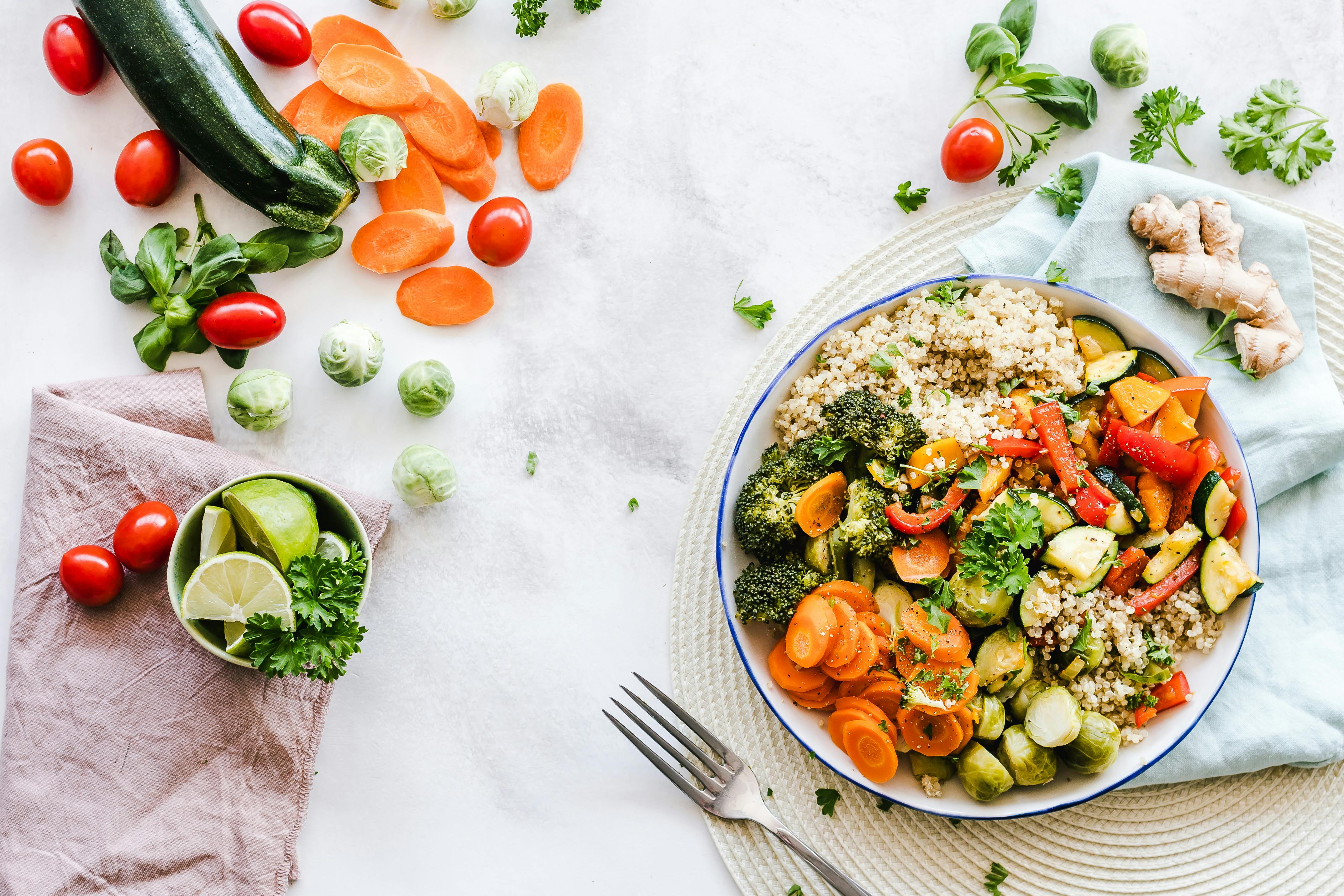
Whether or not you’re taking GLP‑1 medications, you can create a plate that’s both medically smart and joyfully delicious. Consider pairing these elements:
- Protein + crunch: Grilled chicken strips over a chopped salad with toasted seeds.
- Protein + comfort: Lentil soup with a small slice of whole‑grain bread and a drizzle of olive oil.
- Protein + tang: Baked fish with lemony yogurt sauce alongside roasted carrots and green beans.
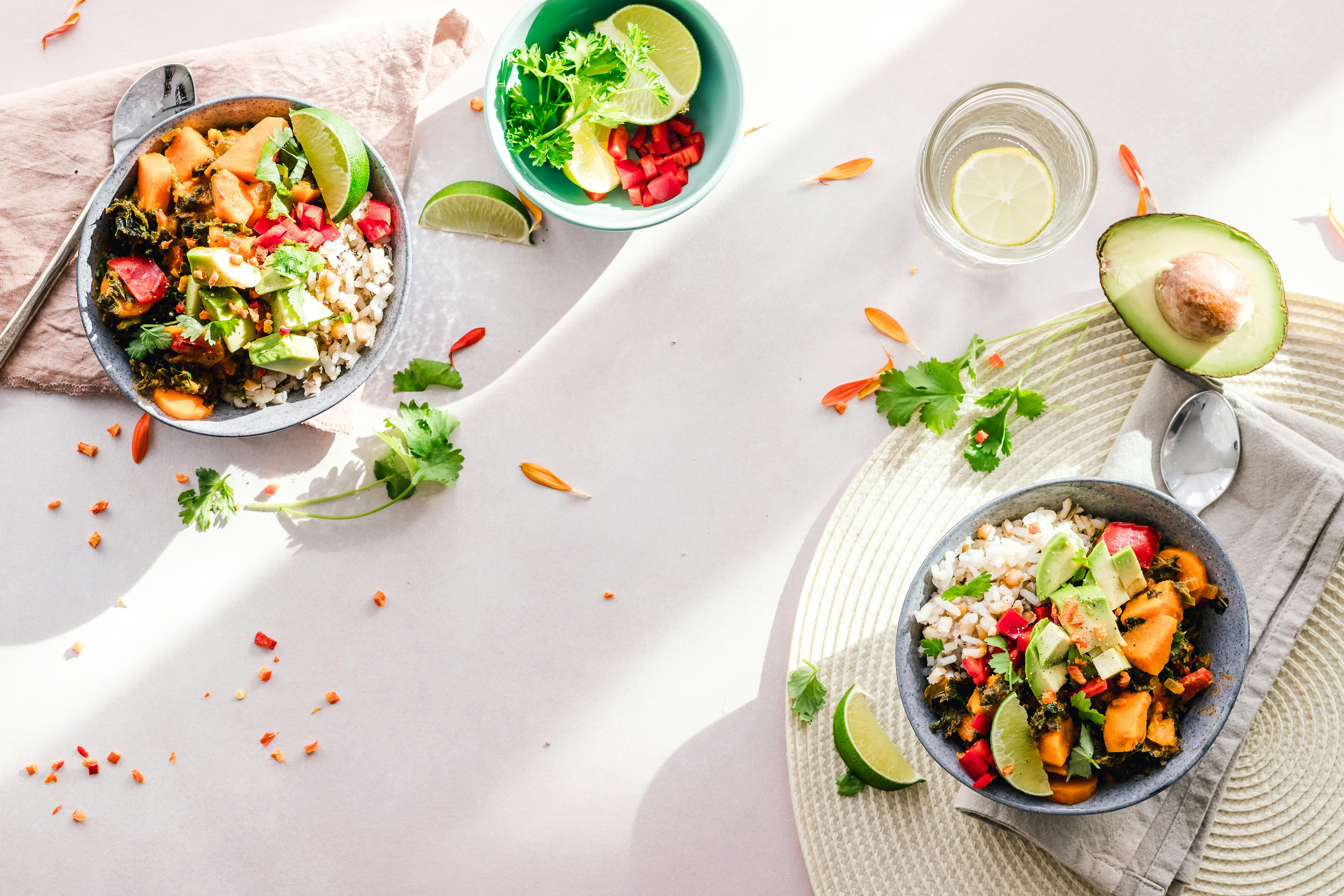
- Plant‑based pairing: Black bean and quinoa bowl with salsa, avocado, and shredded cabbage.
Meal Prep, Storage, and Reheating With a Smaller Appetite
When you’re eating less, large‑batch meal prep can backfire if food goes to waste. A few tweaks keep things fresh, safe, and inviting.
- Prep components, not full meals: Cook a batch of protein (chicken, tofu, beans), a tray of roasted vegetables, and a pot of grains. Mix and match in small portions as needed.
- Use smaller containers: Store single or half portions in small, clear containers so you’re not overwhelmed by big servings.
- Safe storage: Most cooked proteins and grains keep well in the fridge for 3–4 days. Freeze extra in labeled portions if you won’t eat them in time.
- Gentle reheating: Reheat in the microwave or on the stovetop with a splash of water or broth to prevent dryness. Add fresh garnishes (herbs, lemon, yogurt, salsa) just before serving for flavor and aroma.
Dietary Adaptations: Vegan, Gluten‑Free, and More
The “Ozempic diet” concept can be adapted to almost any eating style. The key is keeping the core principles—protein, fiber, and micronutrients—while honoring your values and needs.
- Vegan or vegetarian: Emphasize beans, lentils, tofu, tempeh, seitan (if not gluten‑free), edamame, soy yogurt, and fortified plant milks for protein and B12 (often via supplements as advised).
- Gluten‑free: Choose naturally gluten‑free grains and starches like rice, quinoa, buckwheat, potatoes, and certified gluten‑free oats. Always check labels on processed foods and sauces.
- Low‑lactose or dairy‑free: Use lactose‑free dairy, hard cheeses, or plant‑based alternatives like soy and pea‑protein yogurts and drinks.
Looking Ahead: Medication, Metabolism, and a Kinder Food Culture
GLP‑1 medications have cracked open decades of frustration around weight loss and dieting. For some, they feel like a lifeline; for others, they raise tough questions about access, equity, and what it means to “take control” of your health.
Amid all that complexity, one truth holds: whether you’re on Ozempic, considering it, or simply watching from the sidelines, nourishing yourself with protein‑rich, fiber‑filled, colorful foods supports your body in powerful ways. You deserve an approach to eating that respects your biology, your culture, your mental health, and your joy.
If you’re feeling overwhelmed by conflicting advice, reaching out to a trusted healthcare provider or registered dietitian can help you sort the science from the noise—and build a way of eating that feels like care, not punishment.
