
Ozempic Diet Secrets: What to Eat on GLP‑1 Drugs Without Losing Muscle or Joy in Food
Ozempic, GLP‑1 Drugs, and the ‘Ozempic Diet’ Effect: How to Eat Well When You’re Just Not That Hungry
GLP‑1 weight‑loss medications like Ozempic, Wegovy, Mounjaro, and Zepbound have quietly rewritten the rules of eating. People who once lived in a constant push‑pull with cravings now find themselves pushing half‑finished plates away, skipping snacks, or even “forgetting” to eat. It’s powerful, life‑changing—and it comes with a big question: what does a nourishing, sustainable way of eating look like when your hunger signal has fundamentally changed?
That question has fueled the rise of the so‑called “Ozempic diet” online—a mash‑up of evidence‑based nutrition, lived experience from users, and a lot of trial‑and‑error meals designed for smaller appetites and sometimes sensitive stomachs. While there’s no official Ozempic diet plan, there are smart patterns that dietitians, doctors, and long‑term GLP‑1 users are converging on.
At‑a‑Glance: GLP‑1 & Ozempic Diet Quick Facts
- Medications covered: Ozempic, Wegovy, Mounjaro, Zepbound, and other GLP‑1 / GIP‑GLP‑1 drugs
- Core nutrition goals: preserve muscle, protect metabolism, avoid nutrient gaps, and tame GI side effects
- Best suited for: Adults prescribed a GLP‑1 medication, with medical supervision
- Difficulty: Moderate – less about willpower, more about planning nutrient‑dense small meals
- Key focus foods: Lean protein, Greek yogurt, cottage cheese, eggs, lentils, cooked vegetables, oats, beans, whole grains, soups, and smoothies
Why Eating on Ozempic Feels So Different
Before GLP‑1 drugs, most diet advice assumed one thing: you’d be hungry and fighting it. Ozempic flips that script. These medications:
- Slow gastric emptying – food leaves your stomach more slowly, so you feel full longer.
- Reduce appetite and food preoccupation – less mental “food noise,” fewer cravings.
- Can alter taste and enjoyment – many people lose interest in ultra‑processed foods, sweets, or alcohol.
That’s a huge win for weight loss—but it also means some new nutritional risks:
- Low protein intake because you get full before you’ve eaten enough to protect your muscles.
- Lower fiber and micronutrient gaps if veggies, whole grains, and fruit fall off your plate.
- GI side effects like nausea, constipation, or reflux, especially with large, fatty, or fried meals.
In other words, GLP‑1s take care of the “eat less” part. Now the work shifts to: how do we make every bite count—without losing the joy of food?
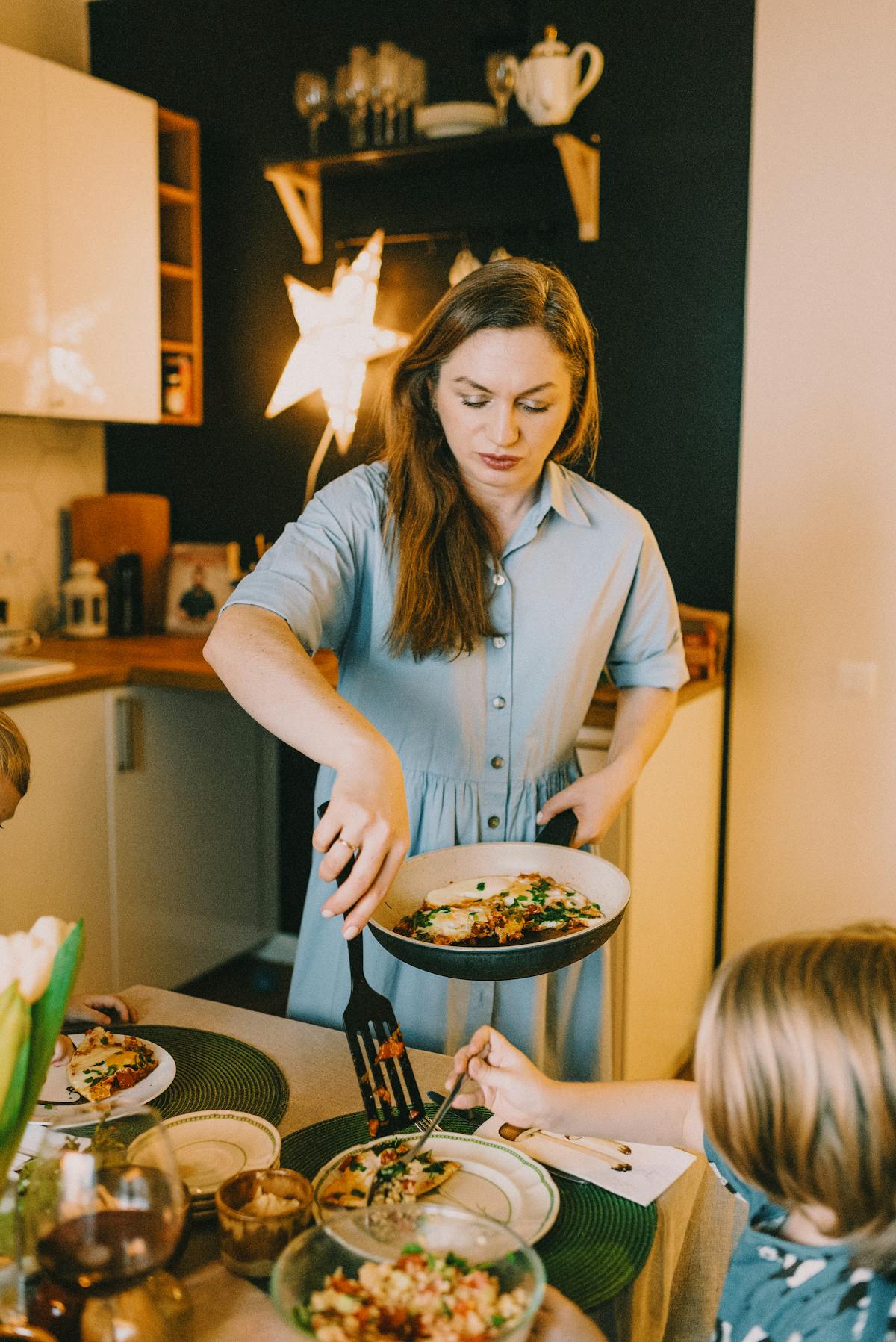
Key Nutrition Targets on GLP‑1 Drugs (Ozempic, Wegovy, Mounjaro, Zepbound)
Clinicians and dietitians who work with GLP‑1 users tend to emphasize five big rocks. Think of these as your new “macro goals” for the Ozempic era.
1. Prioritize Protein to Protect Muscle
Rapid weight loss without a plan almost always means muscle loss. On GLP‑1s, that risk is even higher because it’s so easy to under‑eat. Current guidance for many adults on these medications is:
Aim for about 1.2–1.6 g of protein per kilogram of body weight per day, spread evenly across meals.
For a 180‑lb (82‑kg) person, that’s roughly 100–130 g of protein daily. It sounds like a lot—until you start designing your meals around it.
Sensation-wise, protein feels “steadying”: it gives a gentle, lasting fullness without the heavy, greasy sluggishness that can trigger nausea on GLP‑1s.
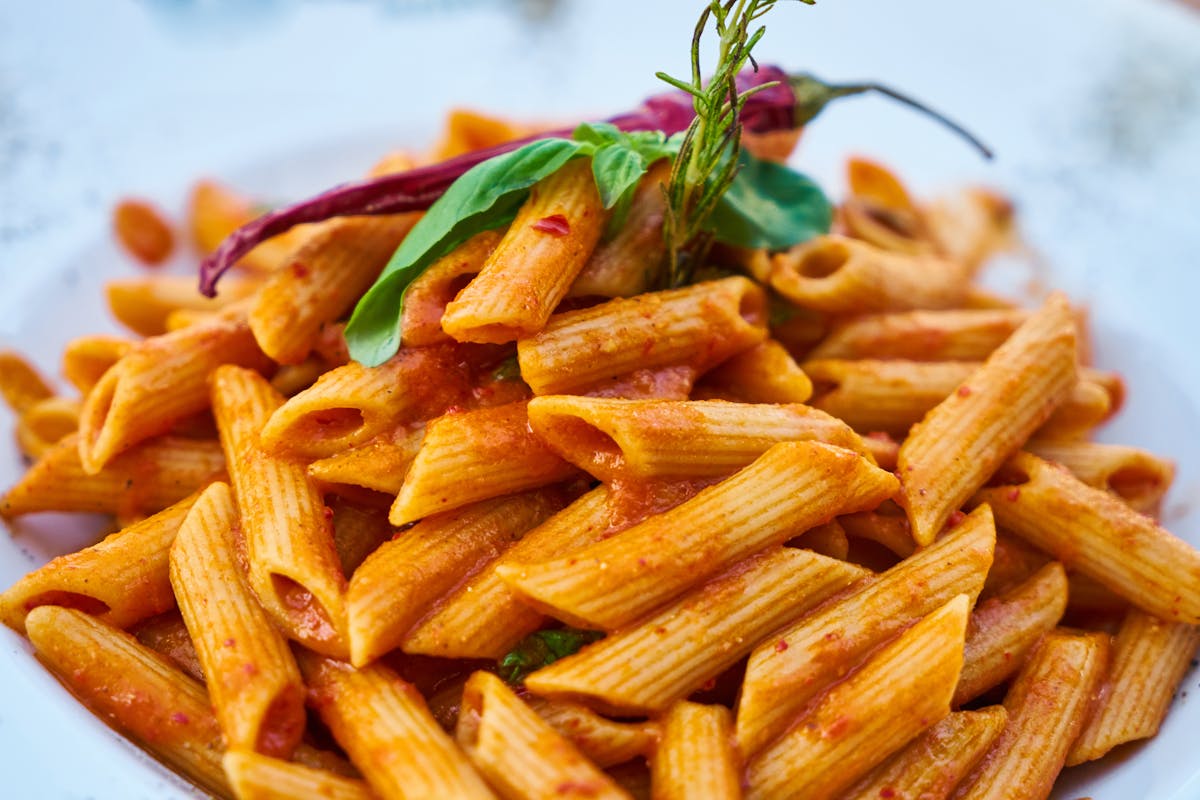
2. Fiber for Fullness, Gut Health, and Regularity
GLP‑1s naturally slow digestion. When you add low fiber on top, constipation can become a real issue. Most adults do better aiming for:
25–35 g of fiber per day, introduced gradually and paired with plenty of fluids.
Many GLP‑1 users find cooked vegetables, oats, and beans feel much gentler than big raw salads, which can feel like a brick in a slowed‑down stomach.
3. Hydration and Electrolytes
Eating less means drinking less for many people—not on purpose, it just happens. Dehydration can worsen headaches, dizziness, constipation, and fatigue.
- Sip water all day instead of chugging large volumes at once.
- Use electrolyte drinks (low or no sugar) if your intake is consistently low or you exercise.
- Herbal teas, broths, and watery foods (soups, stews, fruit) all “count.”
4. Smaller, More Frequent Meals
The old advice of “three big square meals” often backfires on Ozempic. Oversized meals can leave you nauseated or uncomfortably full for hours. Instead, many do best with:
- 4–6 mini‑meals or snacks across the day.
- Meals that fit comfortably in a small cereal bowl or salad plate.
- Eating slowly and stopping at the first hint of fullness.
5. Resistance Training to Defend Muscle and Metabolism
This isn’t just a food story. Exercise—especially resistance training—is one of the strongest tools to:
- Reduce muscle loss during rapid weight loss.
- Support long‑term metabolic health and insulin sensitivity.
- Improve mood and body confidence as your body changes.
Think simple: 2–3 sessions per week of bodyweight exercises, resistance bands, or light dumbbells is a powerful partner to GLP‑1 medication.
The Rise of the “Ozempic Diet” Trend Online
On TikTok, YouTube, and X (Twitter), the “Ozempic diet” has become its own micro‑genre. You’ll find:
- Weekly injection vlogs documenting dose changes, side effects, and appetite shifts.
- What I eat in a day on Ozempic videos: Greek yogurt, cottage cheese, protein coffee, soups, and high‑protein snacks.
- Dietitian breakdowns of how to hit protein targets and manage nausea.
- Celebrity chatter and speculation, from red‑carpet bodies to podcast confessions and denials.
While the content can be inspirational, it’s also uneven. Not every creator is medically trained, and not every plate you see is nutritionally complete. Treat those clips as ideas, not prescriptions.
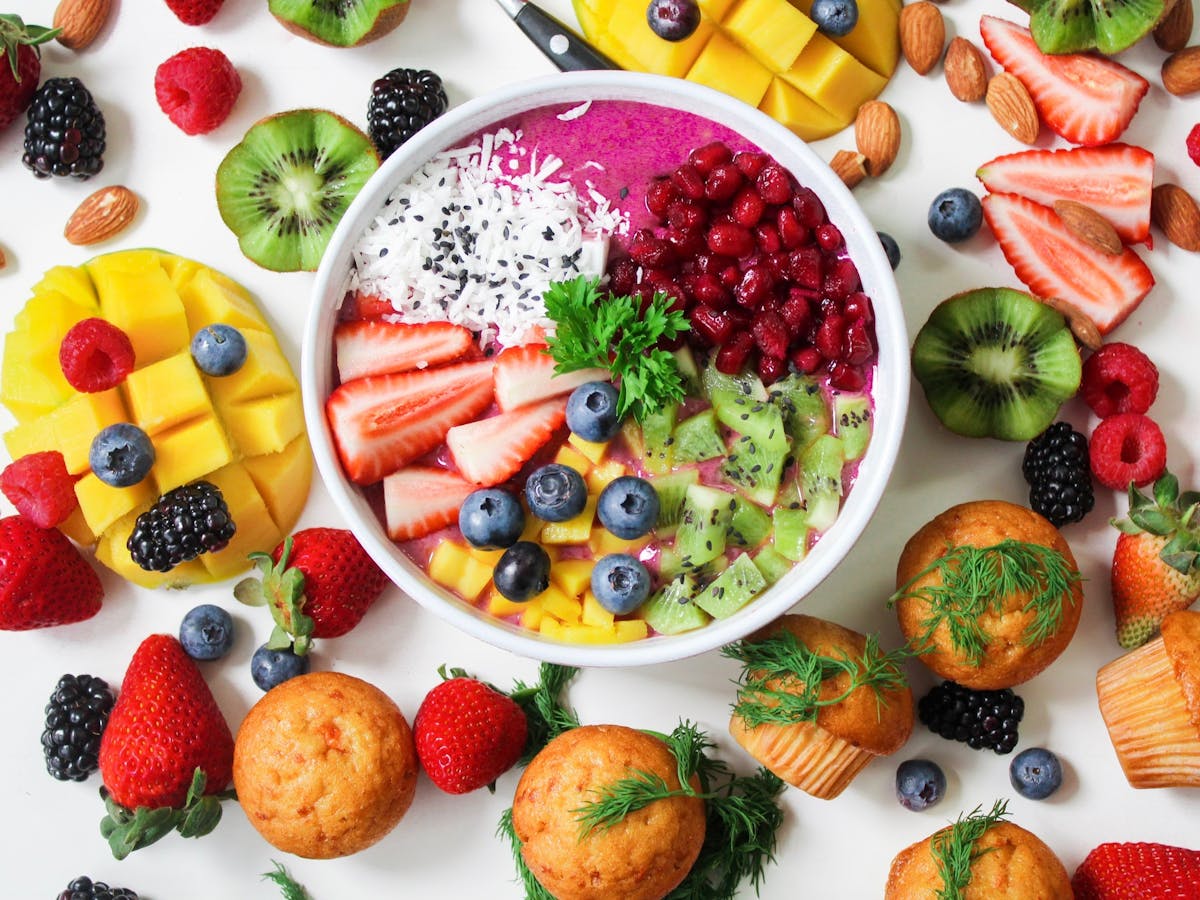
A Sample Day of Eating on Ozempic (High‑Protein Mediterranean‑Inspired)
Think of this less as a rigid meal plan and more as a template you can riff on—built around protein, fiber, and gentle textures. Portions are intentionally modest; you can scale them up or down based on your appetite and your clinician’s advice.
Morning: Gentle Protein Start
- Option A: ¾ cup Greek yogurt with ¼ cup berries and 1–2 tablespoons chopped nuts or seeds
- Option B: Protein coffee made with 1 scoop protein powder blended into decaf or regular coffee, plus a slice of whole‑grain toast with a thin smear of nut butter
Both options are creamy, comforting, and easy to sip or spoon slowly—perfect if your morning appetite is low.
Mid‑Morning Mini‑Meal
- ½ cup cottage cheese with cucumber slices and cherry tomatoes
- Or a boiled egg with a small piece of fruit
Lunch: Warm, Soft Textures
Example: Small bowl of lentil soup topped with a spoonful of Greek yogurt and a drizzle of olive oil, plus a few whole‑grain crackers for crunch.
Warm soups and stews are beloved in the GLP‑1 community—they’re soothing, easy to digest, and sneak in vegetables and protein in one bowl.
Afternoon Snack
- Small protein smoothie (½ scoop protein, ½ banana, handful of spinach, water or milk of choice)
- Or a few slices of turkey or tofu with carrot sticks and hummus
Dinner: High‑Protein, Light on Grease
Example plate:
- 75–100 g grilled salmon, chicken, turkey, or tofu
- ½ cup cooked quinoa or brown rice
- ½ cup roasted or steamed vegetables (zucchini, carrots, green beans)
Keep fats moderate: think a drizzle of olive oil, not a deep‑fried coating. Many GLP‑1 users notice that rich, greasy foods are the fastest way to trigger nausea or reflux.
Evening Bite (If Needed)
If your total protein for the day is low, you might add:
- ½ serving Greek yogurt, or
- A small piece of cheese with apple slices, or
- A few spoonfuls of beans sprinkled with herbs and olive oil
Managing Common GLP‑1 Side Effects Through Food
Not everyone experiences side effects—but when they do show up, they’re often digestive. Simple food adjustments can make a big difference.
Nausea
- Favor small, frequent meals over fewer large ones.
- Choose bland or mild foods for a while: crackers, toast, rice, bananas, plain yogurt.
- Avoid very fatty, fried, or heavily spiced meals on injection day and the day after, if those trigger you.
- Try ginger tea or ginger chews if your clinician approves.
Constipation
- Increase fiber slowly (beans, oats, chia seeds, fruits, cooked veg).
- Drink enough fluids; warm beverages and broths can gently stimulate the gut.
- Daily light movement (walks, stretching) helps your digestion “wake up.”
- Discuss fiber supplements or medications with your clinician if issues persist.
Reflux or Heartburn
- Avoid lying down immediately after eating—give yourself at least 2–3 hours.
- Eat earlier dinners and keep them lightweight.
- Limit large, spicy, or acidic meals if you notice they worsen symptoms.
Thinking Long‑Term: Beyond the Prescription
One of the biggest concerns around Ozempic and similar drugs is: what happens when I stop? Clinicians point out that if your only “strategy” is the injection, weight regain is likely once hunger signals normalize.
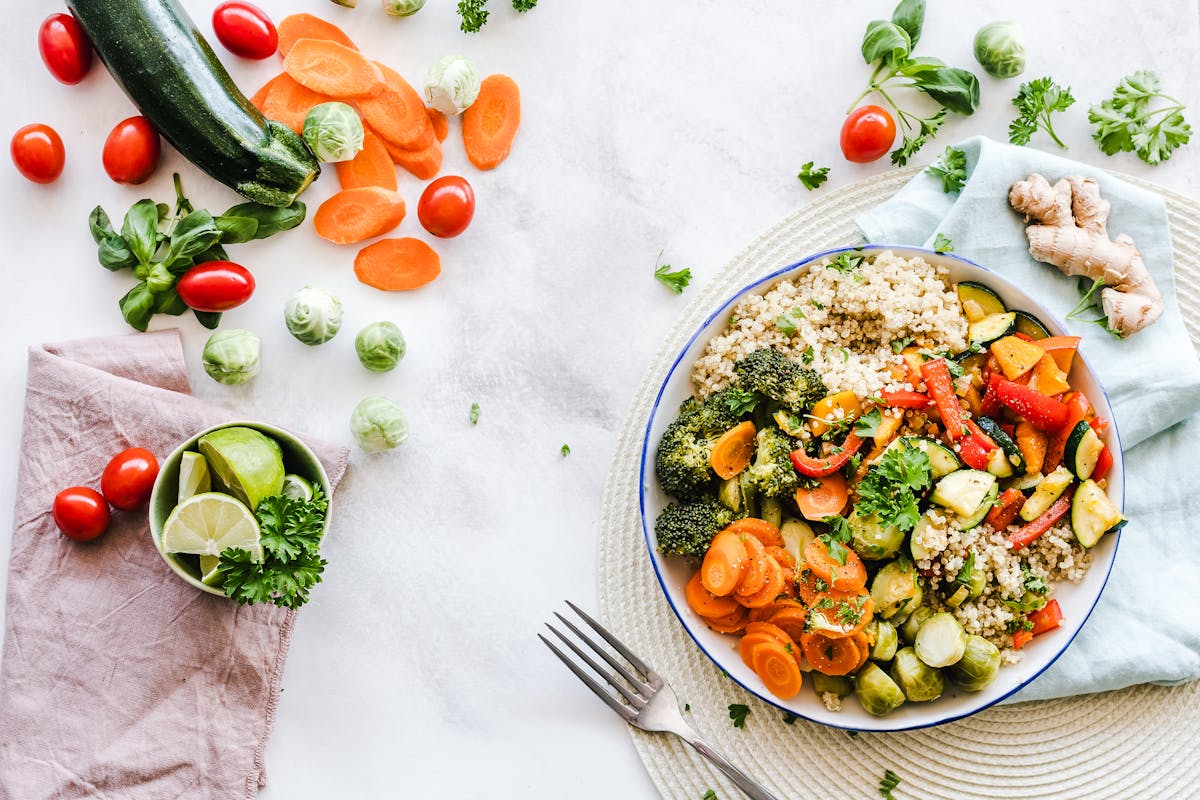
That’s why many experts encourage developing a long‑term eating pattern—not a short‑term diet—that can outlast the medication. A common recommendation is a high‑protein Mediterranean‑style pattern:
- Lots of vegetables (especially cooked, if your stomach is sensitive)
- Fruits, legumes, and whole grains for fiber
- Seafood, poultry, eggs, dairy, tofu, or other plant proteins as daily anchors
- Olive oil, nuts, seeds, and avocado for heart‑healthy fats (in moderate amounts)
Pair that with resistance training and consistent sleep, and you’re building a foundation that can carry you well past your GLP‑1 journey.
Culture, Cravings, and Changing Relationship with Food
Food is never just fuel. It’s family, culture, celebration, and comfort. Many GLP‑1 users describe a bittersweet shift: the relief of no longer feeling controlled by cravings, mixed with a sense of loss when favorite foods simply don’t call to them anymore.
Some people notice:
- Less desire for ultra‑processed snacks and fast food.
- Reduced or no interest in alcohol.
- More appreciation for lighter, fresher foods—grilled fish, brothy soups, fruit.
It can help to:
- Reinvent family favorites in smaller, lighter, higher‑protein versions.
- Plan social gatherings around shared experiences (walks, games, music) rather than just heavy meals.
- Give yourself permission to enjoy special foods in tiny portions, paying close attention to satisfaction rather than quantity.
Practical Meal‑Planning Tips for the Ozempic Diet Era
To make your GLP‑1 nutrition plan doable in real life, lean on a few simple systems:
- Protein anchors: Batch‑cook 1–2 proteins (chicken, tofu, lentils, beans, hard‑boiled eggs) each week so you can build quick mini‑meals.
- Freezer friends: Keep frozen vegetables, pre‑portioned soups, and frozen berries on hand for fast, gentle meals.
- Snack trays: Protein‑focused snack boxes (cheese cubes, edamame, roasted chickpeas, veggie sticks) make it easier to nibble when you’re not very hungry.
- Portion mindfulness: Use smaller plates and bowls so your visual “full plate” matches what your body can handle.
- Checklists, not calorie obsession: Aim to “tick off” daily goals: protein at each meal, 2–3 servings of veg, 1–2 fruit, enough fluids—rather than micromanaging every number.
When to Get Professional Help
While online “Ozempic diet” advice can be a helpful starting point, it’s essential to involve professionals if you notice:
- Persistent nausea, vomiting, or abdominal pain.
- Constipation or reflux that doesn’t improve with gentle changes.
- Signs of nutrient deficiency: hair thinning, extreme fatigue, dizziness.
- Emotional distress around body changes or eating patterns.
A registered dietitian familiar with GLP‑1 medications can help you customize protein targets, portion sizes, and meal timing to your medical history, culture, and preferences.
The Bottom Line: Designing Your Own Nourishing “Ozempic Diet”
GLP‑1 medications like Ozempic, Wegovy, Mounjaro, and Zepbound are reshaping not just bodies, but daily food culture—shifting the focus from willpower to smart nutrition in a world of gentler appetites.
To thrive on these medications, build your personal “Ozempic diet” around a few core principles:
- Protein at every meal to preserve muscle and metabolism.
- Fiber‑rich, mostly Mediterranean‑style foods for gut health and long‑term protection.
- Small, frequent, low‑grease meals to respect slower digestion.
- Hydration and resistance training as non‑negotiable pillars.
- Kindness and curiosity toward your changing tastes and needs.
Your plate may be smaller now—but it can still be vibrant, satisfying, and deeply supportive of your health. With a bit of planning and a lot of self‑compassion, you can let GLP‑1 medications do their job while you do yours: feeding your body well, one thoughtful bite at a time.
