
“Out of Control?” How to Understand the 2026 Bird Flu Pandemic Risk—and Protect Yourself
If you’ve seen headlines warning that bird flu could trigger a human pandemic by 2026, you’re not alone in feeling uneasy. After everything the world has been through with COVID‑19, the phrase “it’s completely out of control” can land like a punch to the gut.
Bird flu—particularly the H5N1 strain of avian influenza—has been tearing through wild birds, poultry, and even some mammals around the world since 2020. Scientists now warn that, under the wrong conditions, it could evolve into a virus capable of efficient human‑to‑human transmission.
This doesn’t mean a 2026 bird flu pandemic is guaranteed. It does mean this is a risk worth understanding calmly and clearly. In this guide, we’ll unpack what’s really happening, how scientists think about pandemic risk, what a “worst‑case” could look like, and—most importantly—what you can do to protect yourself and your family without living in fear.

“The virus is doing things we have never seen before in birds and mammals. That doesn’t mean a human pandemic is inevitable—but it does mean we have to be ready.”
— Virologist quoted in recent BBC Science Focus reporting on H5N1
What’s Going On With Bird Flu Right Now?
Historically, bird flu outbreaks were mostly seasonal and localised, hitting poultry farms and some wild birds. Since around 2020, a highly pathogenic H5N1 variant has changed that pattern. It has:
- Spread across multiple continents, following migratory bird routes
- Led to mass die‑offs of wild birds in some regions
- Forced the culling of millions of farmed poultry
- Spilled over into mammals—including sea lions, foxes, and some farm animals
Human infections remain rare and usually involve close contact with sick birds or contaminated environments. However, each time the virus jumps between species, it gets fresh opportunities to mutate. That evolutionary “experimentation” is what worries scientists: under the right conditions, H5N1 could adapt to spread efficiently between humans, similar to seasonal flu or COVID‑19.
Could Bird Flu Really Spark a Human Pandemic by 2026?
When headlines name a specific year—like “a 2026 pandemic”—it can sound like a prediction. In reality, scientists are talking about a window of elevated risk, not a fixed date.
Researchers interviewed in outlets like BBC Science Focus and major medical journals emphasise a few key points about H5N1’s pandemic potential:
- The virus is more widespread and diverse than in past waves. More infections in birds and mammals mean more mutation opportunities.
- Some genetic changes seen in recent strains are concerning. Certain mutations make the virus better at infecting mammalian cells or surviving in the upper respiratory tract—features that can, in theory, make human transmission easier.
- We’ve seen sporadic mammal‑to‑mammal transmission. Outbreaks in animals like mink or sea lions suggest the virus can sometimes spread beyond a single spillover event.
- Human immunity is very low. Unlike seasonal flu, most people have little to no immune memory to H5N1‑like viruses.
That said, a devastating human pandemic is not a foregone conclusion. For H5N1 to become a major human threat, it would likely need several specific mutations that improve:
- Binding to receptors in the human upper airway
- Stability in aerosols and droplets
- Efficient replication without killing hosts too quickly
We don’t yet know if H5N1 can make that leap while remaining highly dangerous. Past lab studies in animals show it’s possible under experimental conditions, but real‑world evolution is messier and less predictable.
“We must plan as if it could happen, while hoping that biology and public health measures keep it from happening.”
— Public health epidemiologist, pandemic preparedness working group
How Bird Flu Jumps from Animals to Humans: The Science in Plain Language
Bird flu is a type of avian influenza virus. To understand how it could become a human pandemic, it helps to break the process down into steps.
1. Spillover: When a Virus Crosses Species
A “spillover event” happens when a virus from one species infects another. For H5N1, that usually means:
- Bird → bird (very common in current outbreaks)
- Bird → mammal (e.g., foxes feeding on dead birds, or farm animals exposed to contaminated feed)
- Bird → human (typically poultry workers or people in close contact with sick birds)
2. Adaptation: Learning to Thrive in a New Host
Once in a new species, most viruses hit a dead end. Occasionally, mutations arise that help the virus:
- Bind more effectively to that species’ cells
- Evade its immune responses
- Replicate in tissues that allow easier spread (like the nose and throat)
With H5N1, scientists are especially alert to mutations that make it better at infecting cells in the human upper respiratory tract, because that’s where sneezing, coughing, and talking can spread virus‑laden droplets.
3. Transmission: From Isolated Cases to Sustained Spread
A few isolated human cases are not a pandemic. To cross that threshold, H5N1 would need sustained human‑to‑human transmission, where each infected person, on average, infects more than one other person in normal daily life.
Public health agencies monitor the virus’s genetics and every human case they find, looking for any hint that this kind of transmission is starting. So far, clusters have mostly been small and linked to shared animal exposures or very close contact.
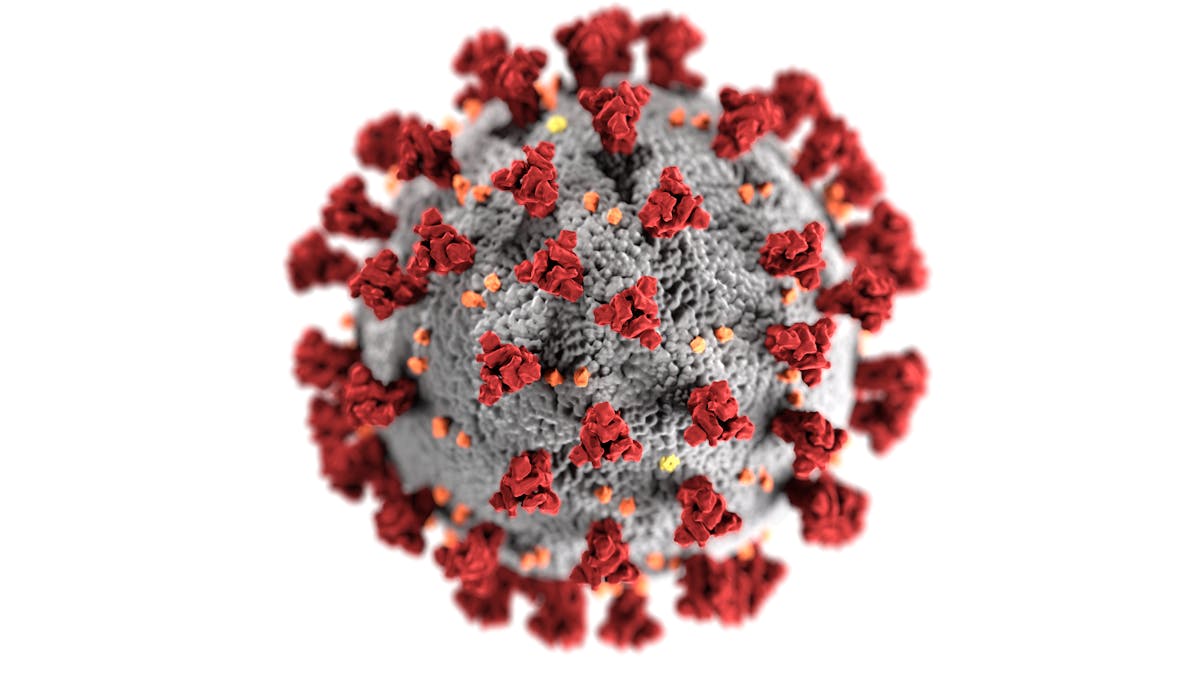
Bird Flu vs COVID‑19: Why This Threat Is Different
It’s natural to mentally file “potential 2026 bird flu pandemic” under “another COVID.” While there are similarities—both are respiratory viruses that can spread via droplets and aerosols—there are also crucial differences.
Key differences public health experts point out:
- Awareness and surveillance: COVID‑19 caught the world off‑guard; H5N1 is being watched intensely in real time.
- Vaccines and antivirals: We already have prototype H5N1 vaccines and broad‑spectrum antivirals that can be used or adapted if needed.
- Existing pandemic plans: Many countries have updated playbooks, supply chains, and legal frameworks because of COVID‑19.
- Transmission pattern (for now): H5N1 does not currently spread efficiently between humans, which buys time.
What’s My Personal Risk Right Now?
For most people who don’t work directly with birds or other affected animals, the immediate risk of catching bird flu remains low. Public health assessments from organisations like the WHO and national health agencies generally agree on this point as of late 2025.
Higher‑risk groups include:
- Poultry farmers and workers in live bird markets
- Workers involved in culling or disposing of infected birds
- Veterinarians and wildlife rehabilitators handling sick birds or mammals
- Laboratory staff working with H5N1 or related viruses
If you’re in one of these groups, your local health authority may have targeted guidance, vaccination options, or protective equipment recommendations. It’s worth checking your workplace safety protocols and making sure they’re up to date.
For everyone else, the main goal right now is informed preparedness, not panic: understanding how the virus spreads and taking sensible precautions around birds and animals.
Practical Steps You Can Take Now to Lower Your Bird Flu Risk
You can’t personally control global virus evolution, but you can reduce your exposure risk and strengthen your overall resilience. Here’s how.
1. Be Smart Around Birds and Poultry
- Avoid direct contact with sick or dead wild birds. If you find them, follow local reporting and disposal guidance instead of handling them yourself.
- Don’t feed or handle wild birds (especially waterfowl) with bare hands; use gloves and wash well afterwards if contact is unavoidable.
- Keep distance from live bird markets or poorly ventilated poultry facilities if outbreaks are reported in your area.
2. Handle Poultry and Eggs Safely
Bird flu is not efficiently spread through properly cooked food, but contamination can happen during handling:
- Wash hands thoroughly after touching raw poultry or eggs.
- Use separate cutting boards for raw meat and ready‑to‑eat foods.
- Cook poultry to an internal temperature of at least 74°C (165°F).
- Avoid consuming raw or undercooked eggs, especially in areas with active outbreaks.
3. Maintain Strong Everyday Infection Control Habits
The same behaviours that reduce COVID‑19 or seasonal flu spread also help with any future respiratory virus:
- Wash hands regularly or use alcohol‑based sanitizer when out and about.
- Cover coughs and sneezes; stay home when you’re seriously unwell.
- Improve ventilation at home and work—open windows, use fans, or air purifiers where possible.
- Consider masks in crowded, poorly ventilated spaces during major outbreaks of any respiratory illness.
Common Obstacles: Fear, Fatigue, and Misinformation
Many people aren’t struggling with what to do so much as how it feels to think about another possible pandemic. That emotional layer matters.
“I’m Tired of Thinking About Pandemics”
Pandemic fatigue is real. It’s completely understandable to feel resistance to more warnings and precautions. The goal here isn’t to live in a state of constant alarm, but to:
- Spend a little time now getting informed
- Put a few simple safeguards in place
- Then get back to living your life, knowing you’ve done what’s reasonable
Dealing with Scary Headlines
Media outlets sometimes lean into dramatic language to grab attention. When you see phrases like “out of control” or specific dates like “2026 pandemic,” try this:
- Look for the underlying expert interviews or scientific reports referenced.
- Check what trusted health agencies (WHO, CDC, your national health service) are actually recommending.
- Notice the difference between “could happen” and “will happen.”
Misinformation on Social Media
Social platforms can amplify unproven treatments, conspiracy theories, or misleading claims about lab leaks and cover‑ups. To protect yourself:
- Cross‑check viral claims with reputable sources before sharing.
- Be cautious of content that seems designed purely to provoke fear or anger.
- Remember that uncertainty in science is normal; changing guidance usually means experts are updating their understanding, not lying.
What Scientists and Health Systems Are Doing Behind the Scenes
It can be reassuring to know that H5N1 isn’t just being watched—it’s being actively prepared for. Based on recent reporting and public health updates, there are several major lines of defence in motion.
1. Global Surveillance and Sequencing
- Testing wild birds, poultry, and affected mammals for H5N1.
- Genetically sequencing samples to track mutations and emerging variants.
- Sharing data internationally so scientists can see the full picture.
2. Vaccines Targeted at H5N1
Several vaccine platforms—traditional egg‑based, cell‑based, and mRNA—have been used to produce prototype H5N1 vaccines. While these may need updating for a specific pandemic strain, having platforms and regulatory pathways ready can dramatically speed rollout.
3. Antivirals and Treatment Protocols
Antiviral drugs used for seasonal flu (like oseltamivir) and newer agents can sometimes help treat avian influenza, particularly when given early. Health systems are:
- Reviewing stockpiles and supply chains
- Updating clinical guidelines for suspected H5N1 cases
- Training clinicians to recognise and manage severe viral pneumonia
4. Farm and Wildlife Management
Because the current crisis is primarily in animals, control measures there are crucial:
- Improved biosecurity at poultry farms (limiting wild bird access, stricter hygiene).
- Targeted culling and movement restrictions during outbreaks.
- Research into animal vaccines to reduce viral load in bird populations.
A Real‑World Scenario: How One Farm Reduced Its Bird Flu Risk
To make this more concrete, consider a mid‑sized poultry farm in a region that saw H5N1 in wild birds in 2024. The owner, exhausted from COVID‑related disruptions, initially felt tempted to ignore yet another warning.
Working with a local vet and agricultural extension service, they decided to take a staged, practical approach:
- Closed obvious gaps in fencing and roofing that allowed wild birds to access feed and water.
- Implemented simple disinfection steps for boots and equipment at entry points.
- Trained staff to recognise early signs of illness and report them immediately.
- Drafted a response plan with clear steps for isolation, vet notification, and communication with buyers if a suspected case appeared.
In a later regional outbreak, neighbouring farms faced quarantines and major losses. This farm still experienced disruptions, but early detection and good biosecurity helped them avoid the worst‑case scenario. The owner described feeling “worried, but not helpless”—a realistic emotional goal for all of us when facing evolving threats like H5N1.
Where to Find Reliable, Up‑to‑Date Information
Because the situation can change, especially as 2026 approaches, it’s wise to bookmark a few authoritative sources:
- World Health Organization (WHO) – Disease Outbreak News
- U.S. CDC – Avian Influenza (Bird Flu) Overview
- European Food Safety Authority – Avian Influenza
- Your national or regional public health agency’s influenza or zoonotic disease page
For deeper dives into the science and policy debates, outlets like BBC Science Focus, major medical journals, and official public health briefings can provide context that goes beyond headlines.
Moving Forward: Stay Alert, Not Afraid
The phrase “completely out of control” captures the scale of bird flu’s impact on wildlife and agriculture, not a guaranteed human catastrophe. Bird flu’s possible jump to efficient human‑to‑human spread by 2026 is a serious risk scenario, but not a fixed destiny.
You don’t need to obsess over every new mutation report. Instead, focus on what’s within your control:
- Understand the basics of bird flu and how it spreads.
- Take sensible precautions around birds, poultry, and raw animal products.
- Maintain strong general infection‑prevention habits.
- Follow guidance from trusted health authorities, not social media rumours.
Thoughtful preparedness is an act of self‑care and community care. You’re not overreacting by learning about H5N1 and making a simple plan—you’re giving yourself a calmer, more grounded way to face an uncertain future.
If this topic still feels heavy, consider your next step something small and concrete: check your local health agency’s bird flu page, review how you handle poultry in the kitchen, or talk with your family about how you’d stay connected and support one another during any future health emergency. One clear step at a time is how we move from fear to agency.
