
Orange Cat’s Hilarious Post-Anesthesia Reaction Has Pet Parents Laughing (and Learning About Vet Visits)
Orange Cat’s Priceless Response to Anesthesia Medication Is Laugh-Out-Loud Funny
An orange cat’s priceless reaction to anesthesia after a vet visit has gone viral, making people laugh while also highlighting the very real stress that comes with taking pets in for medical care. This happy, slightly wobbly kitty looks like he’s “feeling good” in the clip shared via Yahoo Life UK, and if you’ve ever watched your own pet wake up from a procedure, you know it can be both adorable and a little nerve-racking.
In this article, we’ll unpack what’s likely happening with this orange cat, what’s normal after anesthesia, and when to worry. We’ll also offer vet-backed tips to make your own cat’s vet visits—as well as their recovery—safer, calmer, and a lot less scary for everyone involved.

“It’s completely normal for pets to look a bit dizzy, spacey, or extra cuddly as anesthesia wears off—as long as they’re breathing comfortably and can be roused.”
— Dr. Emily Carter, small animal veterinarian
Why This Orange Cat Video Is So Funny—and So Relatable
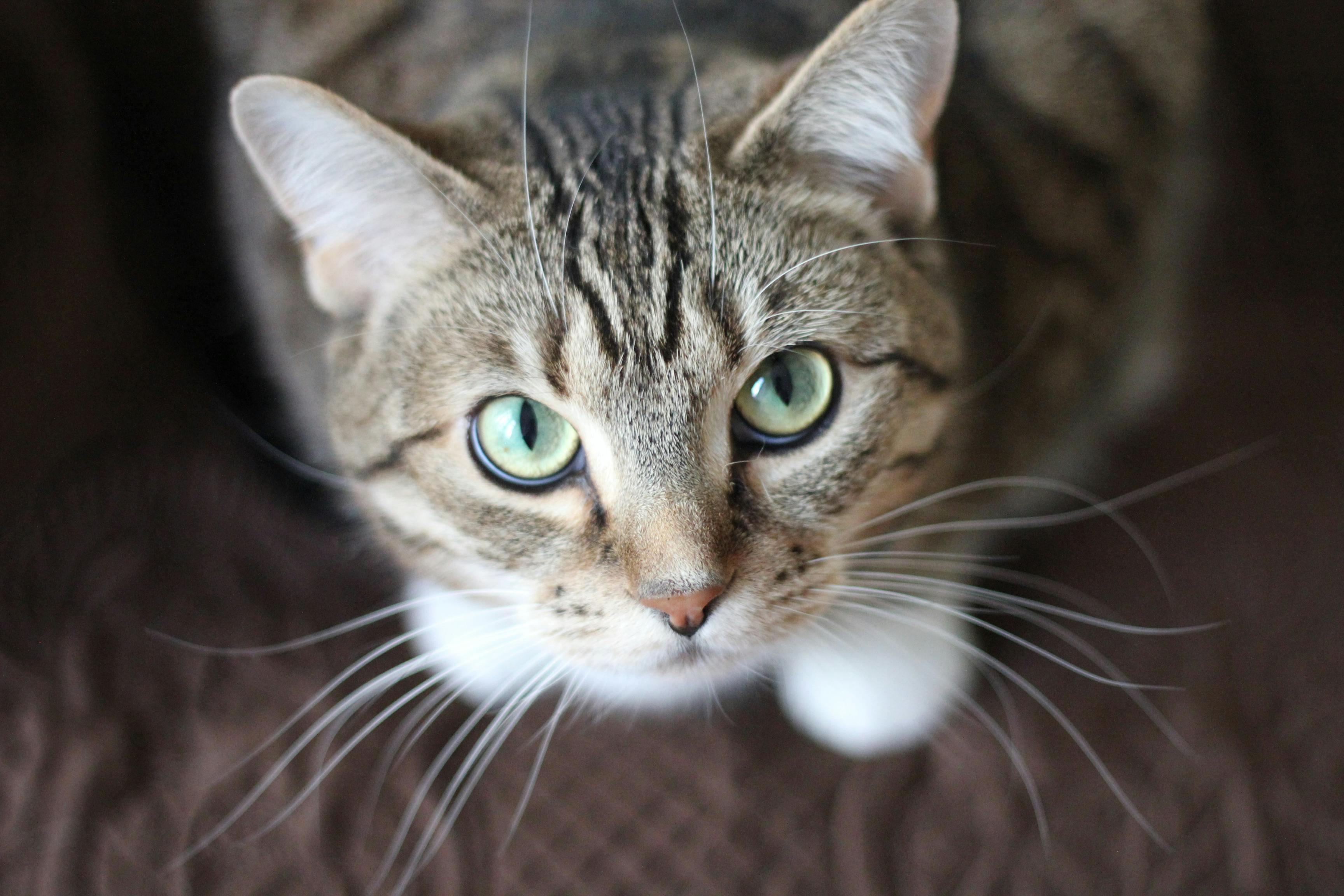
The clip shows a classic “post-anesthesia cat”: pupils a little wide, movements a bit slow, posture relaxed, and an expression that can only be described as, “Wow, the world feels weird—but kind of nice.” Many pet parents have seen this look after:
- Dental cleanings
- Spay/neuter surgeries
- Imaging procedures (like X-rays) that require sedation
- Minor wound repairs or lump removals
The humor comes from that human-like, “I’ve just had some very strong medication” vibe—without the cat having any idea why he feels that way. But underneath the laughs is a reassuring message: anesthesia, when used properly, can be very safe and can actually reduce the stress and pain of necessary veterinary care.
What Anesthesia Does to Cats: The Science Behind the Silly
Anesthesia is a controlled, reversible state where your cat is unconscious or deeply sedated so they don’t feel pain or remember the procedure. In modern veterinary medicine, this is usually achieved with a combination of:
- Premedication – to calm the cat and start pain control.
- Induction drugs – to bring them quickly into an unconscious state.
- Inhalant gas anesthesia – to keep them under during the procedure.
- Pain medications – often started before and continued after surgery.
As these medications wear off, the brain and nervous system “reboot.” That’s the window when we see goofy behaviors: swaying, wide eyes, extra affection, or a very chill, blissed-out face—just like the orange cat in the Yahoo Life UK story.
According to guidelines from the World Small Animal Veterinary Association, multi-modal anesthesia and pain control are now standard of care—meaning vets combine drugs and techniques to keep pets comfortable while minimizing risk.
Normal vs. Concerning: What to Expect When Your Cat Wakes Up
The orange cat in the viral clip looks relaxed, mildly disoriented, and content. That kind of “loopy but comfortable” state is usually a sign that the drugs are simply wearing off. Here’s a quick comparison:
Common, Usually Normal
- Wobbliness or unsteady walking
- Dilated pupils, staring, or “spaced out” look
- Extra clinginess or unusual affection
- Mild shivering for a short time
- Wanting to sleep more than usual
- Low appetite for the first meal
Call Your Vet Immediately If You See
- Struggling to breathe or open-mouth breathing
- Blue or very pale gums
- Continuous crying or yowling in pain
- Repeated vomiting or severe diarrhoea
- Collapse, seizures, or inability to wake up
- Bleeding or severe swelling at the surgery site

Turning Stress into Smiles: How to Make Vet Visits Easier for Your Cat
The orange cat’s chilled-out demeanor is a reminder that vet visits don’t always have to be traumatic. While no approach will make every appointment “fun,” there are evidence-based ways to reduce fear and improve safety.
1. Choose a Cat-Friendly Veterinary Practice
- Look for clinics certified as Cat Friendly Practices by the American Association of Feline Practitioners (AAFP) or similar regional programmes.
- Ask if they use fear-free handling techniques, separate dog and cat waiting areas, and feline-specific exam rooms when possible.
2. Prepare the Carrier in Advance
- Leave the carrier out at home as a normal piece of furniture, not just a “vet box.”
- Add soft bedding, treats, and toys so it feels safe.
- Use a feline pheromone spray on bedding 15–20 minutes before travel.
3. Talk to Your Vet About Pre-Visit Anxiety Medication
For highly stressed cats, vets may prescribe a mild anti-anxiety medication to give at home before the appointment. Research suggests that reducing fear can also improve exam quality and make anesthesia safer because stressed animals can have higher heart rates, blood pressure, and stress hormone levels.

When Virtual Vet Visits Help—and When You Still Need In-Person Care
The Yahoo Life UK piece points out that virtual vet visits have become a helpful option for some situations, reducing the number of stressful in-clinic appointments.
Telehealth May Be Useful For:
- Follow-up questions after a recent procedure
- Behaviour concerns or anxiety discussions
- Nutrition, weight management, or routine wellness advice
- Deciding if your cat needs an emergency visit
But In-Person Visits Are Essential For:
- Physical exams, vaccinations, and annual checkups
- Bloodwork, X-rays, or other diagnostics
- Surgery, dental cleanings, or any procedure needing anesthesia
- Rapid onset problems: breathing issues, severe vomiting, trauma, or pain

Post-Anesthesia Cat Care: Step-by-Step Guide for a Safe, Comfy Recovery
If your cat ever looks as blissed out as the orange star of this viral video, here’s how to keep those funny moments safe and short-lived while your pet recovers fully.
- Set up a quiet recovery space – Use a small room or large crate with soft bedding, a litter box, food, and water. Keep other pets and children away for the first night.
- Limit jumping and climbing – Loopy cats can misjudge distances. Block access to high furniture and stairs when possible.
- Follow feeding instructions – Many vets recommend a small, bland meal (or half the normal portion) once your cat is fully awake and not nauseous.
- Monitor the incision (if surgery was done) – Check for redness, swelling, discharge, or missing stitches. Prevent licking with a cone or soft collar as directed.
- Give medications exactly as prescribed – Don’t stop pain meds early just because your cat “seems fine.” Stopping too soon can slow healing.
- Keep a close eye on behaviour – Wobbliness should improve steadily over 12–24 hours. Call your vet if it worsens or if your cat seems to be in pain.

Laugh, Learn, and Love Your Cat Through Every Vet Visit
The orange cat’s hilarious post-anesthesia expression is more than just viral entertainment—it’s a snapshot of modern veterinary care doing exactly what it’s meant to do: keeping pets safe, pain-free, and (occasionally) delightfully goofy as they wake up.
You can’t completely avoid the stress of vet visits, but you can:
- Choose cat-friendly, fear-aware veterinary teams
- Prepare your cat and their carrier ahead of time
- Ask questions about anesthesia, monitoring, and pain control
- Use telehealth wisely to reduce unnecessary trips
- Follow post-op care instructions closely at home
Next time you see a viral “loopy pet” video, enjoy the laugh—and let it remind you how important proactive veterinary care is for your own animals. If your cat has a procedure coming up, consider this your nudge to call your vet, ask how they keep anxious cats comfortable, and put a solid recovery plan in place.
Your call-to-action: Within the next 24 hours, write down three questions you want to ask your vet about anesthesia, pain management, or stress reduction—and bring that list to your cat’s next appointment.
