One Piece Singer’s Shanghai Show Halted Mid-Song: How a Fandom Flashpoint Became a Diplomatic Drama
The abrupt mid-song halt of Maki Otsuki’s concert in Shanghai—she’s the original singer of the first One Piece anime opening—didn’t just leave fans hanging on a chorus. It became an instant symbol of how quickly pop culture can get caught in the crossfire of rising China–Japan tensions, as several other Japanese events in the city were also cancelled at short notice, sparking anger, confusion, and a lot of heated debate online.
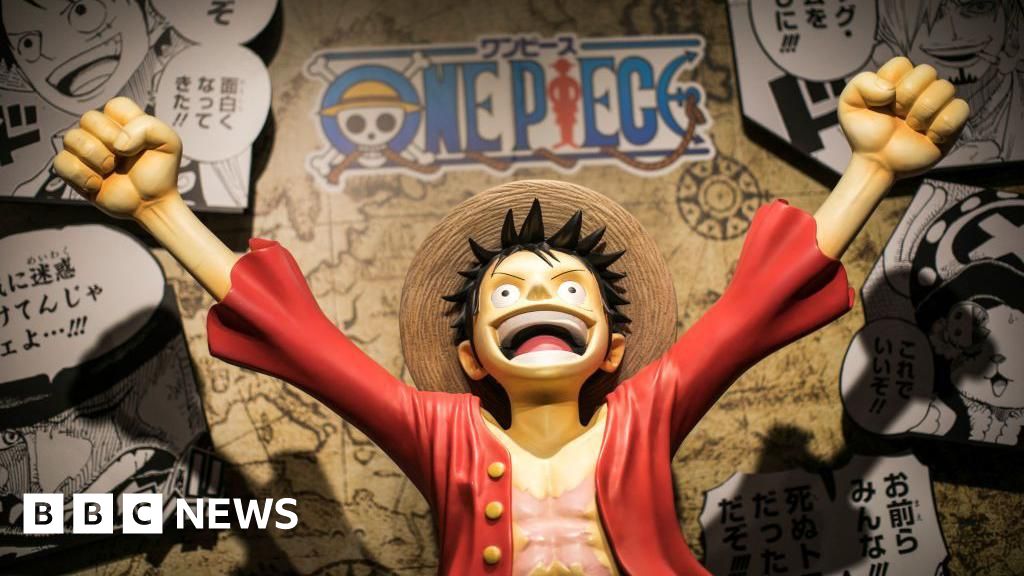
When an Anime Anthem Meets Real-World Politics
According to reporting from outlets such as BBC News, multiple Japanese music and anime-related events in Shanghai were suddenly cancelled, one of them literally mid-song. Fans describe the decision as “rude” and “extreme,” especially given that many had traveled, booked hotels, and queued for hours to see artists they usually only encounter via anime openings and livestreams.
The incident lands at a sensitive moment in China–Japan cultural relations, where everything from gaming collaborations to idol tours can unexpectedly collide with nationalist sentiment, online outrage campaigns, or shifting local regulations.
Who Is Maki Otsuki—and Why This Hits Anime Fans So Hard
For anime fans, Maki Otsuki isn’t just another touring artist; she’s the voice behind “We Are!”, the first opening theme of One Piece. The track has been etched into the collective memory of a generation that grew up with Luffy’s pirate dreams and Shonen Jump optimism.
In the broader J‑pop and anisong ecosystem, Otsuki represents a bridge between classic late‑90s/early‑2000s anime culture and today’s global fandom, where One Piece concerts, symphonic performances, and theme song revivals regularly sell out across Asia and beyond.
“For many fans in China, hearing ‘We Are!’ live is like revisiting the dawn of their anime fandom.”
That emotional investment helps explain why the mid-performance stoppage feels, to many, like more than a scheduling adjustment. It reads as a disruption of something deeply personal and nostalgic.
What Actually Happened in Shanghai? Sudden Cancellations and a Mid-Song Stop
Reports indicate that in Shanghai, several Japanese music events—including concerts tied to anime and pop culture—were abruptly cancelled. In Otsuki’s case, the plug was reportedly pulled mid-song, leaving the audience stunned as staff signaled for the show to end.
- Events had been officially promoted and scheduled in advance.
- Fans had already entered venues and some shows had begun.
- Cancellations were announced without detailed public explanations.
- Social media in China and Japan quickly filled with clips and reactions.
While official, comprehensive explanations remain limited or carefully phrased, local commentary and online speculation connect the cancellations to heightened geopolitical sensitivities and a desire to avoid anything that could ignite fresh controversy.
“Stopping a show halfway is just disrespectful to both the artist and the audience,” one fan wrote on Chinese social media, reflecting a common sentiment in reaction threads.
Regardless of the internal reasoning, the optics are harsh: a beloved Japanese artist, interrupted on stage, in a city that has otherwise embraced Japanese pop culture for decades.
Nationalist Sentiment and the Politics of Pop Culture
These cancellations arrive amid a climate where nationalist discourse in parts of East Asia is never far from the surface. Friction between China and Japan—over history, territory, or current diplomatic disputes—can quickly spill into arenas that once felt apolitical, like anime conventions, game collaborations, and idol tours.
Online, the reaction has been mixed:
- Angry fans decry the move as “rude” and “extreme,” arguing that art and fandom should stay separate from politics.
- More nationalist voices frame the cancellations as a principled stance, even if they acknowledge the collateral damage to ordinary fans.
- International observers see the episode as another data point in the politicization of cross-border entertainment.
In practice, entertainers become symbolic stand-ins for their home countries, whether they want to or not. That’s particularly true for Japanese artists whose work is iconic enough to carry the weight of “soft power”—and few franchises have that weight like One Piece.
Fans Caught in the Middle: “Rude,” “Extreme,” and Emotionally Exhausting
What stands out in coverage and social media reactions is just how personal this feels for fans. They’re not debating abstract policy; they’re discussing wasted leave days, non-refundable travel, and the gut punch of hearing a favorite song cut off halfway.
- Chinese fans emphasize their long-standing support for Japanese anime, J‑pop, and anisong.
- Japanese fans express worry that artists will avoid China altogether, shrinking the touring map.
- International fans see the episode as another reminder that cross-border fandoms are structurally fragile.
“We paid, we queued, we sang along—and then it was over. It felt like we were being punished for something we didn’t do,” one attendee posted, in a comment widely shared on fan forums.
For many, the incident also cuts against the very spirit of One Piece, a series about friendship across borders, unlikely alliances, and fighting systems that crush individual dreams. Having a One Piece theme silenced by geopolitical anxiety is almost too on-the-nose for comfort.

Industry Fallout: What This Means for Japanese Acts Touring China
Behind the emotion lies a tough, pragmatic question for the entertainment industry: How risky is it now for Japanese artists to tour China? Promoters, agencies, and labels are watching this closely.
- Risk Calculus Changes: Even sold-out shows can be yanked, which complicates logistics, insurance, and budgets.
- Soft Power vs. Safety: Japanese companies value the Chinese market, but not at the cost of repeated public fiascos.
- Shift to Online: More artists may lean harder into livestreams, global digital releases, and fan events that don’t require physical presence.
It also feeds into a wider conversation about censorship, vetting, and vetting of foreign acts in major Chinese cities. When even relatively apolitical performers can see their shows cut short, promoters may narrow lineups to “safe” domestic acts or long-established partners with deeply embedded local operations.
How Media and Critics Are Framing the Shanghai Cancellations
International outlets like the BBC have framed the Shanghai episode as part of a broader cooling in China–Japan relations, pointing out how even seemingly niche entertainment events are now scanned for political risk.
Some critics argue that the sudden cancellations are less about any single artist and more about signaling—reminding foreign performers that their access to Chinese stages is conditional and revocable.
Cultural critics in the region, meanwhile, are split. Some see the incident as an inevitable byproduct of a tense geopolitical era; others warn that weaponizing pop culture in this way risks long-term damage to cultural diplomacy and mutual understanding.

Strengths, Weaknesses, and What This Episode Reveals
Judging this as a “performance” of cultural diplomacy, a few things stand out.
What This Incident Highlights Well
- The power of anime music: An old opening song from One Piece still commands enough affection to cause international headlines when it’s interrupted.
- The visibility of fan frustration: Social platforms now ensure that awkward incidents don’t stay local for long.
- The precarity of cross-border touring: Even established artists and markets can become unstable overnight.
Where It Falls Short
- Lack of transparency: Vague or delayed explanations deepen mistrust among fans, artists, and promoters.
- Disregard for audience experience: A mid-song cutoff feels like a worst‑case scenario for live event etiquette.
- Collateral damage to cultural exchange: Short-term political signaling risks long-term erosion of trust and cooperation.
What Happens Next for One Piece Fans and Cross-Border Concerts?
Looking ahead, it’s likely that Japanese acts and Chinese promoters will take a more cautious approach. That could mean tighter vetting, more behind-the-scenes negotiation, or simply fewer tours until the political temperature drops.
For fans, the lesson is sobering: even something as seemingly universal as belting out “We Are!” in a packed venue is now subject to shifting diplomatic winds. Yet the sheer volume of support for Otsuki, and the swift outcry over how the show ended, also suggests that fan solidarity still cuts across borders and algorithms.
In a way, the most One Piece-appropriate response might be the one you see from many disappointed attendees: frustration, yes—but also an insistence on keeping the community alive, sharing clips, memories, and fan art while hoping the next time the music starts, it’s allowed to finish.