
NPR’s 2025 U.S. Travel Guide: Quirky Festivals, Hidden Towns, and Road Trip Gold
NPR’s 2025 U.S. travel guide is basically a curated highlight reel of where the network’s staff actually went this year—on assignment and on their own time. From a hands-on Mardi Gras workshop to a festival devoted to the mythical Mothman, the guide reads like a love letter to American weirdness, beauty, and the in‑between places you usually just speed past on the interstate.
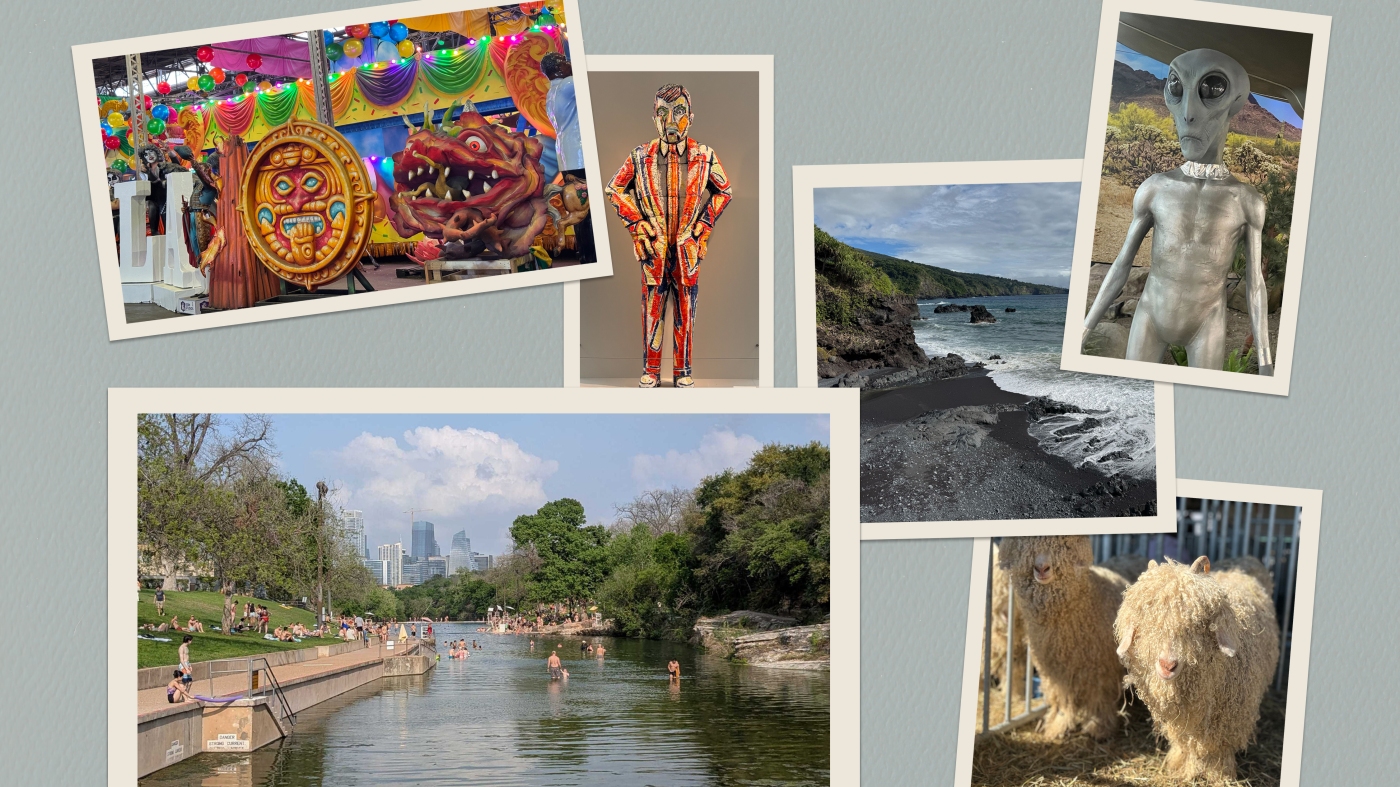
What makes this Where we went: NPR's U.S. travel guide for the curious compelling isn’t just the destinations, but the sensibility behind them: an insistence that culture lives as much in parade warehouses and roadside cryptid festivals as it does in big‑ticket landmarks.
NPR’s Travel Guide in Context: Journalism Meets Road Trip Itinerary
NPR has always blurred the line between travel and storytelling. Long before TikTok turned every scenic overlook into content, NPR reporters were filing pieces from shrimp boats, border towns, and late‑night diners. This 2025 guide extends that tradition: it’s part service journalism, part road diary, and part cultural anthropology.
The framing—“for the curious”—is important. This isn’t about hitting all 63 national parks or checking off top‑10 lists; it’s about following threads of culture, history, and sheer oddity. The destinations NPR staff picked say as much about the network’s editorial DNA—attentive, slightly nerdy, deeply into local nuance—as they do about the places themselves.
From the Studio to the Street: Inside a Mardi Gras Workshop
One of the standout vignettes in NPR’s 2025 travel guide involves a Mardi Gras workshop—a look not at the parades we all see on TV, but the labor and artistry that happen months before beads ever hit Bourbon Street. Think welders, costume designers, papier‑mâché savants, and generations of Black and Creole families who keep the culture alive.

Instead of treating Mardi Gras as a generic party, NPR’s angle situates it as a living, local industry. We’re reminded that those floats are small businesses on wheels, that “tradition” is often held together by long nights, side hustles, and hot glue.
“If you only show up on Fat Tuesday, you’re seeing maybe ten percent of the story,” one float builder tells NPR. “The rest of it happens when nobody’s watching.”
As a piece of travel guidance, this is canny: it nudges listeners away from passive tourism and toward participation—paying for a workshop, touring a krewes’ warehouse, supporting the artisans whose work props up the spectacle.
Chasing Cryptids: The Mothman Festival and America’s Love for the Weird
On the other end of the spectrum from historic Mardi Gras culture, NPR’s staff also turned up at a festival celebrating the mythical Mothman—one of those cryptids that live in the overlap between folklore, conspiracy forums, and souvenir T‑shirts.

The Mothman Festival, held in Point Pleasant, West Virginia, is part street fair, part fan convention, part group therapy for people who like their tourism with a side of urban‑legend camp. NPR leans into the anthropological angle: why do people show up year after year to celebrate a winged humanoid that probably doesn’t exist?
“We’re here for the monster,” one festival‑goer laughs in NPR’s piece, “but we stay because this is the only place where it feels normal to believe in something this weird.”
In a media landscape where travel content often flattens every place into “vibes,” this kind of coverage respects the local in‑jokes and self‑awareness. NPR doesn’t mock the festival; it treats it as a window into how small towns reinvent themselves through myth and fandom.
Balancing Big Landmarks with Backroads: How the Guide Curates the Map
The 2025 guide isn’t all eccentric festivals. NPR staff also clocked time at famous landmarks and classic tourist draws—think national parks, iconic skylines, and music pilgrimage sites—though the piece emphasizes how these can feel different when approached through a reporter’s lens.
The mix matters. Travel media often splits into two extremes: glossy, heavily sponsored “top 10” lists, and ultra‑niche blogs that assume you already know the big hits. NPR finds a middle path: it acknowledges the classics while making room for offbeat detours and seemingly ordinary towns that happen to reveal something about the country right now.
- Big‑name stops give listeners shared reference points and visual shorthand.
- Smaller towns and events deliver the unexpected stories that justify going beyond the airport‑hotel‑conference loop.
- Reporter‑driven choices keep the list from feeling like it was spit out by a recommendation algorithm.
Storytelling as Travel Advice: What NPR Does Differently
As a piece of entertainment and culture writing, the travel guide leans into NPR’s core strengths: character‑driven anecdotes, carefully observed details, and a sensitivity to how politics, economics, and identity shape even the most casual road trip.
Instead of ratings or star‑scores, each entry is framed around why a place mattered to the person who went there—what they learned, who they met, what surprised them. The result feels more like swapping stories with well‑traveled friends than being lectured by a guidebook.
“The goal isn’t to tell you where you should go,” one editor notes, “it’s to show you where a story pulled us—and why it might be worth your time, too.”
For listeners and readers used to NPR’s shows—All Things Considered, Morning Edition, the podcast ecosystem—this guide translates that same narrative DNA into travel inspiration.
Strengths, Blind Spots, and How to Actually Use This Guide
As a cultural artifact, Where we went: NPR’s U.S. travel guide for the curious is both refreshingly specific and undeniably partial. It’s a snapshot of where one newsroom’s staff happened to go in 2025—not a definitive atlas of American travel.
What the guide does well
- Centers curiosity over consumption: Places are chosen for stories, not just for Instagram potential.
- Elevates under‑the‑radar events: From artisan workshops to festivals, it highlights micro‑cultures mainstream travel media often ignores.
- Connects destinations to broader issues: Segments subtly nod to labor, climate, race, and regional politics without turning into lectures.
Where it’s limited
- Geographic gaps: Coverage inevitably clusters where NPR has stronger local member stations or recent reporting priorities.
- Accessibility details: The narrative format sometimes glosses over practical accessibility info that disabled travelers rely on.
- Budget transparency: While not luxury‑obsessed, the guide doesn’t always spell out costs, which matters more than ever in 2025’s price‑spiky travel economy.
The best way to use it is as a spark, not a script: pull one festival, one workshop, and one “obvious” landmark, then stitch them together into a trip that reflects your own interests and constraints.
Where to Read, Watch, and Listen: NPR’s Guide and Beyond
The full feature—Where we went: NPR's U.S. travel guide for the curious—is available on NPR’s site, paired with audio segments and photos from across the country. For deeper dives into specific stops, many locations double as datelines for recent NPR stories and podcasts.
- NPR – Official Site
- NPR Travel & Culture Coverage
- NPR News on IMDb (for broadcast credits and background)
Why NPR’s 2025 Travel Guide Matters in a Crowded Recommendation World
In an era when your phone will happily generate a “perfect” itinerary in three seconds, NPR’s U.S. travel guide for the curious feels intentionally human. It’s messy, subjective, sometimes oddly specific—and that’s its charm. Every stop comes with a story, not just a pin on the map.
If you’re planning a 2026 road trip, it’s worth skimming the guide not as a checklist, but as a reminder of what travel can be when you let questions, not algorithms, set your route: Who built this? Why do people gather here? What’s the weirdest festival in a hundred‑mile radius? Those are the questions this guide quietly teaches you to ask.
