
Nicki Minaj’s Trump Pivot: Why Her Turning Point USA Shout-Out to Trump and Vance Matters for Pop Culture and Politics
Nicki Minaj, Trump, and the New Culture War Photo Op
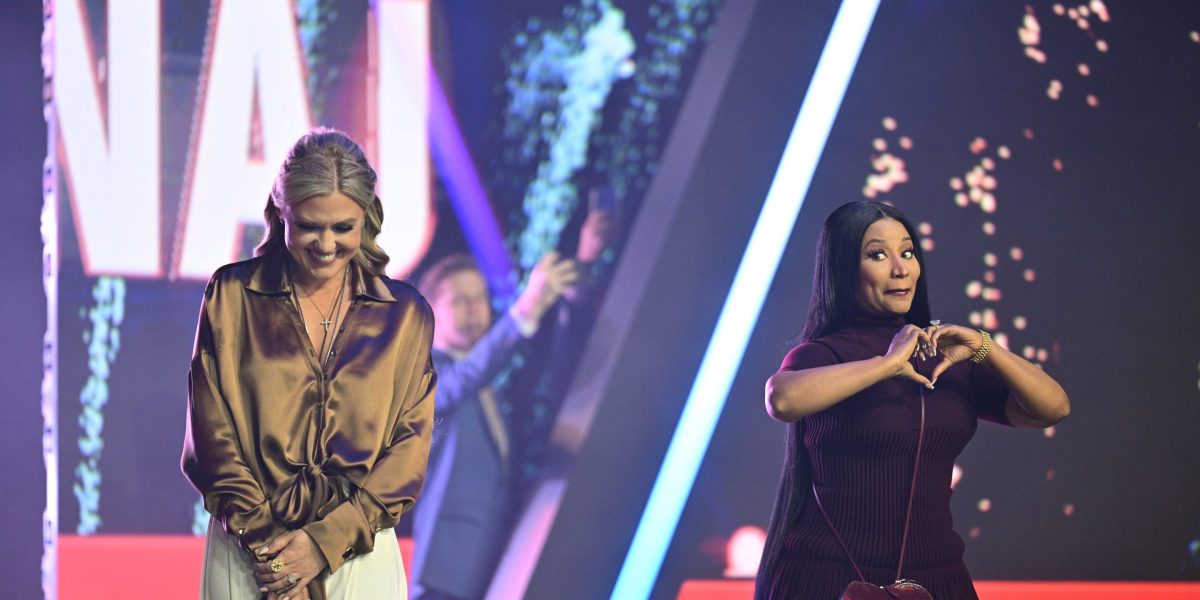
Nicki Minaj’s surprise appearance at Turning Point USA’s AmericaFest convention—where she called Donald Trump and J.D. Vance “role models” for young men—wasn’t just another celebrity headline. It was a flashpoint where hip-hop, MAGA politics, influencer conservatism, and the current anxiety over young male identities all crashed into each other on the same stage.
Interviewed by Erika Kirk (widow of conservative activist Charlie Kirk), Minaj framed her newly declared support for Trump—whom she had previously criticized—as a response to how he and Vance resonate with young men who feel sidelined. The moment says as much about the entertainment industry’s evolving relationship with politics as it does about the 2024‑era right wing’s craving for star power.
From “Barbie Dreams” to MAGA Dreams: How Did We Get Here?
Nicki Minaj has never been apolitical, but she’s also never been a straightforward partisan mascot. Over the years, she’s alternated between criticizing and flirting with political figures, from pointed lyrics about systemic racism to more chaotic moments on social media where she’s questioned establishment narratives.
Her previous comments about Trump leaned critical, in line with much of the music industry. Yet the seeds of this pivot were already visible during the pandemic, when she publicly clashed with mainstream media over vaccine discourse and signaled a growing suspicion of institutional power—fertile ground for right‑wing media ecosystems that thrive on anti-establishment rhetoric.
- Minaj’s brand: hyper‑confident, anti‑censorship, combative with critics.
- Trump’s brand: grievance‑driven populism, anti‑elite messaging, “say what I want” swagger.
- Vance’s brand: anti‑woke, working‑class messaging with a focus on men and family decline.
Put all that together, and it’s not shocking that AmericaFest organizers saw Minaj as a perfect crossover guest: a global superstar with a fiercely loyal fanbase—the Barbz—who already understand culture as a battleground.
“Role Models” for Young Men: What Minaj Actually Said
On stage with Erika Kirk, Minaj framed Trump and Vance not just as politicians, but as figures young men can see themselves in.
“Both of them have a very uncanny ability to be someone that you relate to.”
That word—relate—is key. She wasn’t praising policy specifics so much as affect and persona. To her, they project a kind of unapologetic masculinity that reads as both rebellious and emotionally legible to young men who feel culturally out of step.
In the current discourse around “lost boys,” incels, manosphere influencers, and the supposed crisis of masculinity, calling Trump and Vance “role models” plays into a larger right‑wing narrative: that conservative politics are offering disaffected young men a sense of purpose and identity that mainstream institutions are failing to provide.

Hip-Hop, Populism, and the Right-Wing Celebrity Moment
Minaj is far from the first major artist to cross political streams with the right. Kanye West’s public closeness to Trump, Ice Cube’s policy conversations, and Lil Wayne’s photo‑ops have all chipped away at the old assumption that the entertainment world is a monolithic, reliably liberal bloc.
For conservative groups like Turning Point USA, the playbook is clear: you may not win the Grammys, but you can win TikTok and YouTube. Booking Minaj is a power move that:
- Legitimizes the event as culturally relevant, not just politically niche.
- Signals to young voters that conservatism isn’t “uncool.”
- Turns every clip, selfie, and quote into endless social‑media content.
At the same time, the optics are complicated. Hip‑hop as a genre grew up critiquing policing, inequality, and state power. Watching one of its biggest stars praise a former president who inspired intense backlash from many Black and immigrant communities is, for some fans, cognitive dissonance. For others, it’s proof that no political party owns the culture anymore.
Barbz vs. the Algorithm: Fan Reactions and Online Fallout
Whenever a major pop star makes a political move, the fanbase becomes the first focus group. Nicki’s fandom is famously intense and deeply online, and their reactions to her Turning Point USA comments span the spectrum.
- Ride‑or‑die defenders who insist that supporting Nicki means respecting her political choices or at least separating art from politics.
- Disappointed fans who see the Trump/Vance praise as incompatible with their own values and feel politically alienated.
- Detached stans who treat it as a PR spectacle and focus on memes, outfits, and clips rather than substance.
This is where social media shapes not just reaction, but reality. Clips of Minaj’s “role models” line are instantly chopped, remixed, and weaponized by political accounts on both sides—some framing her as a truth‑telling rebel, others as a sellout or a pawn.
Reading the Moment: Strengths, Weaknesses, and What It Signals
If you treat Minaj’s AmericaFest appearance like a “performance” in the broader entertainment‑politics universe, it has clear strengths and weaknesses.
What works about Minaj’s AmericaFest turn
- Authentic to her persona: She’s always been confrontational and willing to zig where others zag. A controversial political stance fits her public identity.
- Cultural leverage: She forces political media and entertainment media to talk to each other, proving that celebrity endorsements still matter in a fragmented landscape.
- Spotlight on young men: Whether you agree with her or not, pointing to young men’s disconnection taps into a real, ongoing cultural conversation.
Where it falls flat or risks backlash
- Ambiguous on substance: Calling Trump and Vance “relatable” role models without engaging with their actual records leaves the praise floating in vibes‑only territory.
- Fanbase fragmentation: For a global artist with a diverse audience, leaning into polarizing figures risks long‑term brand fatigue, even if short‑term attention spikes.
- Instrumentalization risk: Right‑wing groups get a major PR win, while Minaj’s actual perspectives on policy or social issues may be flattened into a single headline.
3.5/5 as a political‑pop culture crossover: undeniably effective at grabbing attention and reshuffling narratives, but thin on policy clarity and heavy on spectacle.
Where This Fits in 2020s Entertainment Politics
Minaj’s comments land in a decade where celebrity politicking has gone from rare novelty to background noise. But this isn’t just about another endorsement; it’s about the migration of political discourse into the spaces once reserved for album rollouts, tour announcements, and gossip columns.
The entertainment‑politics mash‑up now runs in both directions:
- Politicians chase the aesthetics of pop tours and influencer campaigns.
- Artists tap political controversy as a way to extend their cultural relevance beyond music charts.
Coverage from outlets like Fortune and political entertainment analysis on sites such as IMDb–adjacent blogs or YouTube commentary channels underscores how blurred these lanes have become.
So What Now? Why This Moment Won’t Be the Last
Nicki Minaj calling Donald Trump and J.D. Vance “role models” for young men at Turning Point USA is less a bizarre one‑off than a preview of where political culture is headed: more celebrity‑driven, more emotionally framed, and more focused on identity—especially young male identity—than on line‑by‑line policy.
Whether you see her move as bold authenticity, strategic branding, or a misread of the stakes, it reflects a deeper shift: campaigns and movements now understand that winning the culture war often means booking the headliner before writing the platform.
Expect more of this. More pop stars at conventions, more politicians courting fandoms, and more nights where the question isn’t just “Who are you voting for?” but “Whose story about you—your gender, your class, your future—feels the most relatable?” On that stage, at least for one night, Nicki Minaj decided the answer was Trump and Vance.
