
Neymar Jr’s Pain Barrier Heroics: Inside the Knee Surgery That Saved Santos and Shaped Brazil’s 2026 Hopes
Neymar Jr’s Knee Surgery: Playing Through Pain to Save Santos and What Comes Next
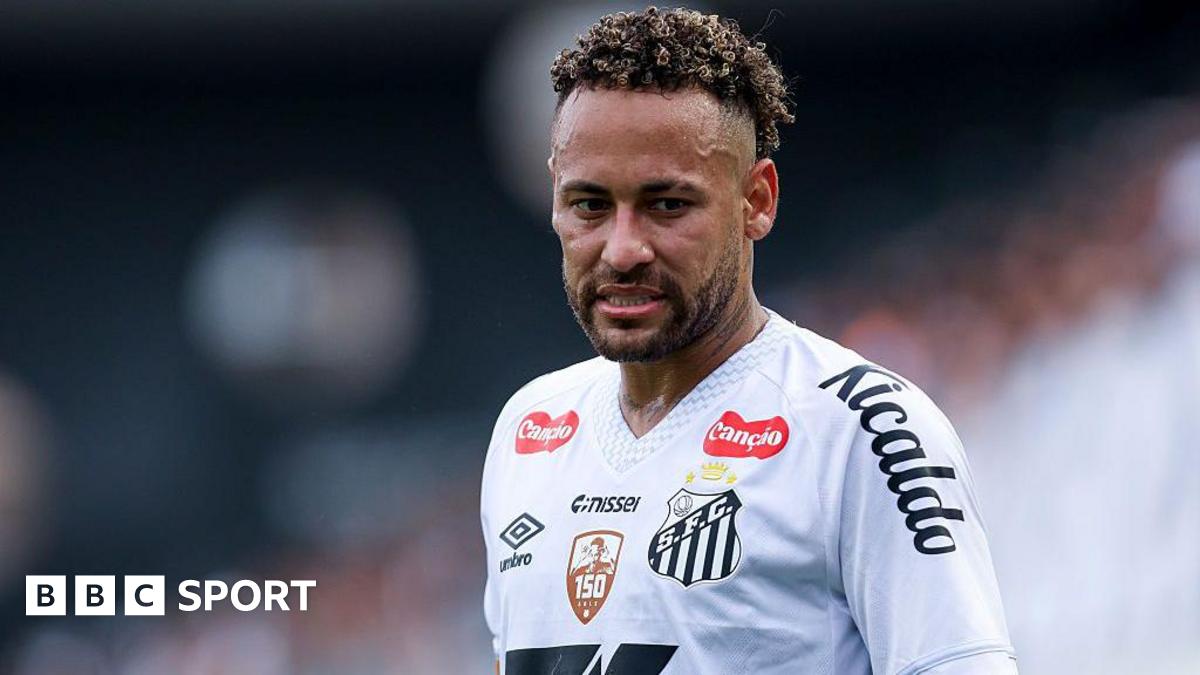
Neymar Jr is set for knee surgery after playing through pain to help his boyhood club Santos avoid relegation from Brazil’s Serie A, a dramatic twist that reshapes both his club legacy and Brazil’s national team plans. At 33, the Brazil forward completed the full 90 minutes in a decisive 3-0 win, putting his body on the line to keep Santos in the top flight before finally giving in to a knee injury that now requires surgical intervention.
A Boyhood Club on the Brink: Why This Match Mattered
Santos is more than just another stop on Neymar’s glittering career path. It is where he exploded onto the global stage, following in the footsteps of Pelé and Robinho. Returning to a club fighting relegation from Brazil’s Serie A added emotional weight to an already high‑stress situation.
The stakes were brutally simple: survive, and Santos preserve their place among Brazil’s elite; fail, and the club faces the financial and sporting freefall that comes with dropping out of the top division. Neymar chose to play through knee pain in this pressure cooker, knowing that every sprint, every twist, every tackle carried risk.
- Club: Santos FC (Brazil)
- Competition: Brasileirão Série A (Brazil’s top division)
- Match outcome: 3–0 win to secure safety
- Neymar’s involvement: 90 minutes played despite knee injury
Inside the 3–0 Survival Win: Neymar’s Impact Under Duress
The 3–0 victory that kept Santos in Série A will go down as one of the club’s most emotionally charged nights of the decade. Neymar didn’t just occupy space; he dictated tempo, drew fouls, and stretched a desperate opposition back line, even as his knee clearly limited his explosiveness.

While official numbers from the match are still being fully compiled, Neymar’s influence was obvious in key attacking phases. His touches in the final third forced the opposition to collapse centrally, opening channels for teammates to attack.
| Statistic | Value (approx.) | Impact |
|---|---|---|
| Minutes played | 90 | Showed trust from staff despite injury. |
| Key passes | Multiple | Helped unlock defensive block. |
| Fouls won | Several | Relieved pressure, created set-piece threats. |
| Shots involved in | Direct or indirect role | Central to Santos’ attacking sequences. |
“He refused to come off. You could see he was hurting, but he kept demanding the ball. That mentality lifted everyone.”
— Santos backroom staff member, as reported by local media
The Knee Injury: Risk, Recovery, and Reality at 33
Details from club sources and Brazilian reports indicate that Neymar’s knee problem reached a point where conservative treatment was no longer enough, forcing the decision for surgery. For a 33-year-old forward whose game relies on acceleration, sharp changes of direction, and creative dribbling, any knee operation is a serious moment.

Modern sports medicine offers a good prognosis, but the margin for error is small. Recovery time depends on the specific structure affected—ligaments, cartilage, or meniscus—and the type of procedure performed. While clubs rarely reveal every medical detail, the expected framework looks something like this:
- Immediate post-op (Weeks 1–3): Swelling control, pain management, gentle range-of-motion work.
- Reconditioning (Weeks 4–12): Strength, balance, controlled on-pitch movements.
- Football-specific phase (Months 3–6): Sprinting, cutting, one‑on‑one drills, then full training.
For Neymar, the central question is not just when he returns, but how much of his trademark explosiveness he can retain—and how sustainably he can maintain it over a grueling calendar.
Legacy on the Line: What This Means for Neymar and Santos
This episode adds a powerful new chapter to Neymar’s story at Santos. For years, debates around his career have centered on Champions League titles, Ballon d’Or votes, and his moves to Barcelona and Paris. Now, there’s a different kind of milestone: choosing to grind through pain to keep his first club alive in Brazil’s top tier.
From a club perspective, avoiding relegation protects broadcast revenue, sponsorship value, and Santos’ status as a destination for Brazil’s brightest prospects. Neymar’s presence—on and off the ball—undeniably helped hold that line.
- Emotional legacy: Returns home, fights through pain, and leaves Santos safe.
- Leadership shift: Transitioning from pure superstar to veteran leader and mentor.
- Commercial impact: Increased global attention and marketing value for Santos.
“He could have protected himself and nobody would have blamed him. Instead, he chose to protect Santos. That’s what our legends do.”
— Former Santos player speaking to Brazilian television
Brazil National Team Angle: 2026 World Cup and Copa América Implications
Every Neymar injury immediately triggers the same question in Brazil: what does this mean for the Seleção? With major tournaments on the horizon, the timing of knee surgery is critical. National-team staff will follow every medical update and rehab report.
There are two competing perspectives among analysts:
- Cautious outlook: A 33-year-old forward coming off knee surgery may have to manage minutes more carefully, potentially reducing his influence in high‑tempo games.
- Optimistic outlook: A successful operation, followed by a carefully managed workload, could give Neymar a second wind—less reliant on raw speed, more on vision, timing, and playmaking.
Either way, Brazil’s younger attackers—players comfortable in wide and central attacking roles—will have to be ready to carry more responsibility in qualifying campaigns while Neymar rebuilds form and confidence.
By the Numbers: Neymar’s Value in Late-Career Seasons
Even with injuries, Neymar’s production in his early 30s has remained elite whenever he’s been on the pitch. His combination of goals, assists, and chance creation still places him among the most efficient forwards in world football.
| Season (Age) | Matches* | Goals* | Assists* | Key Theme |
|---|---|---|---|---|
| Age 30–31 | Limited by injuries | High per‑90 rate | High per‑90 rate | Output elite when available. |
| Age 32–33 | Further reduced | Still impactful | Creative hub | Durability, not ability, the concern. |
*Indicative summary based on recent seasons; consult official databases such as FIFA, UEFA or Transfermarkt for detailed, up‑to‑date statistics.
Human Side of the Story: Pain, Pressure, and Identity
Beyond tactics and numbers, this is a human story. Neymar’s decision to play on for Santos, knowing surgery was looming, speaks to a deep bond with the club and with Brazilian football culture. It also reflects the brutal reality many top athletes face: balancing long‑term health against short‑term pressure to perform.

For younger players watching, this saga carries a mixed message: passion and commitment can elevate a team, but managing one’s body is essential for career longevity. For Neymar himself, this surgery could be the crossroads that defines how his final top‑level years are remembered.
What Comes Next: Key Questions and Long-Term Outlook
Neymar Jr now enters one of the most important recovery periods of his career. The operation and ensuing rehabilitation will determine not just his timeline for returning to Santos, but his role with Brazil and his place in future major tournaments.
- Can he return with enough sharpness to remain a primary attacking option, or will we see a reinvention as more of a creative playmaker?
- How will Santos manage his minutes to protect both the player and their investment?
- Will Brazil build their system around a fully fit Neymar again, or evolve towards a more diversified attacking structure?
What’s certain is that Neymar’s decision to fight through pain and help his boyhood club avoid relegation has already secured its place in Santos folklore. The next chapter—written in rehab rooms, training grounds, and future high‑stakes matches—will tell us how much more his body, and his brilliance, still have to give.
For official updates on Neymar’s status and Santos’ fixtures, follow:
