
New York’s Record Flu Surge: What It Means for You and How to Stay Safe This Season
New York is facing a record-breaking flu season, with more than 71,000 cases reported in a single week and over 15,000 on Long Island alone. For many families, it feels like everyone knows someone who is sick, waiting at urgent care, or scrambling to find an available appointment.
If you’re worried about how to protect yourself, your kids, or aging parents, you’re not alone. A severe flu season can strain hospitals, disrupt work and school, and add anxiety on top of everything else. The good news: while we can’t eliminate risk, there is a lot you can do—grounded in solid science—to lower your chances of getting very sick and to help protect your community.
In this guide, you’ll learn what’s driving this intense flu wave, how to recognize symptoms early, and the most effective, realistic steps to protect yourself and those you care about.
What the Record-Breaking Flu Numbers in New York Really Mean
New York State health officials reported 71,123 flu cases in a single week ending Dec. 20—more than any week since influenza became a reportable disease in 2004. Long Island alone accounted for over 15,000 of those cases, underscoring just how concentrated the surge is in some communities.
- High transmission: Flu is spreading rapidly in households, workplaces, and schools.
- Strain on healthcare: Emergency departments, urgent cares, and clinics may have longer waits.
- Higher risk for vulnerable people: Older adults, very young children, pregnant people, and those with chronic conditions face greater risk of complications.
“When we see numbers like this, it’s a signal that community transmission is extremely intense. That’s when everyday prevention steps—flu shots, staying home when sick, masks in crowded indoor spaces—can make a meaningful difference in outcomes.”
— Infectious disease specialist, academic medical center in New York
Importantly, record case counts don’t mean everyone will have a severe illness. Many infections remain mild to moderate—unpleasant, but manageable at home. The public health concern is the sheer volume of cases, which increases the number of people who will develop pneumonia, require hospitalization, or—tragically—die from flu complications.
Why This Flu Season Is So Intense: Key Drivers Behind the Surge
Severe flu seasons usually result from a mix of factors rather than a single cause. While details evolve each year, several common themes explain why a season like this one can hit New York so hard:
- Timing and overlap with other viruses
Flu season often overlaps with RSV and COVID-19. When multiple viruses circulate at once, more people get sick, and hospitals feel the strain. Co-infections—having flu plus another virus—can sometimes lead to more severe disease. - Indoor, close-contact environments
Cold weather pushes people indoors, where ventilation is often poor. Schools, offices, public transit, and crowded events all become easier places for flu to spread via droplets and aerosols. - Immunity gaps
If fewer people were exposed to flu in recent years, or if vaccination rates drop, more people are susceptible at the same time. That “immunity gap” can fuel a big surge when a contagious strain circulates. - Viral changes
Influenza viruses constantly evolve. Some seasons, the strains circulating in the community are a closer—or less close—match to vaccine strains. When the match is weaker, more breakthrough infections can occur, though vaccines still tend to reduce severity.

Flu Symptoms vs. a Common Cold: How to Tell the Difference
During a heavy flu season, every sniffle feels suspicious. While only testing can give a clear answer, certain patterns can help you distinguish flu from a typical cold.
| Feature | Flu (influenza) | Common cold |
|---|---|---|
| Onset | Sudden—often within hours | Gradual over a day or two |
| Fever | Common, can be high (100–104°F / 37.8–40°C) | Uncommon or low-grade |
| Body aches | Often severe | Mild |
| Fatigue | Marked; can last weeks | Milder, shorter |
| Cough / sore throat | Common, often dry cough and throat pain | Common but usually milder |
Flu can escalate quickly. If you or a family member develops sudden high fever, severe body aches, and profound fatigue—especially with underlying conditions like asthma, heart disease, or diabetes—talk with a healthcare professional promptly. Antiviral medications work best when started within the first 48 hours.
Practical, Evidence-Based Steps to Protect Yourself This Flu Season
You can’t control community case counts, but you can significantly influence your personal risk. The following layered strategies work best when combined—think “Swiss cheese model,” where overlapping slices cover each other’s holes.
1. Get (or update) your flu shot if it’s still available
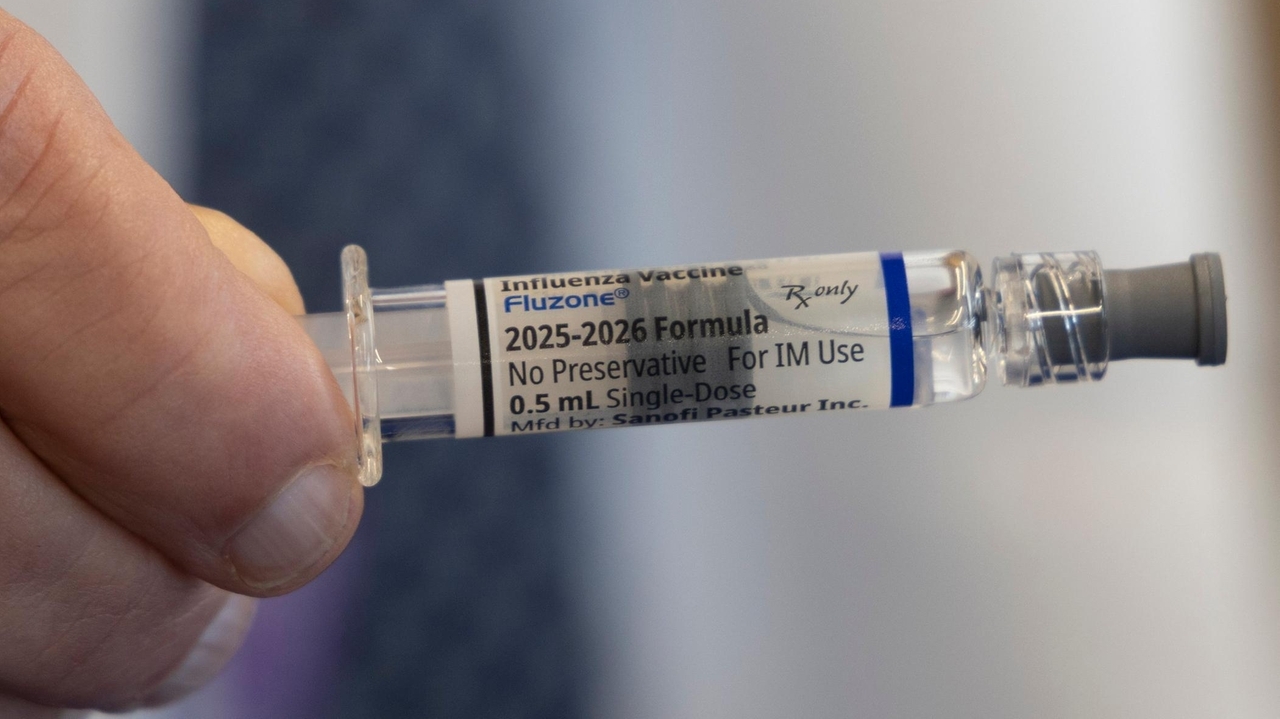
The flu vaccine remains the single most important tool we have to prevent severe outcomes. Even during a rough season, it can:
- Lower your risk of getting sick at all
- Reduce how severe your illness is if you do get flu
- Decrease your chance of hospitalization and complications
If you’re unsure whether it’s “too late,” it usually isn’t. As long as flu is circulating, there is potential benefit—especially for older adults, people who are pregnant, and those with chronic conditions.

2. Use masks strategically in high-risk settings
Flu spreads via respiratory droplets and aerosols. Wearing a well-fitting mask (such as a surgical mask or respirator like KN95/N95) helps protect both you and those around you, especially:
- On public transit and in rideshares
- In crowded indoor spaces (grocery stores, concerts, busy offices)
- When visiting hospitals, nursing homes, or vulnerable family members
3. Wash or sanitize your hands regularly
Hand hygiene may seem basic, but it meaningfully reduces transmission from contaminated surfaces and close contact:
- Wash with soap and water for at least 20 seconds.
- Use alcohol-based hand sanitizer (at least 60% alcohol) when soap and water aren’t available.
- Avoid touching your eyes, nose, and mouth with unwashed hands.
4. Improve indoor air where you can
Better ventilation and filtration reduce the concentration of virus particles in shared air:
- Crack windows open when feasible, even a few inches.
- Use HEPA air purifiers in high-traffic rooms, especially where vulnerable people spend time.
- Avoid crowded, poorly ventilated spaces when possible.

What to Do If You Get Sick: Home Care and When to Seek Help
Even with every precaution, people still get flu—especially in a season this active. Having a clear plan can reduce stress and help you recover more smoothly.
Essential home-care steps
- Stay home: Rest and avoid work, school, and public spaces to recover and prevent spread.
- Hydrate: Sip water, broth, or electrolyte drinks regularly, even if you’re not very thirsty.
- Manage fever and aches: Use over-the-counter medications like acetaminophen or ibuprofen as directed by your healthcare provider.
- Light nutrition: Eat small, frequent meals or snacks as tolerated.
- Monitor symptoms: Keep an eye on breathing, chest pain, confusion, or signs of dehydration.
When to call a doctor or seek urgent care
Contact a healthcare professional promptly—ideally within 48 hours—if you:
- Are 65 or older, pregnant, very young, or have chronic conditions (like lung or heart disease, diabetes, weakened immunity)
- Experience high fever that doesn’t respond to medication or returns after improving
- Have worsening cough, chest pain, or difficulty breathing
- Feel unusually confused, dizzy, or difficult to wake
In these situations, antiviral medications such as oseltamivir (Tamiflu) may be recommended. They are not magic cures but can shorten illness and reduce the risk of complications when started early.
“During very busy flu weeks, calling ahead or using telehealth can help you access care faster. Many decisions—including whether to prescribe antivirals—can be made based on a careful symptom history, without always needing an in-person visit.”
— Primary care physician, Long Island
Protecting Family and Community During a Record Flu Wave
One of the hardest parts of a severe flu season is worrying about the people you love most. While you can’t control everything, a few thoughtful steps can greatly reduce risk for those around you.
If someone in your home is sick
- Have the sick person, if able, rest in a separate room with good airflow.
- Use separate dishes, towels, and bedding, washed with hot water.
- Everyone in the home should wash or sanitize hands frequently.
- Consider masking indoors, especially when caring for the sick person.
If you care for high-risk individuals
Older adults, immunocompromised people, and those with serious health conditions face higher risks of hospitalization from flu. To help protect them:
- Stay up to date on your own vaccinations, including flu and COVID-19.
- Postpone visits if you have any respiratory symptoms, even if mild.
- Mask during visits when community transmission is high.
- Encourage them to have a plan with their clinician for early antiviral treatment.

Coping with Flu Season Anxiety and Fatigue
After years of navigating respiratory viruses, many people feel emotionally exhausted by yet another “bad season.” It’s understandable to feel anxious, frustrated, or overwhelmed by constant news of record case counts.
- Focus on your circle of control: You can’t change statewide numbers, but you can choose to vaccinate, mask in crowded spaces, and stay home when sick.
- Set news boundaries: Check reliable sources once a day rather than doom-scrolling.
- Keep small routines: Short walks, regular meals, and consistent sleep schedules support both immunity and mental health.
- Stay connected: Use calls or video chats when you’re isolating to avoid feeling alone.
“You don’t have to be perfect to make a real difference. Even partial steps—like masking in the most crowded places or getting your shot this week instead of next month—add up for your health and your community.”
— Behavioral health clinician, New York City
Moving Through a Record Flu Season with Confidence, Not Panic
New York’s current flu surge is serious, and the record-breaking numbers deserve attention. But they do not mean you are powerless. Each dose of vaccine, each day you stay home while sick, each mask you wear in crowded indoor spaces—all of these actions reduce risk for you and the people around you.
If you’ve been meaning to schedule a flu shot, to pick up a few high-quality masks, or to talk with your doctor about a plan for antivirals, consider this your nudge. Small, science-backed steps taken today can pay off in fewer severe illnesses tomorrow.
Your next step:
- Check your flu vaccination status (and that of your household).
- Restock basics: fever reducers, a thermometer, masks, hand sanitizer.
- Write down a simple plan: who you’d call and where you’d go if symptoms start.
With clear information and realistic precautions, you can navigate this flu season with caution—but without constant fear.
