
New Hope for Dementia: How Restoring Brain Blood Flow Could Protect Memory
Restoring Brain Blood Flow in Dementia: What a New Study Really Means for You
Dementia can feel frightening and deeply personal—especially if you’ve watched a parent or partner slowly lose their memory, or you’re starting to worry about your own. A new line of research suggests that, for at least some types of dementia, the problem may begin not only in the neurons themselves but in the blood vessels that nourish them. Scientists have identified a missing lipid—a fat-like molecule—that appears to make brain blood vessels “overactive,” disrupting circulation and starving brain tissue. Even more intriguing, restoring this lipid in laboratory models helped normalize blood flow.
In this article, we’ll unpack what this discovery actually means, how brain blood flow is tied to dementia risk, what is still unknown, and which evidence-based steps you can take today to protect your brain while researchers work toward future treatments.
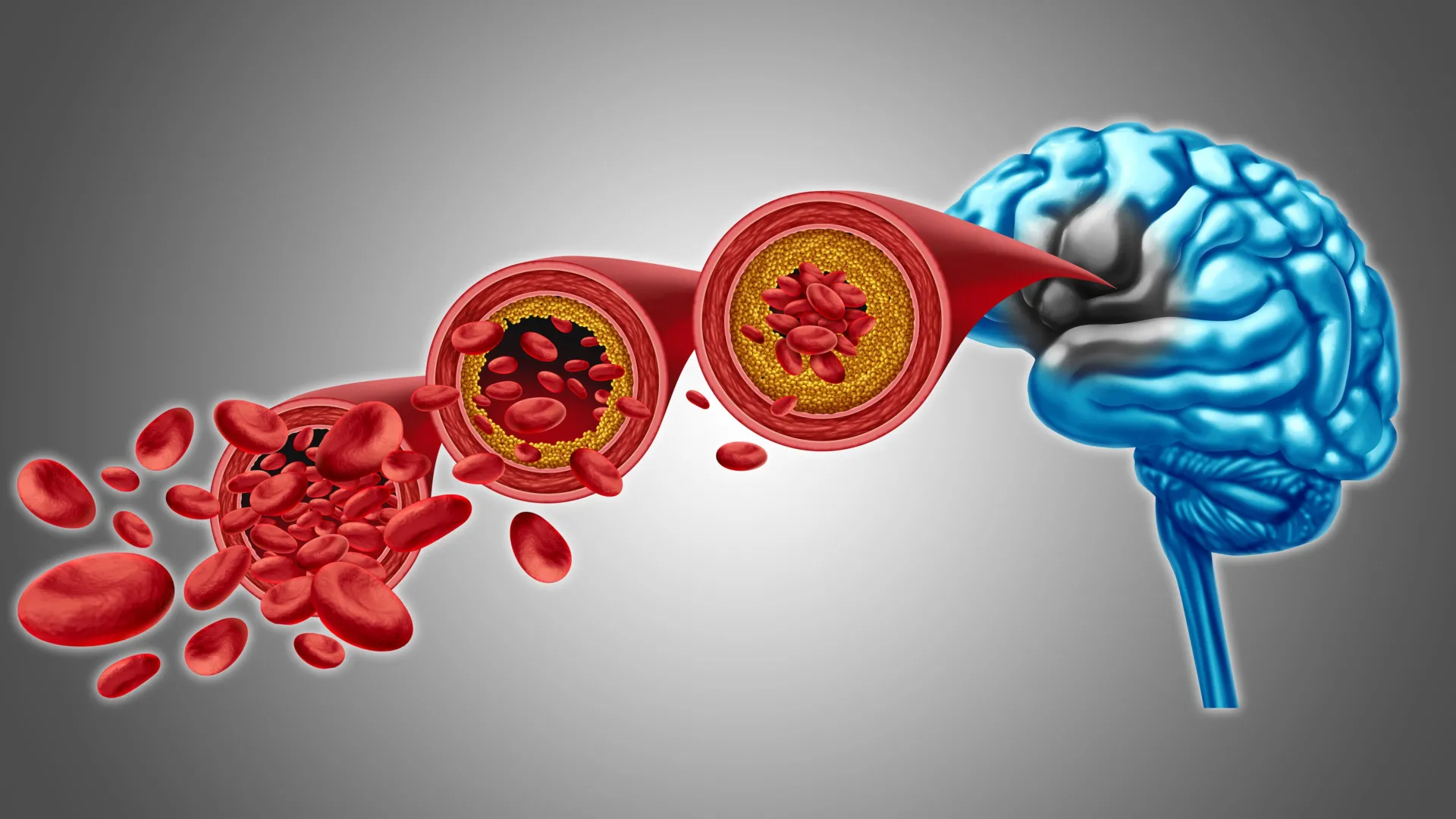
The Problem: When Brain Blood Flow Goes Wrong
Your brain makes up only about 2% of your body weight, but it uses roughly 20% of your oxygen and energy. To keep up, it needs a steady, well-regulated blood supply. When this circulation falters—even slightly and over years—brain cells can become stressed, inflamed, and eventually die. This is one of the core processes behind vascular dementia and can also worsen Alzheimer’s disease.
The recent research, conducted by scientists at the University of Vermont’s Robert Larner, M.D. College of Medicine and summarized by ScienceDaily, suggests that:
- A specific lipid that normally helps regulate blood vessel behavior in the brain is lost or reduced.
- Without this lipid, tiny brain blood vessels become overactive—they constrict and dilate in abnormal ways.
- This overactivity disrupts normal blood flow, leading to areas of the brain that are under-supplied with oxygen and nutrients.
- Over time, this “microvascular chaos” can damage brain tissue and contribute to cognitive decline.
Inside the New Study: Lipids, Blood Vessels, and Dementia Risk
While the full technical details are complex, the core insight is surprisingly intuitive: brain blood vessels need a “brake” system so they don’t overreact to every signal. The missing lipid uncovered in this study appears to be part of that braking system.
- Loss of a key lipid: Researchers found that when levels of this lipid drop, blood vessel cells in the brain lose some of their normal control.
- Overactive vessels: These dysregulated vessels twitch and constrict excessively, leading to uneven and sometimes inadequate blood delivery to certain brain regions.
- Starving brain tissue: Chronic under-supply of blood—what scientists call “hypoperfusion”—can impair neurons, weaken connections between brain regions, and contribute to dementia-like changes.
- Restoring the lipid: In lab models, when researchers restored the missing molecule, blood vessels behaved more normally and blood flow patterns improved.
“A potential new way to treat reduced brain blood flow and certain forms of dementia is beginning to emerge,” the authors note, highlighting this lipid pathway as a promising therapeutic target for future drug development.
This research fits into a growing body of evidence linking microvascular health—especially in the tiny arterioles and capillaries of the brain—to cognitive health later in life. Large epidemiological studies show that conditions that harm blood vessels (like uncontrolled high blood pressure, type 2 diabetes, and smoking) also increase dementia risk.

What This Discovery Means (and Doesn’t Mean) for People Living With Dementia
It’s natural to read headlines about “restoring brain blood flow” and hope for a breakthrough treatment. It’s also easy to feel discouraged when those treatments aren’t available yet. Both reactions are understandable—and both benefit from a clear look at the timeline.
What this research does suggest
- Vascular dysfunction is a key, treatable contributor to certain dementias.
- Specific molecules in blood vessel walls may be targeted by future drugs.
- Improving blood flow could potentially slow or modify the course of disease in some patients.
What it does not mean (yet)
- We do not currently have a medication that restores this lipid in human patients.
- There is no evidence yet that supplementing a particular fat or “brain oil” will replicate this effect.
- This is not a cure for Alzheimer’s or vascular dementia, and it will not suddenly reverse long‑standing disease.
Brain Blood Flow 101: Why Circulation Matters for Memory
Brain blood flow—sometimes called cerebral perfusion—is more than just having “open arteries.” It involves a finely tuned system where:
- Larger arteries deliver blood from the heart toward the brain.
- Small arteries and arterioles adjust their diameter to meet local brain demand.
- Capillaries allow oxygen and nutrients to diffuse into brain tissue.
- Supporting cells (like astrocytes) help match blood flow to neural activity.
When this system works well, more blood flows to the regions you’re actively using and then relaxes when demand falls. When it breaks down—because of high blood pressure, atherosclerosis, inflammation, or, as this new study suggests, loss of key regulatory lipids—certain brain regions may gradually lose their resilience.

Evidence-Based Ways to Support Healthy Brain Blood Flow Today
While we wait for targeted lipid-based therapies to be tested in humans, many strategies that support vascular health overall also protect brain blood flow. None of these can guarantee dementia prevention, but together they can meaningfully lower risk and support better day‑to‑day function.
1. Get serious about blood pressure
High blood pressure is one of the most powerful—and modifiable—risk factors for vascular dementia and Alzheimer’s disease. Large trials like SPRINT-MIND have linked intensive blood pressure control to a lower risk of mild cognitive impairment.
- Aim for targets recommended by your clinician (often <130/80 mmHg for many adults).
- Use home monitoring with a validated cuff to track trends.
- Discuss medication options if lifestyle measures alone are not enough.
2. Move your body most days of the week
Aerobic exercise improves blood vessel function, supports neurogenesis (the birth of new neurons), and enhances cerebral blood flow.
- Work toward at least 150 minutes per week of moderate activity (like brisk walking) or 75 minutes of vigorous activity.
- Include 2 days of strength training to support metabolic and vascular health.
- If you’re starting from very low activity, even 10‑minute walks, 2–3 times a day, are a powerful first step.
3. Choose a brain-friendly eating pattern
Diets such as the Mediterranean and MIND diets have been associated with a lower risk of cognitive decline and better vascular health.
- Plenty of vegetables (especially leafy greens) and fruits, particularly berries.
- Whole grains, legumes, nuts, and seeds as staples.
- Olive oil as a primary fat; fish a few times per week.
- Limited ultra‑processed foods, sugary drinks, and excessive saturated fats.
4. Protect your heart to protect your brain
Conditions that hurt your heart—like type 2 diabetes, high cholesterol, obesity, and smoking—also undermine brain blood flow.
- Work with your healthcare team to manage cholesterol and blood sugar.
- If you smoke, seek structured help to quit; medications and counseling make a real difference.
- Prioritize sleep: 7–9 hours of good-quality sleep supports vascular and cognitive health.
5. Train your brain—gently but consistently
Cognitive activity may not directly change blood flow, but staying mentally engaged can build “cognitive reserve,” helping the brain function better despite underlying pathology.
- Pursue complex hobbies (learning a language, music, crafts, or strategy games).
- Cultivate social connection; loneliness is associated with higher dementia risk.
- Rotate activities to challenge different cognitive skills (memory, attention, problem‑solving).

A Real-World Story: Focusing on What You Can Control
A few years ago, I worked with a family—let’s call them Maria and her father, Luis (details changed for privacy). Luis had early vascular cognitive impairment. He was forgetting appointments and repeating stories within minutes. Brain imaging showed small-vessel disease, the kind of microvascular damage the new study helps explain.
There was no miracle pill to restore the lipids in his brain blood vessels. But over 18 months, Luis and his family focused intensely on what they could influence:
- They brought his blood pressure from the 150s/90s into a healthier range.
- He started walking with a neighbor most mornings, gradually building up to 30–40 minutes.
- The family shifted dinners toward a more Mediterranean pattern and reduced sugary drinks.
- Maria created a simple daily routine with calendars, labels, and gentle reminders.
Luis did not “reverse” his dementia, but his decline slowed, he remained more independent than expected, and—most importantly—he and his family felt empowered instead of helpless. This is what an evidence-based brain-protection strategy looks like in real life: influenced by science, grounded in daily habits, and focused on quality of life.
Common Questions About Brain Blood Flow and Dementia
Can I get tested for “low brain blood flow” now?
Clinicians can use imaging methods (like MRI, CT, or specialized perfusion scans) to look at blood flow and blood vessel damage, but these tests are not perfect and are usually reserved for specific clinical questions. There is no simple, widely used screening test yet that says “your brain blood flow is low; you will get dementia.”
Is there a supplement that replaces the missing lipid?
Not at this time. The lipid described in the new study is part of a tightly regulated cellular system. Taking extra dietary fat or over‑the‑counter “brain boosting” oils has not been shown to restore this specific pathway or to treat dementia.
If I already have dementia, is it too late to work on blood flow?
It’s rarely “too late” to benefit from better vascular health. While we cannot claim that lifestyle changes or blood pressure control will reverse established dementia, they can help preserve function, reduce stroke risk, support mood and energy, and protect the rest of your brain and body.

Where the Science Is Heading Next
The lipid-restoration findings are part of a broader shift in dementia research: instead of focusing only on amyloid plaques or tau tangles, scientists are paying more attention to the health of blood vessels, glial cells, and the blood–brain barrier.
- Drug development: Future therapies may aim to stabilize blood vessel lipids, calm overactive vessels, or improve microvascular function.
- Biomarkers: Researchers are looking for blood tests or imaging markers that capture subtle changes in brain blood flow before symptoms appear.
- Combined approaches: It’s increasingly likely that effective dementia treatment will combine vascular protection, metabolic support, and targeted disease-modifying drugs.
As new studies are published, it’s wise to look for:
- Whether results are from cell/animal models or from well-designed human trials.
- Independent replication by other research groups.
- Balanced reporting that includes limitations and potential side effects.
Further Reading and Trusted Resources
For those who want to dig deeper into brain blood flow and dementia, consider:
- Alzheimer’s Association – Vascular Dementia Overview
- American Heart Association – Cardiovascular Disease and Brain Health
- PubMed Central – Free access to peer‑reviewed research articles
- The ScienceDaily coverage of the University of Vermont study on restoring brain blood flow in dementia (for a lay‑friendly summary of the experimental work).
Moving Forward: Hope, Without Hype
The discovery that a missing lipid can disrupt brain blood flow—and that restoring it in lab models can normalize circulation—adds an important piece to the dementia puzzle. It doesn’t erase the challenges, fear, or grief that often accompany cognitive decline, but it does point to new therapeutic avenues and reinforces a powerful message: blood vessel health is brain health.
While researchers work toward targeted treatments, you are not powerless. Every time you take your blood pressure medication, lace up your shoes for a walk, choose a brain-supportive meal, or reach out to a friend instead of isolating, you are casting a vote for your future brain.
If you’re concerned about memory changes—your own or a loved one’s—consider this your invitation to take one small, concrete step this week:
- Book a check‑up to review blood pressure, blood sugar, and cholesterol.
- Add one 10‑minute walk to your day.
- Swap one processed snack for fruit and nuts.
- Schedule a call or visit with someone who matters to you.
Small actions won’t make headlines the way new lab discoveries do, but over time, they are the foundations of a healthier brain and a more hopeful future.
