
Netflix vs. Diddy: Inside the Streaming Giant’s Clash Over a ‘Shameful’ Documentary
Netflix and representatives for Sean “Diddy” Combs are locked in a public clash over a new documentary series that the rapper’s team has blasted as “a shameful hit piece” relying on “stolen footage,” while the streamer insists it has met journalistic and legal standards. The dispute lands at a moment when true-crime style music documentaries dominate streaming, forcing the industry to reckon with who controls an artist’s story when that story turns dark.
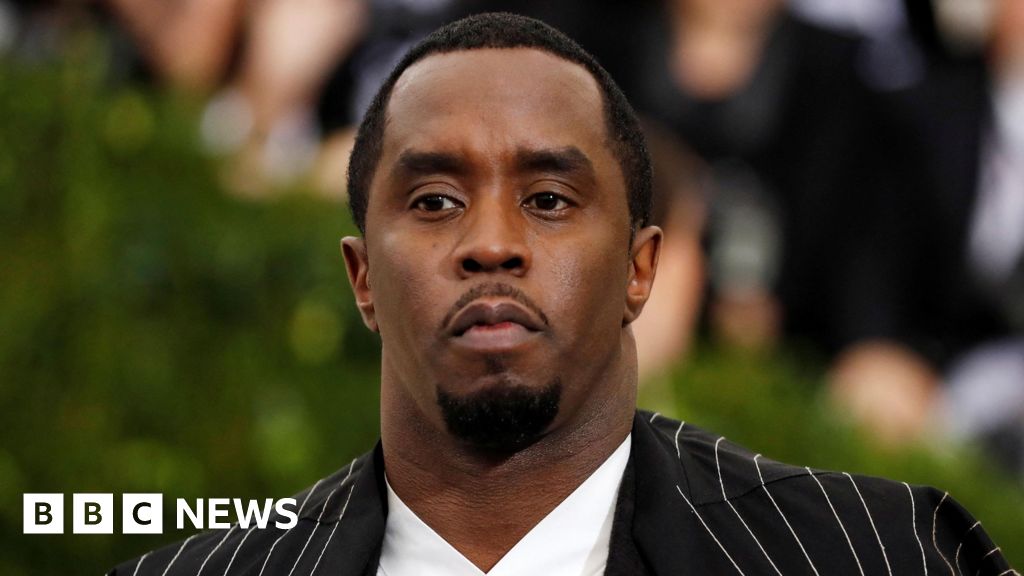
Why This Netflix–Diddy Documentary Fight Matters
The BBC first reported that Netflix had pushed back on criticism from Combs’s representatives, who labelled the series “shameful” and accused the filmmakers of using “stolen footage.” Netflix, for its part, has defended the project and the way it was assembled, leaning on familiar arguments about public interest, corroborated reporting and licensed archives.
Beyond the headlines, the controversy speaks to a deeper cultural shift: music documentaries have moved from victory-lap tour diaries to forensic re-examinations of powerful figures. Once you’re in that territory, the line between documentary and true-crime entertainment gets very thin—and very lucrative.
From Bad Boy Records to Netflix True Crime: The Background
Even before the documentary, Sean “Diddy” Combs occupied a rare place in pop culture: mogul, hitmaker, fashion and spirits entrepreneur, and a recurring symbol of hip‑hop excess. From the Bad Boy Records era in the 1990s to reality TV and Ciroc billboards, his public image has always blurred art, lifestyle branding and power.
That image has been profoundly shaken in recent years, as reporting and legal cases have re-examined Combs’s behaviour and relationships. The Netflix documentary steps into that fraught space, packaging years of speculation, lawsuits and behind‑the‑scenes stories into a structured, bingeable narrative.

The series fits into a long line of pop‑culture re‑assessments—from the Surviving R. Kelly docuseries to biographical projects about Michael Jackson, Britney Spears and others—where the documentary becomes a proxy battleground for a star’s legacy.
What Diddy’s Team Is Alleging—and How Netflix Is Responding
According to the BBC’s reporting, Combs’s representatives have framed the documentary as:
- A “shameful hit piece” rather than a balanced documentary
- A project that allegedly relies on “stolen footage”
- An attempt to capitalise on Combs’s legal troubles and public scrutiny
“This so‑called documentary is nothing more than a shameful hit piece that relied on stolen footage and one‑sided storytelling,” Combs’s representatives argued, as reported by the BBC.
Netflix, in turn, has reportedly pushed back, stressing that the filmmakers cleared legal hurdles and built the series on corroborated interviews, licensed materials and public‑record evidence. In other words: the standard playbook for high‑stakes investigative documentaries on streaming platforms.

None of this is surprising. For a streamer, a public fight like this can act as accidental marketing; for an artist’s camp, challenging the documentary’s legitimacy is a way of trying to regain narrative control, especially when the artist is incarcerated and unable to shape the story directly.
The “Stolen Footage” Question: How Music Docs Actually Get Made
The most incendiary phrase in Combs’s team’s statement is “stolen footage.” In documentary practice, that can mean a few different things, not all of them literal theft. It might refer to:
- Behind‑the‑scenes material shot by a previous production team
- Old music video or tour footage controlled by labels or third‑party archives
- Clips that one side believes were used beyond the scope of an original agreement
On the legal side, the key question is who actually owns the footage and whether Netflix and its producers obtained valid licenses or relied on fair‑use. On the reputational side, though, the language of “stolen” is designed to paint the whole project as illegitimate, casting doubt on its ethics before viewers even hit play.

Journalism, Entertainment, or Hit Piece? The Ethics Debate
The phrase “hit piece” gets thrown around a lot, but it taps into a real anxiety about this kind of programming. Streaming services need watchable, gripping content; serious journalism needs nuance and context. Those two impulses don’t always play nicely together.
- Selective storytelling: Focusing on the most disturbing or sensational allegations can make for high‑impact TV but may underplay mitigating context or complexity.
- Access vs. independence: When a doc has an artist’s co‑operation, it often soft‑pedals criticism. When it doesn’t, the project can become oppositional by default.
- Commercial incentive: Netflix wants a global hit; that pressure can encourage more dramatic framing and cliffhangers, even when the subject matter involves real‑world harm.
Critics have frequently noted that the modern true‑crime doc is “less a court of law than a perfectly lit stage,” where the suspense of revelation can overshadow the moral weight of the material.
Whether the Netflix–Diddy series crosses the line into exploitation will depend on details: Does it corroborate allegations? Does it give meaningful space to different perspectives? Does it interrogate the music industry structures that enabled any alleged abuse, or simply reduce the story to one monstrous individual?
Rewriting Legacies: How the Doc Fits into Hip‑Hop and Streaming Culture
Combs isn’t just another celebrity; he’s woven into the commercialisation of hip‑hop itself. From the glossy MTV Cribs era to the rise of “mogul culture,” his brand helped sell the idea that success meant private jets, champagne and unquestioned authority. A documentary that reframes that story as one of alleged harm rather than aspirational lifestyle lands like an indictment of an entire era.
For Netflix, the series also functions as a kind of brand statement: the platform isn’t just chasing fantasy epics and rom‑coms, it’s positioning itself as an unofficial archive of late‑20th‑century pop culture, warts and all. Whether that archive feels trustworthy depends on how fairly it treats controversial figures, especially those who are no longer free to manage their own narratives.
Strengths and Weaknesses of Netflix’s Approach
Even before you side with either camp, you can see both the power and the pitfalls of Netflix’s documentary machine at work here.
- Strengths: Access to global distribution, high‑end production values, and the resources to compile years of reporting into a coherent, widely accessible narrative.
- Strengths: Ability to amplify the voices of people who might otherwise remain in legal documents and fragmented news stories.
- Weaknesses: The temptation to shape episodes like thriller TV, which can flatten nuance and encourage “villain of the week” storytelling.
- Weaknesses: Limited transparency about editorial decision‑making, making it hard for viewers to distinguish rigorous reporting from aggressive packaging.
The accusations from Combs’s team essentially demand that viewers interrogate those weaknesses: ask who benefits from this story being told in this way, at this moment, and under whose editorial control.
How to Watch This Documentary Critically
If you do choose to stream the Netflix series, it’s worth approaching it less as a final verdict and more as one high‑profile argument in a larger conversation. A few practical viewing tips:
- Cross‑check: When major claims appear on screen, see how they were originally reported by outlets like the BBC or other reputable news organisations.
- Notice the framing: Pay attention to music cues, editing and cliffhangers; ask how they shape your emotional response to each allegation.
- Look for absent voices: Whose perspective might reasonably be included but is missing? Lawyers, former collaborators, industry executives?
- Separate artistry from accountability: Appreciating what Combs contributed to music doesn’t require ignoring serious allegations or real‑world consequences.
Verdict: A Necessary Re‑Examination, but Not the Last Word
The clash between Netflix and Sean “Diddy” Combs’s representatives was probably inevitable. Any documentary that revisits the life of a once‑untouchable star, especially one now serving a prison sentence, is going to be accused of going too far—or not far enough. The reality is that streaming platforms are now de facto historians of pop culture, and they’re writing those histories under the pressures of algorithmic engagement and global competition.
The series is worth treating as a starting point: an ambitious, commercially driven attempt to knit together years of scattered reporting into something watchable and, at times, disturbing. But it’s also a reminder that no single documentary—no matter how glossy or “definitive”—can settle the questions it raises about power, accountability and the music industry’s complicity.
As more artists, estates and platforms battle over who gets to tell these stories, viewers will increasingly have to play critic, historian and ethicist at once. The Netflix–Diddy showdown is less an anomaly than a preview of where music documentaries are headed: louder, messier, and impossible to ignore.
Further Reading and Official Sources
For more detailed coverage and official information, see:
- BBC News culture report on Netflix’s response to criticism of the documentary.
- The documentary’s official page on Netflix for trailers, content warnings and episode guides.
- Sean “Diddy” Combs’s official representatives’ statements, where available, for their full perspective beyond quoted excerpts.
