
Millie Bobby Brown Shuts Down Bullying Rumors, Says She Always Felt Safe with David Harbour on Stranger Things Set
Millie Bobby Brown Says She Always Felt Safe with David Harbour: Untangling Stranger Things Bullying Rumors
Millie Bobby Brown has finally weighed in on those resurfaced clips and rumors that Stranger Things co-star David Harbour was “bullying” her on set, making it clear she always felt safe working with him. Her comments, reported by TMZ and quickly echoed across social media, land at a very particular moment: fans are nostalgic, the show is heading into its final stretch, and there’s a heightened spotlight on how power, “method acting,” and boundaries work behind the camera.
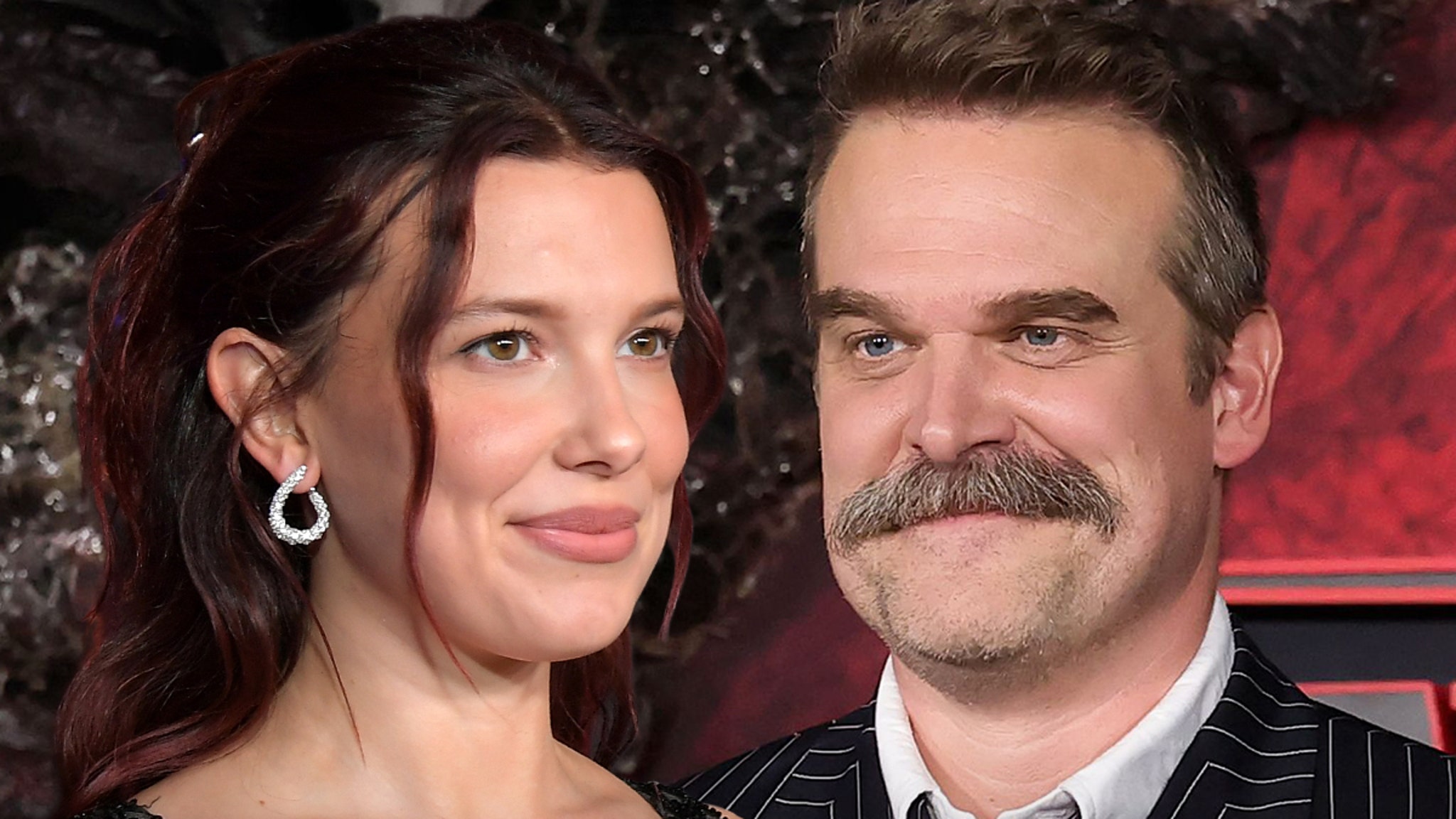
Why Millie Bobby Brown and David Harbour’s On-Screen Tension Sparked Off-Screen Rumors
The Brown–Harbour pairing has always been emotionally charged. Hopper is gruff, wounded, and protective; Eleven is traumatized, powerful, and trying to figure out what “normal” even means. That dynamic plays out in shouting matches, slammed doors, and moments of real vulnerability that helped define the tone of Stranger Things from season 2 onward.
Over the years, fans clipped behind-the-scenes footage where Harbour stays in character, raises his voice in rehearsal, or pushes scenes to be more emotionally raw. In the age of TikTok stitching and Twitter/X out-of-context clips, those moments began to circulate with captions suggesting he was “too harsh” with a young co-star. That’s the noise Brown is now responding to.
It’s happening against a broader cultural backdrop: conversations about “method acting” turning toxic, power imbalances between adult stars and younger performers, and Hollywood’s post-#MeToo reckoning with what’s acceptable in the name of “art.”

What Millie Bobby Brown Actually Said About Feeling Safe
In the interview highlighted by TMZ, Brown doesn’t mince words about how she experienced her dynamic with Harbour. She draws a sharp line between intensity for the sake of performance and any suggestion of abuse or bullying.
I always felt safe with David. What you see on screen is us doing our jobs, not how he treats me as a person.
That sort of statement matters, because the internet tends to reverse-engineer narratives from vibes and micro-expressions. Brown is essentially saying: the process may look messy from the outside, but the people inside it knew the rules and the boundaries.
Method Acting, Boundaries, and the Hopper–Eleven Relationship
David Harbour has spoken before about his own process, name-checking method acting influences without fully planting his flag there. He tends to push scenes hard, especially the ones where Hopper is spiraling — yelling, pacing, throwing things. Next to a then-teenage co-star, that can look alarming in a 10-second clip on your phone.
But the Hopper–Eleven arc depends on a certain volatility. The show’s emotional logic is: Hopper is terrified of losing this kid, and he’s terrible at communicating that. In season 3, their cabin fights — about friends, autonomy, and safety — are some of the show’s most grounded moments. Harbour has said in past press:
We wanted those scenes to feel like the fights you remember having with your parents, the ones that stick with you. That means going to an honest, sometimes ugly place.
Brown backing him up now essentially validates that the “ugly” was choreographed, not casual. It’s the difference between a stunt punch and an actual one.
Child Actors, Netflix Sets, and Evolving Safety Standards
There’s another layer here: Brown grew up in the Netflix machine. Stranger Things arrived when streamers were rewriting TV economics and gobbling up global attention. That scale — and the age of its cast — forced the industry to pay closer attention to how streaming productions protect minors.
- Studio teachers and child welfare workers on set.
- Guardrails on hours, content, and stunts for minors.
- Increasing use of intimacy coordinators and mental health resources.
Duffer Brothers interviews, Netflix marketing features, and cast press tours have all pointed to a relatively tight-knit, supervised environment for the young ensemble. Brown’s recent comments fit that narrative rather than contradict it.
Fandom, Parasocial Reading, and the TMZ Amplifier Effect
TMZ entering the conversation is telling. The outlet has long sat at the intersection of celebrity gossip and genuine news, especially when it comes to disputes or alleged bad behavior on set. In this case, they’re not exposing anything; they’re amplifying Brown’s attempt to shut a narrative down.
Fans, meanwhile, are doing what fandom always does: reading body language from junket interviews, digging up Comic-Con panels, and trying to reverse-engineer the vibe of real-life relationships from convention banter. The problem is that press tours are their own performance — with media training layered on top.
Brown’s statement functions as a kind of corrective to that parasocial detective work. She’s essentially asking viewers to trust the people actually in the room over the armchair CSI-ing happening on timelines.
Strengths, Concerns, and What This Says About Stranger Things Culture
Taking Brown at her word doesn’t mean ignoring legitimate questions about how far actors should go for a performance. But it does reframe this particular case.
- Strength: Cast members repeatedly describe the set as collaborative and family-like, and Brown openly credits Harbour with helping shape some of Eleven’s most powerful moments.
- Strength: The production has so far avoided the kinds of exposés that have hit other franchises with young casts, suggesting at least baseline safety and oversight.
- Concern: Even when everyone feels safe, intense rehearsal footage can look troubling to audiences who aren’t given context — raising the question of whether productions should be more transparent about process when they release behind-the-scenes material.
- Concern: The line between “pushing for authenticity” and making co-workers uncomfortable is historically thin in Hollywood; it’s reasonable for fans to keep asking where that line is.
Rewatching Hopper and Eleven with New Context
With Stranger Things entering its final chapter, this whole conversation is likely to color how people revisit earlier seasons. Knowing that Brown felt protected and supported by Harbour may actually deepen appreciation for their work; you can lean into the messy emotions without wondering if something exploitative was happening off camera.
If you want to revisit that dynamic, the season 3 cabin fight and their later reunion scenes in season 4 are a good before-and-after snapshot of how their relationship evolves from barely-contained chaos to something closer to mutual respect.
What Millie Bobby Brown’s Comments Mean Going Forward
Brown publicly standing by Harbour and emphasizing that she felt safe doesn’t end Hollywood debates about intense acting methods or set culture. But it does clarify one specific story that had begun to calcify online without much input from the people actually involved.
As Stranger Things edges toward its finale, the way we talk about its legacy will include more than Demogorgons and Kate Bush needle drops. It will also include how one of the biggest shows of the streaming era navigated the responsibility of growing up its lead actor in public — and how that actor now uses her voice to set the record straight about the people she worked with.
For now, Brown’s message is simple: don’t confuse a hard-hitting performance with a hostile workplace. And as audiences, that might be the cue to watch more thoughtfully — and speculate a little less confidently — about what we think we see behind the scenes.
Summary: Millie Bobby Brown’s clarification that she always felt safe around David Harbour reinforces the idea that their volatile on-screen relationship in Stranger Things was a crafted performance, not a reflection of off-screen mistreatment. Her comments highlight a production culture that, at least from her perspective, balanced intensity with safety, even as wider industry conversations continue about boundaries, child actors, and method acting.
Rating: 4/5 (for handling of cast dynamics and performances)
