
Micro-Workouts & Exercise Snacks: The Smart Way to Stay Fit When You’re Always Busy
Micro‑workouts—also called “exercise snacks”—are ultra‑short bouts of movement lasting from 30 seconds to about 10 minutes that you can layer into a busy day instead of relying solely on 45–60 minute gym sessions. Backed by emerging research and boosted by fitness creators, these mini‑sessions can help improve cardiovascular health, glucose control, and mobility, particularly for people who sit a lot or struggle to find time for traditional workouts.
This article unpacks what micro‑workouts are, the science behind them, how they intersect with wearables and social media, and how to integrate them intelligently into a broader routine that still respects strength, cardio, and recovery. You’ll learn practical frameworks, sample “snack” plans, risk considerations, and ways to adapt micro‑workouts to your environment and fitness level.
Executive Summary
- Micro‑workouts are short, frequent bursts of movement spread across the day, often needing no equipment and little space.
- Evidence suggests they can improve VO₂ max, glycemic control, and break up harmful sedentary time, especially for beginners and office workers.
- Social media, gamified challenges, and smartwatch nudges are accelerating adoption by lowering psychological and time barriers.
- Micro‑workouts work best as a supplement—not a full replacement—for structured strength and cardio training.
- Accessibility, progression, and injury risk management are essential to make this trend sustainable rather than another fitness fad.
What Are Micro‑Workouts and “Exercise Snacks”?
Micro‑workouts are brief, focused bursts of physical activity—typically 30 seconds to 10 minutes—that you perform multiple times per day. Instead of dedicating a full hour to the gym, you sprinkle movement throughout natural breaks in your routine: between meetings, while your coffee brews, during TV ad breaks, or when your smartwatch reminds you to stand.
The term “exercise snacks” has become popular in academic circles and social media alike. It captures the idea that, just as small, frequent snacks add up to your daily calorie intake, small movement breaks can contribute meaningfully to your total activity volume and health outcomes over time.
- Typical duration: 30 seconds – 10 minutes
- Format: bodyweight strength, brisk walking, stair climbing, mobility flows, light cardio
- Location: at your desk, in a hallway, stairwell, living room, or even outdoors for a quick walk
- Goal: reduce sedentary time, boost energy, maintain functional strength and mobility
Why Micro‑Workouts Are Exploding in Popularity
The rise of micro‑workouts isn’t random; it reflects broader shifts in how people live, work, and consume content.
1. Time Constraints & Short Attention Spans
Between hybrid work, caregiving, and digital overload, many people feel they “don’t have time” for full workouts. In reality, they have fragmented windows—3 minutes before a call, 5 minutes while dinner simmers.
Micro‑workouts map perfectly onto the short‑form video culture of TikTok, Instagram Reels, and YouTube Shorts. A creator can demonstrate a complete 60–90 second routine in a single clip, which viewers can immediately imitate.
2. Better Science Communication
Exercise physiologists and physical therapists have become more visible on social media, simplifying research that previously lived only in journals. A growing body of work suggests that short, vigorous efforts—like stair sprints or repeated sit‑to‑stands—can positively affect:
- Cardiorespiratory fitness (VO₂ max) in previously sedentary individuals
- Glucose control when “snacks” are done after meals
- Joint mobility and posture when regular mobility breaks offset desk time
“Breaking up prolonged sitting with frequent, brief bouts of light-to-moderate intensity movement can improve postprandial glucose and insulin responses and may reduce long-term cardiometabolic risk.”
— Summary of findings from sedentary behavior research (e.g., work referenced by the American College of Sports Medicine)
3. Low Barrier to Entry
Many “snack” routines are frictionless: no gym, no outfit change, no travel, minimal sweating. Example moves include:
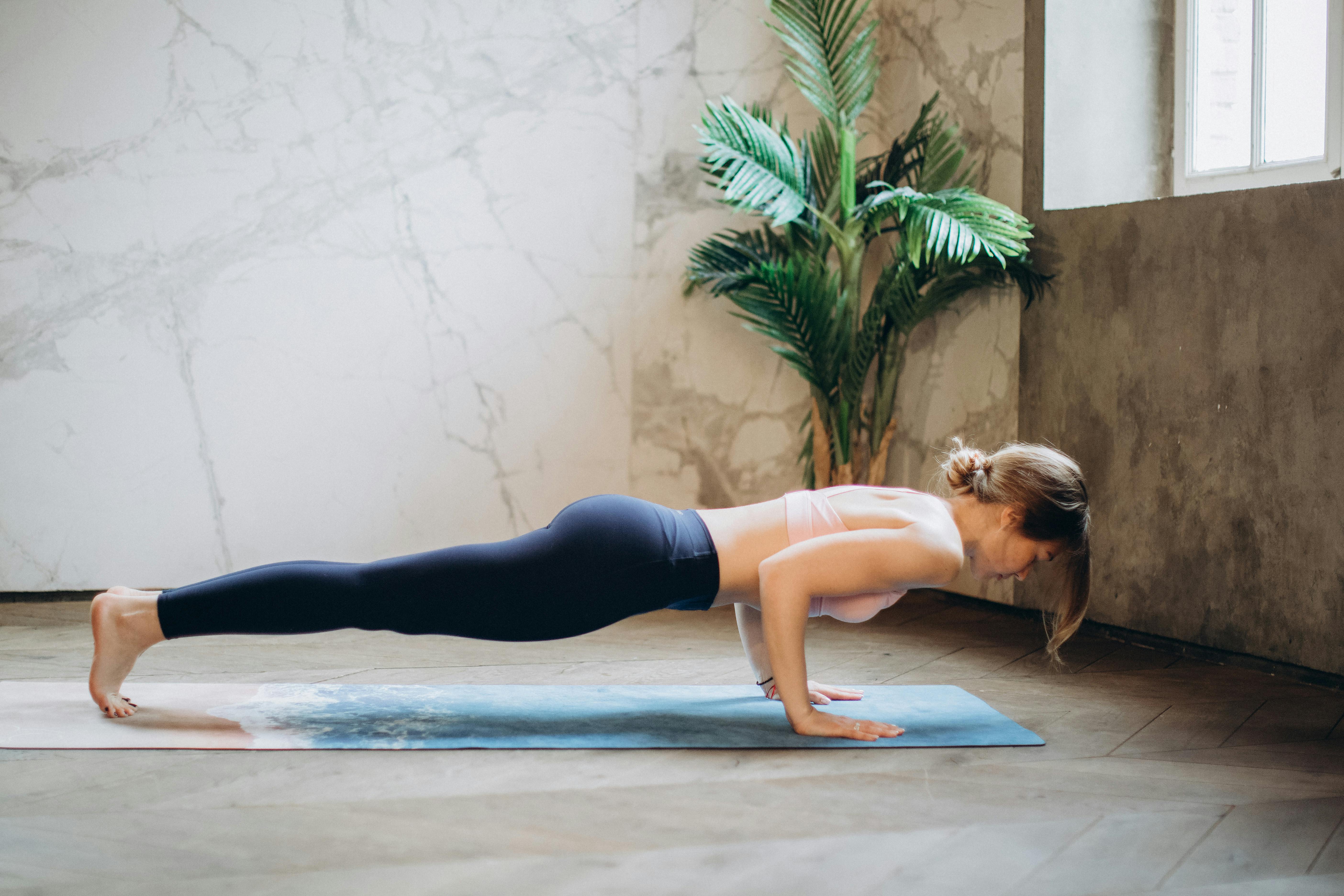
- Desk or wall push‑ups
- Wall sits while reading email
- Walking lunges down a hallway
- Calf raises while brushing your teeth
- Chair‑based marches for those with limited mobility
4. Gamification & Challenges
Creators run 7‑day or 30‑day micro‑workout challenges: “10 squats every hour,” “3 minutes of movement before social media,” or “20 stair steps after each coffee.” Participants share progress videos and adaptations, amplifying the trend.
5. Integration With Wearables
Smartwatches and fitness trackers already nudge users to stand, move, or hit step goals. Micro‑workout content turns those prompts into specific action: “When your watch tells you to move, do this 90‑second routine.” Some routines are tuned to common device intervals (e.g., 1–3 minute stand reminders).
What the Science Says About Ultra‑Short Workouts
Research on micro‑workouts is still developing, but several related lines of evidence support their benefits, especially when used to combat sedentary behavior.
1. Breaking Up Sedentary Time
Prolonged sitting is linked with increased cardiometabolic risk, independent of total daily exercise. Studies summarized by organizations like the World Health Organization and the American Heart Association have found that:
- Standing or walking for a few minutes every 30–60 minutes can improve blood sugar and blood pressure profiles compared to uninterrupted sitting.
- Short stair‑climbing or brisk walking breaks can acutely improve measures of vascular function.
2. High‑Intensity “Snacks” and VO₂ Max
Time‑efficient protocols such as very short high‑intensity intervals (e.g., 3 x 20‑second all‑out efforts separated by rest) have been shown in controlled studies to improve VO₂ max and cardiometabolic markers in previously inactive individuals. While protocols vary, many align with what creators now label “exercise snacks.”
3. Strength, Mobility, and Function
Frequent sub‑maximal strength and mobility work—like repeated sit‑to‑stands, wall sits, or hip hinges—can help maintain neuromuscular coordination, joint range of motion, and functional capacity important for daily living, especially in older adults or beginners.
Where Micro‑Workouts Fit in Official Guidelines
Bodies such as the World Health Organization and U.S. CDC recommend at least 150–300 minutes of moderate or 75–150 minutes of vigorous activity per week, plus muscle‑strengthening activity on 2+ days.
Micro‑workouts can help you accumulate this volume in small chunks, but they are most effective when:
- You still reach moderate to vigorous intensity regularly, and
- You include some structured strength training over the week, even if in short micro‑sessions.
Micro‑Workouts vs Traditional Sessions: A Practical Comparison
Ultra‑short workouts are not a magic substitute for all fitness goals, but they can match or complement longer sessions for certain outcomes, especially adherence and total daily movement.
| Dimension | Micro‑Workouts / Exercise Snacks | Traditional 45–60 Minute Sessions |
|---|---|---|
| Time per bout | 30 seconds – 10 minutes | 45–60 minutes |
| Typical setting | Home, office, stairwell, outdoors | Gym, studio, dedicated workout space |
| Equipment | Often none; bodyweight or simple tools | Can use full equipment range and machines |
| Adherence for busy people | High—easy to fit into small gaps | Lower if schedule is unpredictable |
| Strength & muscle gain potential | Good for maintenance and beginners; may need heavier loads or longer sets for advanced lifters | Better for progressive overload and focused lifting |
| Cardio & VO₂ max benefits | Effective if intensity is sufficiently high and bouts are frequent | Well‑established benefits across intensities |
How to Structure Micro‑Workouts in a Busy Day
To turn micro‑workouts from a social media trend into a sustainable habit, it helps to follow a simple framework that balances consistency, intensity, and recovery.
Step 1: Anchor Workouts to Existing Habits
Attach micro‑workouts to cues you already encounter:
- Every time you make coffee or tea
- At the top of each hour during work
- After each meeting or class
- When your watch gives a stand reminder
Step 2: Choose Movement “Buckets”
Rotate between three primary movement types to avoid overuse and to cover key capacities:
- Strength snacks: squats, push‑ups (wall, desk, floor), lunges, glute bridges, rows with bands.
- Cardio snacks: brisk hallway walks, stair climbs, marching in place, quick shadowboxing.
- Mobility snacks: neck rolls, thoracic rotations, hip circles, cat‑camel, ankle mobility drills.
Step 3: Use Simple Prescriptions
For most people, a clear, repeatable “recipe” works better than a complicated plan. Examples:
- 1–2 minute snack: 10 squats + 10 wall push‑ups + 20 seconds of marching
- 3–5 minute snack: 3 rounds of 30 seconds work / 30 seconds rest (e.g., squats, stair climb, plank)
- Mobility snack: 5–6 gentle stretches held for 20–30 seconds each
Step 4: Track Frequency, Not Perfection
Instead of chasing “the perfect workout,” focus on total weekly touchpoints. For example:
- Goal: 3–6 strength snacks, 3–6 cardio snacks, 3–6 mobility snacks per week
- Or: 5 short movement breaks per workday
Sample Micro‑Workout Day for a Busy Professional
Here is an example of how micro‑workouts can integrate seamlessly into a standard workday without a formal “gym slot.”
| Time & Trigger | Micro‑Workout (1–3 minutes) | Type |
|---|---|---|
| After morning coffee | 2 x 10 bodyweight squats + 20 seconds plank | Strength |
| Mid‑morning stand reminder | 3 minutes brisk hallway walk or stair climb | Cardio |
| Before lunch | 30 seconds wall sit + 10 desk push‑ups | Strength |
| Mid‑afternoon energy dip | 2–3 minutes mobility (neck rolls, shoulder circles, hip circles) | Mobility |
| After work | 3 rounds of 20 seconds jumping jacks (or low‑impact steps) / 40 seconds rest | Cardio |
Gamification, Social Challenges, and Accountability
Social media has turned micro‑workouts into a participatory, gamified experience. Well‑designed challenges can increase adherence and enjoyment, provided they respect individual limits.
Popular Micro‑Workout Challenge Formats
- Hourly reps: 5–10 push‑ups or squats every hour you are awake.
- Pre‑screen rule: 2–3 minutes of movement before checking social media in the morning.
- Habit pairings: 10 calf raises every time you brush your teeth; 10 sit‑to‑stands before every meal.
- Step spikes: 1–2 flights of stairs every time you refill water or coffee.
Using Wearables for Smart Gamification
Wearables provide objective feedback and built‑in “quests” (close your rings, hit your stand goal). You can layer micro‑workouts onto those metrics:
- Each stand reminder = 1 micro‑workout.
- Missed stand alerts = add a 3‑minute walk in the evening.
- Low step count by midday = schedule two 5‑minute walks.
Accessibility, Modifications, and Safety Considerations
For micro‑workouts to be inclusive and sustainable, they must account for different fitness levels, mobility limits, and health conditions.
Accessible Variations
- Chair‑based options: seated marches, seated knee extensions, seated overhead reaches, gentle torso twists.
- Low‑impact cardio: marching in place, side steps, slow stair climbing with handrail support.
- Joint‑friendly strength: partial‑range squats to a chair, wall push‑ups instead of floor, glute squeezes while seated.
Safety Guidelines
- Warm‑up with gentle movements for 20–60 seconds before more intense efforts.
- Increase volume or intensity gradually—avoid jumping into hourly high‑intensity sprints if you have been largely sedentary.
- If you have cardiovascular, joint, or metabolic conditions, consult a healthcare professional before starting vigorous “snacks.”
- Pain that is sharp, sudden, or worsening is a signal to stop and reassess.
Avoiding the All‑or‑Nothing Mindset
A key benefit of exercise snacks is psychological: they break the belief that you need a perfect 60‑minute block or a gym to “count” your activity. Even one 3‑minute break is better than none. Over time, those small wins accumulate into meaningful change.
Limitations: What Micro‑Workouts Cannot Replace
While micro‑workouts are powerful tools, there are important limitations and trade‑offs.
- Deep skill development: Complex lifts, sport skills, or long‑duration endurance require focused practice blocks that snacks cannot fully replace.
- High‑level strength or muscle gain: Advanced trainees usually need heavier loads, higher total volume, and dedicated sessions to progress optimally.
- Mental decompression: A 45‑minute walk or workout often serves as mental reset time in a way that 90‑second breaks might not fully match.
The sweet spot for many people is a hybrid model: use micro‑workouts to stay active daily and reduce sitting harm, while still scheduling 1–3 longer sessions per week for deeper training when possible.
Actionable Next Steps: Building Your Micro‑Workout System
To implement micro‑workouts effectively, treat them as part of your lifestyle architecture rather than random bursts of motivation.
- Audit your day: Identify 3–5 recurring moments where a 1–3 minute break is realistic (e.g., after calls, before meals, post‑commute).
- Create 2–3 default snack routines: One strength‑focused, one cardio‑focused, one mobility‑focused that you can perform without thinking.
- Use environmental cues: Keep a resistance band by your desk, a yoga mat visible in the living room, or a reminder note on your monitor.
- Leverage technology: Adjust smartwatch reminders, use simple habit‑tracking apps, or calendar alerts to prompt movement.
- Review weekly: At the end of each week, reflect briefly: How many days did you include 1+ micro‑workouts? What felt easy? What blocked you?
- Progress slowly: Increase total snacks, reps, or intensity in small steps to avoid overuse or burnout.
Conclusion: Movement as a Built‑In Feature of Your Day
Micro‑workouts and exercise snacks represent a shift in how we think about fitness—from a separate, time‑boxed activity to something woven into the fabric of everyday life. They are not about replacing all traditional training, but about eliminating the false binary of “full workout or nothing.”
By aligning short, purposeful movement breaks with your existing schedule, technology, and environment, you can reduce the harms of prolonged sitting, improve energy and focus, and build a more resilient, active lifestyle—even when life is hectic.
Start with one or two simple exercise snacks today, anchored to habits you already have. Let the routine evolve as your capacity, confidence, and curiosity grow.
