Mick Foley Breaks with WWE Over Trump Ties: What His Exit Means for Pro Wrestling and Politics
Mick Foley Walks Away from WWE: When Pro Wrestling and Politics Collide
Wrestling legend Mick Foley has publicly distanced himself from World Wrestling Entertainment (WWE) for at least three years, protesting the company’s close relationship with Donald Trump and the president’s “incredibly cruel comments in the wake of Rob Reiner’s death.” The move, reported by NBC News, turns a Hall of Famer’s personal stance into a flashpoint about how deeply politics now threads through mainstream entertainment — even in the squared circle.
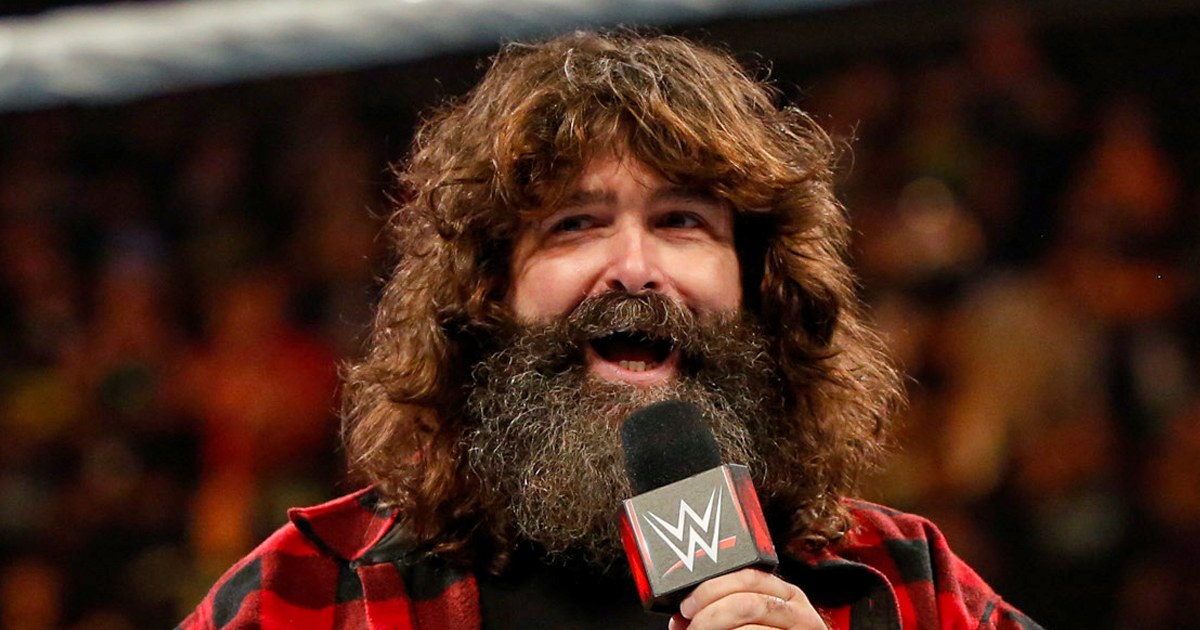
Foley’s decision lands at the intersection of fandom, brand loyalty, and political identity — a reminder that in 2025, even scripted violence can’t escape real-world consequences.
Why Mick Foley Is Such a Big Deal in WWE History
For anyone who came to wrestling through memes and YouTube highlights, Mick Foley is the guy who got thrown off (and through) a Hell in a Cell by The Undertaker in 1998 and somehow walked out on his own feet. For longtime fans, he’s more than that: a symbol of heart-over-hype in an industry obsessed with aesthetics.
- Multiple personas: Mankind, Cactus Jack, and Dude Love — three characters, one performer, all cult favorites.
- Author and advocate: Bestselling autobiographies, children’s books, and outspoken work on issues like concussions and wrestlers’ rights.
- Hall of Fame status: Inducted into the WWE Hall of Fame in 2013, cementing his role in company lore.

Foley has long been seen as one of the industry’s moral centers: a guy who bled for the business and then used his platform to question parts of it. That makes his public break from WWE feel less like a celebrity tantrum and more like a referendum from within the family.
The “Final Straw”: Rob Reiner, Trump, and Foley’s Public Stand
According to Foley, the immediate catalyst wasn’t a new WWE storyline or contract dispute — it was politics, and specifically Donald Trump’s rhetoric following the death of filmmaker and activist Rob Reiner. Foley cited Trump’s “incredibly cruel comments” as the point where he felt he could no longer, in good conscience, remain publicly aligned with a company so closely associated with the former president.
“I’ve stuck around through a lot, but this was the final straw. I can’t square my values with supporting a company that maintains such close ties to someone who speaks this way about the dead.”
— Mick Foley, as reported in NBC News coverage
Foley announced he’s “done” with WWE for at least three years — a specific time frame that feels almost like a personal suspension, giving himself distance while still leaving the door cracked open for a future reconciliation.
WWE and Donald Trump: A Long, Complicated Alliance
WWE’s relationship with Donald Trump didn’t start with politics; it started with spectacle. Trump Plaza hosted WrestleMania IV and V in the late ’80s, and by 2007, Trump was shaving Vince McMahon’s head in the “Battle of the Billionaires” storyline at WrestleMania 23. In 2013, Trump was inducted into the WWE Hall of Fame, enshrining him as part of the company’s official mythology.
After Trump’s political rise, WWE largely treated his Hall of Fame status and past appearances as legacy content, even as co-CEO Linda McMahon served in his administration and then chaired a pro-Trump super PAC. For fans who saw WWE as apolitical escapism, that was easier to overlook before 2016 than it is now.
Foley’s move doesn’t expose anything new about the relationship; instead, it reframes it. The same history that once looked like harmless synergy between two brands now plays differently in an era where public alignment carries real cultural weight.
What Foley’s Break Really Means: Fan Backlash, Locker Room Vibes, and Brand Risk
In terms of pure business, one retired legend stepping back doesn’t tank a global company. WWE has weathered steroid scandals, tragic deaths, Saudi Arabia controversies, and a merging of its brand under TKO Group. But culturally, Foley’s stance hits different — because he represents the conscience of a certain generation of fans.
- For fans: Foley’s decision validates viewers who’ve felt uneasy about WWE’s Trump ties but kept watching out of habit. It gives language — and a familiar face — to that discomfort.
- For talent: Active wrestlers may not echo him publicly, but locker rooms pay attention when a Hall of Famer draws a line.
- For the brand: WWE has carefully tried to position itself as “ for everyone” while also keeping legacy relationships intact. Foley’s comments make that balancing act harder to maintain without public explanation.

“What we’re seeing is the end of the idea that sports entertainment can exist in a vacuum, sealed off from the rest of the culture.”
— Entertainment industry analyst quoted in multiple 2020s media studies on sports and politics
If you zoom out, Foley’s break fits a pattern seen across the NFL, NBA, and Hollywood: performers and legends increasingly using their legacy as leverage to signal what they will — and won’t — be associated with.
Weighing Foley’s Move: Conviction, Timing, and the Limits of Symbolic Boycotts
Foley’s decision isn’t a clean feel-good story; it comes with complications worth acknowledging.
Where the Move Lands Strong
- Consistency with his public persona: Foley has long spoken out on social issues, so this doesn’t feel opportunistic.
- Clear moral line: Linking his decision to specific comments about Rob Reiner’s death grounds it in a tangible moment, not vague outrage.
- Signaling to fans: It tells his audience that “just entertainment” can still carry ethical weight.
Where It Gets Messier
- Timing questions: WWE’s Trump ties are not new. Some critics will ask why this was the breaking point rather than earlier flashpoints.
- Effectiveness: A three-year personal boycott is symbolically powerful but may not materially change corporate behavior.
- Fan fatigue: A portion of the audience is exhausted by politics in everything, and will frame this as another “stick to wrestling” moment, fair or not.

Still, the fact that we’re discussing the “efficacy” of a wrestler’s moral stand at all shows how far the conversation has shifted. In 1998, the big debate was whether Foley should’ve taken that Hell in a Cell bump. In 2025, it’s what he’s willing to stand next to in his retirement.
Wrestling, Culture Wars, and the End of “Just Escapism”
Pro wrestling has always mirrored the culture around it — from Cold War villains to jingoistic post-9/11 storylines. What’s changed is the audience’s media literacy. Fans now dissect booking decisions on Reddit, track corporate mergers on earnings calls, and watch press conferences as closely as title matches.
Foley’s break sits alongside:
- NBA players wearing social-justice messages in the bubble.
- Actors distancing themselves from studios over political donations.
- Musicians refusing to let campaigns use their songs.
The throughline: fans increasingly expect to know not just what they’re watching, but who and what their money is indirectly supporting — and performers like Foley are forcing those questions into the open.
Where This Leaves WWE, Foley, and the Fans
Will WWE issue a statement? Quietly ride this out? Edit Foley out of video packages for a while, only to bring him back when the three-year window closes and nostalgia wins? All are possible; WWE has a long history of “never say never” reconciliations.
For Foley, the move reinforces his legacy as wrestling’s unlikely moral compass — a guy who gave the business his body and is now using his voice to draw his own red lines. For fans, it’s another reminder that you can love the art form and still interrogate the machine behind it.
And for WWE, the message is blunt: you can script every finish, but you can’t fully control how your political alliances age — or when one of your most beloved legends might decide that, this time, he’s not willing to play along.