
Mediterranean Diet 2.0: A High‑Protein, Heart‑Healthy Trend Taking Over Social Media
The Protein‑Fortified Mediterranean Diet 2.0
The Protein‑Fortified Mediterranean Diet 2.0 is a modern, higher‑protein twist on the classic Mediterranean way of eating. It keeps everything people love about the original—extra‑virgin olive oil, ripe tomatoes, grilled fish, leisurely meals—and updates it with a fitness‑friendly focus on lean protein, muscle maintenance, and weight management. Imagine the sun‑drenched flavors of the Mediterranean, but in bowls and plates that also support strength training and a busy, modern lifestyle.
In 2024–2025, this “High‑Protein Med Diet” has exploded across Instagram, TikTok, and YouTube. Colorful mezze platters, grain bowls piled with grilled salmon and chickpeas, and Greek‑yogurt‑based sauces are everywhere, backed by both scientific evidence and serious visual appeal.
Why the High‑Protein Mediterranean Diet Is Trending
The Protein‑Fortified Mediterranean Diet stands at the crossroads of science, aesthetics, and lifestyle. It’s not just another fad: it’s a fresh, social‑media‑ready evolution of an eating pattern that’s been studied for decades for its cardiovascular and longevity benefits.
- Evidence + aesthetics: Mediterranean dishes are naturally photogenic—think ruby‑red tomatoes, emerald herbs, and golden olive oil. Creators plate them into tidy bowls and mezze spreads that perform incredibly well on social platforms, while still reflecting peer‑reviewed nutrition research.
- Weight‑loss and muscle goals: More people are pairing strength training with intentional weight management. They want diets that are cardioprotective and protein‑adequate, not just low‑calorie. High‑protein Med content fills that niche.
- GLP‑1 synergy: Many clinicians now recommend Mediterranean‑style eating for people on modern weight‑loss medications. The diet’s emphasis on whole foods, fiber, and healthy fats nicely complements appetite‑regulating therapies.
- Approachable, not extreme: Compared to strict keto or ultra‑rigid tracking, a Mediterranean framework feels flexible, social, and sustainable—more like a lifestyle than a set of rules.
At its best, the Protein‑Fortified Mediterranean Diet 2.0 looks like a long lunch by the sea—only you’re also meeting your protein goals.
Key Features of the Protein‑Fortified Mediterranean Diet 2.0
This updated Mediterranean pattern doesn’t throw out tradition; it gently tilts the plate. The olive oil, herbs, vegetables, and whole grains stay, but lean protein servings get a noticeable bump.
1. Elevated Protein in a Mediterranean Framework
Classic Mediterranean diets are moderate in protein. The 2.0 version subtly increases it—often toward about 90–130+ g protein per day for active adults, with individual needs varying by size, age, and activity level.
Typical protein stars in this pattern include:
- Fatty and lean fish (salmon, sardines, mackerel, cod, sea bass)
- Shellfish (shrimp, mussels, clams)
- Greek yogurt and skyr; cottage cheese
- Eggs and egg‑white additions for extra protein without heavy calories
- Legumes (lentils, chickpeas, beans) used generously in salads, soups, and stews
- Tofu and tempeh for plant‑forward or flexitarian eaters
- Moderate poultry, like grilled chicken thighs or turkey breast
Red and processed meats are still limited. Instead, people are learning simple tricks—like stirring extra lentils into pasta sauce or adding a dollop of Greek yogurt to breakfast bowls—to reach protein goals can be easier and more delicious than they expected.
2. Nutrient Density and Healthy Fats
The soul of the Mediterranean diet remains its healthy fats and vivid plant foods. The 2.0 version doesn’t compromise here; if anything, it doubles down:
- Extra‑virgin olive oil as the default cooking and finishing fat—drizzled over salads, vegetables, fish, and even used in baking.
- Nuts and seeds (walnuts, almonds, pistachios, sesame, chia) for crunch, flavor, and satiating fats.
- Fatty fish framed as brain and heart “super‑foods,” providing omega‑3s and high‑quality protein.
- Antioxidant‑rich vegetables and herbs: tomatoes, leafy greens, garlic, onions, oregano, thyme, basil, rosemary—building deep flavor with virtually no downside.
These elements create dishes that smell like roasted garlic and lemon, shimmer with olive oil, and feel both indulgent and light on the palate.
3. Complex Carbs and Glycemic Control
Instead of demonizing carbohydrates, the Protein‑Fortified Mediterranean Diet chooses them wisely. Whole, slowly digested carbs are favored over refined versions, which helps keep blood sugar steadier and energy levels more consistent.
Common choices include:
- Whole grains: farro, barley, bulgur, oats, brown rice, whole‑wheat couscous and pasta
- Legumes: chickpeas, lentils, cannellini beans, black beans
- Starchy vegetables: sweet potatoes, baby potatoes, squash, celeriac
Influencers often teach a simple plate‑building formula: half the plate colorful vegetables, one quarter lean protein, one quarter whole grains or legumes, plus a drizzle of olive oil and a sprinkle of nuts or seeds.
4. Mediterranean Lifestyle Framing
The trend isn’t just about macros; it’s about how you eat. Creators talk about:
- Slow, mindful eating rather than rushed snacking
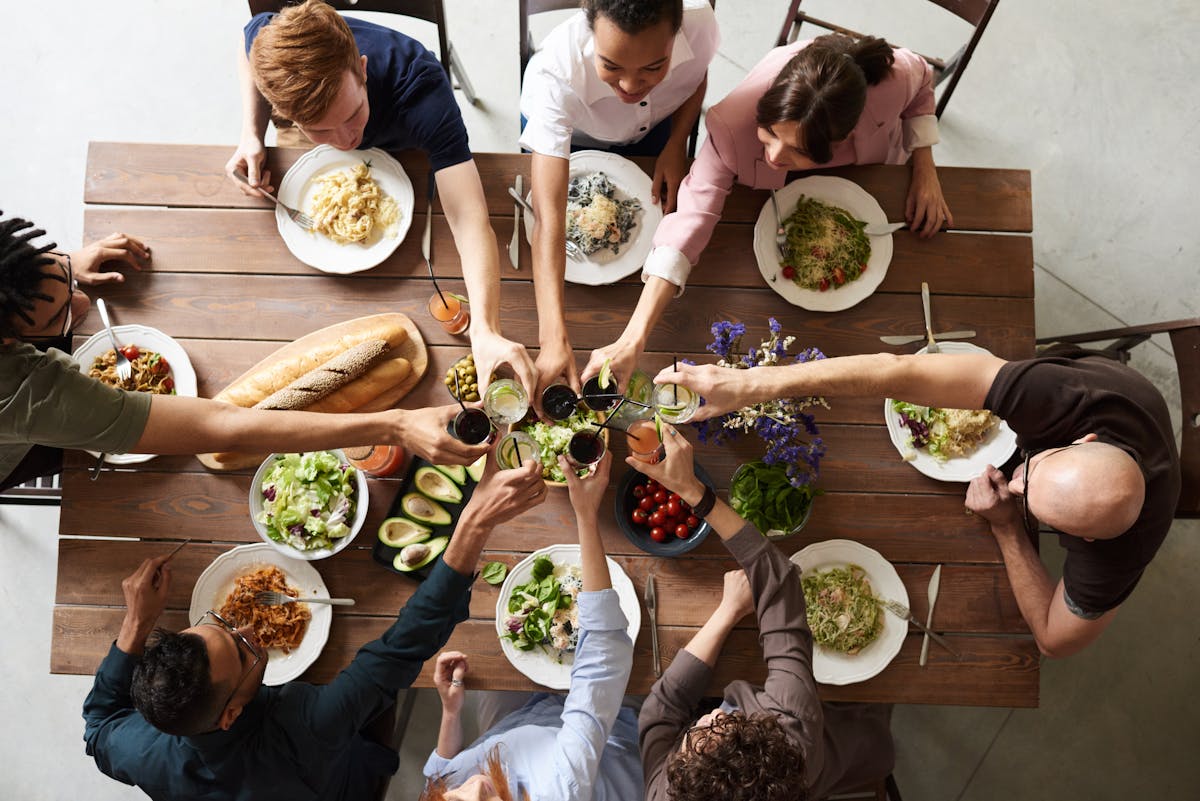
- Sharing meals with family or friends whenever possible
- Daily walking, gentle movement, and fresh air
- Sunlight exposure, especially in the morning
- Stress management rituals like afternoon tea, siestas, or evening strolls
For people burnt out on calorie counting, this holistic framing feels refreshing. It shifts the mindset from punishment and restriction to nourishment and enjoyment.
5. Adaptability and Cultural Fusion
One reason Mediterranean Diet 2.0 has gone so viral is its flexibility. You don’t have to live on the Aegean coast to cook this way; you can apply its principles to your own local ingredients and cultural favorites.
Common fusion strategies include:
- Swapping olive oil for butter in everyday cooking.
- Using herbs, citrus, and garlic instead of heavy cream sauces.
- Making fish or legumes the default protein in tacos, bowls, and pasta dishes.
- Boosting traditional recipes with extra beans or lentils for higher protein and fiber.
- Reinventing dips and spreads—think Greek‑yogurt tzatziki or hummus with added edamame.
The result is an eating pattern that can support healthy aging, metabolic health, and weight control without feeling like you’ve signed up for a temporary “diet.”
Recipe: High‑Protein Mediterranean Power Bowl
To bring the Protein‑Fortified Mediterranean Diet 2.0 to life in your kitchen, here’s a vibrant, meal‑prep‑friendly recipe: a High‑Protein Mediterranean Power Bowl loaded with grilled chicken or chickpeas, quinoa, crunchy vegetables, creamy Greek yogurt tzatziki, and plenty of olive oil and herbs.
Ingredients
This recipe builds multiple layers—grain base, protein, vegetables, and sauce—just like the most popular Mediterranean “macro bowls” you see online.
For the Grain and Legume Base
- 1 cup quinoa, rinsed (or farro for a more traditional Mediterranean grain)
- 2 cups low‑sodium vegetable or chicken broth (or water)
- 1 can (15 oz / ~425 g) chickpeas, drained and rinsed
- 1 tbsp extra‑virgin olive oil
- 1 tsp ground cumin
- 1/2 tsp smoked paprika (optional but delicious)
- Sea salt and freshly ground black pepper, to taste
For the Protein
Choose one or mix and match to hit your protein target.
- 1 lb (450 g) boneless, skinless chicken breasts or thighs, trimmed
- 2 tbsp extra‑virgin olive oil
- Juice of 1 lemon
- 2 cloves garlic, minced
- 1 tsp dried oregano
- 1/2 tsp dried thyme or rosemary
- Sea salt and pepper, to taste
- Vegetarian/vegan option: Substitute with
- 14 oz (400 g) extra‑firm tofu, pressed and cubed, marinated as above; or
- Additional 1 can chickpeas, roasted with the same spices.
For the Vegetables and Toppings
- 1 cup cherry tomatoes, halved
- 1 cucumber, diced
- 1 small red onion, thinly sliced
- 1 bell pepper (any color), diced
- 1/2 cup Kalamata olives, pitted and halved (optional but classic)
- 1/2 cup crumbled feta cheese (omit or use vegan feta for dairy‑free)
- 1/4 cup fresh parsley, chopped
- 2 tbsp fresh mint or dill, chopped (optional but very aromatic)
- 2–3 tbsp extra‑virgin olive oil, for drizzling
- Lemon wedges, for serving
For the High‑Protein Greek Yogurt Tzatziki
- 1 1/2 cups plain Greek yogurt (2% or 0% for lighter, 5% for creamier)
- 1/2 cucumber, finely grated and squeezed dry
- 1–2 cloves garlic, finely minced
- 2 tbsp extra‑virgin olive oil
- Juice of 1/2 lemon
- 2 tbsp fresh dill, finely chopped (or mint/parsley)
- Sea salt and pepper, to taste
Step‑by‑Step Cooking Instructions
These steps mirror what you’ll see in popular Mediterranean bowl videos: efficient, layered cooking that builds big flavor with simple techniques.
Marinate the protein.
In a medium bowl, whisk together olive oil, lemon juice, minced garlic, oregano, thyme, salt, and pepper. Add the chicken (or tofu), coating well. Cover and let marinate in the fridge for at least 15 minutes (or up to 8 hours).
Cook the quinoa base.
Rinse quinoa under cold water. In a saucepan, combine quinoa and broth. Bring to a boil, then reduce to a gentle simmer, cover, and cook for 15 minutes, or until the liquid is absorbed. Turn off heat, let sit covered for 5 minutes, then fluff with a fork.
Season the chickpeas.
While the quinoa cooks, pat the chickpeas dry with a clean towel. Toss with olive oil, cumin, smoked paprika, salt, and pepper.
You can either:
- Pan‑toast them in a dry skillet over medium heat for 5–7 minutes, until lightly crisp, or
- Roast at 400°F (200°C) for 15–20 minutes for extra crunch.
Grill or sear the protein.
Heat a grill pan or skillet over medium‑high heat. Cook the chicken 5–7 minutes per side, until nicely browned and cooked through (internal temperature 165°F / 74°C). Rest for 5 minutes, then slice. For tofu, cook until golden on all sides.

Grill or pan‑sear your protein until lightly charred and juicy—this adds smoky depth to the bowl. Make the high‑protein tzatziki.
In a bowl, combine Greek yogurt, grated and squeezed‑dry cucumber, garlic, olive oil, lemon juice, dill, salt, and pepper. Stir until creamy. Taste and adjust with more lemon or salt as needed. Chill until serving.

Thick Greek yogurt tzatziki adds extra protein and a cool, garlicky contrast to the warm grains and protein. Prep the vegetables and toppings.
Halve the cherry tomatoes; dice cucumber and bell pepper; thinly slice red onion; chop parsley and mint. If the onion tastes strong, soak the slices in cold water for 10 minutes, then drain.
Assemble the Mediterranean power bowls.
Divide quinoa among 4 bowls. Top each with grilled chicken (or tofu), spiced chickpeas, and a generous mix of tomatoes, cucumber, bell pepper, red onion, and olives. Add a spoonful of feta and a big dollop of tzatziki.
Drizzle with olive oil, sprinkle with herbs, and serve with lemon wedges.
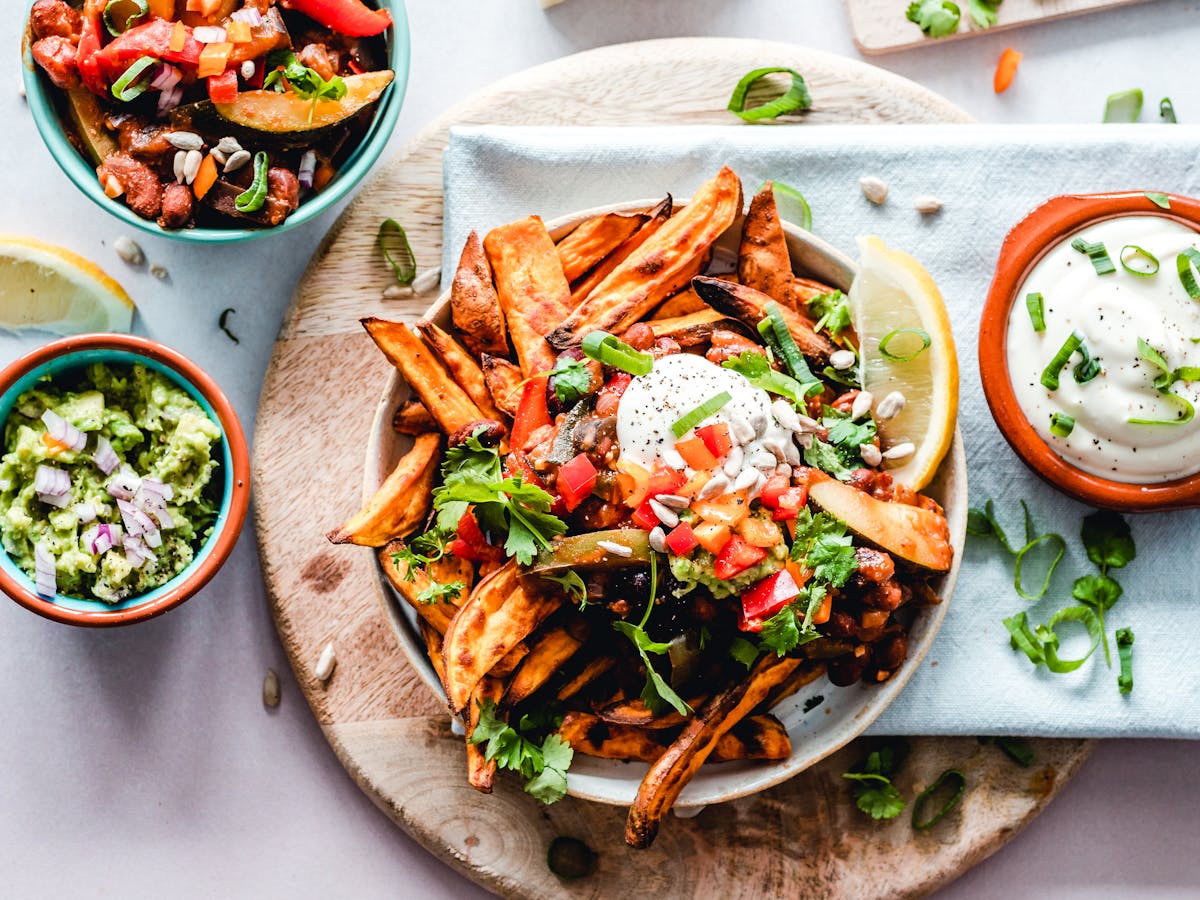
Layer grains, protein, vegetables, and sauce to build a balanced, Instagram‑ready Mediterranean bowl. Finish and taste.
Take a moment to taste a forkful of each layer together. Adjust with a pinch more salt, a drizzle of olive oil, or an extra squeeze of lemon if needed. The bowl should taste bright, savory, and refreshing—never heavy.
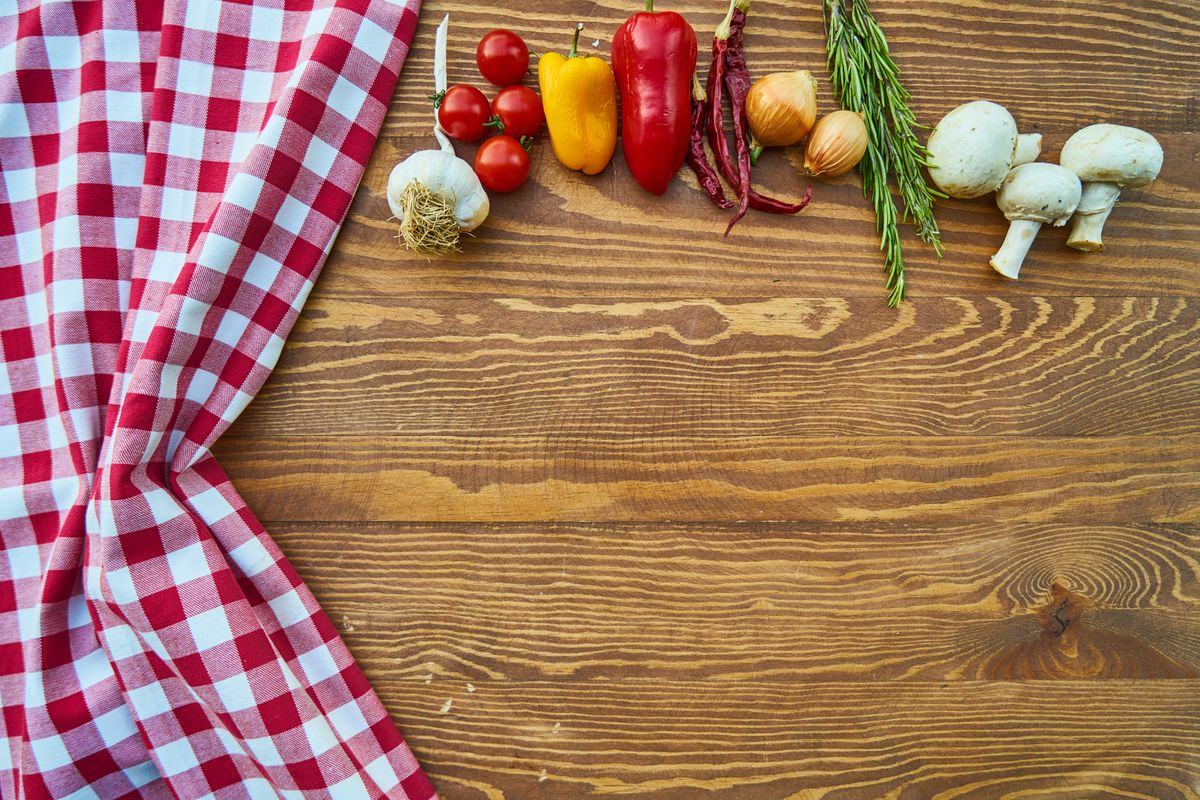
The final dish should look bright and inviting: a balance of colors, textures, and Mediterranean flavors.
High‑Protein Mediterranean Nutrition Notes
Exact numbers depend on your specific ingredients and portions, but a typical bowl with chicken, chickpeas, quinoa, vegetables, feta, and Greek yogurt tzatziki can easily provide:
- 30–40 g protein per serving (or more, if you increase the chicken or yogurt)
- High fiber from quinoa, chickpeas, and vegetables
- Heart‑healthy fats from olive oil, olives, and feta
- Rich in antioxidants from herbs, tomatoes, onions, and colorful vegetables
This aligns beautifully with Protein‑Fortified Mediterranean Diet goals: high in quality protein and plants, moderate in healthy fats, and built on minimally processed, flavorful ingredients.
Substitutions and Dietary Adaptations
One of the joys of Mediterranean Diet 2.0 is how adaptable it is. Use these ideas to fit your preferences or dietary needs while keeping the spirit of the dish.
- Gluten‑free: Use quinoa or brown rice instead of farro or bulgur. Always check labels on broth and feta.
- Vegetarian: Swap chicken for marinated tofu, tempeh, extra chickpeas, or grilled halloumi cheese.
- Vegan: Use tofu/tempeh or extra legumes for protein and a dairy‑free yogurt for tzatziki; omit feta or use vegan feta.
- Lower‑fat: Choose 0–2% Greek yogurt, reduce added olive oil slightly, and go lighter on feta.
- Extra protein boost: Add an extra spoonful of Greek yogurt, a sprinkle of hemp seeds, or an additional 2–3 oz of chicken or tofu.
Storage and Reheating Guidelines
These Mediterranean power bowls are perfect for meal prep, especially if you store the components separately for the best texture.
- Grains and chickpeas: Store in airtight containers in the refrigerator for up to 4 days. Reheat gently in the microwave with a splash of water or broth.
- Cooked chicken or tofu: Refrigerate for up to 3–4 days. Reheat covered in the microwave or quickly in a skillet with a little olive oil to prevent drying out.
- Vegetables: Store chopped vegetables separately in airtight containers for 3 days. Tomatoes are best eaten within 2 days for peak flavor.
- Tzatziki: Keeps well in the fridge for 3–4 days; stir before using. The garlic flavor will intensify slightly over time.
- Fully assembled bowls: If you need grab‑and‑go meals, assemble in containers but keep the tzatziki and fresh herbs on the side until serving.
Serving Suggestions and Complementary Dishes
To fully embrace the Protein‑Fortified Mediterranean lifestyle, think beyond just the bowl to how you serve and enjoy it.
- Pair with a simple green salad dressed with olive oil, lemon, and oregano for extra crunch and volume.
- Serve small plates of marinated olives, roasted peppers, or hummus to evoke a mezze spread.
- Add a side of seasonal fruit—like orange slices or berries—for a sweet, antioxidant‑rich finish.
- Enjoy with sparkling water infused with citrus and herbs for a refreshing, non‑alcoholic drink.
- Most importantly, if possible, sit down and eat slowly, ideally with someone whose company you enjoy.
Bringing Mediterranean Diet 2.0 Into Your Everyday Life
The Protein‑Fortified Mediterranean Diet 2.0 isn’t about perfection—it’s about direction. Each time you drizzle olive oil instead of using heavy cream, add an extra spoonful of beans to a salad, or swap a rushed desk lunch for a colorful, protein‑rich bowl, you’re leaning into a pattern strongly linked with heart health, longevity, and sustainable weight management.
Start with this High‑Protein Mediterranean Power Bowl once this week. Notice how you feel—satisfied, energized, not weighed down—and let that experience guide your next small change. From there, it’s easy to build a personal “Mediterranean 2.0” repertoire that suits your taste, culture, and schedule.
