
Mediterranean 2.0 Magic: How High-Polyphenol Olive Oil and Pistachios Turn Everyday Meals into Blue Zone Feasts
Mediterranean 2.0: High-Polyphenol Olive Oil, Pistachios & Blue Zone Eating
There’s a delicious new chapter in the Mediterranean diet story, often called “Mediterranean 2.0.” It zooms in on a handful of star ingredients—high‑polyphenol extra‑virgin olive oil, nuts like pistachios and walnuts, beans, and leafy greens— all woven together with the gentle wisdom of Blue Zone eating, where people routinely live vibrant, long lives. Think generous green-gold drizzles of peppery olive oil, earthy chickpeas, crunchy pistachios, and mountains of herbs on your plate.
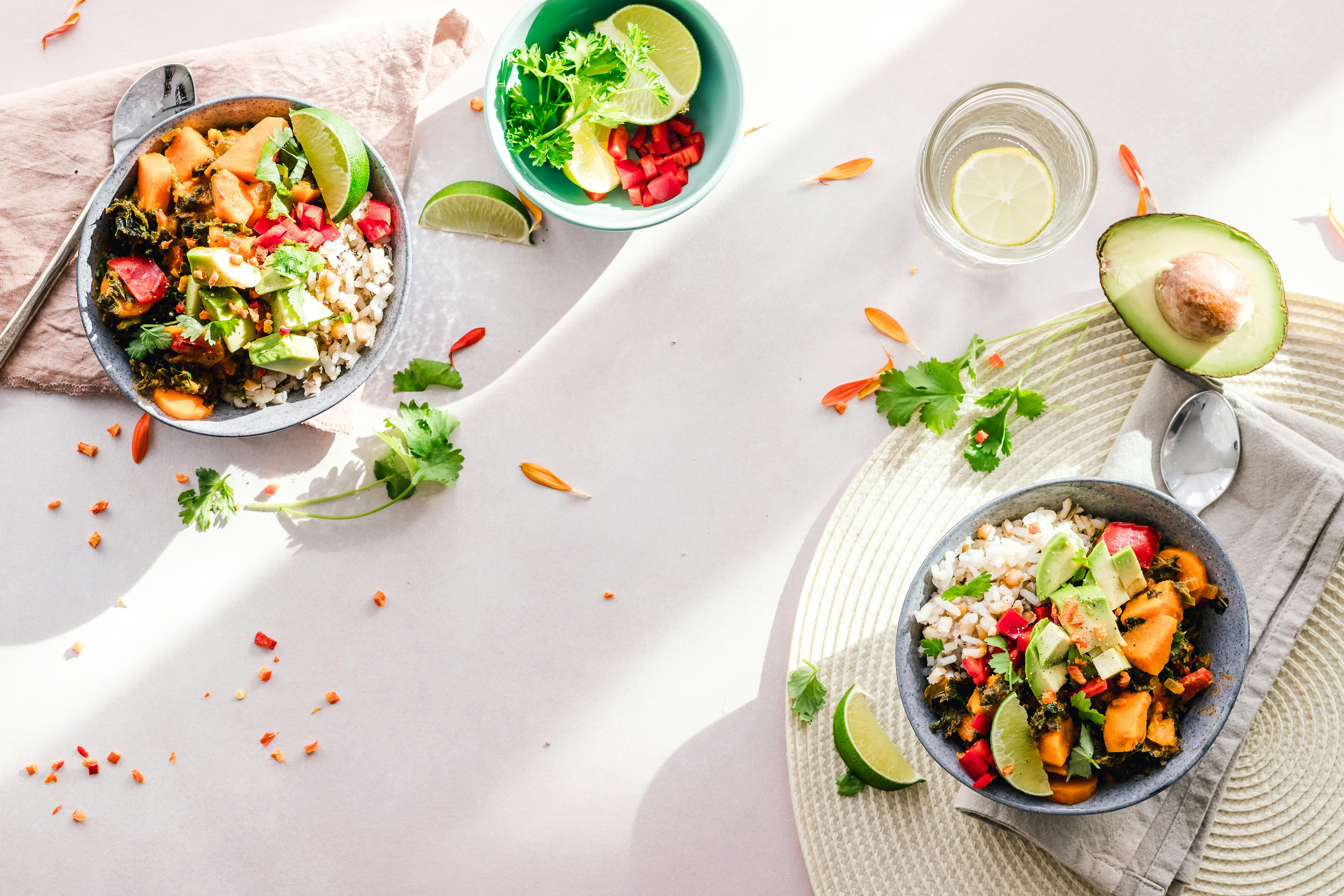
Below, you’ll find a Blue Zone–inspired, Mediterranean 2.0 recipe: a High‑Polyphenol Olive Oil Chickpea & Pistachio Power Bowl. It’s a cozy, fragrant, one‑bowl meal built for heart health, brain support, and everyday joy at the table—no chef training required.
What Is “Mediterranean 2.0” and Why Is It Everywhere?
On YouTube, podcasts, and TikTok, doctors, dietitians, and longevity enthusiasts are re‑telling the Mediterranean diet story with a sharper focus. Instead of just “olive oil and salad,” Mediterranean 2.0 emphasizes:
- High‑polyphenol extra‑virgin olive oil (robust, peppery, dark green)
- Nuts, especially pistachios and walnuts
- Beans and lentils as daily staples
- Leafy greens and herbs in generous, flavorful quantities
- Mostly plant-based meals with modest fish and minimal ultra‑processed foods
This pattern mirrors what we see in Blue Zones like Sardinia and Ikaria: simple, mostly plant‑based meals, eaten slowly, with community and routine. Mediterranean 2.0 feels realistic—no strict rules, just a gentle nudge toward fiber‑rich, minimally processed, deeply satisfying food.
The Science in Simple Terms: Polyphenols, Nuts & Blue Zone Longevity
Health professionals are leaning on a growing body of evidence linking Mediterranean-style eating with:
- Lower risk of cardiovascular disease
- Improved cognitive function and brain health
- Better metabolic health, including blood sugar and cholesterol
High‑Polyphenol Extra‑Virgin Olive Oil
Polyphenols are plant compounds with antioxidant and anti‑inflammatory properties. Research suggests that higher‑polyphenol olive oils—often robust, slightly bitter, and peppery at the back of your throat—may offer more heart and vessel benefits than refined oils with fewer of these compounds.
On social media, you’ll see side‑by‑side tastings of olive oils, guides to reading harvest dates, and tutorials on drizzling “a good 2–3 tablespoons” over vegetables, beans, and even breakfast to maximize those polyphenols.
Pistachios & Walnuts: Snacking for Longevity
Nuts are tiny packages of healthy fats, plant protein, and fiber. In the Mediterranean 2.0 universe, two nuts get special attention:
- Pistachios – rich in plant protein, fiber, vitamin B6, and potassium, with a naturally sweet, buttery flavor and a satisfying crunch.
- Walnuts – a leading plant source of omega‑3 ALA, often spotlighted for their potential brain and heart benefits.
Recipes online are packed with “longevity snack mixes,” yogurt and fruit bowls topped with pistachios and walnuts, and leafy salads showered with nuts and seeds.
Blue Zone Patterns, Made Practical
Blue Zone–inspired meal plans revolve around beans, whole grains, vegetables, fruits, nuts, and olive oil, with a modest amount of fish and very little ultra‑processed food. On social media, this shows up as:
- Minestrone‑style soups and chickpea stews
- Lentil and bean salads dressed with olive oil and lemon
- Roasted vegetables with tahini or olive oil
- Fruit‑and‑nut desserts instead of heavy sweets
Mediterranean 2.0 slots neatly into modern priorities: longevity, brain health, heart protection, weight and blood sugar management, and even sustainability—thanks to its plant‑forward, low‑ultra‑processed foundation.
Recipe: High‑Polyphenol Olive Oil Chickpea & Pistachio Power Bowl
This Blue Zone–inspired Mediterranean 2.0 bowl is built around beans, nuts, and a generous drizzle of extra‑virgin olive oil. Warm, lemony chickpeas mingle with garlicky greens, crunchy pistachios, and creamy walnuts, all finished with a peppery olive‑oil dressing. It’s vibrant enough for guests but simple enough for a busy weeknight.

Ingredients for Your Mediterranean 2.0 “Blue Zone” Bowl
For the Chickpea & Greens Base
- 2 tablespoons high‑polyphenol extra‑virgin olive oil
- 1 small red onion, finely sliced
- 2 cloves garlic, minced
- 1 can (about 400 g / 14 oz) chickpeas, drained and rinsed
- 3 cups (loosely packed) leafy greens (spinach, kale, or chard), roughly chopped
- 1 teaspoon ground cumin
- 1/2 teaspoon smoked paprika (optional but lovely)
- Sea salt and freshly ground black pepper, to taste
For the Crunchy Nut & Herb Topping
- 1/4 cup shelled pistachios, roughly chopped
- 2 tablespoons walnuts, roughly chopped
- 2 tablespoons pumpkin or sunflower seeds (optional)
- 1/4 cup fresh parsley or cilantro, chopped
- Finely grated zest of 1 lemon
For the Lemon–Olive Oil Dressing
- 3 tablespoons high‑polyphenol extra‑virgin olive oil
- 2 tablespoons fresh lemon juice
- 1 teaspoon Dijon mustard (optional for creaminess)
- 1 teaspoon honey or maple syrup (or to taste)
- Sea salt and black pepper, to taste
Optional Grain Base (for a Heartier Bowl)
- 1 cup cooked farro, barley, brown rice, or quinoa
Equipment You’ll Need
- Large, wide skillet or sauté pan
- Cutting board and sharp knife
- Small bowl or jar with lid for dressing
- Wooden spoon or spatula
- Measuring spoons and cups
- Serving bowls
Step‑by‑Step: How to Cook Your Mediterranean 2.0 Bowl
1. Prep Your Ingredients
Drain and rinse the chickpeas. Slice the red onion, mince the garlic, and chop the greens, nuts, and herbs. Zest and juice your lemon.
2. Build a Flavorful Chickpea & Greens Base
- Warm 2 tablespoons olive oil in a large skillet over medium heat.
- Add the sliced onion and a pinch of salt. Cook, stirring occasionally, for 5–7 minutes, until softened and slightly golden at the edges.
- Stir in the garlic, cumin, and smoked paprika. Cook for 30–60 seconds, just until fragrant (you should smell a warm, toasty aroma).
- Add the chickpeas and toss to coat in the spiced oil. Cook for 3–4 minutes, letting a few chickpeas catch a little color for extra flavor.
- Add the chopped greens and a splash of water if the pan looks dry. Cook for another 2–4 minutes, until the greens are wilted but still bright. Season generously with salt and black pepper.
3. Whisk the Lemon–Olive Oil Dressing
- In a small bowl or jar, combine 3 tablespoons olive oil, lemon juice, Dijon mustard (if using), and honey or maple syrup.
- Season with a pinch of salt and pepper.
- Whisk or shake until the dressing is slightly thickened and glossy.
Taste: it should be bright, lemony, and just a little sweet, with the olive oil’s peppery notes shining through.
4. Mix the Nut & Herb Topping
- In a small bowl, combine the chopped pistachios, walnuts, and seeds (if using).
- Add the chopped herbs and lemon zest.
- Toss gently to create a fragrant, colorful sprinkle.
You’ll get a mix of textures here: crunchy nuts, soft herbs, and citrusy perfume from the zest.
5. Assemble Your Mediterranean 2.0 Bowls
- If using grains, spoon a warm layer of farro, barley, rice, or quinoa into the bottom of each bowl.
- Top with a generous scoop of the chickpea and greens mixture.
- Drizzle each bowl with a few spoonfuls of the lemon–olive oil dressing.
- Finish with a handful of the nut and herb topping.
You’re looking for contrast on every forkful: silky chickpeas, chewy grains, crunchy nuts, and bright herbs, all wrapped in the fruity, peppery richness of extra‑virgin olive oil.
Serving Suggestions & Complementary Dishes
This chickpea and pistachio bowl is a complete meal on its own, but you can easily turn it into a feast:
- Serve with a simple tomato–cucumber salad dressed in olive oil and vinegar.
- Add a small side of grilled or roasted fish for more protein, in true Mediterranean style.
- Offer a plate of orange slices and a few extra walnuts for a light, Blue Zone–inspired dessert.
- Pair with whole‑grain sourdough to mop up any leftover juices and dressing.
For a cozy, family‑style spread, set everything out in the middle of the table: warm chickpeas, grains, herbs, nuts, and a bottle of olive oil for extra drizzling. Let everyone build their own bowl—Mediterranean 2.0 is as much about joy and togetherness as it is about nutrients.
Storage, Meal Prep & Reheating
How to Store
- Chickpea & greens mixture: Store in an airtight container in the refrigerator for up to 3–4 days.
- Dressing: Keeps well in the fridge for up to 5 days. Bring to room temperature and shake before use, as olive oil may thicken when cold.
- Nut & herb topping: For best crunch, store nuts and seeds in a small airtight container at room temperature and add herbs fresh just before serving.
Reheating
- Rewarm chickpeas and greens gently in a skillet over low–medium heat with a splash of water or olive oil, just until hot.
- If using grains, reheat separately or together with the chickpeas in the skillet.
- Add fresh dressing, herbs, and nuts only after reheating to preserve their flavor and crunch.
Making Mediterranean 2.0 a Daily Habit
You don’t need a complete lifestyle overhaul to benefit from Mediterranean 2.0 principles. Think small, tasty shifts:
- Use extra‑virgin olive oil as your default fat for cooking and dressing.
- Eat beans or lentils at least 3–4 times per week.
- Snack on a small handful of pistachios or walnuts instead of chips or sweets.
- Fill half your plate with vegetables and leafy greens.
- Enjoy fruit and nuts for dessert most days.
Over time, these gentle shifts add up—to better energy, more stable appetite, and a plate that quietly supports your heart, brain, and long‑term health. And the best part? It’s delicious every step of the way.
“In the Blue Zones, people don’t chase longevity—they cook simple, joyful, mostly plant-based meals, share them with others, and repeat that ritual for decades. Your kitchen can become your own little Blue Zone, one bowl at a time.”
