
Mediterranean 2.0: Glucose-Friendly Hacks for Steady Energy & Satisfying Meals
Mediterranean 2.0: A Glucose-Friendly Mediterranean Power Bowl
Mediterranean 2.0 takes everything we love about the classic Mediterranean diet—olive oil, bright vegetables, beans, herbs, fish—and layers on simple “glucose-friendly” habits like veggie starters, vinegar-rich dressings, and smart carb sequencing. The result is a way of eating that feels vibrant and soulful, yet also supports steadier blood sugar, cravings, and energy throughout the day.
This recipe for a Glucose-Friendly Mediterranean Power Bowl shows you exactly how to put those viral “glucose goddess” style hacks into a real-life, weeknight-friendly meal: you’ll start with bitter greens and crunchy veggies, drizzle on a tangy vinegar and olive-oil dressing, tuck in satisfying protein and beans, and finish with slow-digesting whole grains. Every bite is sunny, fresh, and deeply satisfying.
Quick Recipe Snapshot
Prep Time
20 minutes
Cook Time
20 minutes
Total Time
40 minutes
Servings
2 generous bowls
Difficulty
Easy – great for weeknights
This dish is naturally high in fiber, rich in healthy fats, and can easily be made gluten-free and plant-based. It’s tailored to people looking for blood-sugar-friendly Mediterranean recipes, whether you’re navigating prediabetes, PCOS, midlife weight changes, or simply want more stable energy.
What Is “Mediterranean 2.0” and Why Does It Help Blood Sugar?
The traditional Mediterranean diet has decades of research behind it for heart health and longevity. Recently, it’s been “remixed” online with viral glucose optimization tips: think apple cider vinegar before meals, veggie starter salads, and carb sequencing to keep your post-meal blood sugar gentler.
- Meal sequencing: Eat non-starchy vegetables and protein first, and starches like bread, pasta, or rice last.
- Vinegar & bitter greens: A tangy dressing or small vinegar drink before eating can modestly blunt glucose spikes for some people.
- Carb quality: Favor intact whole grains, sourdough bread, and legumes rather than refined flours and sugars.
- Healthy fats: Olive oil, nuts, seeds, and fatty fish help keep you satisfied and slow digestion.
- Lifestyle pairing: Short walks after meals and relaxed, social eating further support metabolic health.
Dietitians generally support these habits as long as they’re kept flexible and food-positive. You don’t need a continuous glucose monitor to benefit; you just need a plate built like this bowl: fiber and protein first, smart carbs last, and plenty of flavor all the way through.
Ingredients for a Glucose-Friendly Mediterranean Bowl

For the bowl
- 1 cup (200 g) cooked farro or barley (or cooked quinoa for a gluten-free option)
- 1 cup (170 g) cooked chickpeas, drained and rinsed
- 2 small fillets (about 200 g) salmon or firm tofu (for a vegan version)
- 3 cups (about 180 g) mixed non-starchy vegetables – for example:
- Cherry tomatoes, halved
- Cucumber, diced
- Bell pepper, sliced
- Radishes, thinly sliced
- Shredded carrot
- 2 cups (60 g) mixed leafy greens (arugula, romaine, baby spinach, or a mix)
- 1/4 cup (30 g) pitted Kalamata olives, halved
- 1/4 cup (30 g) crumbled feta cheese (or a vegan feta-style cheese, optional)
- 2 tbsp (30 g) toasted nuts or seeds – almonds, walnuts, or pumpkin seeds all work well
- 1/2 lemon, cut into wedges, for serving
- A small handful of fresh herbs (parsley, basil, or dill), chopped, for garnish (optional)
For the vinegar-forward Mediterranean dressing
- 2 tbsp (30 ml) red wine vinegar or apple cider vinegar
- 2 tbsp (30 ml) extra-virgin olive oil (plus about 1 tsp extra for cooking salmon or tofu)
- 1 tsp Dijon mustard
- 1 small garlic clove, finely grated or minced
- 1 tsp dried oregano or Italian seasoning
- 1/4 tsp sea salt, plus a pinch more for seasoning the grains and protein
- Freshly ground black pepper, to taste
Equipment You’ll Need
- Medium pot for cooking grains
- Small pan or skillet (or oven-safe dish) for salmon or tofu
- Cutting board and sharp chef’s knife
- Small jar with lid or bowl and whisk for dressing
- Two shallow bowls or plates for serving
- Tongs or a spatula for turning the protein
Step-by-Step: Building Your Mediterranean 2.0 Power Bowl
- Cook the grains.
If your farro, barley, or quinoa isn’t cooked yet, rinse it briefly under cool water. Cook according to package directions until just tender but still pleasantly chewy. Drain any excess water and spread the grains on a plate or shallow bowl to cool slightly—this helps keep the texture toothsome and can modestly improve their glucose impact.
- Prepare the protein.
Pat your salmon or tofu dry. Season with a pinch of sea salt, black pepper, and a light drizzle (about 1 tsp) of olive oil.
For salmon: Sear in a hot nonstick or cast-iron pan over medium-high heat, about 3–4 minutes per side, until the exterior is crisp and the center is just opaque. For tofu: Pan-sear sliced or cubed tofu over medium heat for 3–5 minutes per side until golden and lightly crisp.
- Chop the Mediterranean vegetables.
While the grains and protein cook, chop your vegetables: halve cherry tomatoes, dice cucumber and bell pepper, slice radishes thinly, and shred carrot. Rinse and dry your leafy greens thoroughly so they stay crisp.
Arrange everything in little piles on a board or platter—it makes assembly easier and turns your kitchen into a mini mezze bar.
- Make the vinegar & olive oil dressing.
In a small jar or bowl, combine the vinegar, extra-virgin olive oil, Dijon mustard, minced garlic, dried oregano, sea salt, and black pepper. Shake or whisk until slightly thickened and glossy.
Taste: you want a bright, tangy flavor with enough richness from the olive oil to feel luxurious. Adjust with a pinch more salt or a splash of vinegar if you like it punchier.
- Warm the chickpeas and grains (optional but cozy).
For a comforting, fall–winter Mediterranean bowl, briefly warm the chickpeas and grains together in a pan with a teaspoon of olive oil and a pinch of salt and oregano. Keep them on the slightly al dente side so they retain their pleasant chew.
- Assemble the bowl with carb sequencing in mind.
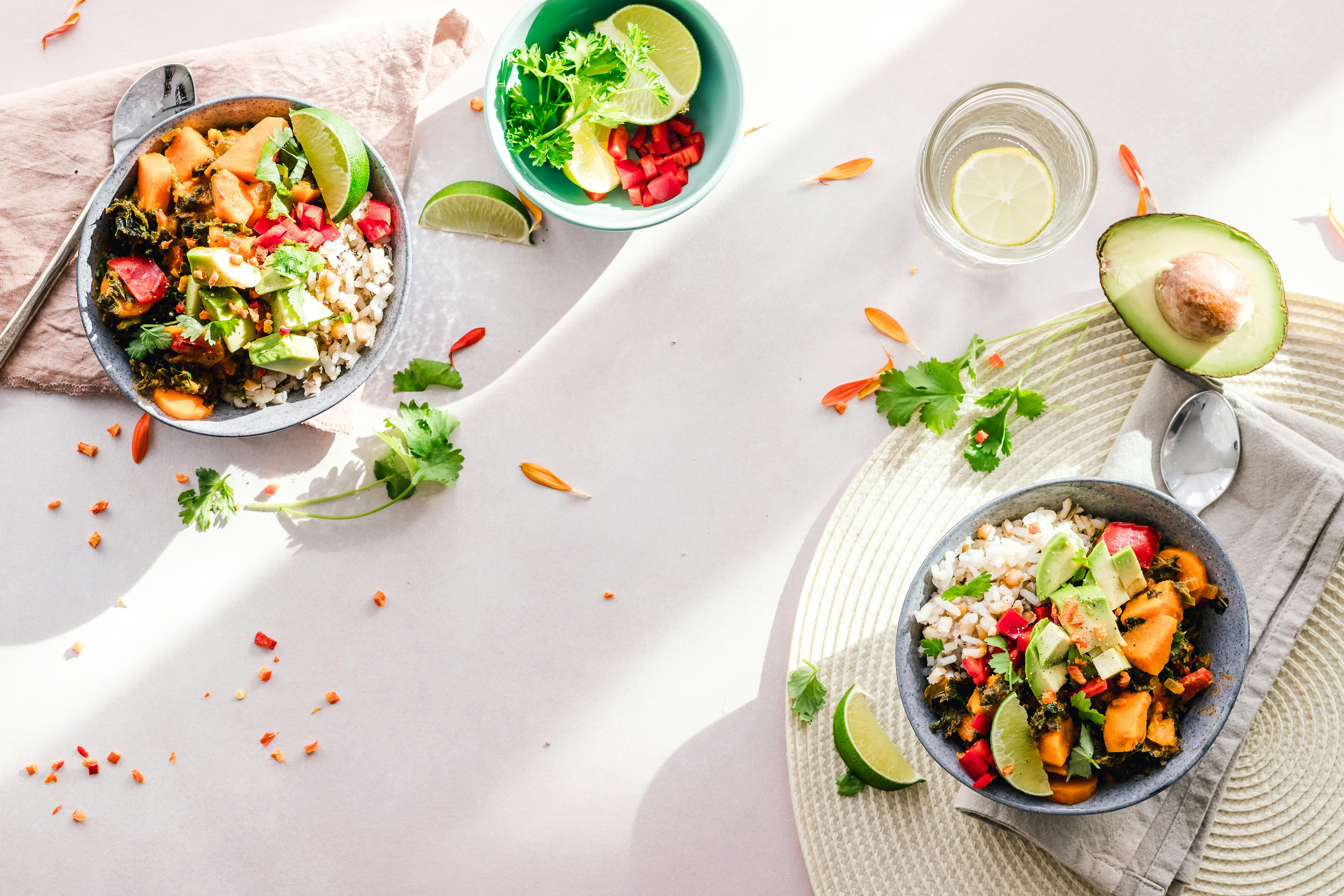
Divide the leafy greens between two wide bowls—this is your veggie starter layer. Arrange the chopped vegetables, chickpeas, olives, nuts or seeds, and feta (if using) over the greens.
Nestle the salmon or tofu on top. Finally, spoon the grains into one section of the bowl rather than mixing them in completely. This layout makes it easy to eat:
- First: crunchy salad and leafy greens
- Next: protein, chickpeas, olives, nuts
- Last: the whole grains
- Dress, garnish, and serve.
Drizzle most of the dressing over the vegetables, greens, beans, and protein, leaving the grain portion lightly dressed or plain. Squeeze fresh lemon over everything and scatter chopped herbs on top.
Take a breath, inhale the garlic-oregano aroma, and notice the colors: ruby tomatoes, jade cucumber, inky olives, and the burnished sear on your salmon or tofu. This sensory pause is a quiet Mediterranean hack for mindful eating.
- Pair with a gentle post-meal walk.
When you’ve finished your bowl—carbs last if you’re following the full Mediterranean 2.0 playbook—head out for a relaxed 10–15 minute walk. This simple habit has been shown to help blunt post-meal glucose rises and feels wonderfully grounding.
Variations, Swaps & Dietary Adaptations
Make it vegan
- Use tofu, tempeh, or grilled seitan instead of salmon.
- Swap feta for a crumbly vegan cheese or extra toasted nuts/seeds.
- Double the chickpeas for extra plant protein and fiber.
Make it gluten-free
- Use quinoa, brown rice, or buckwheat instead of farro or barley.
- Check that your mustard and vinegar are certified gluten-free if needed.
Lower-carb, higher-fiber tweaks
- Halve the amount of grains and increase non-starchy veggies or leafy greens.
- Swap some grains for extra chickpeas or lentils to keep the meal satisfying.
- Add more avocado, nuts, or seeds for extra satiety from healthy fats.
Flavor twists
- Add a spoonful of pesto or a sprinkle of za’atar to the grains.
- Use a mix of radicchio and arugula for a more bitter, glucose-friendly veggie starter.
- Top with a spoonful of plain Greek yogurt and lemon zest for extra creaminess and protein.
Storage, Meal Prep & Reheating Tips
Mediterranean 2.0 bowls are perfect for meal prep when you keep a few glucose-friendly principles in mind.
How to store
- Grains & chickpeas: Store together in an airtight container for up to 4 days in the fridge.
- Cooked salmon or tofu: Store separately, tightly covered, for up to 3 days.
- Chopped vegetables & greens: Store in separate containers lined with a paper towel to absorb moisture; use within 3–4 days.
- Dressing: Keeps in the fridge for about 1 week. Shake well before using.
Reheating guidelines
- Rewarm grains and chickpeas gently in a pan with a splash of water or broth just until heated through.
- Warm salmon or tofu briefly in a low oven or skillet to avoid drying it out—or enjoy it cold like leftover Mediterranean mezze.
- Keep vegetables and greens cold and crisp; assemble your bowl just before serving and dress at the last minute.
Serving Ideas & Complementary Mediterranean Dishes
Turn your glucose-friendly Mediterranean bowl into a full feast by pairing it with simple sides that play nicely with blood sugar.
- Starter: A small plate of bitter greens (arugula, radicchio) with lemon and olive oil as an extra veggie-first course.
- Side dish: Grilled or roasted non-starchy vegetables like zucchini, eggplant, and peppers with herbs.
- Sip: Sparkling water with lemon, lime, or a splash of vinegar-based shrub for a tangy, low-sugar drink.
- Dessert: A few fresh berries with a dollop of Greek yogurt and chopped nuts for a fiber- and protein-rich sweet finish.

The beauty of Mediterranean 2.0 is that it’s not about perfection or cutting out joy—it’s about stacking small, tasty habits in your favor: more vegetables, better fats, smarter carbs, and a little movement after you eat. With bowls like this in your weekly rotation, you’re living the trend in the most delicious way possible.
