
Martin O’Neill’s Celtic Revelation: Why the Interim Boss Believes He Earned a Longer Stay
Martin O’Neill has revealed he would “happily have stayed on” as Celtic manager after an interim spell that produced seven wins from eight games, a surge that briefly steadied a turbulent season and reopened old questions about the club’s long-term vision in the Scottish Premiership.
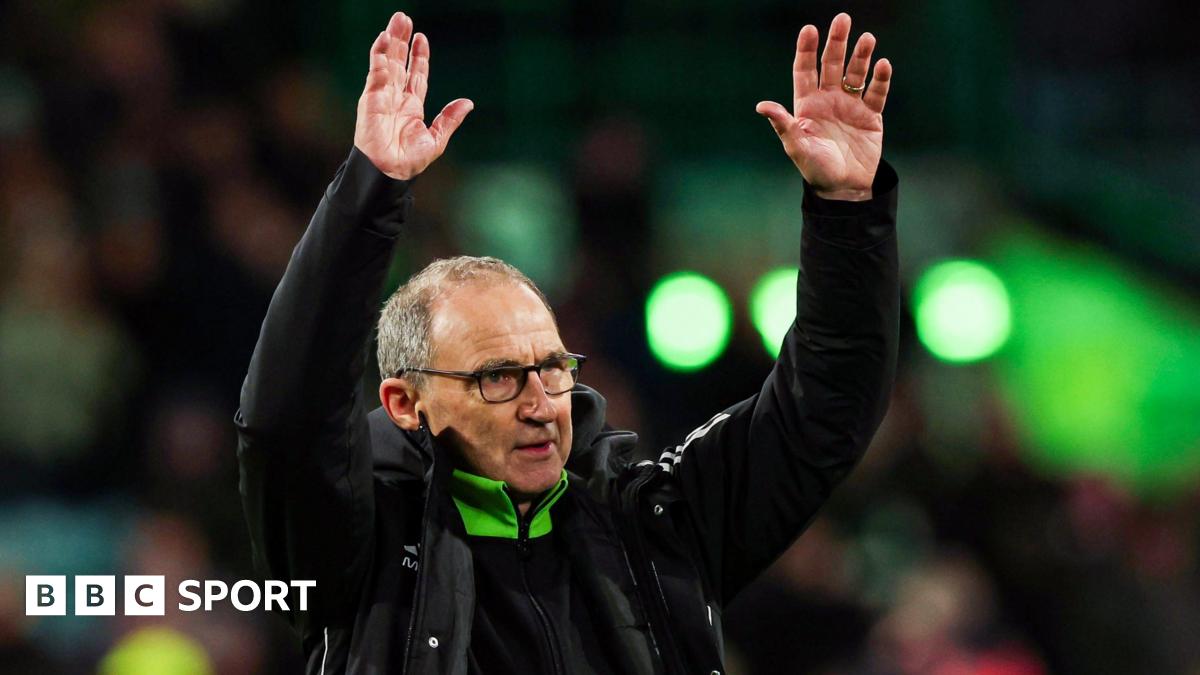
O’Neill’s Interim Impact Rekindles a Celtic What-If
At 73, O’Neill’s return to the Celtic dugout was supposed to be a short, stabilising cameo. Instead, it became a powerful reminder of his aura in Glasgow: pragmatic tactics, sharp in-game adjustments, and a sense of calm that translated into results. As the reins passed back to the “affable” French coach Nancy after what O’Neill describes as a “10 or 15-minute conversation”, the numbers and the mood around Celtic Park made one thing clear—this brief chapter will fuel debate for months.
A Legacy Revisited: Why Martin O’Neill Still Resonates at Celtic
O’Neill’s relationship with Celtic is layered with history and silverware. His first spell, from 2000 to 2005, delivered:
- 3 Scottish Premiership titles
- 3 Scottish Cups
- 1 Scottish League Cup
- A run to the 2003 UEFA Cup final
That era established him as one of the most influential managers in modern Celtic history, turning Celtic Park into a fortress and restoring the club as a European presence. So when Celtic turned to him for an interim spell in 2025, it was as much about harnessing his authority as it was about nostalgia.
This time, however, the context was different: a team bruised by inconsistency, a fanbase demanding clarity, and a league campaign that had shown worrying fragility at home.
Seven Wins from Eight: Inside O’Neill’s Interim Turnaround
The raw numbers from O’Neill’s short stint are hard to ignore. In a pressure-packed window, Celtic rediscovered a winning rhythm that had been missing for long stretches of the campaign.
| Stat | Value |
|---|---|
| Matches | 8 |
| Wins | 7 |
| Draws | 0 |
| Losses | 1 |
| Win Rate | 87.5% |
While the sample size is small, an 87.5% win rate under intense scrutiny is impressive at any level. Celtic’s pressing structure tightened, transitions became more purposeful, and veterans appeared rejuvenated.

From an analytics perspective, the eye test matched the metrics: higher shot volume, more entries into the final third, and improved game control in the final 20 minutes—precisely the phases where Celtic had been vulnerable earlier in the season.
O’Neill Speaks: “I Would Happily Have Stayed On”
O’Neill’s own words cut through any ambiguity about how he felt the interim chapter had gone. Reflecting on the brief handover period with Nancy, he made his stance clear.
“We only had a 10 or 15-minute conversation as the changeover took place,” O’Neill said of his meeting with Nancy. “He was very affable. But from my point of view, I would happily have stayed on. The players responded, the results were there, and I felt there was still more we could achieve together.”
The quote underlines two key themes:
- Respect for the incoming manager and the club’s decision-making.
- A quiet but firm belief that his work wasn’t finished.
It’s rare to hear a manager be this direct about wanting to continue, especially at a club where he already enjoys legendary status.
Nancy’s Task: Repairing Celtic’s Home Aura
The French coach Nancy inherits both an opportunity and a problem. The opportunity is a squad freshly reminded of its own capabilities; the problem is a sequence of damaging home defeats that rattled confidence at Celtic Park earlier in the season.
Those home losses in the Scottish Premiership raised questions about:
- Defensive concentration against deep-block opponents.
- Game management when holding narrow leads.
- The psychological burden of expectation in front of a demanding crowd.

Nancy’s immediate mandate is clear: tighten the structure, restore authority at home, and build on the platform O’Neill has left rather than tearing it down. His track record in France suggests a preference for progressive, possession-based football—something that will appeal to Celtic fans if it translates into wins.
Tactical Contrast: O’Neill’s Pragmatism vs Nancy’s Philosophy
O’Neill and Nancy arrive at similar ambitions—domestic dominance and European credibility—by different tactical paths.
| Aspect | O’Neill (Interim) | Nancy (Projected) |
|---|---|---|
| Defensive Shape | Compact, organised, clear roles | Higher line, more proactive pressing |
| Possession | Pragmatic, direct when needed | Structured build-up, ball circulation |
| Attacking Focus | Wide delivery, quick counters | Combination play in central areas |
| Risk Profile | Risk-averse in big moments | More willing to take positional risks |
For Celtic supporters, the key question isn’t style in isolation—it’s results. Yet the transition from one approach to another can create short-term turbulence. The challenge for Nancy is to integrate his ideas without losing the solidity that O’Neill briefly restored.
Supporters Split Between Romance and Rebuild
Among Celtic fans, reaction to O’Neill’s comments has ranged from heartfelt calls for a longer stay to pragmatic acceptance that the club must look forward, not back.
- Long-time supporters see O’Neill as a symbol of a golden era, emotionally attached to the idea of one last extended run.
- Others worry that leaning on past icons can delay the difficult work of modernising recruitment, tactics, and European competitiveness.

The human side of this story is striking: a 73-year-old manager, still fiercely competitive, showing he can step back into an elite-pressure environment and deliver. For the players, that brief spell also provided a reminder of what high standards, clear messaging, and strong man-management feel like.
Form Trend: Celtic’s Results Before and During O’Neill
A simplified form chart helps illustrate the shift under O’Neill compared with the immediate run of games before his appointment.

While full underlying metrics (xG, pressing intensity, field tilt) are still being parsed, early indicators point toward a clear improvement in basic outputs: more points, more goals scored, and fewer late concessions.
What Comes Next for Celtic: Opportunity or Missed Chance?
From a purely performance-based standpoint, there is a compelling argument that O’Neill did enough to merit a longer look. Seven wins in eight is not easily dismissed, particularly in a league where margins at the top are razor-thin.
At the same time, Celtic’s board will point to the need for:
- A long-term tactical identity aligned with recruitment.
- Clear succession planning beyond a short-term caretaker bounce.
- European progress that demands modern, adaptable systems.
The real test of this decision won’t be how fondly O’Neill’s cameo is remembered, but whether Nancy can turn that platform into sustained domestic control and deeper European runs.

For now, O’Neill’s statement that he “would happily have stayed on” lingers as a powerful what-if. If Celtic surge under Nancy, the club will feel vindicated. If inconsistency returns, the narrative around this decision could become far more uncomfortable.
One way or another, this brief reunion between Celtic and Martin O’Neill has reminded Scottish football how quickly an old spark can catch fire again—and how brutally the modern game demands forward motion.
Further Reading and Official Resources
For fans and analysts looking to dive deeper into Celtic’s season, managerial changes, and Scottish Premiership statistics, the following official resources provide comprehensive coverage:
- Official Celtic FC Website
- Scottish Professional Football League (SPFL)
- BBC Sport – Scottish Premiership
- UEFA – European Competitions
- FBref – Scottish Premiership Advanced Stats
These sources offer detailed match reports, statistical breakdowns, and official updates that complement the tactical and narrative angles explored here.
