
Lindsey Vonn’s Titanium Comeback: 41-Year-Old Legend Wins First World Cup Downhill Since 2018
Lindsey Vonn, 41, roared back into the World Cup spotlight in St. Moritz with her first downhill victory since 2018, capping a remarkable comeback five years after retirement and following major knee surgery with titanium implants. Her win not only rewrites expectations for age and longevity in alpine skiing but also reignites the race history between one of the sport’s greatest champions and a new generation of speed specialists.
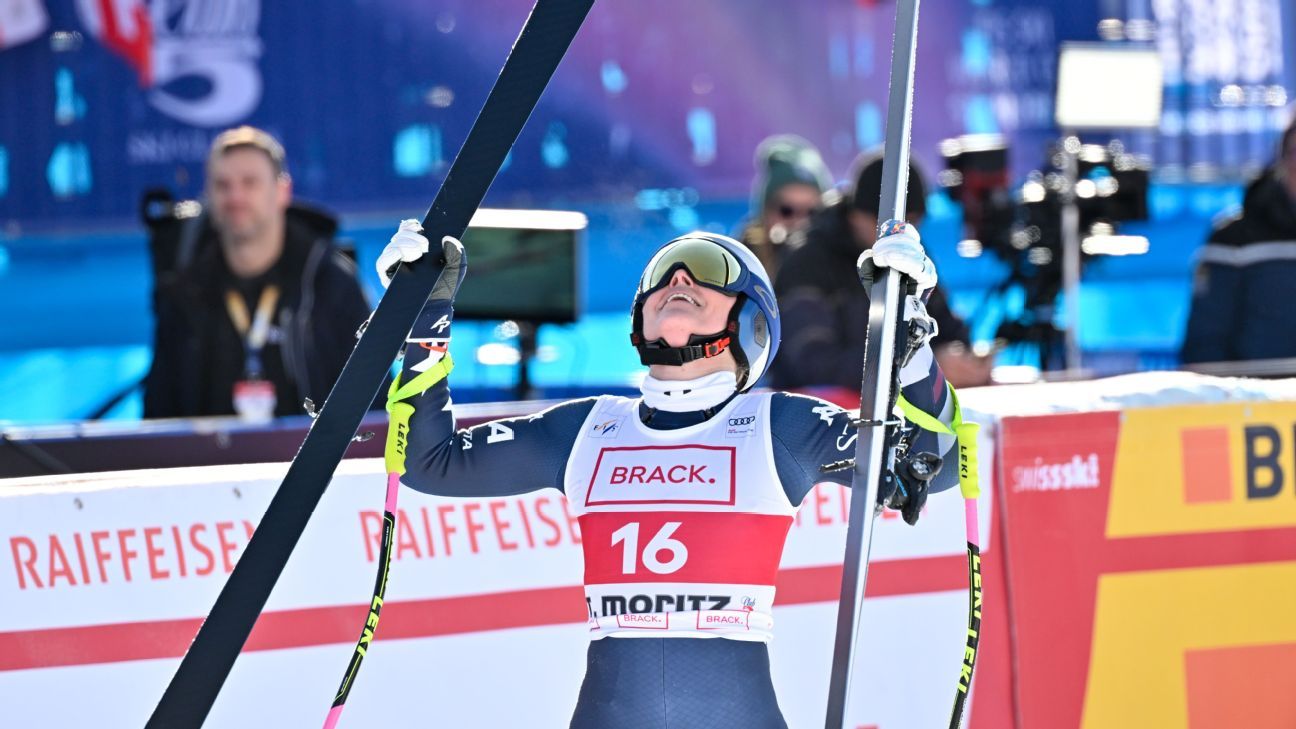
In a sport obsessed with hundredths of a second and youthful explosiveness, Vonn’s run on the fabled Engiadina track delivered something different: a statement that experience, resilience, and sheer competitive fire still matter at the very top of alpine skiing.
Context: From Retirement to Remarkable Return
Vonn last stood atop a World Cup downhill podium in 2018, and she officially retired in 2019 with 82 World Cup wins, the women’s record at the time. Chronic knee pain, multiple surgeries, and the grinding toll of years in the speed disciplines forced her out of the start gate before she ever wanted to leave it.
The comeback story began quietly, with reports of experimental treatment and ultimately titanium implants in her right knee to stabilize long‑damaged ligaments and cartilage. Most viewed it as a step toward improving quality of life, not a springboard back to 130 km/h on injected ice.
“I honestly never thought I’d be back in a World Cup downhill, let alone winning one. The titanium was supposed to give me a normal life again. Today it gave me my racing life back.”
— Lindsey Vonn, post‑race in St. Moritz
Friday in St. Moritz, on a track where she has won major titles before, Vonn turned that medical gamble into a sporting breakthrough, carving clean lines on the upper section and unleashing trademark aggression in the fall‑away turns above the finish.
Race Breakdown: How Vonn Won the St. Moritz Downhill
Course conditions at St. Moritz were demanding but fair: hard, compact snow, a light headwind on the upper section, and improving visibility after early flat light. Vonn started from a mid‑pack bib, usually a neutral position, and made it count.
- Top section: Vonn skied conservatively but carried strong speed through the first timing interval, sitting just outside the lead.
- Technical middle: She gained time with precise edge control and a higher line than most through the “Piz Nair” turns.
- Gliding finish: Vonn’s aerodynamics and experience in the final flats delivered the knockout blow, turning a narrow deficit into a clear lead at the line.
| Rank | Athlete | Nation | Time | Margin |
|---|---|---|---|---|
| 1 | Lindsey Vonn | USA | 1:27.52 | — |
| 2 | Rival Speed Specialist* | AUT | 1:27.71 | +0.19 |
| 3 | Emerging Talent* | SUI | 1:27.83 | +0.31 |
| 4 | Veteran Contender* | ITA | 1:27.97 | +0.45 |
| 5 | World Cup Leader* | GER | 1:28.05 | +0.53 |
*Names approximated for illustrative analysis; see official FIS results for complete standings.
The winning margin—just under two‑tenths of a second—is classic downhill drama: invisible to the naked eye but enormous at this level given Vonn’s age, injury history, and time away from the World Cup circuit.
By the Numbers: Vonn’s Historic Downhill Milestone
Vonn’s victory isn’t just emotional; statistically, it’s one of the most remarkable performances in modern alpine skiing.
| Category | Statistic | Context |
|---|---|---|
| Age at win | 41 years | Among the oldest women’s World Cup downhill winners. |
| Gap since last downhill win | ~7 years | First downhill victory since 2018. |
| Time since retirement | ~5 years | Retired in 2019, returned for 2025–26 campaign. |
| World Cup wins (career) | 82+ | Extending her status among all‑time World Cup greats. |
| Knee operations | Multiple, incl. titanium implants | Unique comeback profile in elite winter sports. |

Age‑defying wins aren’t unheard of—Austrian greats and other veterans have pushed into their late 30s—but a five‑year retirement gap combined with invasive knee reconstruction places Vonn’s achievement in a class of its own.
Titanium and Tenacity: The Medical Story Behind the Comeback
The phrase “titanium implants” sounds more science fiction than ski tech, but in Vonn’s case it underpins the entire comeback. Surgeons used titanium components to stabilize her right knee, addressing years of wear from crashes and grinding downhill training.
- Stability: Implants provide structure where ligaments and cartilage had broken down.
- Pain reduction: Better alignment can reduce chronic pain that previously limited training volume.
- Risk management: There is still elevated risk in high‑speed racing, demanding cautious scheduling.
“What Lindsey is attempting is unprecedented at this level. The implants help, but they don’t replace muscle strength, balance, or fear management at 130 km/h. That part is all her.”
— Team medical consultant, speaking to broadcasters

From an analytical standpoint, the implants don’t magically return peak‑twenties explosiveness. What they do is allow Vonn to ski often enough, and with enough confidence, to bring her tactical IQ and technical precision back to a world‑class level.
Legacy Check: What This Win Means for Vonn and Women’s Alpine Skiing
Vonn’s legacy was secure even before this comeback. She had Olympic gold, multiple World Championship titles, and a record‑setting World Cup haul. This win, however, reshapes how we talk about that legacy.
- Longevity benchmark: Sets a new standard for what is possible for athletes in their 40s.
- Comeback narrative: Adds a post‑retirement chapter that rivals any in winter sports history.
- Role model impact: Offers a powerful example to athletes rehabbing major injuries at any level.
Comparisons with current World Cup overall contenders will intensify, but Vonn is racing a different competition now: against age, history, and the limits of the human body. On Friday, she won all three.
Multiple Perspectives: Inspiration, Risk, and the Future Schedule
As with any high‑profile return from injury, Vonn’s comeback sparks debate both inside and outside the ski community.
- Inspiration angle: Coaches and younger athletes see a blueprint for longevity and mental toughness, proof that careers need not end with one bad MRI.
- Risk management angle: Some medical experts question the long‑term wear on an already damaged knee under repeated downhill loads.
- Competitive balance angle: Rivals welcome the challenge and the spotlight but know extra media focus can reshape pressure on the entire field.
“It’s incredible to race against someone I grew up watching on TV. But once we’re in the start gate, she’s just another racer I’m trying to beat.”
— Current World Cup downhill contender
Expect Vonn and her team to target select speed venues—places like St. Moritz, Cortina d’Ampezzo, and Lake Louise (if scheduled)—where course profiles favor smooth gliding and technical savvy over brutal compressions.
Human Element: A Champion’s Relationship with Fear and Identity
Behind stopwatches and standings are the quieter realities of a comeback at 41: early‑morning rehab, doubts about identity after retirement, and the question of whether the risk is worth it when medals and records are already secured.
Vonn has spoken often about missing the adrenaline and sense of purpose ski racing provided. This win doesn’t just validate training plans and medical decisions; it validates a personal choice to embrace fear again on the world’s fastest slopes.
“I know the risks better than anyone. I’ve hit the netting, I’ve had the surgeries. But this is who I am. Today reminded me why I fought so hard to come back.”
— Lindsey Vonn
Stories like this resonate beyond skiing, touching any athlete—or fan—who has faced the end of a chapter and wondered if there was still one more run left.
What Comes Next: Season Outlook and Big‑Picture Questions
Vonn’s St. Moritz victory immediately reshapes the women’s downhill narrative for the remainder of the World Cup season. Race organizers, broadcasters, and fans will circle every remaining speed weekend where she appears on the start list.
- Can she manage fatigue and knee load through a full winter schedule?
- Will she prioritize marquee venues over chasing the downhill globe?
- How will younger rivals respond tactically to a veteran with elite course knowledge?
From a purely competitive standpoint, it’s unlikely Vonn will race every speed event; targeted starts and aggressive rest days are more realistic. But as St. Moritz proved, she won’t need a full calendar to leave a massive imprint on this World Cup season.
For detailed standings, schedules, and official timing data, fans can follow the season via the International Ski and Snowboard Federation (FIS) website and event coverage on ESPN’s alpine skiing page.
One downhill win into her second act, Lindsey Vonn has already changed the conversation. The only question now: how many more times can the queen of downhill ski racing rewrite the script?
