
Kyren Wilson’s Emotional UK Championship Exit: A Snooker Champion on the Brink
World champion Kyren Wilson admitted he felt “very lost” and close to a mental breakdown after a shock UK Championship last‑32 defeat to Elliot Slessor in York, opening a revealing window into the emotional and psychological strain at snooker’s elite level.
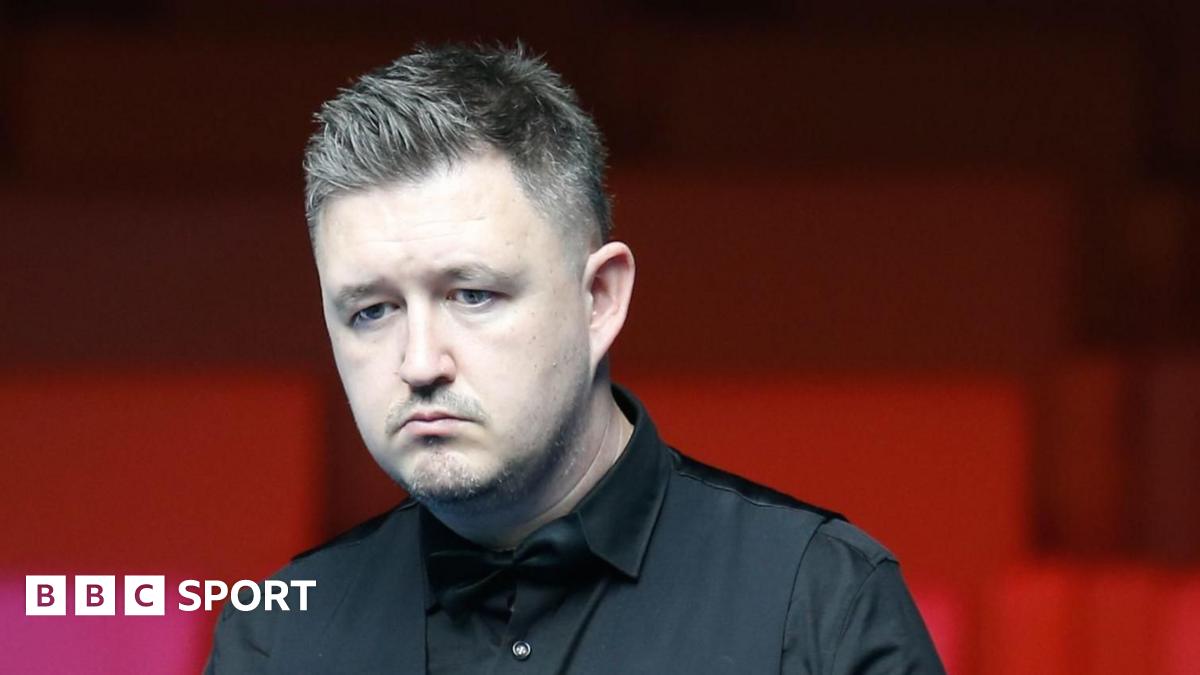
In a tearful post‑match interview, Wilson criticised his cue, the playing conditions and, more importantly, his own state of mind. The loss, coming months after winning the World Snooker Championship, highlights the brutal comedown that often follows the sport’s ultimate high.
From Crucible Glory to UK Championship Turmoil
Wilson arrived in York as the reigning world champion, having finally lifted the trophy at the Crucible earlier in the year. That triumph was the culmination of a decade‑long climb through the professional ranks, marking him as one of the standard‑bearers of the modern game.
But snooker history is filled with examples of world champions struggling to reproduce their very best in the immediate aftermath of a title run. The mental and emotional expenditure of 17‑day marathons in Sheffield can leave even the toughest competitors running on fumes when the next season rolls around.
“I’m very lost at the minute. I feel like I’m on the verge of a mental breakdown,” Wilson said, fighting back tears after the defeat.
That candour from a reigning world champion is rare, but it underlines how exposed snooker players are: alone at the table, every shot dissected, every miss amplified in silence.
How Elliot Slessor Shocked the World Champion
Elliot Slessor, a dangerous floater in the draw, capitalised on Wilson’s struggles with a composed and opportunistic performance in the last 32. While Wilson searched for rhythm and confidence, Slessor kept it simple: solid safety, measured aggression and ruthless finishing when chances arrived.

The scoreline itself only told part of the story, but key trends emerged throughout the match.
| Statistic | Kyren Wilson | Elliot Slessor |
|---|---|---|
| Pot success (approx.) | Mid–80% range | High–80% to 90% range |
| Safety success | Inconsistent | More disciplined |
| Long potting | Below usual standard | Key long pots under pressure |
| Momentum swings | Struggled to consolidate frames from in front | Capitalised on every visible dip |
Wilson’s shot‑time varied notably, often a red flag for a player battling trust in their cue action. Slessor, by contrast, maintained a steady tempo, reflecting a clearer head and a simpler game plan.
The Cue Controversy: When Your World Title Weapon Disappears
At the heart of Wilson’s frustration is his cue. The very cue he used to win the world title was damaged while being refurbished at the start of this season, forcing him into a difficult and deeply personal search for a replacement.
In snooker, a cue is far more than a piece of equipment; it is an extension of the player. Some professionals use the same cue for decades, guarding it with near‑superstitious devotion. To lose that feel overnight is akin to a golfer having their favourite putter snapped or a tennis player being forced to change racquets mid‑season.
“The cue is awful, the table was awful, and I just want to smash everything up,” Wilson admitted, laying bare the raw edge of his disappointment.
While some will argue that champions must adapt, others recognise the psychological blow of feeling betrayed by your own tools. Wilson’s comments about the table conditions may have been made in the heat of the moment, but they reveal a player desperately searching for external explanations for an internal storm.
“Very Lost”: The Mental Health Battle Behind the Baize
Perhaps the most significant part of Wilson’s interview was not tactical or technical—it was emotional. Speaking of being “very lost” and on the edge of a breakdown, he shone a light on an issue that has slowly gained visibility in snooker and across elite sport: mental health.
- Snooker offers no teammates to share the burden—every error is yours alone.
- Tournaments like the UK Championship and World Championship bring compressed schedules and relentless focus.
- Expectations for a reigning world champion are unforgiving; every early exit feels magnified.

Wilson is not the first snooker star to speak openly about mental strain. The likes of Ronnie O’Sullivan and Mark Selby have previously discussed their own struggles, helping to normalise conversations around anxiety, depression and burnout in a sport that demands absolute focus and emotional control.
The key now will be how Wilson and his team respond: seeking support, rebalancing his schedule and perhaps removing some of the weight of expectation that has built since he became world champion.
Form Guide: Wilson’s Season by the Numbers
Even before this loss to Slessor, Wilson’s season had shown signs of turbulence. While he has remained competitive, the ruthless consistency that marked his run to the world title has been harder to find.
| Event (2024–25) | Performance Indicator | Trend vs World Championship run |
|---|---|---|
| Early‑season ranking events | Mixed results, scattered early exits | Decline in consistency |
| Break‑building stats | Fewer century runs, more 40–60 breaks | Slightly down in scoring power |
| Safety exchanges | More errors in tactical frames | Below Crucible peak |
| Match temperament | Visible frustration, loss of composure at times | Notably different from composed world title run |

These trends don’t signal crisis on their own, but when coupled with Wilson’s emotional comments, they suggest a player wrestling simultaneously with technique, equipment and mental burden.
Reactions from the Snooker World
Reaction across the snooker community has been mixed but largely empathetic. Many former professionals and commentators have urged patience and understanding, recognising the pressure that comes with being world champion.
- Some analysts questioned the wisdom of publicly attacking equipment and conditions, warning it can become a mental crutch.
- Others praised Wilson’s honesty, arguing that transparency about mental health is more important than maintaining a stoic façade.
- Fans, particularly on social media, expressed concern and support, emphasising Wilson’s status as a hardworking, family‑oriented champion.
“You never really know what someone’s going through off the table. Performances are only half the story,” one former pro noted on television analysis.

The result also opened up Wilson’s section of the draw, giving Slessor and others an unexpected opportunity deep in one of the sport’s most prestigious ranking events.
What Comes Next for Kyren Wilson?
Wilson’s immediate priority will be regaining a sense of control—over his cue, his game and his mindset. That may mean:
- Working closely with cue makers and coaches to either restore or replicate the feel of his old world‑title cue.
- Engaging sports psychologists or mental‑skills coaches to help manage expectations and emotional swings.
- Adjusting his schedule to avoid burnout while still targeting key ranking events.
There is precedent for champions enduring difficult seasons before rebounding. The key for Wilson will be transforming this painful UK Championship exit into a turning point rather than a downward spiral.
For snooker fans, the storyline is compelling: a newly crowned world champion wrestling with the weight of expectation, the loss of his trusted cue and a very public crisis of confidence. How he responds will shape not just his season, but his long‑term legacy.
As the tour moves on and attention shifts to upcoming ranking events, one question will linger around every Wilson appearance: is this the start of a long‑term slump, or the moment a world champion begins to rebuild, stronger than before?
For official schedules, rankings and match statistics, visit the World Snooker Tour and the snooker.org statistics database.
