
Keith Lee Wins Big: Inside the First-Ever TikTok Awards in the U.S.
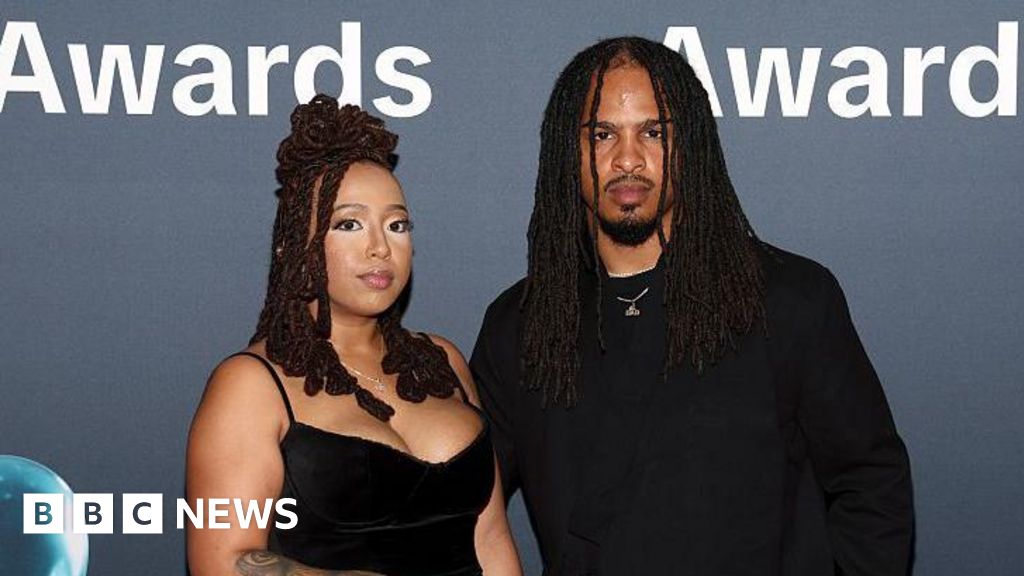
The first-ever TikTok Awards in the United States just handed food critic and creator Keith Lee the night’s biggest honor: Creator of the Year 2025. Hosted by actress and TV personality La La Anthony at the historic Hollywood Palladium, the event signaled something clear—TikTok creators aren’t just “internet famous” anymore; they’re officially part of the entertainment establishment.
Why the First U.S. TikTok Awards Actually Matter
Awards shows have been scrambling to catch up with digital culture for years, but TikTok hosting its inaugural U.S. awards at a venue as storied as the Hollywood Palladium says a lot about where the power now sits. TikTok is no longer just a launching pad for trends; it’s a parallel entertainment ecosystem with its own stars, drama, and now, its own trophies.
By formally recognizing creators with categories like Creator of the Year, TikTok is doing what MTV did for music videos in the ’80s and what YouTube tried with its short-lived awards in the early 2010s—codifying who matters in a new medium. The difference now is that TikTok already fuels much of what we see in film, TV, music, sports, and food culture.
- Location: Hollywood Palladium, Los Angeles
- Host: La La Anthony
- Top honor: TikTok Creator of the Year 2025 – Keith Lee
- Platform: TikTok U.S. – short-form video & livestream ecosystem
Who Is Keith Lee, TikTok’s Creator of the Year 2025?
If you’ve spent any time on “FoodTok,” you’ve probably scrolled past a Keith Lee review without even realizing it. A former MMA fighter turned food critic, Lee built his following with low-key, straightforward restaurant reviews filmed in his car or at his kitchen table. No over-the-top editing, no manufactured drama—just honest reactions and a numerical rating.
His signature style—calm delivery, matter-of-fact commentary, and radical transparency about what he paid for, what was gifted, and what was sponsored—helped him stand out in a sea of hyper-produced content. His videos have famously turned struggling local restaurants into overnight success stories, sometimes overwhelming small businesses with demand.
“I’m just a regular guy who loves food and wants to help people find good places to eat.”
That “regular guy” branding is part of why his Creator of the Year win feels culturally on point. At a time when audiences are wary of over-polished influencers, Keith Lee’s brand of transparency has become its own kind of celebrity.

Inside the Hollywood Palladium: Turning a Feed into a Red Carpet
Holding the awards at the Hollywood Palladium is a statement move. This is a venue tied to music history and classic premieres, now hosting creators whose fame comes from vertical videos on a six-inch screen. Watching TikTok stars pose on a traditional red carpet underscores how porous the line between “internet celebrity” and “mainstream talent” has become.
Hosted by La La Anthony, who has one foot in traditional TV and another in social media, the show felt like a handshake between legacy Hollywood and algorithm-era fame. It’s not just creators trying to get into Hollywood anymore—it’s Hollywood willingly rolling out the carpet for them.

Why Keith Lee’s Win Feels Bigger Than Just One Trophy
In a year crowded with viral dance trends, hyper-produced skits, and celebrity crossovers, TikTok choosing Keith Lee as Creator of the Year sends a clear message about where the platform wants its cultural center of gravity: real-world impact.
- Local business spotlight: Lee’s reviews have become lifelines for small restaurants, often driving massive spikes in customers.
- Trust economy: His refusal to sugarcoat a bad experience has made viewers trust his word more than a polished ad.
- Authenticity over aesthetic: His simple, no-frills filming style pushes back against the idea that you need a studio setup to matter.
In a sense, he’s the opposite of the stereotypical influencer. No lavish travel vlogs, no mansion tours—just takeout containers, family, and a ratings scale that fans quote like catchphrases.

What the TikTok Awards Mean for the Creator Economy
From an industry perspective, the inaugural U.S. TikTok Awards are less about the trophies and more about signaling permanence. Platforms come and go, but awards shows are a Hollywood way of saying, “We expect this to stick around.”
For brands, agents, and studios, a title like TikTok Creator of the Year instantly becomes a powerful line on a pitch deck. It formalizes status in a space that’s often felt chaotic and opaque to traditional media executives.
- For creators: A new benchmark of success alongside follower counts and views.
- For agencies: A scouting shortcut—award nominees and winners become priority signings.
- For Hollywood: A tested fanbase ready-made for crossovers into TV, film, food shows, and branded series.
“The creator is the new studio,” has become something of a cliché in media panels, but nights like this make that line feel less hypothetical.

The Upside and the Awkward Bits: A Balanced Look
As with any new awards show, there’s a mix of genuine excitement and a bit of growing-pains awkwardness.
Strengths
- Recognition with real-world impact: Honoring someone like Keith Lee ties the awards to tangible change, not just viral metrics.
- Platform-native relevance: The categories and nominees reflect what users actually watch, not what executives think they should watch.
- Diversity of creators: TikTok’s user base naturally skews diverse in age, background, and geography, and the awards benefit from that breadth.
Weaknesses & Open Questions
- Transparency in selection: As with most awards shows, fans will want to know how winners are chosen—metrics, jury, or pure branding?
- Algorithm vs. artistry: There’s a tension between rewarding what the algorithm pushes and what might have longer-term cultural value.
- Platform dependence: Building an entire awards ecosystem on one app raises questions about longevity if audiences migrate elsewhere.

If You Liked This, Here’s What to Watch Next
If Keith Lee’s win has you curious about creator-driven food content and TikTok-native storytelling, there’s a whole ecosystem worth exploring.
- Food shows with creator DNA: Series like The Chef Show or Street Food (Netflix) tap into the same local, human-first energy.
- Creator-led series: Keep an eye on streamers like Netflix, Hulu, and Max, which are increasingly experimenting with TikTok star-hosted travel and food formats.
- TikTok deep dives: Search for compilations and commentary videos on YouTube that break down the business side of the creator economy and TikTok culture.
From FYP to Red Carpet: What Comes After Creator of the Year?
The inaugural U.S. TikTok Awards and Keith Lee’s Creator of the Year win capture a broader shift in culture: influence is no longer something bestowed from the top down, but built from the comments section up. When a soft-spoken food reviewer can stand center stage at the Hollywood Palladium, it’s a reminder that the entertainment industry now has to share the spotlight with the algorithm—and sometimes, the algorithm has better taste.
Whether these awards become a long-running institution or a snapshot of a particular moment in internet history, they mark a turning point. Creators aren’t waiting for Hollywood to let them in; Hollywood is now trying to keep up with them.
