
Kate Winslet’s Brutally Honest Answer to Fame: ‘A Good Meal and a Good Poo’
When Kate Winslet sums up her coping strategy for tabloid intrusion as “a good meal and a good poo,” she’s not just being cheeky. She’s puncturing the mythology of celebrity itself—reminding everyone that behind Titanic-level fame is a very human being who just wants a quiet life, a proper dinner, and a bathroom break without a telephoto lens.
Kate Winslet, Media Intrusion, and the Cost of Being Iconic
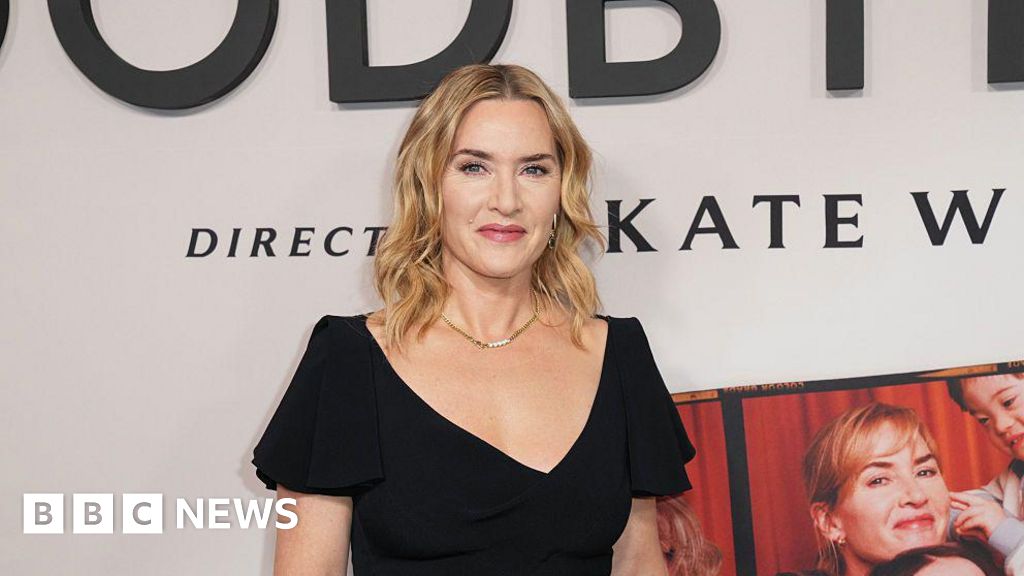
In a recent BBC interview, tied to the release of her directorial debut Goodbye June, Winslet revisited the chaos that followed Titanic: being trailed by paparazzi, having her phone tapped, and even finding people sifting through her bins. It’s a reminder that the “golden age” of late‑90s and early‑00s celebrity culture was also a wild west of ethically dubious tabloid behaviour.
Her comments land in a media landscape that’s wrestling with its own past—the same culture that hounded Britney Spears, Amy Winehouse, and countless others now being re-examined through documentaries, podcasts, and legal battles over phone hacking and press regulation in the UK.
From Titanic to Tabloids: How Winslet Became a Press Obsession
Winslet’s rise was almost too cinematic for her own good. After arthouse turns in films like Heavenly Creatures, she went nuclear with James Cameron’s Titanic in 1997. The film wasn’t just a hit; it was a cultural event, the kind that minted instant global icons and fed a voracious entertainment media cycle.
In the UK especially, late‑90s and early‑00s tabloids thrived on a brutal zero‑privacy environment. If you were young, famous, and photogenic, the press didn’t just want your red‑carpet shots—they wanted your worst angles, your doorstep, and sometimes your phone records.
“I remember thinking, this is appalling. They’d be outside the house, following the car, they’d go through the rubbish… I felt like I was being hunted.”
That word—“hunted”—has come up again and again from public figures looking back on that era, from Hugh Grant to Meghan, Duchess of Sussex. Winslet’s account fits into a broader pattern of British celebrity culture that blurred the line between curiosity and harassment.
Phone Tapping, Paparazzi, and the UK’s Culture of Intrusion
Winslet’s mention of phone tapping connects her story to the broader, well‑documented phone‑hacking scandals that rocked the UK press in the 2000s and 2010s. While specific details of her case weren’t exhaustively laid out in the BBC piece, her experience echoes the systemic misconduct uncovered in investigations into outlets like the News of the World.
Add to that the everyday grind of paparazzi culture—cars tailing her, flashbulbs outside her home, strangers sifting through her bins—and you have the kind of sustained, low‑level siege that can warp anyone’s sense of normal.

For audiences, those tabloid shots were background noise: magazine covers, gossip segments, websites refreshing every hour. For the person inside the frame, it meant living in a permanent state of hyper‑vigilance. Winslet has spoken over the years about how this scrutiny intensified around her body, her relationships, and even her perceived “seriousness” as an actor.
“It wasn’t fame that I minded. It was the feeling that nothing belonged to me anymore—not my phone calls, not my front door, not even my rubbish.”
That erosion of private space is where celebrity fascination tips into something more toxic—and where winsome tabloid headlines start to look, in hindsight, like documentation of harassment.
“A Good Meal and a Good Poo”: Radical Normality as a Coping Mechanism
Against that backdrop, Winslet’s now‑viral line about coping with fame—retreating to simple, bodily rituals—lands as both funny and deeply grounded. It’s a kind of anti‑celebrity manifesto: not wellness retreats, not spiritual gurus, but food, digestion, and the reminder that the body doesn’t care about your box‑office numbers.
“At the end of the day, I’d go home, have a proper meal, go to the loo, and remember that I was just a person. That was how I stayed sane.”
There’s a long tradition of British actors using blunt humour to deflate their own myth. Winslet’s comment fits that lineage while also quietly making a point about mental health: when the external narrative becomes unmanageably huge, anchoring yourself in the most ordinary routines can be a survival strategy.
From Survivor to Storyteller: Winslet’s Directorial Debut Goodbye June
All of this context makes her new film, Goodbye June, feel like more than just “actor tries directing.” Released this month, the project marks Winslet’s first time fully behind the camera, shaping not only performance but narrative, tone, and visual language.
Details of the plot have been kept relatively low‑key in early coverage, but the title and the timing suggest an intimate, possibly bittersweet drama—very much in line with the textured, emotionally literate work she’s gravitated toward in projects like Mare of Easttown and Little Children.

Winslet is joining a notable club of performers who’ve crossed into directing—think Greta Gerwig, Jordan Peele, Ben Affleck, or Olivia Wilde—often with sharp, personal material that reclaims how certain stories (and certain kinds of bodies) are framed on screen.
“After everything I’ve been through with the press, I wanted to make something that felt completely mine—no gossip, no angle, just the work.”
Whether Goodbye June ends up being critically adored or more modestly received, it’s culturally significant: a woman who’s spent decades as a tabloid object asserting full creative control in an industry that still under‑represents female directors at the studio and awards level.
How Winslet’s Story Fits the Bigger Conversation on Celebrity and the Press
Winslet’s anecdotes don’t exist in a vacuum—they arrive in the wake of public reckonings about how the media treated women in particular. From the Framing Britney Spears documentary to legal battles involving Prince Harry and other claimants against British newspapers, there’s a growing consensus that the old norms were, frankly, barbaric.

Winslet has long been vocal about body‑shaming and misogyny in entertainment journalism, calling out headlines that obsessed over her weight rather than her work. Her current candour about phone tapping and invasive tactics helps document just how normalized this behaviour once was—and, in some corners, still is.
There’s also a generational contrast here. Today’s celebrities often manage their image through curated social media, direct‑to‑fan newsletters, and documentary series that they executive‑produce themselves. In the late 90s, you were largely at the mercy of tabloids, publicists, and a few TV chat shows.
“If you were a woman in your twenties and famous, there was this assumption that your life was public property. Saying no was seen as ungrateful.”
Winslet’s refusal to play along—to insist on ordinariness, to go home and make dinner for her kids, to retreat behind closed doors even while the press hammered on them—reads now as a quietly radical act.
Strengths, Blind Spots, and the Limits of One Story
As a piece of cultural commentary, Winslet’s interview has real strengths:
- Humanising the abstract: Phone hacking and press intrusion can sound abstract; “people going through my bins” is viscerally clear.
- De‑glamourising fame: The “good meal and a good poo” line cuts through the glossy myth of celebrity wellness.
- Gender context: It quietly reinforces how often women’s bodies and boundaries were targeted by the press.
That said, there are limits. The conversation, at least in the clips and write‑ups currently circulating, doesn’t delve deeply into systemic solutions—regulatory reform, newsroom culture, or the economics that still reward invasive coverage. Nor does it fully examine how social media has replicated some of the same dynamics under a different interface.
Still, not every interview needs to be a policy blueprint. Sometimes what moves the needle is precisely this kind of grounded, memorable anecdote—one that sticks in your head the next time you’re about to click on a paparazzi slideshow.
Why This Matters Now: Media Ethics, Audiences, and Accountability
The timing of Winslet’s comments is telling. We’re in an era where true‑crime podcasts dissect journalistic malpractice, YouTube essayists unpack tabloid covers from 2004, and even mainstream outlets are publishing “we got this wrong” retrospectives on their own coverage.
The audience’s role has changed, too. Every click, share, and outraged quote‑tweet feeds an algorithm that doesn’t care whether you approve of paparazzi culture—only that you’re engaging with it. Winslet’s story invites a more uncomfortable question: what kind of coverage do we reward with our attention?
On the industry side, studios and streamers are increasingly sensitive to optics. Aligning with stars who speak openly about media harm—and giving them space to tell their own stories, as Winslet is now doing with Goodbye June—is both ethically sound and brand‑savvy.
Where to Watch and Learn More
As Goodbye June rolls out, expect more conversation about how Winslet’s experiences with the press have shaped her instincts as a director—who she centers, what she chooses to show, and, crucially, what she leaves off‑screen.
Check official platforms for trailers and release details:
- YouTube – search “Kate Winslet Goodbye June official trailer”
- BBC Entertainment & Arts coverage for the original interview and context.
- IMDb for updated credits and release information.
Final Thoughts: The Power of Being Bluntly Human
The line that will trend from this interview is the earthy one—the “good meal and a good poo” soundbite that invites jokes and headlines. But beneath the humour is a serious assertion: no level of fame should cost someone their right to an ordinary, unobserved life.
Winslet’s journey—from being chased down the street to calling the shots as a director—maps neatly onto a wider cultural shift. We’re slowly, sometimes grudgingly, learning to treat celebrities less like zoo exhibits and more like workers in a very public, very strange industry.
The forward‑looking question is whether audiences, platforms, and publishers can resist the old reflexes when the next young star blows up overnight. If Winslet’s story does its job, it might make us pause before we click—and remember that behind every viral paparazzi shot is someone just trying to get home, have dinner, and, yes, use the bathroom in peace.
