
Jane’s Addiction Implodes: Inside Perry Farrell’s Onstage Fight, Apology, and the Band’s Final Breakup
Jane’s Addiction has officially broken up following Perry Farrell’s public apology for an onstage fight with guitarist Dave Navarro during a 2024 Boston show, closing the book on one of alt-rock’s most influential and chaotic bands. This article unpacks what happened, why it matters, and how the breakup reshapes the legacy of Jane’s Addiction and the wider alternative rock landscape.

A Band Built on Chaos, Ending in Chaos
In a way, it’s almost too on-brand that Jane’s Addiction would end not with a farewell tour or a tidy press release, but with a punch thrown onstage, a year of uneasy silence, and then a public apology followed by a breakup. The band that helped define the messy, decadent side of alternative rock has finally imploded under the very pressures and personalities that once made it thrilling.
According to Variety’s reporting, Perry Farrell issued an apology to his bandmates in late 2025 for the September 2024 Boston incident, where he swung at Dave Navarro during a performance. More than a year later, both Farrell and the rest of the band have confirmed that Jane’s Addiction is over.
How We Got Here: The 2024 Onstage Fight
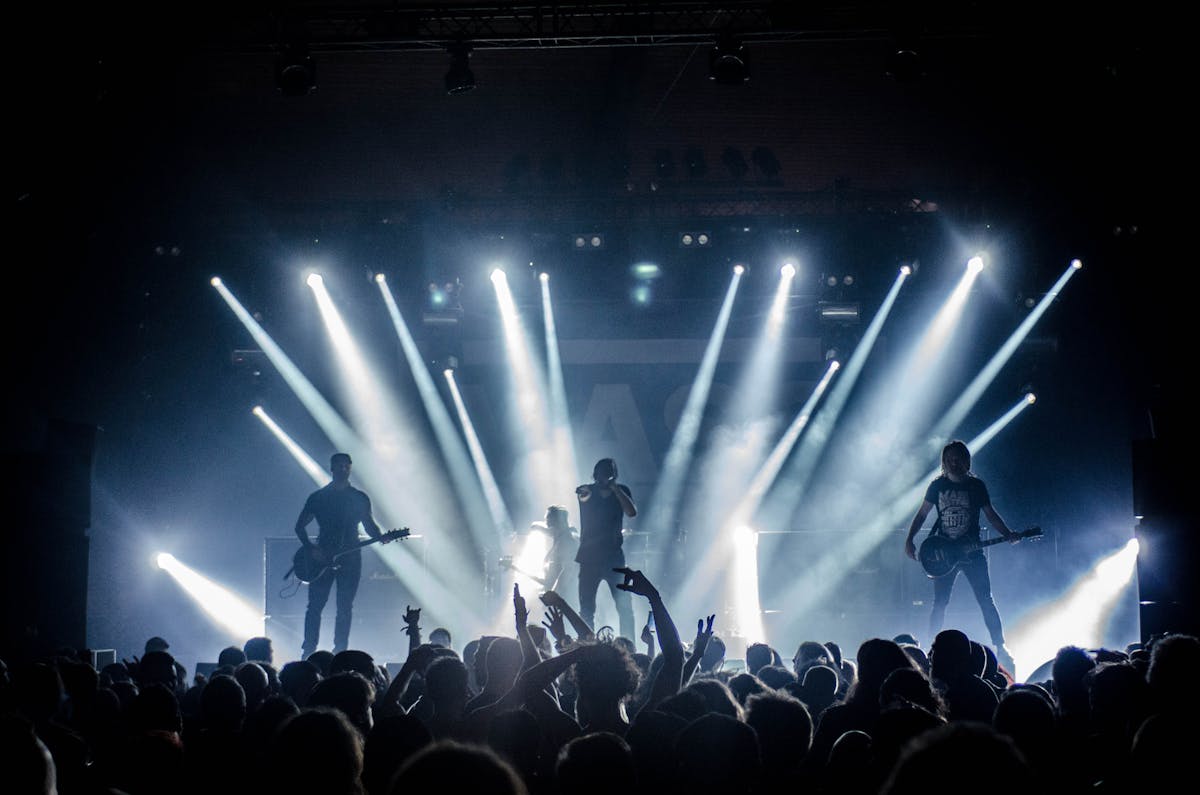
The fight in question happened onstage in Boston in September 2024. Mid-show tensions reportedly boiled over, with Farrell visibly frustrated and ultimately taking a swing at Navarro in full view of the crowd. Fan-shot footage circulated online within hours, turning a bad night into a viral moment of band dysfunction.
While rock history is full of backstage brawls, it’s rarer to see that volatility spill directly into the stage lights, especially for a veteran band that’s been navigating reunions and nostalgia tours for decades. For Jane’s Addiction, the Boston show became a tipping point rather than just another messy chapter.
“I crossed a line that night. I disrespected my bandmates and our audience, and I’ve spent the last year trying to understand why I let it get that far,” Farrell said in his apology, as reported by Variety.
The apology, delivered more than a year after the incident, suggests that the rift within the band wasn’t just a one-night meltdown. It was the climax of deeper creative and personal tensions that had been simmering for years.
Who Jane’s Addiction Was to Rock History
To understand why this breakup still matters in 2025, you have to remember how disruptive Jane’s Addiction was when they first emerged from Los Angeles in the late ’80s. Albums like Nothing’s Shocking (1988) and Ritual de lo Habitual (1990) helped define the DNA of what would soon be called “alternative rock.”
Perry Farrell’s theatrical, almost cabaret-like presence, Navarro’s fluid and flamboyant guitar work, the funk-punk rhythm section of Eric Avery and Stephen Perkins—this was a band that refused to sit neatly in one genre. They blended metal, art rock, funk, psychedelia, and a kind of post-punk sleaze that would echo through bands from Red Hot Chili Peppers to Smashing Pumpkins to Queens of the Stone Age.
On top of that, Farrell co-founded Lollapalooza in 1991 as a farewell tour for Jane’s Addiction, accidentally creating one of the defining institutions of ’90s alternative culture and, later, the modern festival era.
Inside Perry Farrell’s Apology: Sincere Reckoning or Too Late?
Farrell’s apology, as recounted in Variety’s coverage, reads as a mix of self-reckoning and resignation. He acknowledges not only the physical confrontation with Navarro but also the ways in which his own volatility contributed to the band’s long-running instability.
While the full wording hasn’t been widely published line by line, the tone reported suggests someone trying to own their mistakes without pretending the damage can be undone. There’s no grand promise of another reunion, no “we’ll be back when the time is right” coda. Instead, it feels like a curtain call.
“Jane’s Addiction was always bigger than any one of us, and I’m sorry that my actions helped bring it to a place where we can’t share that space together anymore.”
Cynically, you could say the apology is too little too late—issued after the band has already agreed to part ways, and after the Boston incident was absorbed into the never-ending churn of internet outrage. But it also tracks with Farrell’s history: impulsive decisions, delayed reflection, then grand statements about art, community, and responsibility.
How the Rest of Jane’s Addiction Responded
While Farrell’s statement has naturally dominated headlines, the other members—Dave Navarro, Stephen Perkins, and current bassist (in recent years often Chris Chaney in the Navarro era)—have also made it clear that the breakup is mutual, not just Perry walking away.

Industry chatter suggests that, by the time the apology arrived, the rest of the band had already emotionally checked out. Jane’s Addiction has weathered breakups, reunions, rotating bassists, and schedule-shuffling health issues (Navarro’s long-term battle with long COVID has been public), but an onstage fight cuts directly against the basic trust needed to keep touring.
The collective decision to officially call it quits, rather than continue under the Jane’s Addiction name with a different lineup, is quietly significant. In an era where legacy acts often become brand names more than bands, choosing to end the project rather than endlessly reconfigure it suggests at least some respect for what Jane’s Addiction meant at its peak.
Alt-Rock, Nostalgia, and Why This Breakup Hits Different
On one level, Jane’s Addiction’s breakup might feel like another classic-rock footnote—a band that peaked more than 30 years ago finally runs out of road. But the timing and circumstances say more about where rock culture is in the mid-2020s.
The live circuit is now dominated by festivals and nostalgia packages where ’80s and ’90s alt-rock acts share billing with TikTok-famous artists and EDM headliners. For bands like Jane’s Addiction, touring is as much about myth maintenance as it is about new music. When that myth is punctured—especially by something as publicly ugly as an onstage punch—it becomes harder to sell the idea of a glorious, communal throwback.

There’s also a generational shift at play. Younger audiences, raised on social media, are less tolerant of rock-star bad behavior framed as “part of the art.” What might have once been dismissed as “just rock & roll” now lands more like a workplace incident—especially when fans are paying arena prices to be there.
The Art vs. the Aftermath: Weighing Jane’s Addiction’s Legacy
Any honest assessment of Jane’s Addiction has to balance the band’s creative achievements against their chronic instability. They were never as prolific as their peers—two classic studio albums, some key reunions, a handful of later releases (Strays, The Great Escape Artist) that divided critics and fans.
- Strengths:
- Innovative fusion of genres that helped shape the sound of alternative rock.
- A visual and theatrical sensibility that made their live shows feel like events, not just concerts.
- Enduring influence on guitar-driven bands that came of age in the ’90s and early 2000s.
- The creation of Lollapalooza, which changed how rock tours and festivals were imagined.
- Weaknesses:
- Inconsistent output, with long gaps and uneven later albums.
- Frequent internal turmoil, lineup shifts, and conflicting narratives about who drove the band.
- A tendency toward self-sabotage—substance issues, ego clashes, and now a literal onstage fight.
The breakup doesn’t erase the records, but it does color the narrative. Future listeners discovering the band via streaming or vinyl reissues will inevitably stumble onto the Boston footage and the breakup headlines alongside the music. For better or worse, that chaos now lives in the same story as “Mountain Song” and “Been Caught Stealing.”
What Comes After Jane’s Addiction for Perry Farrell and Dave Navarro?
None of the members are disappearing from music. Farrell still has a long history of side projects (Porno for Pyros, Satellite Party), as well as his ongoing role as a cultural curator via festivals and collaborations. Navarro remains an in-demand guitarist and media personality, with stints in everything from Red Hot Chili Peppers to reality TV.

It’s not hard to imagine:
- Farrell leaning further into curation, festivals, and collaborative studio projects that don’t require the same level of touring strain.
- Navarro focusing on studio work, guest appearances, and lower-impact creative outlets that fit around his health and schedule.
- Reissues, deluxe box sets, and deep-dive documentaries giving Jane’s Addiction the classic-band retrospective treatment.
And of course, this is rock music; “never say never” is practically baked into the genre. But given the way this breakup has been framed—especially in the wake of a public altercation—any future reunion would need more than a fat festival check. It would need proof that the people onstage can actually stand to share the spotlight.
Closing the Book on a Beautiful, Broken Band
Jane’s Addiction’s breakup in 2025 doesn’t feel like a shock so much as a confirmation of something fans have sensed for years: the chemistry that once made the band dangerous and magnetic had become more dangerous than magnetic. Farrell’s apology is a necessary gesture, but it also reads like an epitaph.
If you strip away the drama, what’s left is a short, sharp, wildly influential discography and a touring legacy that helped invent the modern alt-rock festival universe. Future bands will still borrow from their sound and their swagger. Fans will still crank “Stop!” and “Jane Says” at irresponsible volumes. The difference now is that we can file Jane’s Addiction under “complete”—a story with a beginning, middle, and a very messy end.
For anyone who grew up in the shadow of Lollapalooza and ’90s alt-rock radio, that’s bittersweet. But it also frees the music from the expectation that the band has to keep reanimating itself every few years. Jane’s Addiction is gone. The records are still here. Maybe, finally, we can sit with what they actually made—without waiting for the next reunion to fall apart.
