
Inside Snoop Dogg’s Minnesota Halftime Spectacle: Local Musicians, Harps, and Hip-Hop History
Minnesota Musicians Take You Behind the Scenes of Snoop Dogg’s Wild Halftime Show
By Staff Writer | | Entertainment / Music
When Snoop Dogg lit up U.S. Bank Stadium for a high-octane halftime show, most viewers saw fireworks, dancers, and a hip-hop icon in full command of the field. What they didn’t see was the quietly industrious Minnesota music community—harpists, string players, horn sections, and seasoned session pros—who spent their holidays rehearsing in the shadows to make the spectacle sound effortless. Among them was Duluth-born harpist Nikki Lemire, who worked straight through Christmas Day and still came away calling it one of the most rewarding gigs of her career.
This behind-the-scenes look unpacks how local musicians helped shape Snoop Dogg’s “wild” halftime show, why Minnesota remains a stealth powerhouse for live music production, and what it means when hip-hop’s biggest names lean on regional talent for stadium-sized moments.

Why Minnesota Is Quietly Everywhere in Live Music Production
To anyone who’s followed Prince, Jimmy Jam & Terry Lewis, Lizzo, or the thriving Twin Cities theater scene, the idea of Minnesota musicians anchoring a major halftime show isn’t surprising. The state has long punched above its weight in live performance, particularly in:
- Orchestral and chamber music, via the Minnesota Orchestra and Saint Paul Chamber Orchestra
- Tour-ready session players familiar with pop, rock, and hip-hop arrangements
- High-level choral and vocal talent emerging from local colleges and churches
- Production crews who understand both arena acoustics and network broadcast demands
Stadium gigs like this Snoop Dogg show sit at the intersection of all those strengths: highly arranged, ruthlessly scheduled, and pressure-packed, but still expected to feel loose and fun on TV.
Harp on a Hip-Hop Stage: Nikki Lemire’s Unlikely Christmas Gig
At the center of the local story is harpist Nikki Lemire, a Duluth native better known in Twin Cities circles for chamber concerts and studio work than for sharing a stage with Snoop Dogg. When the call came, the catch was clear: rehearsal and prep would chew straight through the holidays, including Christmas Day.
“I spent Christmas running charts for Snoop Dogg,” Lemire has joked to friends. “But honestly, if you’re going to work a holiday, it might as well be for a show millions of people are watching.”
Her harp lines added a cinematic shimmer to sections of the performance, sliding in beneath the beats during intros and transitions. That kind of orchestral texture has become a calling card for high-profile halftime shows, borrowing the emotional cues of film scoring while staying rooted in hip-hop and R&B.

Lemire’s presence also underlines a broader trend: major artists tapping regional classical talent to elevate live shows without flying in entire touring orchestras. It’s efficient, cost-effective, and often musically richer, because local players know the venue ecosystems inside out.
Building a “Wild” Halftime Show: Rehearsals, Charts, and Controlled Chaos
Halftime shows look like chaos—dancers flooding the field, set pieces rolling in and out, fireworks punching through the bass. Behind that spectacle is a military-grade level of planning, especially for the musicians.
- Arrangements arrive first. Producers and music directors send detailed charts, stems, and click tracks to local contractors.
- Local players are assembled. Contractors in Minnesota tap a mix of orchestra veterans, jazz specialists, and pop-savvy players.
- Rehearsals run on TV time. Musicians rehearse not just the music, but the exact timing needed to hit commercial breaks and camera moves.
- Tech and staging converge. Audio teams test in-ear mixes against stadium acoustics while camera crews lock in their shots.
“The audience thinks, ‘Snoop just walked out and vibed,’” one Minnesota brass player quipped. “In reality, we’ve been counting 1–2–3–4 to a click track all week so that his ‘vibe’ hits exactly when the drone camera flies over his shoulder.”

For the Minnesota players, “wild” didn’t mean disorganized. It meant riding the energy of Snoop’s catalog—G-funk staples, newer collaborations, and crowd-pleasing hooks—while knowing exactly how many bars they had before pyro went off behind them.
Sound and Spectacle: How the Halftime Show Played on TV and in the Stadium
Critically, the halftime show landed in that sweet spot between throwback nostalgia and modern streaming-era pacing. Tracks were abbreviated into medleys, hooks were front-loaded, and the visuals nodded to classic Snoop iconography without feeling trapped in the ‘90s.
Strengths: Musical Depth and Local Precision
- Orchestral color: Strings and harp gave familiar tracks a cinematic lift, especially in intros and bridges.
- Tight arrangements: Minnesota musicians’ reading and ensemble skills kept transitions clean despite rapid medley shifts.
- Broadcast clarity: The mix preserved Snoop’s vocals while letting the band breathe, a balance that can be tricky in open stadiums.
Weaknesses: Overcrowded Visuals and Limited Musical Risk
- Visual overload: At times, the sheer amount of movement—dancers, lighting, on-field props—pulled focus away from the band, leaving viewers unaware of how much live playing was actually happening.
- Safe setlist choices: While the show delivered the hits, it rarely strayed into deeper cuts or riskier reinterpretations that might have showcased the orchestral band even more.
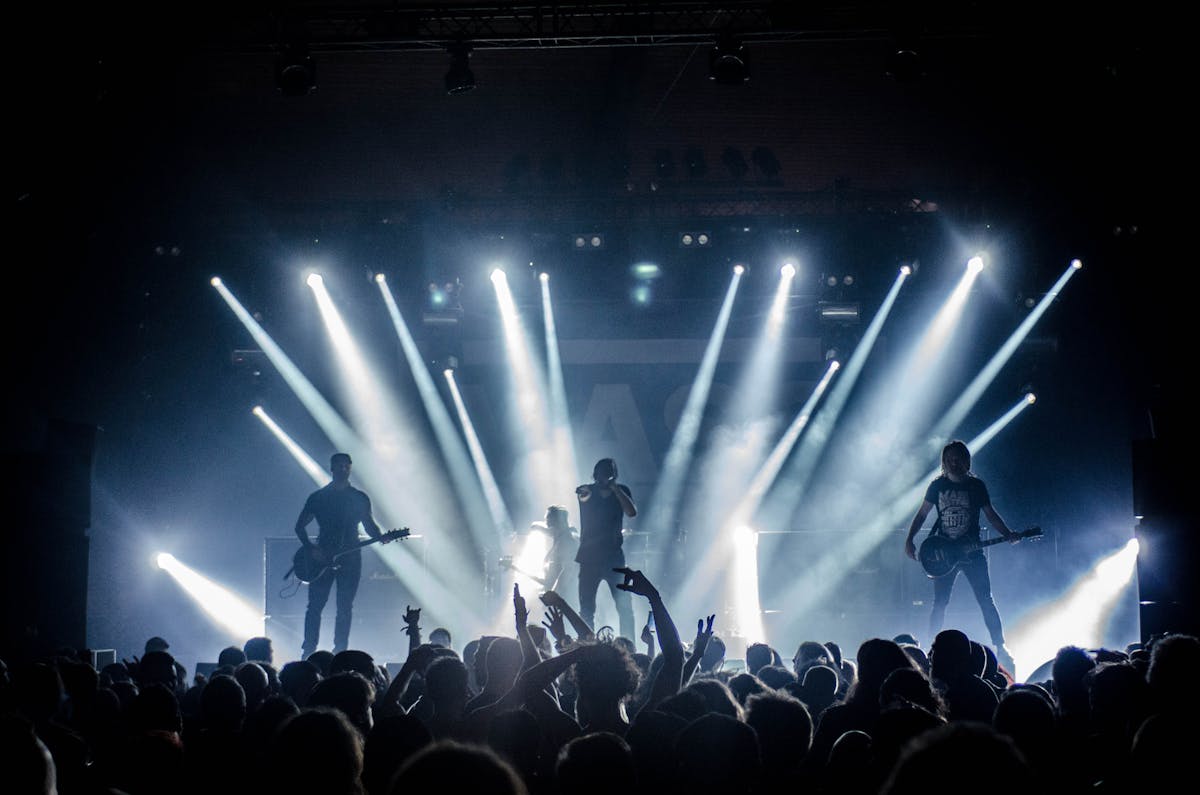
From an industry perspective, though, the show did exactly what it needed to: celebrate Snoop’s brand, move social media, and quietly reaffirm that regional talent—here, Minnesota’s—can execute at prime-time, global scale.
Hip-Hop Meets High Art: Cultural Crossovers on the 50-Yard Line
The optics of a Duluth harpist backing one of hip-hop’s most recognizable figures aren’t just a fun talking point—they’re a clear snapshot of where pop culture lives in 2025. Hip-hop long ago stopped being counterculture; it’s the central nervous system of mainstream entertainment, and it now comfortably borrows from classical, jazz, and theater.
For Minnesota, this show fits into a lineage that runs from Prince’s genre-hopping Super Bowl XLI performance to the orchestral collaborations championed by the Minnesota Orchestra and local festivals. It’s a reminder that “flyover country” often supplies the backbone for the most-watched events on earth.
As one local critic noted after the show, “The coolest thing about Snoop’s halftime set might be that a harpist who grew up on Lake Superior was in the middle of it, and it felt completely natural.”
Inside the Industry: Why Local Talent Keeps Getting the Big Calls
From a business standpoint, leaning on Minnesota musicians is as pragmatic as it is artistic. Flying in full bands for one-off shows is expensive; hiring top-tier local players through trusted contractors is faster and often more flexible.
- Cost efficiency: Local ensembles reduce travel, lodging, and per diem costs for producers.
- Union familiarity: Minnesota players are used to working under clear union rules, which broadcast productions prefer.
- Reputation: Years of successful arena gigs—sports, awards shows, touring pop acts—have built trust in the region’s talent pool.
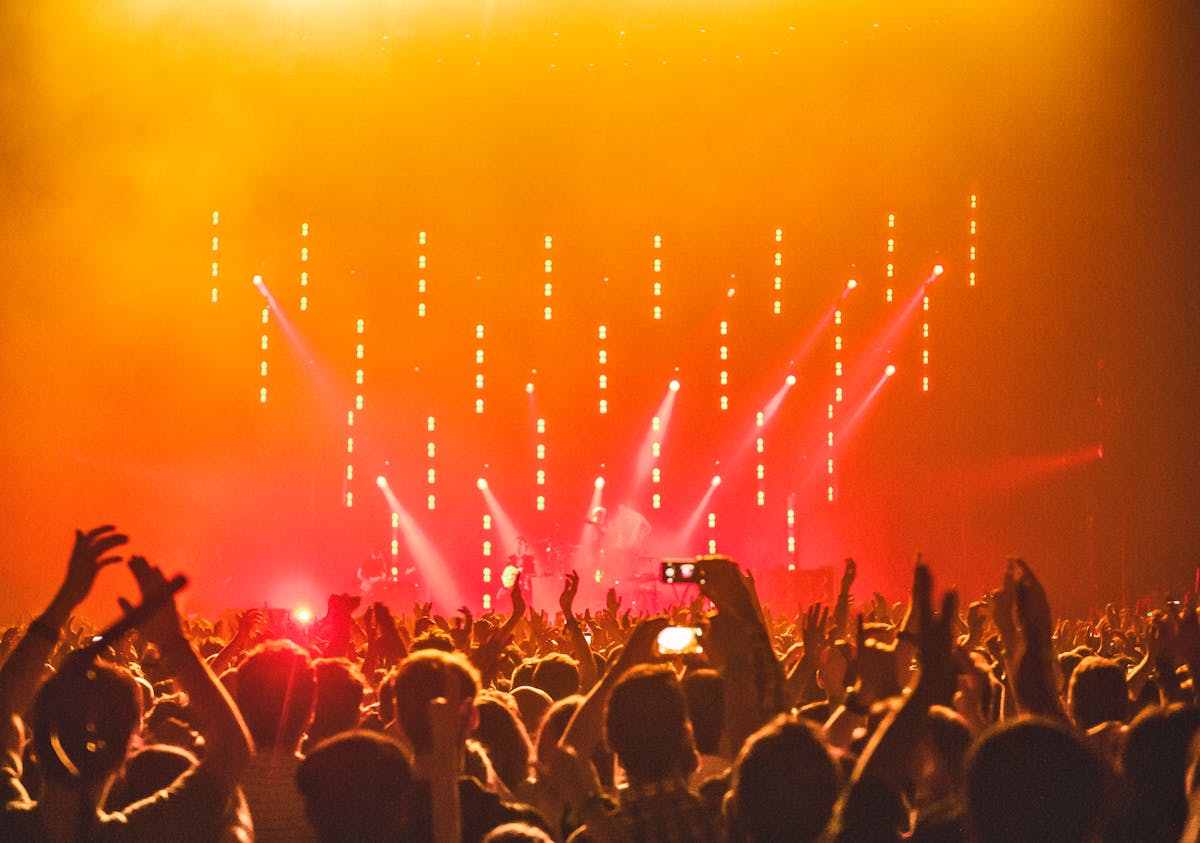
For Minnesota’s music scene, every successful halftime or arena gig compounds that reputation, making it more likely that the next A-list artist who swings through U.S. Bank Stadium or Target Center leans on the same network.
For more on Snoop Dogg’s performance history and collaborations, see his IMDb profile and official channels via snoopdogg.com.
Beyond the End Zone: What This Halftime Show Means Going Forward
The story of Snoop Dogg’s wild halftime show at U.S. Bank Stadium isn’t just about one night of pyrotechnics. It’s about how a global star trusted a local ecosystem—from a Duluth harpist to Twin Cities horn players—to deliver under unforgiving broadcast conditions and fan expectations.
As live entertainment keeps scaling up, expect this model to become even more common: superstars on the marquee, regional musicians in the engine room, and a whole lot of cultural cross-pollination in between. For Minnesota’s players, working Christmas Day might just be the price of admission to the biggest stages in pop culture—and, judging by their enthusiasm, it’s a price they’re willing to pay.
