
Inside the Kanneh-Mason Phenomenon: How Seven Siblings Rewired Classical Music for the Streaming Age
How the Kanneh-Mason Siblings Became Classical Music’s Most Surprising Supergroup
In an era where most classical headlines are about shrinking audiences and aging orchestras, the Kanneh-Mason siblings have done something that borders on miraculous: they’ve turned a family home on a tree‑lined street in Nottingham into one of the most influential “music conservatories” on the planet. Seven classically trained musicians, all under 30, now tour the world, rack up millions of streams, and pack concert halls—not by dumbing the music down, but by making it feel personal, visible, and unapologetically modern.
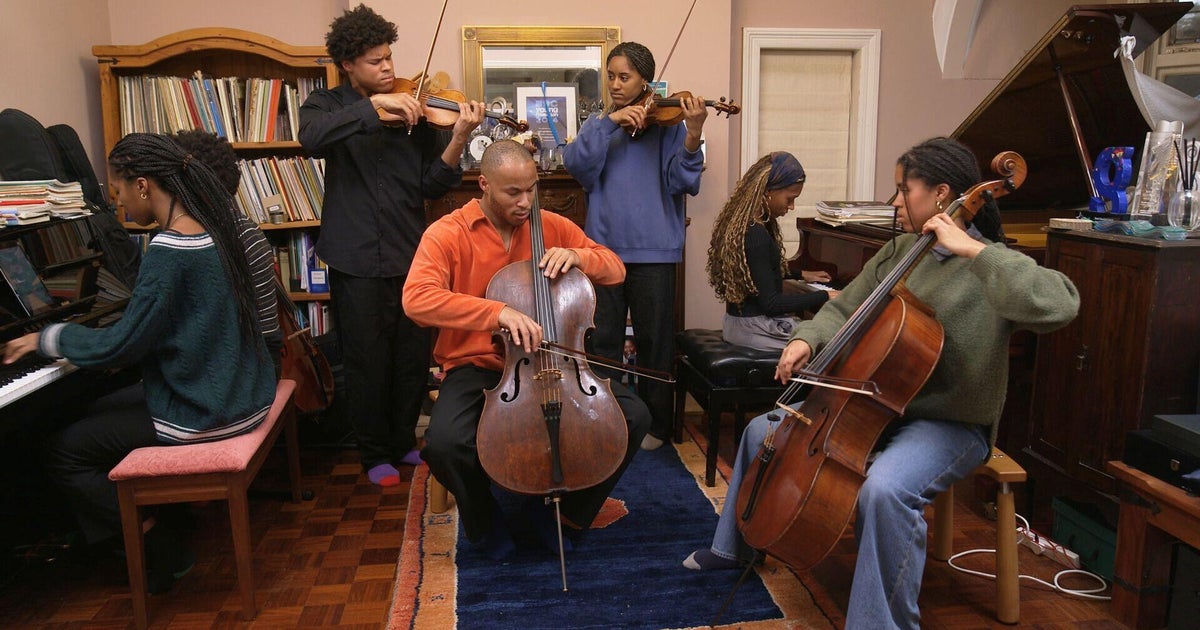
Their story has become compelling enough to anchor a feature on CBS News, which framed their home as a rival to the great conservatories of Paris, Vienna, and Berlin. That might sound like marketing hyperbole—until you look at the charts, the concert calendar, and the way the Kanneh-Masons are quietly rebranding what classical success can look like in the 2020s.
From Nottingham Living Room to Global Classical Stages
The Kanneh-Mason story begins not in a gilded conservatory, but in a relatively ordinary British home. The siblings—Isata, Braimah, Sheku, Konya, Jeneba, Aminata, and Mariatu—were raised in Nottingham by parents who weren’t professional musicians but took music education seriously. The living room became practice room, chamber studio, and sometimes battleground for seven competing practice schedules.
What separates them from the usual “talented musical family” narrative is scope. Each child has a primary instrument—from piano and violin to cello—and each has independently earned spots at elite institutions like the Royal Academy of Music and the Royal College of Music. Their household environment effectively acted like a micro‑conservatory: shared instruments, constant listening, high standards, and a sense that classical music was not an elite hobby but simply part of family life.

“It might be the most successful conservatory in the world, and it’s not in Paris, Vienna or Berlin—but in a house on a quiet street in Nottingham.”
That framing from the CBS News segment is more than a neat line; it underlines a cultural shift. For much of the 20th century, classical excellence was tied to a handful of European capitals and American East Coast institutions. The Kanneh-Masons signal a different geography of prestige, one in which a comprehensive education, digital platforms, and family support can rival old‑world gatekeeping.
The Royal Wedding Moment: When Sheku Went Viral for Classical Music
The turning point for the family’s public profile was Sheku Kanneh-Mason’s performance at Prince Harry and Meghan Markle’s royal wedding in 2018. Millions watched worldwide as the then‑19‑year‑old cellist performed works by Schubert, Fauré, and Maria Theresia von Paradis—a repertoire choice that was both traditional and quietly radical, foregrounding Black excellence in a space rarely associated with it.
That televised moment, followed by a surge in streaming and album sales, positioned Sheku as one of the few classical soloists to genuinely break into mainstream pop‑culture consciousness in the 21st century. Crucially, his success wasn’t treated as an outlier within the family. Instead, it pulled the spotlight wider, allowing audiences to discover pianist Isata and the other siblings in short order.
Chart-Topping Albums and a Family Brand in the Streaming Era
Albums by the Kanneh-Mason siblings have repeatedly landed high on classical charts in the UK and beyond. Releases on major labels—often Deutsche Grammophon and Decca in Sheku and Isata’s case—reflect a careful balancing act between core repertoire and fresh angles: Rachmaninov and Beethoven sit alongside new arrangements, spirituals, and cross‑cultural collaborations.
The group projects, which feature multiple siblings together, play into a smart branding move. Instead of positioning the family as a novelty act, their joint recordings function like a rotating chamber ensemble with star power on every part. In the streaming age—where discoverability is everything—“Kanneh-Mason” has become a kind of umbrella tag; search one sibling and you quickly find them all.

- Sheku Kanneh-Mason – Known for albums that blend concerto staples with intimate solo pieces, often topping classical charts and surfacing on mainstream playlists.
- Isata Kanneh-Mason – Celebrated for championing under‑performed composers (like Clara Schumann) alongside canonical piano giants.
- Family recordings – Holiday albums, chamber works, and themed projects that foreground the ensemble dynamic.
“We’re not trying to make classical music ‘cool’—we just share the music we genuinely love, as a family.”
That ethos resonates in a market fatigued by forced crossover gimmicks. The Kanneh-Masons’ appeal comes less from glossy PR and more from a sense of authenticity: this is what happens when a family genuinely lives with Bach, Brahms, and beyond as everyday language.
Representation, Race, and Reimagining Who Classical Music Is For
The cultural significance of the Kanneh-Masons extends far beyond awards and sold‑out halls. As a Black British family commanding stages historically dominated by white European traditions, they’ve become a powerful symbol for representation in classical music. For young musicians of color in the UK, the US, and across the diaspora, the mere fact of seeing seven siblings on the world’s top stages is a quietly radical statement.

Critics have increasingly pointed to the family as a counter‑argument to the idea that classical music is inevitably shrinking or disconnected from contemporary life. Their social media presence, school outreach, and collaborations with orchestras across Europe and North America help dismantle the “velvet rope” around the art form.
“When a child sees someone who looks like them playing Elgar or Rachmaninov, it changes what they think is possible,” one UK critic observed in a recent feature.
At the same time, the family has navigated the burden of symbolism with care. Their public messaging avoids turning identity into a marketing hook, instead emphasizing craft, hard work, and love of the repertoire while acknowledging the realities of under‑representation in conservatories and orchestras.
Discipline, Sibling Dynamics, and the Reality Behind the Romance
The CBS News segment leans into the almost storybook charm of a house filled with instruments and talent, but the reality—by all accounts—is far more disciplined. The siblings have spoken publicly about structured practice schedules, early mornings, and the occasional friction that comes from sharing not just a roof but rehearsal time, repertoire, and professional ambitions.

- Strength: Built‑in chamber partners and constant musical feedback.
- Strength: Shared experience navigating competitions, auditions, and media.
- Challenge: Managing comparisons, expectations, and individual artistic identities.
From an industry perspective, the family dynamic is both marketing gold and a delicate balancing act. Each sibling must establish a distinct artistic voice while benefiting from a shared brand. Thus far, they’ve handled that tension with surprising grace, in part because the focus has stayed on repertoire choices and artistic collaborations rather than on reality‑TV‑style family drama.
Media, CBS News, and the New Narrative of Classical “Stars”
The CBS News feature positions the Kanneh-Masons as proof that classical music can still produce genuine media stories in 2025. Unlike the heavily manufactured “crossover” acts of the early 2000s, this coverage highlights substance—rigorous training, ambitious repertoire, and a commitment to education—without sacrificing narrative flair.
What’s striking is how comfortably the siblings exist across platforms: TV features, longform print interviews, Instagram clips from rehearsals, and polished concert live‑streams. For a genre still catching up to the streaming economy, they offer a kind of playbook for 21st‑century visibility: let the work lead, but don’t shy away from storytelling.
What the Kanneh-Mason Phenomenon Means for the Future of Classical Music
As of late 2025, the Kanneh-Mason siblings are still early in their careers by classical standards. Yet they’ve already reshaped expectations: about who classical stars can be, where they can come from, and how family, streaming, and traditional institutions might intersect.
Their Nottingham home may never formally grant diplomas, but its impact on the classical ecosystem is undeniable. If the old model was “go to Vienna, win a competition, hope the phone rings,” the new one might be closer to the Kanneh-Mason blueprint: build community at home, leverage global media thoughtfully, and treat musical excellence as something that can flourish far from the usual power centers.
Whether you approach them as a human-interest story, a case study in music education, or simply as seven remarkably gifted performers, one thing is clear: the Kanneh-Mason family has turned a quiet English street into a crossroads for the future of classical music.
