
Inside the Battle for the Living Room: How Streaming, Gaming, and Smart TVs Are Rewiring Home Entertainment
What once was a simple combination of cable box plus television has turned into a dense ecosystem of streaming apps, consoles, dongles, and smart TV operating systems. Netflix, Disney+, Amazon Prime Video, YouTube, PlayStation, Xbox, Roku, Fire TV, Google TV, and proprietary systems from Samsung and LG now compete to control the “primary screen” in the home. Each wants to be the default hub for video, games, music, advertising, and even shopping.
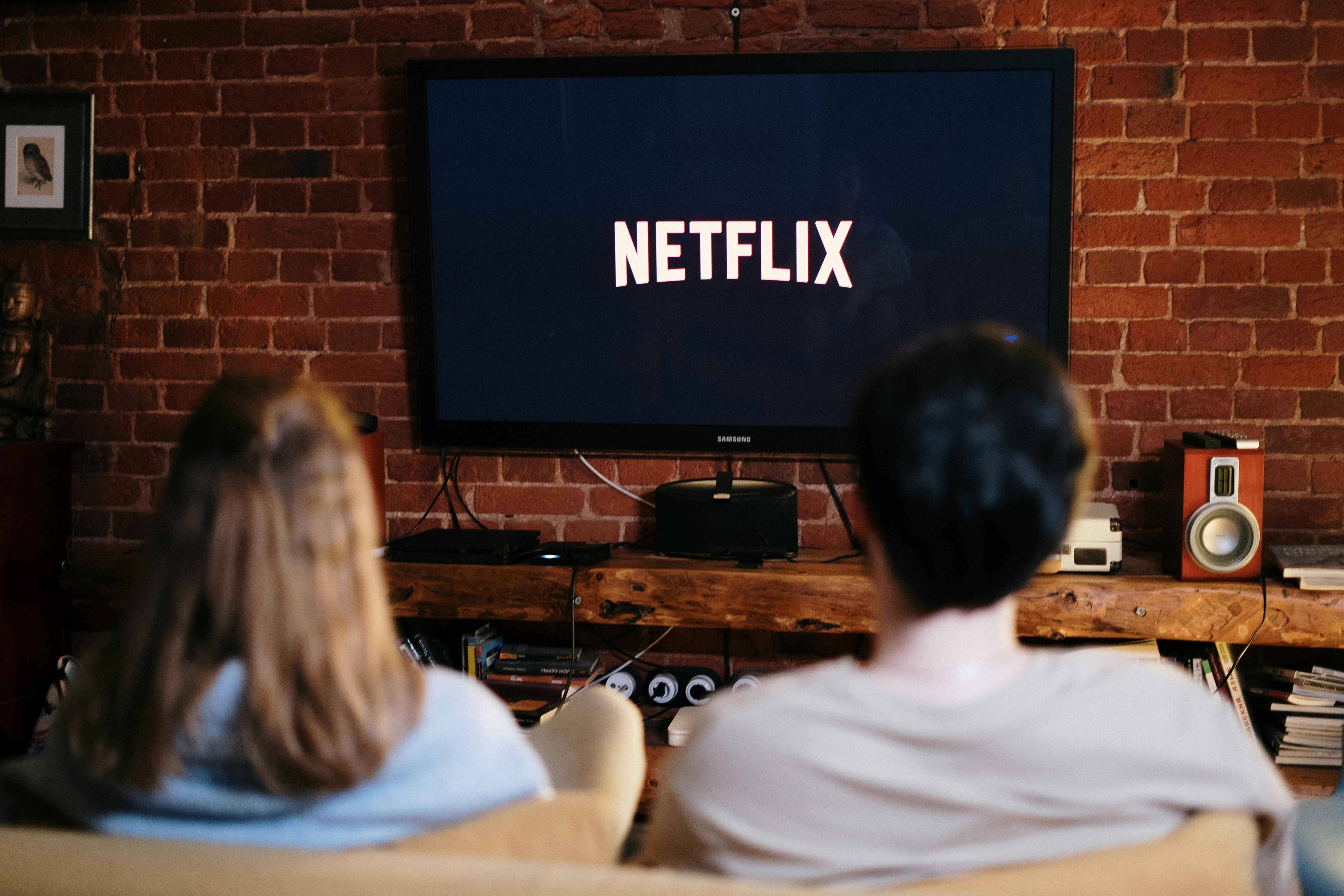
For consumers, this “battle for the living room” shows up as price hikes, confusing bundles, shifting content libraries, and increasingly ad-heavy interfaces. For the tech and media industries, it is a multi-billion-dollar platform war that will determine who owns the next decade of attention, recurring revenue, and viewer data.
Mission Overview: Owning the Primary Screen
At the core of this battle is a simple strategic goal: become the default interface people see when they sit down on the couch. The player that controls that entry point gains disproportionate power over:
- Which apps are discovered and used most often.
- How and where advertising is displayed and measured.
- What first-party data is captured about viewing and gaming behavior.
- Which subscriptions and in-app purchases are promoted or bundled.
This is why smart TV manufacturers, console makers, and streaming platforms are all building full-stack ecosystems that integrate content, commerce, and advertising into one experience.
“The TV home screen is becoming the new portal for the internet in the living room, and every company wants to be the one that owns it.” — Paraphrased from coverage in The Verge.
Streaming Wars 2.0: Consolidation, Fragmentation, and Ads
The first phase of the streaming revolution was about cord-cutting and subscriber growth. The current phase is defined by slowing growth, rising content costs, and a shift toward advertising and bundling.
From subscription growth to revenue per user
Major services including Netflix, Disney+, Hulu, Max, Peacock, and Paramount+ have all:
- Introduced or expanded ad-supported tiers.
- Raised prices on ad-free plans, often annually.
- Experimented with password-sharing crackdowns and stricter account policies.
Netflix’s ad-supported tier, for example, has grown quickly in markets like the U.S. and Europe, helping offset saturation in traditional subscription growth. Disney has explicitly framed streaming as a business that must reach profitability, not just scale, leading to price adjustments and content cuts.
Content consolidation and disappearing shows
Viewers increasingly notice that favorite shows disappear or jump between platforms. Behind the scenes, media companies are:
- Using licensing deals to generate short-term cash flow from back catalogs.
- Removing titles to avoid ongoing residual payments or to take tax write-downs.
- Merging libraries after corporate reorganizations or acquisitions.
“The streaming dream of ‘everything on demand, forever’ is colliding with the economic reality of expensive libraries and finite attention.” — Summarized from analysis in Wired.
The result is a paradoxical mix of consolidation (fewer big media owners) and fragmentation (more separate apps and tiers) that fuels subscription fatigue.
FAST channels and free tiers
Free, ad-supported streaming TV (FAST) platforms like Pluto TV, Samsung TV Plus, and Tubi are gaining traction, especially in economically tight periods. Smart TV makers integrate these channels directly into the TV guide, making them feel more like traditional cable.
This strengthens the bargaining power of TV operating systems, which can:
- Promote their own free channels ahead of third-party apps.
- Collect granular viewing data across both free and paid content.
- Sell targeted ads across a wider swath of usage.
Smart TV Operating Systems: From Screens to Ad Platforms
Smart TV operating systems (OSs) from Samsung (Tizen), LG (webOS), Roku, Google TV/Android TV, Amazon’s Fire TV, and others now operate as full-fledged advertising and app ecosystems. The TV is no longer a neutral display; it is a curated, monetized software platform.
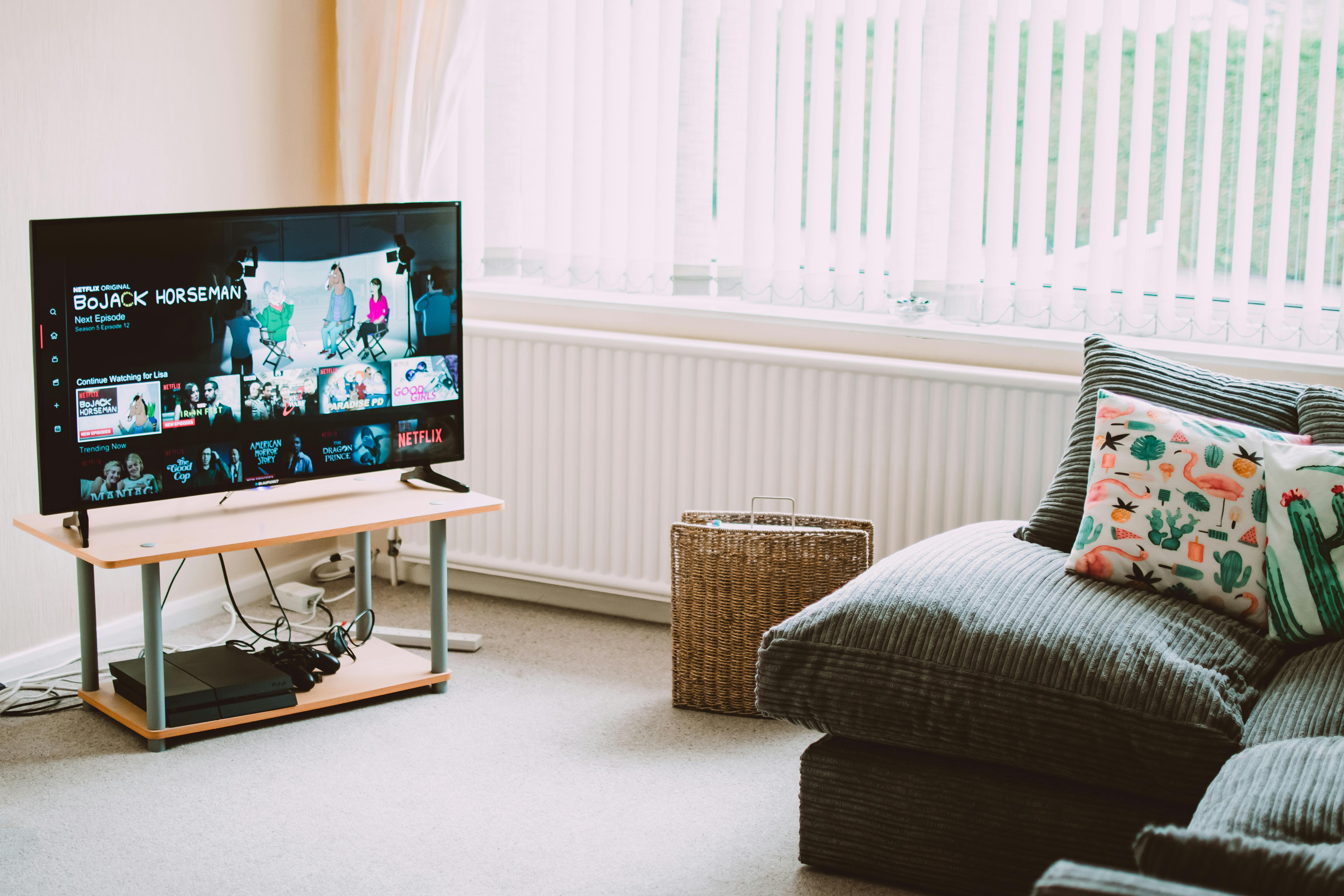
Built-in app stores and recommendations
Most smart TV OSs present a home screen with:
- Rows of apps (Netflix, YouTube, Prime Video, etc.).
- Personalized content carousels fed by watch history and recommendations.
- “Sponsored” rows promoting specific shows, channels, or apps.
From an engineering perspective, these systems combine:
- Analytics pipelines capturing detailed event data per click, impression, and view.
- Recommendation engines (often using collaborative filtering or neural ranking models).
- Ad decision engines integrating with programmatic ad exchanges.
Privacy, telemetry, and opt-outs
Privacy advocates and outlets like Ars Technica regularly highlight how smart TVs collect:
- App usage patterns and session lengths.
- Button presses and navigation paths.
- Viewership data via Automatic Content Recognition (ACR), which identifies content on screen frame-by-frame.
“Your TV is watching you as much as you’re watching it, and the real money is in the data exhaust.” — Reflecting themes from Ars Technica’s coverage of smart TV privacy.
WCAG-style accessibility thinking is also slowly shaping TV UIs: larger touch targets, improved color contrast, better screen reader support, and simplified navigation are becoming differentiators in reviews from sites like TechRadar.
Gaming Integration: Consoles, Cloud Gaming, and TV Apps
Gaming is no longer siloed to consoles under the TV. It is becoming a core part of the broader living room platform strategy.

Consoles as entertainment hubs
Xbox Series X|S, PlayStation 5, and even Nintendo Switch increasingly present themselves as all-in-one entertainment devices:
- Native apps for Netflix, Prime Video, Disney+, Spotify, and others.
- Social and voice features for party chat, streaming to Twitch/YouTube, and cross-platform messaging.
- Integration with cloud gaming services (e.g., Xbox Cloud Gaming) to extend access beyond local hardware.
For users who want high-quality controllers and accessories, products like the Xbox Wireless Controller – Carbon Black or the Sony DualSense Wireless Controller for PS5 offer console-grade ergonomics and low-latency performance.
Cloud gaming on smart TVs
Cloud gaming services such as Xbox Cloud Gaming, NVIDIA GeForce NOW, and Amazon Luna are increasingly available as native smart TV apps on Samsung, LG, and other platforms. A high-speed internet connection and a compatible controller can effectively turn a TV into a virtual console.
Key technical considerations include:
- Latency: End-to-end delay must be minimized via edge servers, efficient video codecs, and controller-side prediction.
- Bandwidth: 1080p and 4K game streams can consume tens of Mbps, raising concerns about data caps.
- Input reliability: Bluetooth vs. wired vs. proprietary wireless protocols affect responsiveness.
“Cloud gaming is a networking problem disguised as a console problem.” — Common sentiment in Hacker News discussions on streaming games.
Subscription bundles across gaming and video
Services like Xbox Game Pass Ultimate or PlayStation Plus tiers show how gaming subscriptions can mirror streaming bundles. Future offerings could combine:
- Unlimited cloud gaming across devices.
- Access to video streaming libraries.
- Perks such as in-game currency or discounts on digital purchases.
Advertising and Measurement: The Economics Behind the Screen
The converging worlds of streaming, gaming, and smart TVs are ultimately driven by advertising economics. As linear TV audiences decline, ad budgets are flowing rapidly into connected TV (CTV) and over-the-top (OTT) formats.
CTV ad-tech stack and standards
Under the hood, CTV ecosystems rely on a patchwork of standards and protocols, including:
- VAST / VPAID: Specifications for serving and tracking video ads.
- Server-side ad insertion (SSAI): Stitching ads into streams to reduce ad-blocking and improve playback.
- Device IDs and graphing: Using device identifiers and probabilistic matching to link TVs, phones, and tablets in one household.
Measurement firms and streaming platforms are competing to define what counts as an “impression,” how co-viewing is estimated, and how reach and frequency are reported across multiple apps and devices.
Privacy regulations and consent
New and evolving privacy regulations (such as GDPR in Europe, CCPA/CPRA in California, and similar laws in other U.S. states) shape how:
- Viewing data can be collected, stored, and shared.
- Consent dialogs must be presented and honored.
- Ad targeting and cross-device linking are implemented.
There is a growing push for:
- Clearer opt-in and opt-out flows on TV setup screens.
- On-device processing that minimizes data exports to the cloud.
- Independent audits of measurement methodologies.
Regulatory bodies have signaled that opaque TV tracking practices may face increased scrutiny, emphasizing transparency, user control, and data minimization.
Technology Under the Hood: Architectures, UX, and Performance
The battle for the living room is also a battle of system design. Performance, reliability, and usability directly affect which platform people choose as their default.
System architecture and performance constraints
Smart TVs often use modest SoCs (system-on-chips) with limited RAM compared to smartphones or consoles. Engineers must optimize:
- App launch times and background process management.
- Video decoding pipelines for 4K HDR and, increasingly, 8K content.
- Power consumption and thermal management in slim chassis.
Streaming and gaming apps typically rely on:
- Adaptive bitrate streaming (ABR) using protocols like HLS or DASH.
- Efficient video codecs (H.265/HEVC, AV1) to reduce bandwidth.
- Edge CDNs to minimize latency and buffering.
Accessible and responsive user experience
Although TVs are not “responsive” in the same sense as mobile web pages, they still need to adapt gracefully to:
- Different screen sizes and resolutions.
- Viewing distances and lighting conditions.
- Input methods, including remotes, voice, and sometimes mobile devices.
Accessibility principles inspired by WCAG 2.2—such as sufficient color contrast, logical focus order, text alternatives for icons, and consistent navigation patterns—are increasingly important in interface reviews and regulatory discussions.

Key Milestones in the Living Room Platform War
The trajectory of the living room ecosystem over the past decade can be traced through a series of milestones.
Selected milestones and inflection points
- Rise of standalone streaming devices: Roku, Chromecast, and Amazon Fire TV shifted control away from cable boxes and toward internet platforms.
- Global expansion of Netflix and others: International rollouts turned streaming giants into de facto global TV networks.
- Launch of premium direct-to-consumer services: Disney+, Max, and others moved major studios into direct competition with their former distribution partners.
- Launch and refinement of ad tiers: As growth slowed, advertising became central to streaming economics.
- Cloud gaming pilots on TVs: Integrations with Samsung and LG signaled that console-grade games could arrive without dedicated hardware.
Analysts expect the next milestones to include more aggressive bundling across video, gaming, and connectivity (e.g., ISP or mobile carrier bundles that include both streaming and cloud gaming).
Challenges: Fragmentation, Fatigue, and Long-Term Sustainability
While the competition has spurred rapid innovation, it has also surfaced significant challenges for both consumers and industry players.
Subscription fatigue and churn
Consumers now juggle multiple subscriptions—streaming, gaming, cloud storage, and more. Behavioral data shows:
- Frequent churn (cancelling and re-subscribing around must-watch releases).
- Growing preference for free, ad-supported options over multiple paid tiers.
- Increased use of aggregator devices (Roku, Fire TV, Apple TV) that simplify app switching but add another platform gatekeeper.
Cluttered interfaces and cognitive load
Many smart TV home screens increasingly resemble crowded billboards rather than simple input selectors. This creates friction for:
- Older adults and non-technical users.
- People with visual or cognitive impairments.
- Households trying to manage kids’ access and screen time.
There is an opportunity for companies that prioritize clean, accessible design, and for third-party “meta” layers that provide unified search, watchlists, and parental controls across apps.
Hardware obsolescence and e-waste
Smart TVs have longer physical lifespans than their software support windows. As OS updates stop and apps drop support for older devices, still-functional screens can become locked out of newer services.
Strategies that mitigate this include:
- Using external streaming sticks or set-top boxes that can be upgraded independently.
- Choosing ecosystems that commit to multi-year software support.
- Opting for high-quality HDMI cables, surge protectors, and mounts to safely extend hardware life, such as the Amazon Basics High-Speed HDMI Cable .
Practical Guidance: Navigating the Living Room Ecosystem
For households trying to simplify and future-proof their setup, a few practical strategies can reduce complexity and cost.
Clarify your primary use cases
Before choosing a platform, identify your main priorities:
- Mostly streaming video? Focus on app availability, interface simplicity, and remote design.
- Heavy gaming? Prioritize consoles or TVs with low input lag and cloud gaming support.
- Mixed family use? Look for strong profiles, parental controls, and accessibility options.
Consolidate and rotate subscriptions
Instead of maintaining every service year-round, consider:
- Choosing one or two “always-on” services that cover your baseline needs.
- Rotating others seasonally based on new releases.
- Leaning on FAST channels for background or casual viewing.
Invest in a flexible core device
A neutral, well-supported streaming device can insulate you from smart TV OS churn. Devices like Amazon Fire TV Stick or Roku Streaming Stick 4K can be moved between TVs and upgraded later without replacing the screen.
Conclusion: The Living Room as a Strategic Beachhead
The battle for the living room is about far more than where we watch movies. It is a contest over default interfaces, identity graphs, ad inventory, and cross-device ecosystems. Streaming platforms, console makers, and TV manufacturers are all converging on the same goal: become the primary gateway to entertainment, data, and commerce in the home.
Over the next few years, expect:
- Deeper integration between streaming, gaming, music, and shopping experiences.
- More sophisticated ad targeting and measurement—tempered by stricter privacy rules.
- Renewed pressure for interoperability, accessibility, and user control over data and subscriptions.
For users, the best defense is awareness: understanding how these systems make money, how your data is used, and which trade-offs you are willing to make in exchange for convenience and content.
Further Reading, Research, and Deep Dives
To explore the battle for the living room in more depth, consider the following resources:
- The Verge – Streaming and entertainment coverage
- Wired – Streaming and media industry analysis
- Ars Technica – Gadgets, smart TVs, and privacy reporting
- TechRadar – TV and streaming hardware reviews
- YouTube – Linus Tech Tips channel for in-depth home entertainment and TV setup videos.
- Hacker News for ongoing technical debates about streaming, codecs, and cloud gaming.
Media scholars and technologists increasingly examine the living room as a critical site for understanding how platforms shape culture, privacy norms, and digital economies. Keeping an eye on both technical developments and policy debates will be essential for anyone interested in the future of home entertainment.
References / Sources
The following sources provide additional context and reporting related to topics discussed in this article:
- The Verge – Streaming section: https://www.theverge.com/streaming
- Wired – Streaming coverage: https://www.wired.com/tag/streaming/
- Ars Technica – Gadgets and TV: https://arstechnica.com/gadgets/
- TechRadar – TV news and reviews: https://www.techradar.com/news/television
- Netflix investor relations (for price and ad-tier strategy insights): https://ir.netflix.net
- Disney investor relations – streaming strategy: https://thewaltdisneycompany.com/investor-relations/
- Interactive Advertising Bureau (IAB) – CTV and programmatic guidelines: https://www.iab.com
