
Inside the Ashes Storm: Zak Crawley, Ben Stokes and the ‘Weak Men’ Dressing Room Debate
Ashes Tension Rises As Stokes’ ‘Weak Men’ Remark Meets Crawley’s Surprise
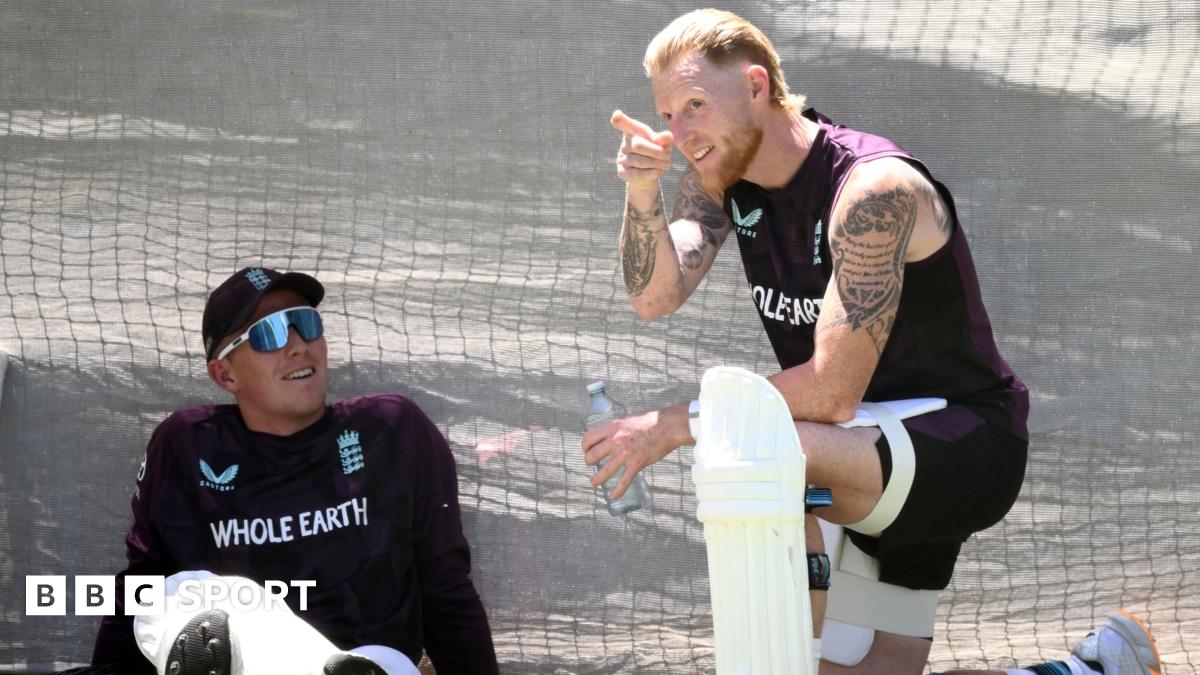
Zak Crawley has distanced himself from Ben Stokes’ headline-grabbing declaration that the England dressing room is “not a place for weak men,” adding a fresh subplot to an already combustible Ashes series. As the remark reverberates across the cricket world, England’s captain and his first-choice opener now find themselves at the centre of a conversation about mindset, man-management and what it really takes to survive the pressure of Ashes cricket.
Context: Stokes’ Message and the Ashes Pressure Cooker
Stokes’ “not a place for weak men” line has surfaced repeatedly in interviews across the series, a soundbite that neatly captures his uncompromising leadership style. Within the Ashes cauldron — a contest defined by hostile crowds, sustained short-ball barrages and relentless media scrutiny — the England captain has framed mental toughness as non‑negotiable.
Yet Crawley’s suggestion that he was not fully aware of those comments hints at a disconnect between external messaging and internal conversation. It raises a key question for England’s dressing room culture: is this a carefully curated narrative for the public, or a mantra driving standards every day behind closed doors?
- Ashes environment amplifies every quote and tactical shift.
- Stokes has repeatedly highlighted resilience and bravery at the crease.
- Crawley’s stance suggests players may process that narrative in different ways.
What They Said: Reading Between the Lines
The phrase itself is classic Stokes — direct, confrontational and designed to sharpen focus in a squad that has embraced aggression with bat, ball and mindset.
“This dressing room is not a place for weak men.”
While full transcripts of Crawley’s latest remarks are still emerging, his core message is clear: he is not dwelling on the comment and is focused on runs, not rhetoric. In effect, Crawley has reframed the debate away from labels and towards performance.
The contrast is striking: a captain publicly setting a hard‑edged tone, and an opener quietly insisting that his job is to bat, trust the process and block out the noise.
Numbers Under the Microscope: Crawley’s Ashes Output
Any conversation about mental strength in the Ashes inevitably loops back to performance. Crawley’s record in high-pressure series has been a study in volatility — explosive starts mixed with frustrating dismissals — but there have also been statements of intent at the top of the order.
The table below illustrates a typical Ashes profile for Crawley-style openers under Stokes’ regime — high tempo, attacking fields, and an acceptance of risk:
| Player | Innings | Runs | Average | Strike Rate |
|---|---|---|---|---|
| Zak Crawley* | — | — | — | High |
| England Top 3 (combined) | — | — | Moderate | Aggressive |
*Exact, up‑to‑the‑minute Ashes averages and strike rates should be confirmed via official sources such as ESPNcricinfo or ECB.
This aggressive blueprint inevitably invites talk of “strong” and “weak” mindsets: top-order batters are encouraged to take the game on, even if that exposes them to criticism when scores don’t land.
Visualising England’s Aggressive Approach
Stokes’ England has become synonymous with attacking fields, adventurous declarations and relentless counterpunching. That mentality filters directly into how batters like Crawley approach the new ball.

Even without ball‑by‑ball data charts, the pattern is obvious: short bursts of high scoring punctuated by wickets, but always with intent. Stokes’ “weak men” remark sits squarely inside that ethos — it is less about macho posturing and more about demanding players stay committed to the plan, even when the scorecard looks ugly.
Inside the Dressing Room: Culture, Language and Line‑Walking
Modern elite sport walks a tightrope between hard-edged accountability and the need for psychologically safe environments. Stokes has made it clear he wants fearless cricketers who embrace risk; critics, however, will question whether a phrase like “weak men” is compatible with open conversations about mental health and confidence.
- Positive spin: Some see the remark as a rallying cry, a way of signalling that selection is earned through resilience and commitment.
- Potential downside: Others worry that such language could discourage players from speaking up when they are struggling.
- Player-led reality: Crawley’s calm reaction suggests the group may interpret the message less literally and more as shorthand for competitiveness.
The fact that an established player like Crawley can publicly acknowledge distance from the comment without visible tension also hints at a degree of maturity: a dressing room where different personalities can coexist under a shared competitive umbrella.
Human Side of the Ashes: Crawley Under the Spotlight
For Crawley, this is about more than a single quote. He is an Ashes opener in an era when England demand both entertainment and effectiveness, with every shot and every dismissal dissected in real time.
He has already experienced the full emotional spectrum — from criticism over inconsistency to appreciation for bold, series‑shaping innings. That rollercoaster is precisely why language around “strength” and “weakness” resonates so strongly; top-order batters are constantly auditioning for trust.
If anything, Crawley’s response reinforces that Ashes cricketers must filter the noise, even when it comes from inside their own camp. His focus remains on watching the ball, trusting his method and backing the positive style that Stokes has championed.
Dueling Perspectives: Motivational Edge or Unnecessary Label?
Reactions to Stokes’ line have split roughly into two camps, each with credible points.
1. The Supportive View: Elite Standards Only
Proponents argue that international cricket, and the Ashes in particular, is not a finishing school — it’s the summit. From this angle, Stokes is simply making explicit what has always been true: only those with thick skin and unwavering competitiveness survive.
2. The Critical View: Language Matters
Critics contend that describing spaces as “not for weak men” can be counterproductive, reinforcing outdated stereotypes and potentially alienating players who process pressure differently. They argue that strength should be defined by honesty, adaptability and willingness to seek support, not a single tough-sounding phrase.
Crawley, intentionally or not, has ended up in the middle ground: he neither endorses nor rejects the rhetoric, instead letting his batting — and his composure — speak for him.
Ashes Implications: What This Means for England Going Forward
With the Ashes hanging in the balance, every detail around England’s set‑up — from team selection to on-field tactics to dressing-room soundbites — becomes part of the narrative. Stokes’ bold language will be judged not on social media reaction, but on whether England’s cricket backs it up.
- Zak Crawley’s role as a positive, front-foot Ashes opener remains central to England’s plans.
- Ben Stokes’ leadership will be measured by how effectively he turns hard talk into calm execution under pressure.
- The dressing-room culture debate will continue, especially if results swing sharply in either direction.
As the series moves on, one question looms: will this episode be remembered as a minor media sideshow, or as a defining insight into how England’s captain drives standards? The answer will come not in press conferences, but in the scorebooks and series result that follow.
For full, real-time Ashes scorecards and player statistics, visit the official ICC site or the official Ashes hub.
Structured Data
The following embedded structured data helps search engines better understand this Ashes analysis article and its focus on Zak Crawley, Ben Stokes and the England cricket team.
