
How Zamrock Went Global: Sampa the Great, WITCH, and the Rebirth of Zambia’s Fuzziest, Coolest Sound
Once a local 1970s Zambian phenomenon, Zamrock has roared back into global consciousness, with artists like Sampa the Great, WITCH, and a new wave of crate-digging fans turning this fuzzed-out, psychedelic rock sound into one of the most intriguing music revivals of the 2020s.
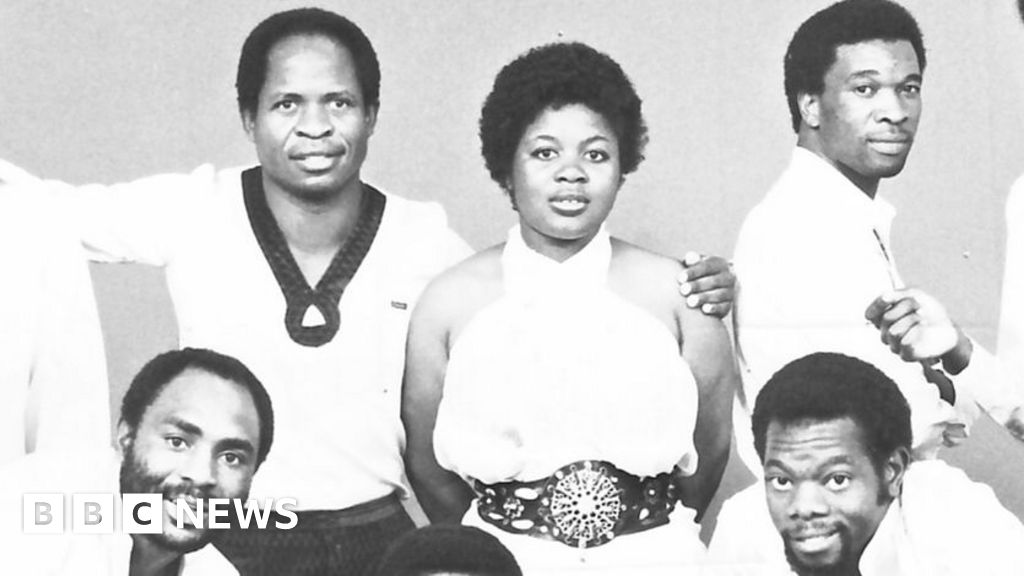
Over the past decade, Zamrock has quietly shifted from a niche vinyl-collector obsession to a bona fide global talking point. The BBC’s coverage of its revival, along with reissues, festival slots, and syncs in film and TV, has helped cement this once-obscure scene as a crucial chapter in both African music history and modern alternative culture.
This piece explores where Zamrock came from, why it vanished, and how artists like Sampa the Great are helping to rewrite its story for a streaming-era audience hungry for sounds that feel both vintage and startlingly fresh.
What Is Zamrock? The Sound of Post-Independence Zambia Plugged into a Fuzz Pedal
Zamrock is the name retroactively given to a wave of rock bands that emerged in Zambia in the late 1960s and exploded in the 1970s. Sonically, it lives at the crossroads of psychedelic rock, funk, blues, and traditional Zambian rhythms, often sung in a mix of English and local languages like Bemba and Nyanja.
Think Black Sabbath riffs meeting James Brown grooves, filtered through the specific political, social, and spiritual currents of a newly independent African nation. Heavy fuzz guitars, raw vocals, and jammy, improvisational structures were common, but so were haunting melodies and unexpected tenderness.
- Distorted guitars and wah-wah pedals borrowed from British and American rock
- Call-and-response vocals rooted in Zambian musical traditions
- Lyrics that grappled with urbanization, freedom, faith, and survival
- DIY recording aesthetics that now read as gloriously lo-fi and “analog warm”
“We wanted to sound like the bands we heard on the radio, but also like ourselves,” one Zamrock musician recalled. “So we turned up the amps and sang about our own lives.”
While the term Zamrock has become a neat marketing tag for reissues and playlists, it originally described a chaotic, hybrid scene more than a single codified style—one that mirrored Zambia’s own experiments with identity and modernity in the first decades after independence.
1970s Zambia: Post-Independence Optimism, Copper Money, and Nightclub Amplifiers
The context matters. Zambia gained independence from British colonial rule in 1964. By the early 1970s, the copper boom meant relatively strong state revenue, urban growth, and the rise of nightlife circuits in cities like Lusaka and the Copperbelt towns.
Imported records from the UK and US—Jimi Hendrix, Deep Purple, The Rolling Stones, James Brown—collided with local tastes and the growing desire for a distinctly Zambian modernity. Bands formed in schools, churches, and mining towns, often cobbling together equipment and learning covers before morphing into original acts.
Radio Zambia played a crucial role, exposing listeners to rock, soul, and homegrown bands side by side. Meanwhile, government cultural policies both encouraged national arts and occasionally censored politically sensitive content, pushing some bands to wrap social commentary in metaphor and mysticism.
As the 1970s wore on, economic downturns, political tensions, and the HIV/AIDS crisis would all play roles in dimming the scene’s visibility. By the late 1980s, many original Zamrock records were out of print, their creators scattered, retired, or, in some cases, gone.
Key Zamrock Pioneers: WITCH, Amanaz, Rikki Ililonga, and Beyond
The BBC’s renewed spotlight has rightly foregrounded several foundational acts, many of whom are now enjoying late-career resurgence via reissues and international tours. If you’re just diving into Zamrock, these names are essential.
- WITCH (We Intend To Cause Havoc) – Perhaps the most famous Zamrock band today, with charismatic frontman Emmanuel “Jagari” Chanda. Their albums like Lazy Bones!! have become canonical for their mix of psychedelic guitars, pounding grooves, and socially-minded lyrics.
- Amanaz – Their 1975 album Africa is one of the scene’s most haunting, moving between English and local languages. It’s slower, more introspective, with a hazy, almost dream-pop quality decades before that genre existed.
- Rikki Ililonga & Musi-O-Tunya – Often cited as one of the godfathers of Zambian rock, Ililonga fused blues, rock, and traditional rhythms, while his lyrics tackled love, identity, and politics.
- Paul Ngozi & The Ngozi Family – Raw, urgent, and street-level, Ngozi’s records are beloved for their grit and humor, often reflecting working-class life in Lusaka.
“When we started WITCH, we didn’t think we were making a genre,” Jagari Chanda has said in interviews. “We just wanted to express what was happening in Zambia.”
What unites these bands isn’t just distortion and swagger but a tension between global aspiration and local grounding. They wanted to be as exciting as the overseas rock stars on imported LPs, yet unmistakably Zambian in spirit.
From Near-Oblivion to Crate-Digger Gold: How Zamrock Almost Disappeared
By the late 1980s, many Zamrock records were extremely hard to find, even in Zambia. Economic crises, shifts in popular taste toward disco, reggae, and later digital Kalindula and gospel, plus the tragic loss of several musicians to illness and hardship, pushed the scene into the shadows.
Master tapes were lost or damaged, vinyl pressings wore out, and younger generations often associated rock with an older era. For a while, Zamrock lived mostly in fragmentary memories and battered records in second-hand shops.
The tide began to turn in the 2000s and 2010s, when international labels and researchers started tracking down surviving musicians and master recordings. Reissue labels—often based in Europe or North America—partnered with Zambian artists and estates to remaster and re-release key albums on vinyl, CD, and digital platforms.
- Anthologies introduced Zamrock to global listeners via curated compilations.
- Documentaries and music journalism, including BBC features, provided historical context.
- Streaming services made previously impossible-to-find albums a click away.

This revival has raised important ethical questions about ownership, royalties, and who gets to narrate African music histories. When handled respectfully—through fair contracts and active collaboration with Zambian artists—the result can be both restorative and economically meaningful. When mishandled, it risks repeating extractive patterns the continent knows all too well.
Sampa the Great and the Modern Face of Zamrock’s Rebirth
While the reissue wave built a cult audience, it took a new generation of artists to weave Zamrock into contemporary global music. Enter Sampa the Great, the Zambia-born, Botswana-raised rapper and singer whose work has become synonymous with this new chapter.
On albums like The Return and As Above, So Below, Sampa blends hip-hop, neo-soul, traditional Zambian elements, and, crucially, Zamrock’s guitar-driven energy. Her collaborations with surviving members of WITCH and her live performances with full bands have brought a once-obscure genre to festival stages and international award ceremonies.
“Zamrock is in our DNA,” Sampa has said in interviews. “It’s the sound of our parents’ generation, but it still speaks to what we’re going through now.”
Sampa’s role is crucial because she’s not treating Zamrock as a museum artifact or a retro novelty. Instead, she uses it as living language—a texture in her storytelling about migration, womanhood, spirituality, and Black identity in the diaspora.
Why Zamrock Feels So 2020s: Nostalgia, Aesthetics, and Global Taste Shifts
Beyond sheer musical quality, Zamrock’s revival also lines up neatly with several 21st‑century cultural trends:
- Analog nostalgia: In an era of algorithmic playlists and pristine digital production, Zamrock’s rough edges and tape hiss feel tactile and “real.”
- Global crate-digging: Online communities, boutique labels, and streaming have made it easier than ever to explore non-Western music histories.
- Afrofuturism and retrofuturism: Zamrock often sounds like an alternate history—what if African rock had dominated global charts? That “what if” makes it catnip for creatives and filmmakers.
- Festival culture: The music’s high‑energy jams and big riffs translate perfectly to live settings, from European festivals to African urban showcases.
There’s also a more critical reading: Western listeners and brands sometimes romanticize “lost” African scenes as exotic, cool, and safely distant. When BBC features and fashion editorials proclaim Zamrock “the new old thing,” the risk is that the genre becomes a vibe rather than a living tradition.
Yet the best of the current revival pushes against this flattening. When younger Zambian artists sample Zamrock, book WITCH for collaborations, or incorporate its aesthetics into music videos, they’re asserting creative continuity rather than letting the narrative be purely archival.
Strengths and Weaknesses of the Zamrock Revival
As a cultural moment, the Zamrock resurgence is both thrilling and complicated. On balance, it feels like a net positive—but not without blind spots.
What the Revival Gets Right
- Restored visibility: Artists who were once footnotes are now recognized as innovators in global rock history.
- Economic upside: Reissues, touring, licensing, and documentaries can finally bring income to surviving musicians and their families—when deals are fair.
- Creative inspiration: The influence on acts like Sampa the Great, plus rock, jazz, and electronic musicians worldwide, keeps the sound evolving.
Ongoing Challenges
- Royalty transparency: Ensuring Zambian artists are properly compensated remains a pressing issue; contracts negotiated decades after the fact can be uneven.
- Local infrastructure: Global acclaim doesn’t always translate into sustainable local music ecosystems—venues, labels, and education in Zambia itself need similar investment.
- Narrative control: International media still tends to frame Zamrock through a Western lens. Supporting Zambian journalists, historians, and curators is crucial.

As one critic put it in a recent BBC feature, “The question isn’t just how we hear Zamrock, but who benefits from our listening.”
How to Explore Zamrock Today: Albums, Docs, and Digital Deep Dives
If the BBC’s coverage or Sampa the Great’s performances have piqued your interest, exploring Zamrock in 2025 is easier than ever. The key is to balance streaming-era convenience with an awareness of where your money and attention flow.
- Start with curated playlists: Search “Zamrock” on major streaming platforms for label- and fan-made introductions, then branch out into full albums.
- Buy physical releases: Vinyl and CD reissues from reputable labels often include liner notes, photos, and detailed credits that deepen your understanding.
- Support current Zambian artists: Follow and stream musicians who are actively expanding the sound, from hip-hop and rock to electronic fusions.
- Watch documentaries and interviews: Look for pieces on BBC, YouTube, and festival circuits that feature original band members telling their own stories.
For a richer experience, pair the music with reading on Zambian history, both pre- and post-independence. Zamrock is not just a playlist aesthetic; it’s a sonic snapshot of how one country navigated modernity, conflict, hope, and grief.
Looking Forward: From Revival to Continuum
The rebirth of Zamrock—amplified by BBC storytelling, vinyl reissues, and artists like Sampa the Great—is more than a retro fad. It’s part of a larger shift in how global music culture values African creativity, not merely as rhythmic seasoning for Western pop, but as a source of its own distinct modernities.
The next step is moving from “revival” to “continuum”: where young Zambian musicians feel empowered to bend the sound in new directions, where infrastructure and fair pay support that creativity, and where international coverage foregrounds local voices rather than treating Zamrock as a quirky discovery.
If the recent surge of interest is any indication, we’re heading there. For now, the best thing listeners can do is to dig in—listen deeply, read widely, and treat Zamrock not just as a cool vintage genre, but as a living conversation between generations.
