
How to Make Your Closet Your Coziest Home: Body-Inclusive, Gender-Fluid Style for Real People
Welcome Home… to Your Closet
Your closet is secretly the most powerful room in your Home, even if it’s currently doing an impression of a fabric avalanche. Today we’re turning that space into a cozy, body-inclusive, gender-fluid playground where clothes finally fit you, not the other way around. Think of this as interior design for your wardrobe: we’re rearranging the furniture (aka fits, silhouettes, and vibes) so you can actually live comfortably in your own style.
As of right now, fashion feeds everywhere are buzzing about two big things: body‑inclusive tailoring and gender‑fluid streetwear. Translation? Less “this is for men/women only,” more “does this feel good on your body and your soul?” We’re going to mix those trends with homely comfort energy so you can build a wardrobe that feels like your favorite living room: welcoming, soft where you want soft, structured where you need structure, and 100% you.
Grab a drink, open your closet door, and let’s redecorate your outfits like they’re your personal studio apartment of self-expression.
The Big Trend: Clothes Without a Gender, Fits Without Shame
Across TikTok, Instagram, and every “how did I end up here?” corner of the internet, creators are done with rigid menswear/womenswear labels. Hashtags like #plussizestreetwear, #genderfluidfashion, #mensfashiontips, and #sizeinclusive are turning closets into shared Home spaces instead of split bedrooms.
The vibe:
- Oversized tailoring – boxy blazers, wide‑leg trousers, and longline coats that skim instead of squeeze.
- Unisex streetwear staples – hoodies, cargos, bomber jackets, and graphic tees in extended size ranges (XS–4X and beyond).
- Fit education – people explaining shoulders, rise, inseam, taper, and how to boss up at the tailor.
Instead of asking, “Is this for men or women?” the real question is, “Does this feel like me—and can I sit on my couch in it without regretting my life choices?” That’s the new gold standard.
Treat Your Closet Like a Home Makeover Show
Imagine your wardrobe is a slightly chaotic studio apartment. Before we bring in the stylish furniture (aka outfits), we need to declutter and rearrange the layout so it actually works for your life.
1. Evict the “Someday” Clothes
If your wardrobe has residents that only fit your “maybe if I change everything about myself” fantasy, it’s time for a gentle breakup. Keep the pieces that fit your current body and lifestyle—those are the ones paying actual rent in your Home.
Ask each piece:
- Can I breathe in this?
- Would I answer the door in this outfit?
- Does this feel like I’m dressing with my body, not against it?
2. Create “Zones” Like a Smart Apartment Layout
Instead of splitting clothes into “male” and “female” or “work” and “weekend,” try organizing by function and feeling:
- The Sofa Zone: ultra‑comfy knits, baggy tees, joggers, soft cargos.
- The Desk Zone: relaxed blazers, wide‑leg trousers, clean sneakers, simple shirting.
- The Going‑Out Balcony: statement jackets, pleated skirts, mesh tops, bold accessories.
Any piece can move between zones. An oversized blazer can go from “desk” to “balcony” with a crop top and a chunky sneaker swap. Your wardrobe is open concept; no walls, just vibes.
Fit Is the Floorplan: Make It Work for Your Body
Fit is like good Home architecture: if the foundations are wrong, no amount of cute decor (or accessories) can save it. Body‑inclusive styling starts with understanding shape, drape, and balance.
Shoulders: Your Structural Beams
- Tailored jackets & shirts: The shoulder seam should sit right where your shoulder bone ends. Too far out and you’ll look swallowed; too far in and it’s giving “borrowed from my younger cousin.”
- Oversized on purpose: If you want a roomy, streetwear look, go intentionally big—one or two sizes up—so it looks styled, not accidental.
Rise & Inseam: Your Personal Ceiling Height
- High-rise bottoms can balance fuller midsections and create a smooth line under oversized tops.
- Mid-rise is great if you dislike things touching your waist but still want structure.
- Inseam check: Cuffs pooling like fabric puddles? Get them hemmed or cuff them. Like interior cords, pants should not be a tripping hazard.
Drape: Your Interior Curtains, but Make It Fashion
Skip the idea that flattering means “tight.” Flattering can also mean “flows over everything like a well‑hung curtain.”
- Soft, fluid fabrics (viscose, tencel, some knits) are great for plus-size and curvy bodies when paired with structure up top.
- Structured pieces (denim, twill, suiting) give shape when you’re in oversized silhouettes from neck to ankle.
Rule of thumb: one part structured, one part relaxed. Like a sofa with firm support and fluffy cushions.
Gender-Fluid Streetwear: The Open-Plan Closet of Your Dreams
Gender‑fluid style is basically the loft apartment of fashion: no unnecessary walls. You pick pieces based on silhouette, comfort, and attitude—not what the department sign says.
Some current MVPs:
- Hoodies and crews: Size up for that cozy, lived‑in feel; layer over pleated skirts, slip dresses, or tailored trousers.
- Cargo pants & parachute pants: Roomy, adjustable, and secretly practical (pockets = storage solutions for your body).
- Boxy blazers: Throw over literally anything—crop tops, sports bras, turtlenecks, tanks—for instant “I know what I’m doing” energy.
- Skirts for everyone: Pair a pleated skirt with chunky sneakers and an oversized hoodie for a look that’s equal parts playful and powerful.

Don’t be afraid to shop across departments the way you’d borrow furniture between rooms:
- Need more length? Try “mens” sections for longer inseams and sleeves.
- Want a closer fit? Check “womens” or “juniors” for slimmer cuts that layer well.
- Sharing a closet? Go for elastic waists, drawstrings, and wrap closures. That hoodie can belong to you, your partner, and the couch at the same time.
Your Tailor = Your Wardrobe’s Interior Designer
A tailor is to your wardrobe what a good contractor is to your Home: they make the space fit your life. You don’t need custom everything, but a few tweaks can turn “almost” pieces into all‑time favorites.
Easy Alterations That Change Everything
- Shorten the sleeves: Perfect for shirts and blazers borrowed from bigger sections.
- Hem the pants: Especially wide‑leg or parachute styles; let your shoes be seen and your ankles be free.
- Taper slightly: A gentle taper at the leg or waist can make oversized look deliberate, not drowning.
How to Talk to Your Tailor
Use feelings, not just numbers. Try:
- “I want this to feel relaxed but not baggy.”
- “I like the width; I just need the length shorter.”
- “I want to be able to sit on the floor in this without it digging in.”
Remember: a sustainable wardrobe isn’t just about organic cotton. It’s about clothes you’ll actually wear for years because they fit.
Accessories: The Throw Pillows of Your Outfit
Accessories are where you can go wild without committing to a full renovation. They’re the artwork, rugs, and lamps of your ensemble—swappable, fun, and deeply personal.
- Silk scarves: Tie them as neckerchiefs, headbands, bag wraps, or even belts. They look good on every gender and every body.
- Chunky sneakers: Add instant streetwear energy to skirts, dresses, and tailored pants.
- Bold jewelry: Chains, hoops, chunky rings—layer them over hoodies or tees like you’re styling a gallery wall.
- Bags: Crossbody, mini-tote, or slouchy shoulder bags don’t care about gender; they care about carrying your stuff with style.
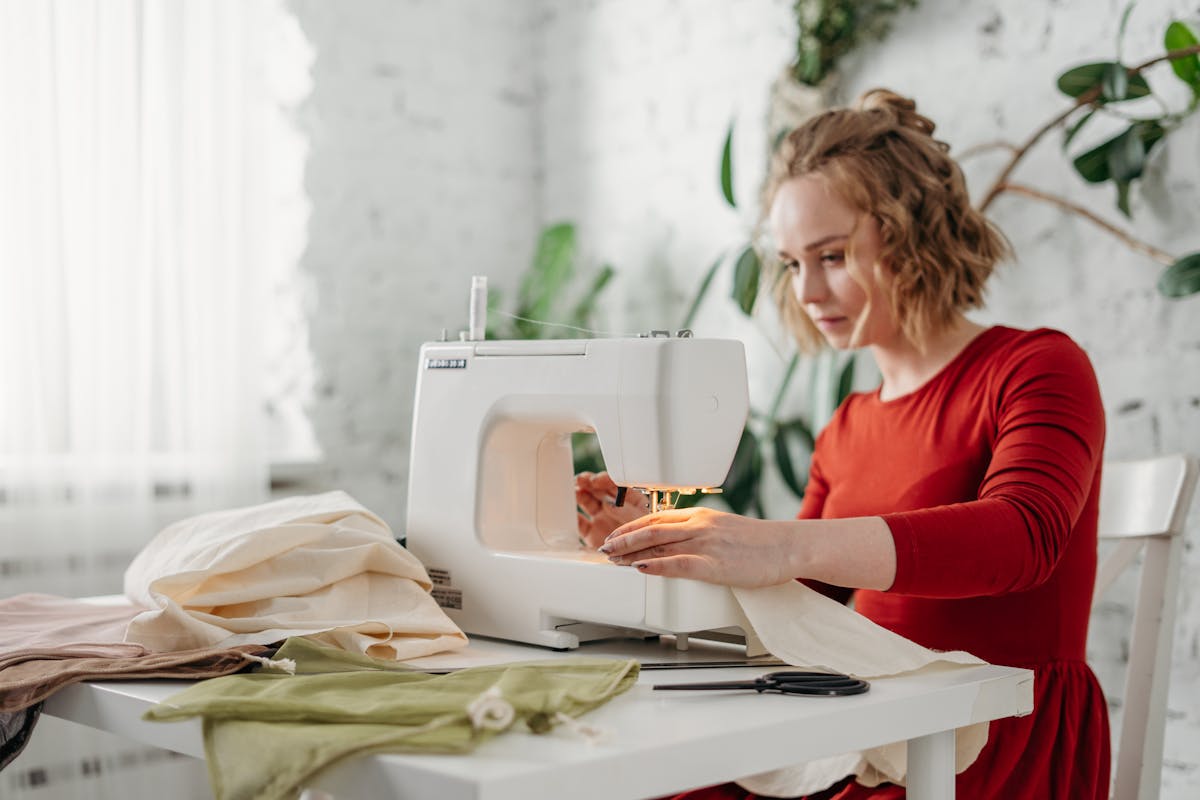
If you’re nervous about trying gender‑fluid pieces, start with accessories. Let a silk scarf or chain necklace be the first “accent wall” in your outfit.
Plug-and-Play Outfit Formulas for Real Life at Home
When your brain is buffering in the morning, have a few go‑to combos ready—like easy room layouts you know always work.
- The Cozy Power Look
Oversized blazer + soft hoodie + wide‑leg trousers + chunky sneakers.
Works for: Zoom calls, coffee runs, pretending your living room is a co‑working space. - The Gender-Fluid Street Skirt
Pleated skirt + graphic tee + bomber jacket + socks and sneakers.
Works for: gallery hopping, dates, or just walking your dog like a style icon. - The Shared-Closet Special
One oversized shirt worn as a dress or long layer + bike shorts or leggings + boots or sneakers.
Works for: multiple body types, quick outfits, and “we share everything” couples. - The Sofa-to-Street Upgrade
Joggers + fitted tank or tee + longline coat + your favorite jewelry.
Works for: actually leaving the house in what is essentially chic loungewear.
Confidence: The Warm Lighting of Your Style Home
You can have the trendiest pieces and the most carefully tailored fits, but if you step out the door acting like you don’t deserve to take up space, the whole look dims.
So here’s your gentle reminder:
- Your body is not the problem; bad fits are.
- You don’t need permission to wear skirts, blazers, crop tops, or cargos.
- Comfort is not the enemy of style; it’s the foundation of it.
Think of your style like your Home: it doesn’t have to look like anyone else’s Pinterest board to be beautiful. It just has to feel like somewhere you want to be, day after day.
And if anyone questions your outfit? Smile politely and remember: you’re not just dressed, you’re fully furnished.
