
How to Build a Luxe-Looking Capsule Wardrobe on a Thrift-Store Budget
Imagine opening your closet and feeling the same calm you get from a perfectly tidy living room: everything in its place, everything you actually love, zero mystery piles of “I’ll wear it someday.” That’s the magic of a sustainable capsule wardrobe built on thrifted gems, smart high‑low styling, and the radical act of wearing what you already own—over and over again.
Today we’re diving into budget‑friendly, eco‑conscious capsule wardrobes that look expensive, live in the real world, and don’t require you to sell a kidney for a blazer. We’ll talk thrift strategies, color wizardry, high‑low mixing, and how to squeeze a month of outfits from a handful of pieces—without looking like you’re wearing the same thing on repeat.
Spoiler: your closet can feel like a curated boutique, even if half of it came from the $7 rack and a very patient tailor.
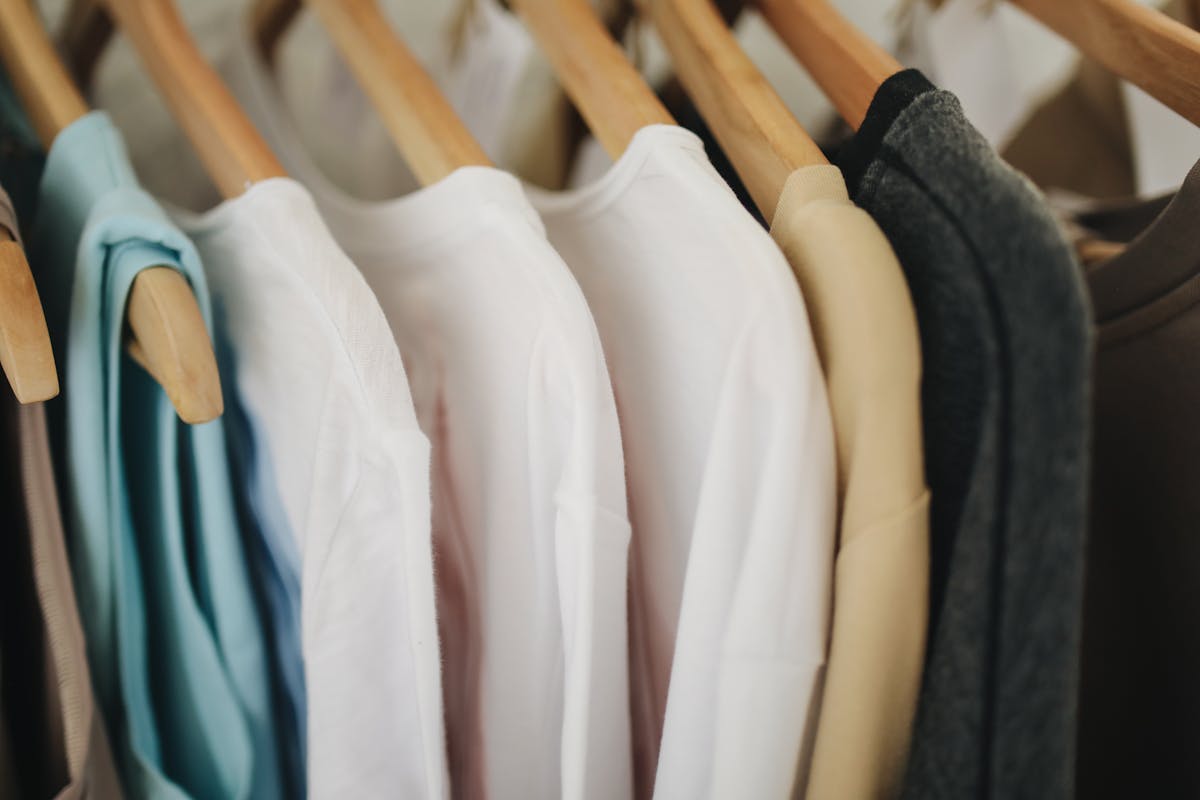
Why Thrifted Capsules Are Having a Main-Character Moment
Capsule wardrobes are everywhere on TikTok, YouTube, and Pinterest: “30 outfits from 10 pieces,” “1 blazer, 10 ways,” “thrift with me for my fall capsule.” And for good reason:
- Cost of living is side‑eye high. We’re all trying to look chic without taking out a loan for trousers.
- Eco guilt is real. Fast‑fashion heaps and micro‑trends are starting to feel… morally itchy.
- Decision fatigue is exhausting. A capsule means fewer pieces, more combos, and way less “I have nothing to wear” at 8:03 a.m.
Instead of endless hauls, creators are leaning into “no‑buy” and “low‑buy” challenges, styling the same core pieces in creative ways and showing that the most sustainable item is the one you already own—followed closely by that vintage blazer you scored for $15.
The Skeleton of a Thrift‑Heavy Capsule (A.K.A. Closet Architecture)
Think of your wardrobe like a tiny, very stylish apartment. Space is limited, so everything must earn its rent. A typical thrift‑forward capsule looks something like this:
Tops
- 2–3 neutral tees (black, white, grey, or beige)
- 1–2 button‑up shirts (men’s or oversized thrift finds are gold)
- 1 knit sweater or cardigan (texture = instant elevation)
Bottoms
- 1 pair straight‑leg jeans
- 1 pair tailored trousers
- 1 skirt or pair of shorts, climate‑dependent
Layers
- 1 vintage blazer
- 1 denim or leather jacket
- 1 trench or overcoat
Shoes
- 1 sneaker
- 1 boot or loafer
- 1 dressy shoe or sandal
Accessories
- 1–2 belts
- a few scarves or ties
- 1 everyday bag
This isn’t a law; it’s a template. Think: “choose your own adventure, but stylish.” Swap jeans for cargos, a skirt for wide‑leg pants, sneakers for ballet flats—the idea is to have a small but mighty crew of pieces that mix and match smoothly.
Color Palettes: Your Closet’s Group Chat Rules
The secret to making 10 pieces feel like 40 outfits is color cohesion. If your wardrobe looks like a crayon box exploded, getting dressed becomes chaos. Cute chaos, but still.
Rule of thumb: neutrals do the heavy lifting, accents do the flirting.
Try this simple formula:
- Pick 2–3 base neutrals. Black, white, cream, navy, grey, or camel. These pieces should all play nicely together.
- Add 1–2 accent colors. Think olive, burgundy, soft blue, or blush. These show up in tops, scarves, or bags.
- Keep prints in the same family. If you love patterns, choose ones that share colors with your core palette.
Suddenly, that thrifted men’s shirt, your favorite jeans, and a random scarf all look like they were meant to be together—because color is quietly doing the coordination work behind the scenes.
High‑Low Styling: Champagne Looks, Tap-Water Budget
The chicest outfits rarely come from a single brand head‑to‑toe. High‑low styling—mixing thrifted or vintage pieces with a few new, well‑made basics—is where the magic happens.
Where to Splurge (Ethically, If You Can)
- Shoes: Your feet and posture will thank you. Good shoes instantly level up a $6 dress.
- Outerwear: A well‑cut coat or trench makes everything underneath look intentional, even if it’s just a tee and jeans.
- Daily basics: Think the perfect white tee or tank you’ll reach for 100 times.
Where to Save (Thrift, Baby, Thrift)
- Blazers and trousers: Men’s sections are treasure islands; a tailor can handle the rest.
- Statement tops and trend pieces: Y2K, coquette, streetwear details—thrift them instead of chasing micro‑trends new.
- Accessories: Belts, silk scarves, bags that look designer but cost less than your lunch.
Mix a thrifted blazer and vintage jeans with crisp new sneakers and a clean tee, and suddenly you look like someone who reads niche magazines and drinks good coffee.
Fit Over Brand: Why Your Tailor Is the Real Influencer
Here’s the styling hill fashion people will die on: fit matters more than labels. A $15 blazer that fits like it was made for you will always beat a pricey one that bunches and droops.
Thrifting Like a Pro Stylist
- Check fabric first. Natural fibres (cotton, wool, linen, silk) usually age beautifully.
- Ignore the tag size. Try on everything from one or two sizes up and down, especially in men’s sections.
- Look at the bones. Shoulder placement, lapel width, and length matter more than the current fit—they’re what a tailor can (or can’t) fix.
When a Tailor Is Worth It
Simple adjustments like hemming trousers, nipping in a waist, or shortening sleeves are usually affordable and can turn an “almost” into a “wow, where did you get that?”
This approach is especially helpful for plus‑size fashion lovers and menswear fans, who often find outerwear, accessories, and menswear cuts that adapt well with minor tweaks—without relying on limited trend‑driven options in their exact size.
One Capsule, Many Aesthetics: Accessory Sorcery
The same core capsule can morph into different aesthetics just by swapping accessories and layers. Think of your clothes as the base of a pizza, and accessories as the toppings. Change the toppings, get a whole new vibe.
Take One Blazer, Style It Three Ways
- Minimalist: Blazer + white tee + black trousers + sleek sneakers + tiny stud earrings. Clean, sharp, LinkedIn‑ready.
- Streetwear‑leaning: Blazer + hoodie + baggy jeans + chunky sneakers + cap. Cool enough to pretend you’re late to a creative meeting.
- Soft Y2K: Blazer + baby tee + mini skirt or low‑rise jeans + shoulder bag + delicate necklace. Nostalgic, but make it 2025.
Suddenly, your “small” wardrobe feels much bigger. You’re not outfit‑repeating; you’re styling.
Low‑Buy Challenges: Turning Restraint Into a Style Game
Low‑buy and no‑buy challenges are everywhere because they’re half financial reset, half creativity bootcamp. Instead of asking, “What can I buy to fix my style?” the question becomes, “How many ways can I wear what I already own?”
How to Try a Low‑Buy Month
- Set rules you can actually keep. Example: only buy replacements, or allow one pre‑planned purchase.
- Make a mini capsule “lab.” Choose 10–15 pieces and challenge yourself to style 20 outfits from them.
- Take mirror photos. You’ll start to see what silhouettes and colors you love most.
- Keep a “future wishlist,” not a cart. If you still want it after 30 days, it’s probably worth considering.
You’ll end the month with more outfit ideas, a sharper sense of your personal style, and probably a lot less guilt about impulse‑bought sequined things.
Three Foolproof Outfit Formulas from Your Capsule
When in doubt, lean on simple formulas. They’re like recipes: follow the structure, season to taste.
- The Coffee Run: Straight‑leg jeans + neutral tee + trench coat + sneakers + crossbody bag. Works for errands, brunch, or “I tried just enough.”
- The Desk‑to‑Dinner: Trousers + button‑up shirt + blazer + loafers. Swap loafers for a dressy shoe and add a bold lip or necklace for evening.
- The Creative Day: Skirt or shorts + oversized sweater or men’s shirt half‑tucked + boots + statement belt or scarf. Effortless, but clearly not accidental.
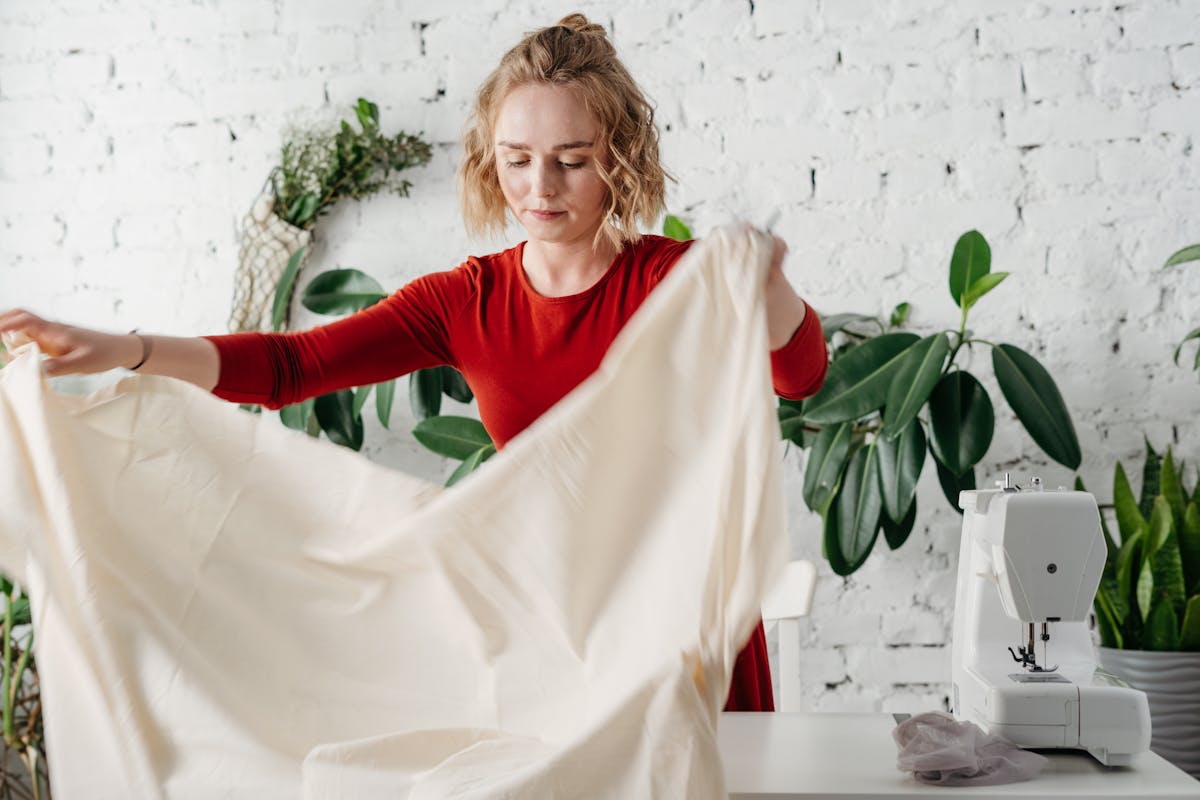
Your Closet, But Make It Intentional
A sustainable, thrift‑powered capsule wardrobe isn’t about owning the fewest clothes possible or chasing some ultra‑minimalist ideal. It’s about:
- Knowing what you actually wear and love.
- Choosing pieces that play well together.
- Buying less, but better—and often secondhand.
- Styling creatively instead of shopping reactively.
When your wardrobe is curated, getting dressed becomes quick, calm, and kind of fun. You save money, reduce waste, and step out the door feeling like the best version of you—not the algorithm’s idea of who you should be.
So the next time you’re tempted by a late‑night cart full of trends, pause and ask: “Can I thrift this? Do I already own something similar? Could a tailor, a belt, or a different accessory give me the same vibe?” Your wallet, the planet, and your future favorite blazer are all quietly cheering you on.
Your closet doesn’t need more clothes. It needs more intention—and maybe one really great thrifted trench.
