
How ‘Study With Me’ Short-Form Videos Became the New Pomodoro for Remote Work and Deep Focus
Short-form “study with me” and deep-work productivity videos are transforming how students and remote workers stay focused, using Pomodoro-style timers, virtual co-working, and algorithm-friendly aesthetics to provide structure, accountability, and ambient motivation in an era of digital distraction.
Executive Summary
Pomodoro-style study sessions, aesthetic desk setups, and focus livestreams have evolved into a powerful genre across TikTok, YouTube Shorts, and Instagram Reels. What started as long, quiet “study with me” livestreams has fragmented into highly shareable short-form clips that double as virtual co-working tools.
This content trend is driven by the continued rise of hybrid and remote work, algorithm-friendly visuals, and a growing need for gentle accountability and mental health support. Viewers use these clips as a form of body doubling, ambient background noise, and community-driven motivation to tackle tasks, especially during exams or high-pressure deadlines.
- Hybrid and remote environments are fueling demand for structured, communal focus rituals.
- Short-form, visually aesthetic content performs well with engagement-driven algorithms.
- Body doubling and virtual co-working help viewers manage procrastination, ADHD, and burnout.
- Brands and creators are monetizing through productivity tools, desk gear, and membership communities.
The Rise of Short-Form “Study With Me” and Deep-Work Content
“Study with me” content originally gained traction through long-form YouTube livestreams where creators would quietly work on camera for hours. Over time, this format has been reimagined for short-form platforms, where the emphasis is on fast-paced, visually aesthetic snippets that still serve as focus anchors for viewers.
On TikTok, YouTube Shorts, and Reels, creators now post:
- Time-lapses of multi-hour work sessions compressed into 15–60 second clips.
- Close-up shots of note-taking, typing, or coding accompanied by lo-fi or ambient music.
- On-screen Pomodoro countdown timers that invite viewers to “start this session with me.”
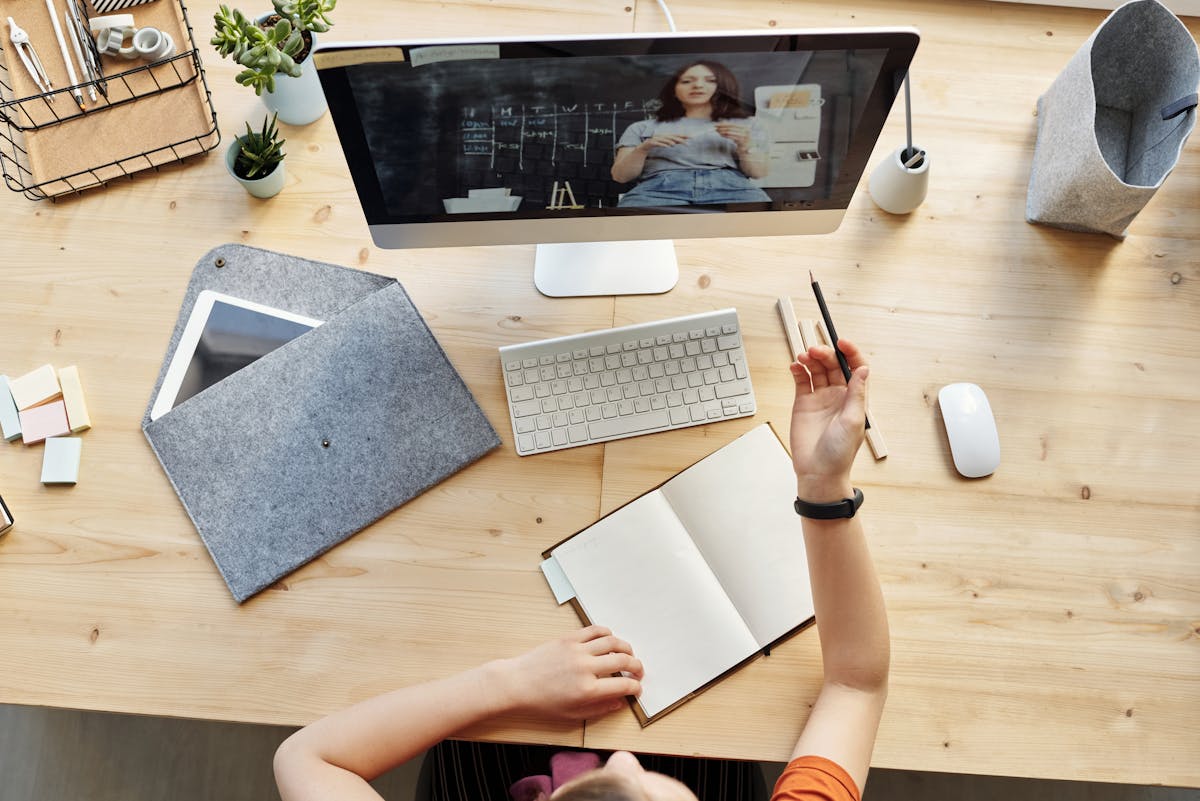
- Quick desk tours highlighting lighting, keyboards, planners, and ergonomic setups.
These micro-videos function both as inspirational content and practical tools. A viewer might save a 45-second clip that includes a built-in 25-minute timer, replay it multiple times during a study block, or click through to a creator’s longer livestream.

Why “Study With Me” Content Is Surging Now
The popularity of deep-work and study content is not random; it reflects structural shifts in how people work and learn, as well as how social platforms reward specific behaviors.
1. Hybrid and Remote Work/School
Many students and professionals now operate outside traditional classrooms and offices. The lack of physical peers reduces passive accountability—no one sees whether you are actually working. Virtual co-working videos replicate the psychological effect of being surrounded by others who are focused.
- Students use “study with me” to simulate a library or campus environment.
- Remote workers treat them as digital co-working sessions, especially for deep-focus tasks.
- Freelancers and solo founders reduce isolation by pairing work sessions with virtual companionship.
2. Algorithm-Friendly Aesthetics
Short-form platforms reward content that is:
- Visually pleasing (clean desks, warm lighting, minimal clutter).
- Easily loopable (timers, repetitive motions like writing or typing).
- Soundtracked with low-distraction audio (lo-fi, ambient, soft piano).
These characteristics are inherent to productivity content: quiet motion, neat composition, and gentle soundscapes. Creators can capture high watch times because viewers often let videos loop while they work, signaling strong engagement to platform algorithms.
3. Mental Health, ADHD, and the Need for Structure
Many viewers report using “study with me” content to cope with procrastination, ADHD-related focus issues, and burnout. The videos lower the activation energy required to start a task.
“Body doubling—working in the presence of another person—can increase focus, reduce avoidance, and support task initiation for people with ADHD.”
Virtual body doubling achieves a similar effect. Press play, see someone else already working, and your brain interprets it as a social norm: it’s time to focus.
Common Formats: From Pomodoro Timers to Themed Deep-Work Sessions
The genre has diversified into multiple formats, each targeting slightly different needs and preferences.
Pomodoro-Style Focus Timers
Pomodoro sessions typically follow:
- 25–50 minutes of focused work.
- 5–10 minutes of break.
- Repeat for 3–4 cycles, then take a longer break.
Creators overlay a countdown timer, to-do list, or motivational affirmations. These videos are short enough to be shared easily but long enough to guide a full work interval.
Silent or Low-Talk Study Rooms
Long-form livestreams (often 2–10 hours) provide a quiet, consistent background. Viewers drop in and out throughout the day, using the stream as a digital “study room.” Chat functions as a micro-community where participants share:
- What they are working on.
- Session start/stop times.
- Progress updates and encouragement.
Desk Transformation and Setup Tours
Setup content blends productivity with lifestyle. Creators showcase:
- Ergonomic chairs, monitor arms, and lighting.
- Mechanical keyboards, tablets, and styluses.
- Planners, stationery, and cable management.
These videos are highly monetizable through affiliate links, sponsorships, and brand deals, especially around back-to-school seasons and remote work surges.
Themed Sessions and “Study Scenarios”
To make sessions more relatable and searchable, creators package them as specific scenarios, such as:
- Night Before Exam: Study With Me
- Sunday Reset & Planning
- Deep Work for Coders/Writers
- Morning Thesis Writing Session
These themes tap into emotionally charged moments, giving viewers the sense that someone else is navigating the same pressure.

Why Audiences Engage: Accountability, Ambience, and Community
Underneath the desk aesthetics, “study with me” content works because it addresses core human and cognitive needs.
Body Doubling and Accountability
Body doubling is the practice of working in the presence of another person to improve focus. In digital form:
- The creator becomes a silent partner in your task.
- You feel less alone in your effort.
- Turning off the video feels like “leaving early,” which subtly encourages persistence.
Ambient Background for Focus
Many viewers play these videos in a small window or on a second screen, using them as:
- Visual white noise instead of more distracting content.
- A continuous reminder of their intention to focus.
- A soft alternative to music-only playlists.
Because there is little dialogue, they are less disruptive than vlogs or podcasts, making them ideal for deep work.
Community Support and Shared Goals
Comment sections and livestream chats often transform into supportive micro-communities. Typical interactions include:
- “Starting my third Pomodoro, wish me luck!”
- “Exam in 2 days, I’m so stressed but this is helping.”
- “Checking in from a night shift—working on my thesis.”
This feedback loop boosts both creator retention and viewer loyalty. People return not just for the video, but for the sense of shared struggle and progress.
Platform Dynamics: YouTube, TikTok, and Reels
Each platform encourages slightly different strategies, and top creators are increasingly building hybrid content stacks that reuse and repurpose footage efficiently.
YouTube: Long-Form Livestreams + Shorts
On YouTube, creators typically:
- Host 2–3 hour focus streams or full-day co-working sessions.
- Cut those streams into 30–60 second Shorts showing a single Pomodoro cycle or a time-lapse montage.
- Use Shorts as discovery tools that drive traffic back to the longer streams.
TikTok and Instagram Reels: Short, Aesthetic Snippets
On TikTok and Reels, success hinges on:
- Hooking viewers in the first 1–2 seconds with a clean or dramatic visual.
- Leveraging trending sounds while keeping audio low-distraction.
- Using hashtags that spike seasonally (e.g.,
#examseason,#studywithme,#deepwork).
Creators may post multiple daily clips, each tied to a specific micro-moment: morning planning, night session, or mid-day reset.

Data-Driven View: Formats, Session Lengths, and Engagement
While exact metrics vary by region and platform, several behavioral patterns are emerging across study and productivity content.
| Format | Typical Length | Primary Platform | Usage Pattern |
|---|---|---|---|
| Pomodoro Clips | 15–60 seconds | TikTok, Reels, Shorts | Saved and replayed multiple times during focus blocks. |
| Time-Lapse Sessions | 30–180 seconds | YouTube, TikTok | Used as inspiration; often link out to full streams. |
| Livestream Study Rooms | 2–10 hours | YouTube | Background co-working for multiple sessions per day. |
| Desk Tours & Setups | 30–120 seconds | TikTok, Reels, YouTube | Discovery and monetization via affiliate links and sponsorships. |
Patterns also reveal seasonal spikes. Search interest and hashtag usage for “study with me” typically rise during:
- Exam seasons (midterms and finals).
- Start of academic terms.
- January “new year, new goals” productivity cycles.
Monetization: How Brands and Creators Are Capitalizing
“Study with me” content sits at the intersection of lifestyle, education, and productivity tools—making it fertile ground for sustainable monetization.
Sponsored Productivity Tools
Brands promote:
- Note-taking apps and knowledge-management tools.
- Task managers, habit trackers, and calendar apps.
- Browser blockers and focus-enhancing extensions.
Integrations are often subtle: a creator shows their screen during a session, walking through how they structure tasks or track a study plan.
Physical Products: Desks, Gear, and Stationery
Desk aesthetics are not just for views; they drive commerce. Common product categories:
- Ergonomic chairs and standing desks.
- Monitors, laptop stands, and peripherals.
- Notebooks, planners, pens, and desk organizers.
Memberships and Recurring Co-Working Communities
Some creators build:
- Paid membership groups with scheduled co-working sessions.
- Accountability cohorts where members set weekly goals.
- Private Discord or community spaces with study channels and focus rooms.
These models deepen engagement and create predictable recurring revenue.
Actionable Strategies for Viewers and Creators
Whether you are looking to use this content to boost your own productivity or build a presence as a creator, the same principles of structure, consistency, and intentional design apply.
For Viewers: Turning Videos into Real Productivity Gains
- Choose a format that fits your work. Use short Pomodoro clips for sprints and long streams for extended deep work.
- Pre-plan your tasks. Decide what you will tackle before you hit play to avoid “productive procrastination.”
- Limit switching. Avoid constantly jumping between creators or platforms mid-session.
- Use timers deliberately. Complete a full interval before checking messages or notifications.
- Reflect post-session. Track what you accomplished to build feedback and motivation loops.
For Creators: Building Effective Study & Deep-Work Channels
- Define your niche. Examples: exam prep, coding sprints, thesis writing, language learning.
- Design a consistent visual style. Keep lighting, framing, and desk layout stable so your content is instantly recognizable.
- Batch record. Film longer sessions once, then cut into multiple shorts plus a highlight reel.
- Integrate subtle on-screen structure. Use timers, checklists, or labels like “Session 2 of 4.”
- Build community anchors. Schedule recurring livestreams (e.g., daily 8–10 AM co-working) and encourage viewers to check in with goals.

Risks and Limitations: When Productivity Content Backfires
While these videos can be powerful tools, they also carry potential downsides if used uncritically.
- Productivity as performance: Viewers may feel pressured to make their own setups “aesthetic” rather than focusing on actual output.
- Content consumption vs. creation: Watching productivity content can become a form of procrastination if it replaces doing the work.
- Comparison and burnout: Constant exposure to others’ seemingly endless study sessions can fuel unrealistic expectations.
- Over-reliance on external cues: If you can only focus with a specific stream or creator, your independence and flexibility may suffer.
The healthiest use case frames these videos as scaffolding—supporting structures you can gradually internalize rather than permanent crutches.
Future Outlook: From Passive Viewing to Interactive Focus Tools
The “study with me” and deep-work genre is likely to evolve beyond static videos into more interactive, tool-like experiences.
- Interactive timers and overlays: Built-in progress tracking, on-screen checklists, and adaptive session lengths tuned to user behavior.
- Co-working rooms and micro-communities: Smaller groups where participants can see each other’s presence indicators, goals, and progress.
- Integration with existing productivity stacks: Direct connections to calendars, to-do apps, and note systems to auto-generate session summaries.
- Accessibility-focused design: Captioned content, sensory-friendly soundscapes, and customizable visuals for neurodiverse users.
As attention becomes a scarcer resource and remote work remains mainstream, formats that provide structure, social accountability, and low-friction entry into deep work are well-positioned to endure.
Conclusion: Structure, Community, and Gentle Accountability
Short-form “study with me” and deep-work productivity content captures a fundamental shift in how we manage our time and attention in a hyper-digital world. These videos blend visual aesthetics, behavioral psychology, and platform dynamics to help people confront tasks they might otherwise avoid.
Used intentionally, they can:
- Recreate the feel of a shared workspace from home.
- Offer emotional support during demanding academic or professional periods.
- Turn social platforms into tools for focus rather than distraction.
Whether you are a viewer seeking more structure or a creator building a productivity-focused channel, the core opportunity lies in designing environments—digital or physical—that make focused work the default, not the exception.
