
How Streaming and Podcasts Are Rewiring Your Car and Home Audio Life
The modern audio landscape no longer revolves around earbuds and smartphones alone. Cars, smart speakers, soundbars, and even TVs have become powerful listening hubs, turning commutes and living rooms into contested spaces for Spotify, Apple Music, YouTube Music, Amazon Music, and podcast-first platforms. Increasingly, whoever owns your dashboard and your smart home interface owns your attention.
This battle is reshaping business models, creator income, and the way algorithms mediate what we hear. From Android Auto and Apple CarPlay to Alexa- and Google Assistant-enabled speakers, upgrades in connectivity, AI, and audio processing are converging with new subscription tiers and exclusive content deals. The result is a high-stakes race to become the default choice every time a listener says, “Play something I’ll like.”
Mission Overview: Owning the Commute and the Couch
At its core, the “battle for in-car and home audio” is about controlling habitual listening windows: the morning drive, school runs, workouts, cooking time, and late-night wind-down. These are predictable, high-value attention slots that advertisers, subscription platforms, and creators all covet.
For platforms and hardware makers, the mission includes:
- Becoming the default: Pre-installation in cars, smart speakers, and TVs means the user rarely bothers to switch.
- Locking in ecosystems: Seamless handoff from phone to car to living room reduces churn and makes it harder to leave.
- Monetizing every context: Ad-supported streams for casual listeners, premium tiers for enthusiasts, and upsells like audiobooks or higher-fidelity audio.
“In-car and home audio are where attention is most programmable. Once you own the routine, you own the revenue.”
— Adapted from media economist discussions in Nieman Lab analyses
Technology: In‑Car Integrations and the Software-Defined Dashboard
Modern cars are rolling computers, and their infotainment systems have become prime real estate. Android Auto, Apple CarPlay, and increasingly full-blown Android Automotive OS or bespoke systems from Tesla, BMW, Mercedes-Benz, and others are integrating directly with streaming apps.
From AUX Cable to Native Apps
Only a decade ago, most in-car listening was radio or Bluetooth streaming. Today, many vehicles ship with:
- Native app integrations: Built-in Spotify or Apple Music apps that work without pairing a phone.
- Cloud-connected profiles: User accounts sync favorites, playlists, and podcast queues from phone to car.
- Over-the-air (OTA) updates: Cars regularly gain new audio features, codecs, and sometimes new apps via software updates.
Automakers are also experimenting with subscription bundles, such as free trial periods of premium streaming tiers or add-on packs that include data connectivity plus music and podcast services.
Voice and Safety-Critical UX
Because in-car interfaces are safety-critical, hands-free control is essential. Voice assistants are optimized for:
- Natural language commands like “Play my commute playlist on Spotify.”
- Quick-switch commands such as “Skip,” “Replay,” or “What song is this?”
- Contextual queries like “Play the news briefing” or “Start my latest podcast episode.”
“The most important car feature isn’t horsepower; it’s how few taps it takes to play what you want without taking your eyes off the road.”
— Paraphrasing UX reviews from The Verge’s in-car tech coverage
Technology: Smart Home Ecosystems and Ambient Listening
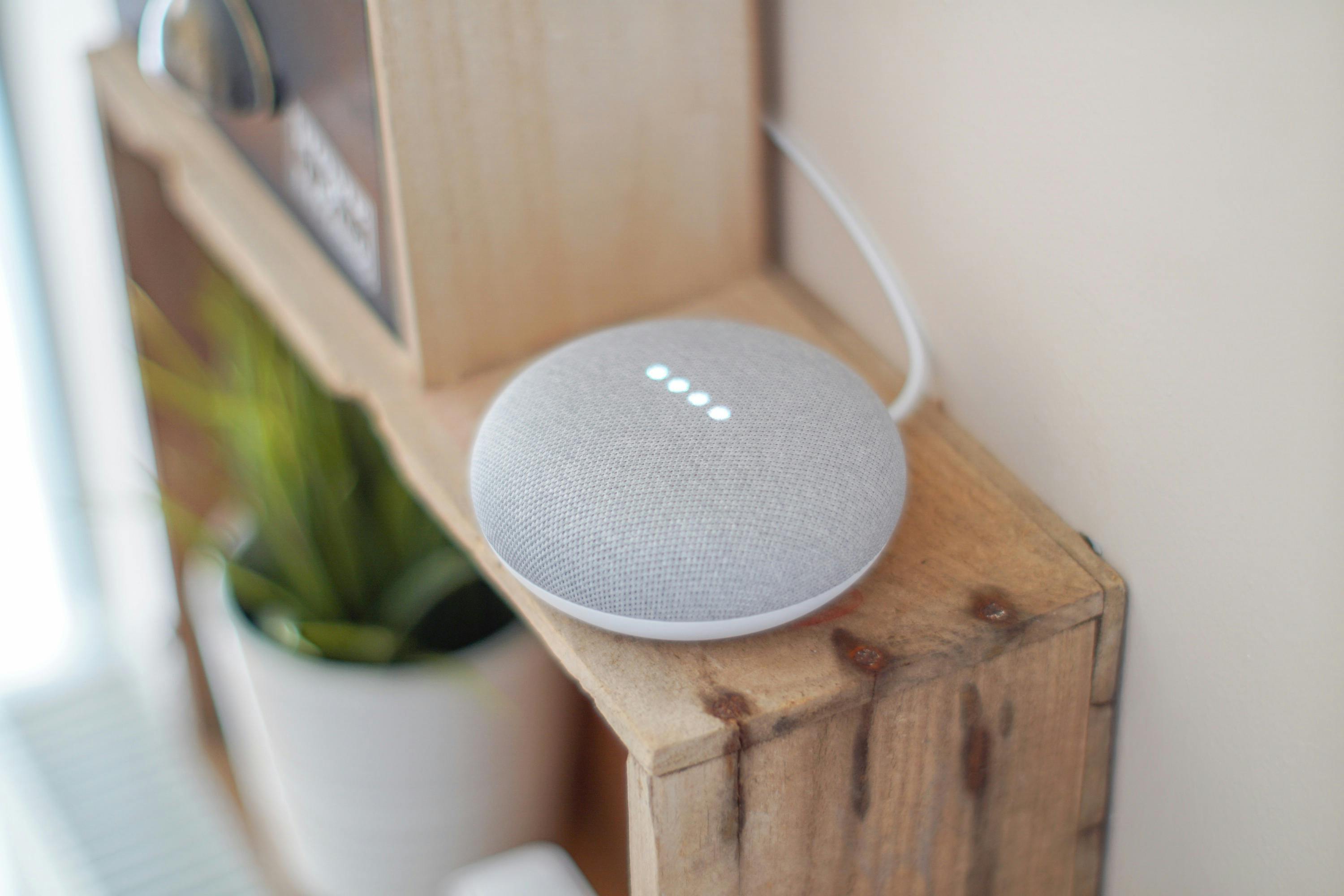
In homes, smart speakers and connected sound systems are the new radios. Amazon Echo, Google Nest, Apple HomePod, and premium systems from Sonos or Bose have become the main way many households listen throughout the day.
Platform Lock‑In and Default Services
Voice assistants typically prefer their own music services by default:
- Alexa nudges Amazon Music.
- Google Assistant favors YouTube Music.
- Siri is tightly bound to Apple Music and Apple Podcasts.
While users can often choose third-party defaults, the friction to switch—extra setup steps, incomplete feature parity, or occasional command misfires—reinforces lock-in.
Multi‑Room Audio and Context-Aware Playback
Smart home audio has also advanced through:
- Multi-room sync: Playing the same audio across kitchen, living room, and bedroom with one command.
- Context-aware routines: Automations that start a news podcast when you say “Good morning,” or relaxing playlists when you say “Goodnight.”
- Spatial audio: Systems like Apple’s spatial audio or Dolby Atmos in home theaters for immersive music and podcast experiences.
Podcast Consolidation, Exclusives, and Creator Economics
Podcasting has shifted from open RSS distribution toward a hybrid model where some shows remain open while others are locked to specific platforms (e.g., Spotify, Amazon Music/Wondery, or YouTube). Exclusive deals with celebrity hosts and top networks aim to pull listeners into walled gardens.
Open vs. Closed Podcast Ecosystems
The trade-offs are stark:
- Open RSS: Broad distribution, listener choice of app, but more fragmented monetization.
- Platform exclusives: Tighter audience data, integrated ads, and subscription upsells, but limited reach outside the platform.
“Every time a major show goes exclusive, we move one step away from the open podcast ecosystem that made the medium so vibrant.”
— Summarizing arguments from open-podcast advocates in independent podcast community discussions
Creator Revenue Streams
For podcasters and musicians, the money comes from multiple sources:
- Per-stream payouts: Streaming platforms pay fractions of a cent per play, often criticized as unsustainable for smaller creators.
- Advertising: Host-read ads, dynamically inserted programmatic ads, and branded episodes or series.
- Direct fan support: Memberships via platforms like Patreon, Apple Podcasts Subscriptions, or Spotify’s paid subscriptions.
- Licensing and IP deals: Adaptations into film/TV, books, or live tours.
TechCrunch and industry newsletters highlight emerging tools for independent creators—analytics platforms, dynamic ad insertion, AI-driven editing, and cross-platform publishing—that aim to rebalance power away from the largest platforms.
AI‑Driven Personalization: Algorithms, DJ Bots, and Discovery
AI is now central to how platforms decide which track or episode plays next. Recommendation systems ingest listening history, skips, likes, completion rates, and even contextual data (time of day, device type, location) to build real-time user profiles.
Key AI Features in Modern Audio Platforms
- AI DJs and hosts: Synthetic voices that introduce songs, share trivia, and simulate a personalized radio host experience.
- Auto-generated playlists: Algorithmic mixes that update continuously, such as daily mixes, mood-based lists, and “on repeat” collections.
- AI-assisted podcast discovery: Automatic topic tagging, chaptering, highlight clipping, and recommendation based on subject matter rather than just show popularity.
- Multilingual reach: AI-generated translations and voice cloning that allow popular shows to reach new language markets.

Filter Bubbles and Algorithmic Bias
While personalization improves convenience, it can narrow discovery:
- Listeners may be repeatedly exposed to similar genres, viewpoints, or moods.
- New or niche creators often struggle to break through algorithms tuned to optimize engagement and retention.
- There are concerns about bias in promotion—e.g., certain languages, demographics, or regions being underrepresented in recommendations.
“The same algorithm that finds you the perfect track can quietly decide which artists never get a real shot at your ears.”
— Echoing debates in academic work on recommender systems, such as research cited by arXiv
Subscription Fatigue, Bundling, and Business Models
Audio streaming is colliding with a broader wave of subscription fatigue. Repeated price increases and an ever-growing list of tiers—ad-supported, individual premium, family, student, hi-fi, audiobook bundles—are testing consumer patience.
Tier Complexity
Common elements across services include:
- Ad-supported free tiers: Limited skips, lower audio quality, and intermittent ads.
- Standard premium: Ad-free listening, offline downloads, normal-quality streaming.
- Hi-fi or lossless tiers: Higher bitrate or lossless audio for audiophiles with capable equipment.
- Bundles: Pairing music with audiobooks, video streaming, cloud storage, or gaming services.
Bundling as the Next Phase
Wired and The Verge have noted that bundling may shape the next decade of streaming:
- Telecom operators including music or podcast services in mobile data plans.
- Big tech bundles like Apple One combining Music, TV+, Arcade, and cloud storage.
- Automaker packages that subsidize or include premium audio tiers as part of “connected car” services.
For many households, the decision is no longer “Which music service?” but “Which bundle gives me the best overall value without yet another subscription?”
Tools, Hardware, and the Creator Stack
As more creators enter the field, demand for affordable, high-quality recording gear and production tools has surged. Independent podcasters and musicians increasingly build semi-professional studios at home.
Popular Creator Hardware
For aspiring podcasters and audio creators in the U.S., some widely recommended gear includes:
- USB microphones: Options like the Blue Yeti USB Microphone provide good sound quality without needing an audio interface.
- Closed-back monitoring headphones: Headphones like Audio‑Technica ATH‑M50x help creators hear details and background noise during editing.
- Portable recorders: Devices such as the Zoom H5 Portable Recorder are popular for field interviews and on-the-go podcasting.

Software and AI in Production
On the software side, creators increasingly rely on:
- Non-linear editors (NLEs): Tools like Audacity, Adobe Audition, Reaper, and Logic Pro.
- AI editing assistants: Automatic noise reduction, leveling, filler-word removal, and transcription.
- Cross-posting automation: Systems that push episodes to RSS feeds, YouTube, TikTok clips, and social posts simultaneously.
This “creator stack” shortens the gap between a good idea and a finished, multi-platform audio product, making competition for listener attention even fiercer.
Regulation, Competition, and Platform Power
The battle over in-car and home audio is not only a technical or creative issue; it is also shaped by antitrust policy and app store regulations. Authorities in the EU, US, and elsewhere are scrutinizing how dominant platforms treat competitors.
App Store Policies and Billing
A central issue is how platforms like Apple and Google allow streaming apps to:
- Offer in-app subscriptions without prohibitive fees.
- Communicate alternative payment options to users.
- Integrate full-featured experiences (e.g., “Now Playing” controls, lockscreen widgets) on mobile and in-car systems.
Decisions in high-profile legal disputes and regulatory actions—often covered closely by Ars Technica and The Verge—will influence how easily smaller or new audio apps can reach users in cars and homes.
Automaker–Platform Alliances
Another tension lies between automakers and tech platforms. Some car companies fear becoming “dumb terminals” for Apple, Google, or Amazon services, while tech firms want deeper integration to make their audio and assistant experiences seamless. This leads to:
- Some vehicles heavily prioritizing their own app stores or voice systems.
- Others leaning fully into CarPlay/Android Auto as the main interface.
- New revenue-sharing arrangements tied to subscriptions or data.
Scientific Significance: Attention, Behavior, and Human–Machine Interaction
Beyond business implications, the shift to ambient, always-available audio surfaces profound scientific questions about attention, cognition, and human–machine interaction.
Attention and Habit Formation
Behavioral science and cognitive psychology research suggests that:
- Listening habits tied to specific contexts (e.g., driving, cooking) are highly resilient once established.
- Audio can shape mood and cognitive load, affecting how alert or relaxed we feel during tasks.
- Algorithmic reinforcement can subtly influence the emotional tone of our day—more high-energy music in the morning, calmer sounds at night, or certain news diets by default.
Voice Interfaces and Trust
As we talk to cars and speakers, questions arise about trust, anthropomorphism, and accountability:
- People often attribute agency and personality to voice assistants, which can influence perceptions of recommendations and ads.
- Misrecognitions or biased suggestions can erode trust, especially if they seem to favor a platform’s own services.
- Designers must balance convenience with clear disclosure when sponsored content or paid placement is involved.
Milestones: How We Got Here
Several key milestones paved the way for today’s in-car and home audio battleground:
- Smartphone streaming era: The shift from downloads to on-demand streaming on phones normalized subscription-based listening.
- First-wave smart speakers: Amazon Echo and Google Home introduced continuous, voice-first listening in kitchens and living rooms.
- CarPlay and Android Auto adoption: Seamless mirroring from phone to dashboard put apps at the center of in-car audio.
- Exclusive podcast megadeals: Multi-year contracts for top podcasts signaled audio’s strategic importance to platforms.
- AI-native features: Launch of AI DJs, auto-mixes, and interactive podcast features that could only exist in a streaming-first world.

Challenges: Fragmentation, Trust, and Sustainability
Despite rapid growth, the ecosystem faces significant challenges that could shape its trajectory over the next decade.
1. Fragmented User Experience
Listeners contend with:
- Different apps across car, home, phone, and TV that do not always synchronize perfectly.
- Regional licensing differences that make some content unavailable in certain markets or devices.
- Inconsistent voice commands between platforms (“Play my library” vs. “Play my liked songs”).
2. Data Privacy and Transparency
Always-on microphones and data-hungry recommendation systems raise:
- Concerns about passive audio capture and voice recordings stored in the cloud.
- Questions about how listening data is used for ad targeting or shared with third parties.
- Need for clear, accessible privacy controls and logs that align with regulations like GDPR and other emerging frameworks.
3. Creator Compensation
Musicians and podcasters continue to question whether current payout models are sustainable, especially given:
- Highly skewed revenue, where a small percentage of top creators capture most income.
- Difficulty for mid-tier or niche creators to convert fan enthusiasm into steady revenue.
- Pressure to post constantly across multiple platforms, risking burnout.
Practical Tips: Optimizing Your In‑Car and Home Audio Setup
For listeners, the goal is to benefit from this technological boom without feeling overwhelmed or locked in. A few practical strategies can help.
Curate, Don’t Just Consume
- Create a small set of go-to playlists and podcast lists for specific contexts (commute, deep work, cooking, workouts).
- Use “like,” “dislike,” and “follow” features intentionally to teach algorithms your real preferences.
- Periodically explore editorial playlists or independent recommendation sites to break out of algorithmic loops.
Rationalize Subscriptions
- List all audio-related subscriptions (music, podcasts, audiobooks).
- Identify overlaps and underused services.
- Consider whether a bundle (e.g., telecom or big-tech bundles) can replace multiple separate plans.
Choose Hardware with Longevity
When buying new audio hardware—cars, speakers, soundbars—look for:
- Support for multiple services and protocols (AirPlay, Chromecast, Bluetooth, Spotify Connect).
- A history of regular software updates from the manufacturer.
- Good accessibility features, such as screen reader support and clear physical controls.
Conclusion: The Future of Ambient Audio
The battle for in-car and home audio is ultimately a contest over ambient attention—the time we are not actively looking at screens but are still deeply engaged with sound. As cars become more autonomous and homes more connected, that attention will only grow more valuable.
The next phase is likely to feature:
- Greater integration between video, music, and podcasts (e.g., video podcasts in cars with passenger-only screens).
- Richer interactive formats, from choose-your-own-adventure audio stories to Q&A-enabled podcasts.
- Regulatory and standards-based efforts to keep the ecosystem competitive, privacy-conscious, and accessible.
For scientists, technologists, creators, and everyday listeners, this is a pivotal moment. The choices we make now—about platforms, privacy, and payment—will shape not just what we hear, but how we think, relax, and connect in the background of our daily lives.
Further Learning and Extra Value
To dive deeper into the evolving audio ecosystem, consider:
- Following journalists and analysts on platforms like LinkedIn who specialize in media and audio tech.
- Watching teardown and review videos of car infotainment systems and smart speakers on YouTube.
- Reading media-business newsletters that track subscription pricing, bundling, and creator economy developments.
Staying informed will help you navigate this fast-moving space, negotiate better value as a subscriber, and support the creators and technologies that align with your values.
References / Sources
Selected reputable sources for further reading:
- The Verge – Tech and streaming coverage
- Wired – Streaming and platform economy articles
- Engadget – Smart speaker and home audio reviews
- TechCrunch – Podcasting startups and creator tools
- Ars Technica – Gadgets, app store policy, and antitrust reporting
- Spotify Research – Papers on recommendation systems and audio AI
- Sonos – Multi-room audio ecosystem information
