
How Ozempic & Wegovy Are Changing Diet Culture, Celebrity Bodies, and What We Eat
Ozempic, Wegovy & GLP‑1 Diet Culture: How Weight‑Loss Drugs Are Changing the Way We Eat
Prescription GLP‑1 weight‑loss drugs like Ozempic, Wegovy, Mounjaro, and Zepbound are reshaping diet culture, celebrity body trends, and even what people search for in nutrition content. Over the past two years, these medications have leapt from specialized diabetes tools into the heart of mainstream “diet” conversations—changing how we think about hunger, fullness, and what a sustainable way of eating looks like.
If you’re on a GLP‑1, considering one, or just curious about the “Ozempic diet” buzz, you’re not alone. Search engines are full of phrases like “what to eat on Wegovy” and “GLP‑1 friendly meals.” Rather than another crash diet, this moment can be an invitation to rebuild your plate with satisfaction, nourishment, and kindness to your body at the center.
What Are GLP‑1 Drugs Like Ozempic and Wegovy—and How Do They Work?
GLP‑1 agonists were originally developed for type 2 diabetes. Brands like Ozempic and Mounjaro are approved for blood sugar management, while Wegovy and Zepbound are approved specifically for chronic weight management in people meeting certain medical criteria. All of them tap into the same biological system: the GLP‑1 hormone.
GLP‑1 is a hormone your body naturally releases after you eat. It:
- Helps regulate blood sugar by encouraging insulin release
- Slows down gastric emptying (food leaves your stomach more slowly)
- Sends stronger fullness and appetite‑control signals to your brain
GLP‑1 medications mimic or enhance these signals. Many people report:
- Much smaller appetites
- Reduced cravings, especially for ultra‑processed or sugary foods
- Feeling full quickly and for longer periods
This often leads to significant weight loss even without a formal “diet.” But there’s a catch: when appetite drops sharply, it’s easy to under‑eat protein, miss key nutrients, and lose muscle along with fat.
From Keto to “Ozempic Diets”: A New Phase of Diet Culture
For years, diet trends have cycled through low‑fat, low‑carb, paleo, keto, and intermittent fasting. GLP‑1s are different: instead of a list of allowed and forbidden foods, they change how people experience hunger itself. In social feeds, you’ll now see “before and after” photos alongside injection pens and hashtags like #OzempicJourney.
Celebrity use has pushed these drugs into the same spotlight once reserved for juice cleanses and detox teas. Red‑carpet transformations, candid interviews, and speculation have turned GLP‑1s into a kind of “invisible diet”—an off‑screen explanation for sudden weight changes.
“Instead of asking, ‘What diet are you on?’ people now ask, ‘Are you on a GLP‑1?’ The culture has shifted from meal plans to medications.”
At the same time, search data shows a surge in food‑focused terms: “GLP‑1 friendly recipes,” “Ozempic meal plans,” “what can I eat on Wegovy.” Rather than wanting endless restriction, many people just want to know how to eat comfortably without worsening nausea, reflux, or constipation.
“GLP‑1 Friendly” Nutrition: Protein, Fiber, and Gentle Eating
Dietitians on TikTok, YouTube, and Instagram are carving out a new niche: GLP‑1 nutrition coaching. The vibe is less “bikini body challenges” and more “how do we protect your health while your appetite has changed this much?” Key themes keep popping up:
- Prioritize protein: Often 1.6–2.2 g per kg of body weight per day to help protect muscle mass.
- Lift, don’t just shrink: Resistance training to preserve strength as the scale drops.
- Fiber & hydration: To ease constipation and keep digestion comfortable.
- Go easy on high‑fat, greasy meals: These can intensify nausea or reflux in many GLP‑1 users.
Instead of towering salads and giant smoothie bowls, “Ozempic diets” often feature small but mighty plates: a few pieces of grilled chicken or tofu, a spoonful of creamy beans, some tender quinoa, and roasted vegetables dressed simply with olive oil, lemon, and herbs. Think low volume, high quality, deeply satisfying bites.
The Backlash: Weight Stigma, Access, and “Shortcuts”
With the hype has come a powerful backlash. Critics argue that GLP‑1 diet culture:
- Deepens weight stigma by implying that certain bodies are more “acceptable” when medicated slimmer
- Raises access and equity concerns—these drugs are expensive, and shortages impact people who need them for diabetes
- Frames weight as an individual, pharmaceutical problem instead of addressing food environments, stress, sleep, and poverty
At the same time, some wellness creators have responded by promoting “GLP‑1‑mimicking diets”: high‑fiber, high‑protein, minimally processed foods that naturally support satiety and steadier blood sugar. These approaches don’t replicate the medications, but they borrow the appealing parts—less hunger drama, more steady energy—without a prescription.
Looking Ahead: How GLP‑1s Will Shape Food Content and Recipes
As of late 2024 and into 2025, GLP‑1s are firmly embedded in both nutrition and pop culture. They’re influencing:
- Recipe trends: More protein‑forward, lower‑volume, nutrient‑dense dishes.
- Cookbooks & blogs: “GLP‑1 friendly” and “Ozempic‑compatible” meal plans.
- Fitness messaging: A stronger emphasis on maintaining muscle and strength.
- Body image conversations: Ethical debates about long‑term use, identity, and autonomy.
For home cooks, this shift can actually be empowering. Instead of chasing extreme rules, the focus turns to pleasurable, gentle, supportive meals that work with your changing appetite. Think soft stews, silky soups, tender protein, and thoughtfully seasoned grains—food that feels as good in your body as it tastes on your tongue.
A GLP‑1 Friendly Recipe: Creamy Lemon Herb Chicken & Quinoa Bowl
To bring all of this to your kitchen, here’s a high‑protein, gentle, and customizable recipe designed with GLP‑1 eaters in mind. It’s comforting without being heavy, bright with lemon and herbs, and built around smaller portions that still feel deeply satisfying. You can easily adapt it for gluten‑free, dairy‑free, or vegetarian diets.
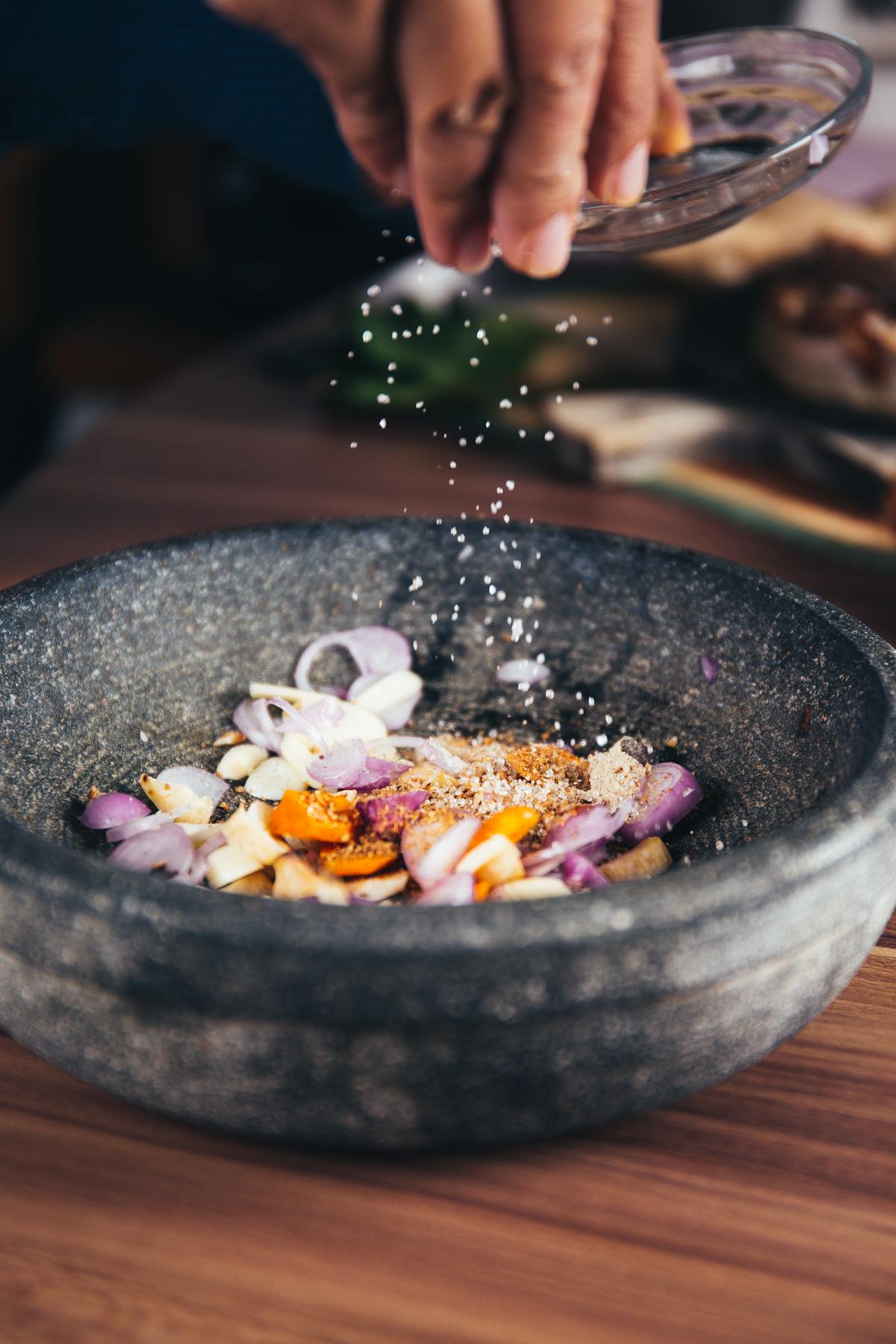
Quick Recipe Summary
Prep time: 20 minutes
Cook time: 25 minutes
Total time: 45 minutes
Servings: 4 smaller bowls
Difficulty: Easy–Moderate
Ingredients
For the quinoa base
- 1 cup (190 g) quinoa, rinsed
- 2 cups (480 ml) low‑sodium chicken or vegetable broth (or water)
- 1 tablespoon extra‑virgin olive oil
- 1 small bay leaf (optional)
- Pinch of salt, to taste
For the lemon herb chicken & vegetables
- 1 lb (450 g) boneless, skinless chicken breasts or thighs, cut into bite‑size pieces
- 1 tablespoon olive oil
- 1 small onion or 2 shallots, finely chopped
- 2 cloves garlic, minced (or 1 clove for very sensitive stomachs)
- 1 medium carrot, diced small
- 1 small zucchini, diced small
- 1 cup (150 g) frozen peas or green beans
- Zest of 1 lemon
- 2–3 tablespoons freshly squeezed lemon juice (to taste)
- 1 teaspoon dried thyme or Italian seasoning
- 2 tablespoons chopped fresh parsley or dill (optional but lovely)
- 1/2 cup (120 ml) low‑sodium chicken broth
- 1/3 cup (80 ml) plain Greek yogurt or lactose‑free yogurt (for creaminess)
- Salt and freshly ground black pepper, to taste
Optional toppings
- Extra lemon wedges
- Grated Parmesan or nutritional yeast
- A drizzle of olive oil for extra richness
Equipment Needed
- Medium saucepan with lid (for quinoa)
- Large nonstick or stainless skillet
- Cutting board and sharp knife
- Wooden spoon or spatula
- Measuring cups and spoons
- Zester or fine grater (for the lemon)
Step‑by‑Step Instructions
Cook the quinoa.
In a medium saucepan, combine rinsed quinoa, broth (or water), olive oil, bay leaf (if using), and a pinch of salt. Bring to a gentle boil over medium‑high heat.
Reduce heat to low, cover, and simmer for 15 minutes, or until the liquid is absorbed and the quinoa is tender. Remove from heat, fluff with a fork, discard the bay leaf, and keep covered.

Fluffy, tender quinoa makes a soft base that’s easy to digest and full of gentle texture. Prep the chicken and vegetables.
While the quinoa cooks, pat the chicken dry and cut it into small, bite‑sized pieces. Finely chop the onion, mince the garlic, and dice the carrot and zucchini into small, even cubes so they cook quickly and softly.
Sear the chicken gently.
Heat 1 tablespoon olive oil in a large skillet over medium heat. Add the chicken in a single layer, season lightly with salt and pepper, and cook, stirring occasionally, until just cooked through and lightly golden, about 6–8 minutes. Transfer to a plate and keep warm.

Small, tender pieces of chicken cook quickly and are easier to chew and digest. Soften the aromatics and vegetables.
In the same skillet, add the chopped onion and carrot. If the pan looks dry, drizzle in another teaspoon of olive oil. Sauté over medium heat until the vegetables are soft and fragrant, 5–7 minutes.
Stir in the garlic and zucchini and cook for 2–3 minutes more, until everything is tender.
Gently sautéed vegetables add sweetness and softness without overwhelming volume. Add peas, herbs, lemon, and broth.
Stir in the frozen peas or green beans, thyme or Italian seasoning, lemon zest, and 1/2 cup broth. Bring to a gentle simmer and cook for 2–3 minutes, until the peas are bright and the flavors meld.
Finish with yogurt and chicken.
Reduce the heat to low. Stir in the Greek yogurt until the sauce looks creamy and silky—avoid boiling, which can cause curdling. Add the cooked chicken back into the pan and gently fold everything together.
Taste and add lemon juice, salt, and pepper to your liking. For GLP‑1 eaters, a slightly brighter, citrusy sauce can make small portions feel extra satisfying.
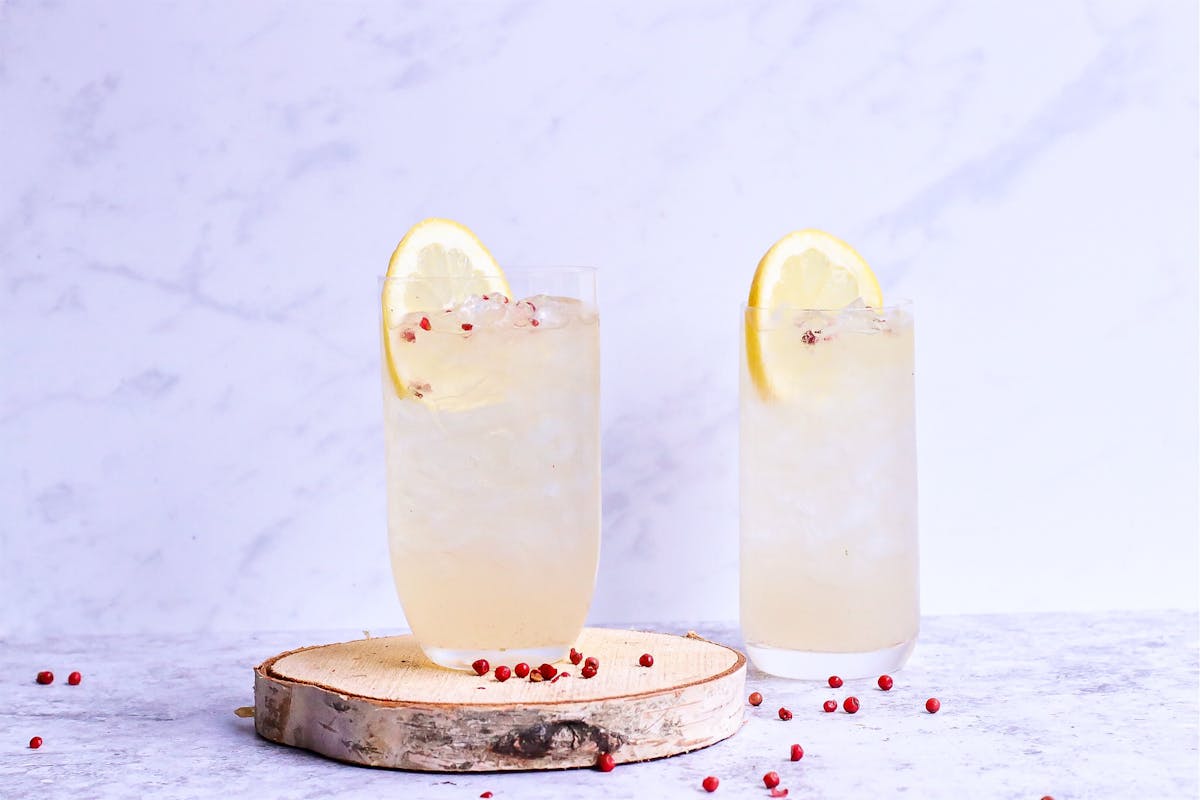
A light, lemony yogurt sauce adds creaminess without being too heavy on the stomach. Assemble your bowls.
Spoon a small amount of fluffy quinoa into each bowl—start with 1/2 cup for GLP‑1‑sized portions. Top with a modest scoop of the creamy lemon herb chicken and vegetables.
Finish with fresh parsley or dill, a sprinkle of Parmesan or nutritional yeast if you like, and an extra squeeze of lemon. Eat slowly, paying attention to your fullness cues—it’s okay if you don’t finish the bowl.
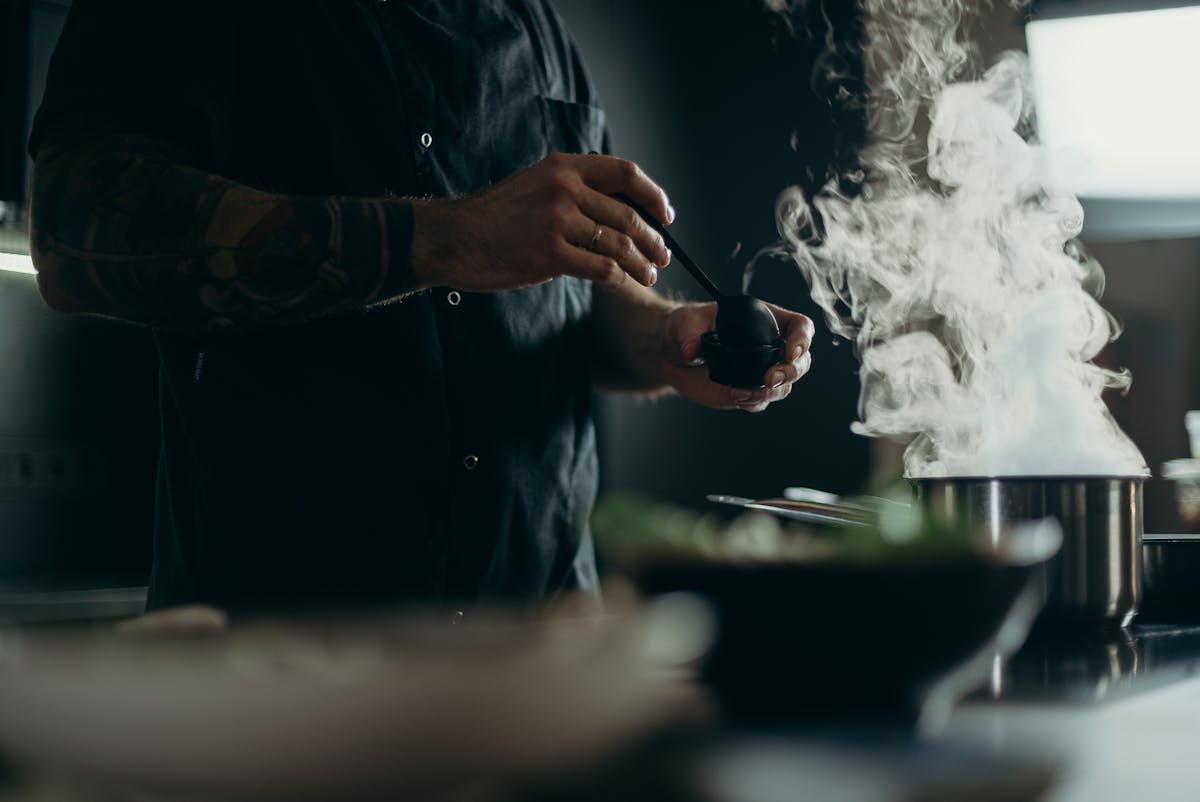
Serve in smaller bowls so portions feel abundant yet comfortable.
Substitutions & Dietary Adaptations
Storage & Reheating
- Fridge: Store quinoa and chicken mixture separately in airtight containers for up to 3–4 days.
- Freezer: The chicken mixture freezes well for up to 2 months; quinoa can be frozen too, but the texture softens slightly.
- Reheating (GLP‑1 friendly): Reheat gently on the stovetop over low heat with a splash of water or broth, or microwave in short 30‑second bursts, stirring in between. Overheating can toughen the chicken and make it less pleasant when your appetite is low.
- Portioning: Divide into small containers so you can reheat only what you feel like eating—no pressure to “finish a big portion.”
Serving Ideas & Pairings
To round out your GLP‑1‑friendly meal without overwhelming your stomach, try:
- A small cup of clear vegetable or chicken broth on the side for warmth and hydration
- A few slices of soft fruit (ripe pear, banana, or poached apple) for a gentle dessert
- A small serving of plain or lightly sweetened yogurt for extra protein and probiotics
Remember: on GLP‑1s, “balanced” doesn’t have to mean big. A smaller, thoughtfully seasoned bowl can deliver plenty of protein, fiber, and comfort without overtaxing your digestion.
Cooking with Compassion in a GLP‑1 World
GLP‑1 medications have undeniably changed the food conversation—but your worth has never depended on the size of your plate or your body. Whether you take Ozempic, Wegovy, Mounjaro, Zepbound, or none of the above, you deserve food that feels good: flavorful, nourishing, and respectful of your hunger and fullness cues.
Let trends come and go. In your kitchen, you get to write a quieter, kinder story—one small, satisfying bowl at a time.
