
How Ozempic Is Changing Diet Culture (and What to Eat on GLP‑1 Drugs)
Ozempic, GLP‑1 Drugs, and the New ‘Ozempic Diet’ Culture
Over the past couple of years, GLP‑1 medications like Ozempic, Wegovy, and Mounjaro have quietly stepped out of the pharmacy and straight into the center of diet culture. Once prescribed almost exclusively for type 2 diabetes, these powerful drugs now shape how millions of people think about hunger, weight loss, and even what a “normal” day of eating looks like.
On TikTok, Instagram, and YouTube, it’s easy to fall into a scroll of “What I eat in a day on Ozempic” videos, before‑and‑after photos, and intensely personal stories about changing bodies and changing appetites. Alongside the buzz, health professionals are urgently asking a quieter but crucial question: Are people on GLP‑1 drugs actually getting the nutrients their bodies need?
This guide looks at the rise of the “Ozempic diet” culture, what GLP‑1 drugs actually do in your body, the nutritional risks of eating very little, and how to build small, satisfying, protein‑rich meals that honor your new appetite while still protecting your health.
Quick Snapshot: GLP‑1 Drugs & Nutrition
What are GLP‑1 drugs?
Medications (e.g., Ozempic, Wegovy, Mounjaro) that mimic gut hormones to reduce appetite, slow digestion, and improve blood sugar.
Why are they trending?
Dramatic weight‑loss results, celebrity use, and billions of views on hashtags like #ozempic and #ozempicdiet.
Big nutrition risk
Strong appetite suppression can mean too few calories, not enough protein, and vitamin and mineral gaps.
Core nutrition priorities
- Protein‑forward meals
- High‑fiber carbs and veggies
- Hydration & electrolytes
- Nutrient‑dense small portions
How Ozempic and Wegovy Change Hunger and Digestion
GLP‑1 drugs belong to a class called GLP‑1 receptor agonists. They mimic hormones your gut naturally releases when you eat. In plain language, they:
- Slow gastric emptying — food leaves your stomach more slowly, so you feel full sooner and stay full longer.
- Dial down appetite signals in the brain — many people describe a “quieting” of food noise and cravings.
- Help regulate blood sugar — especially important for people with type 2 diabetes.
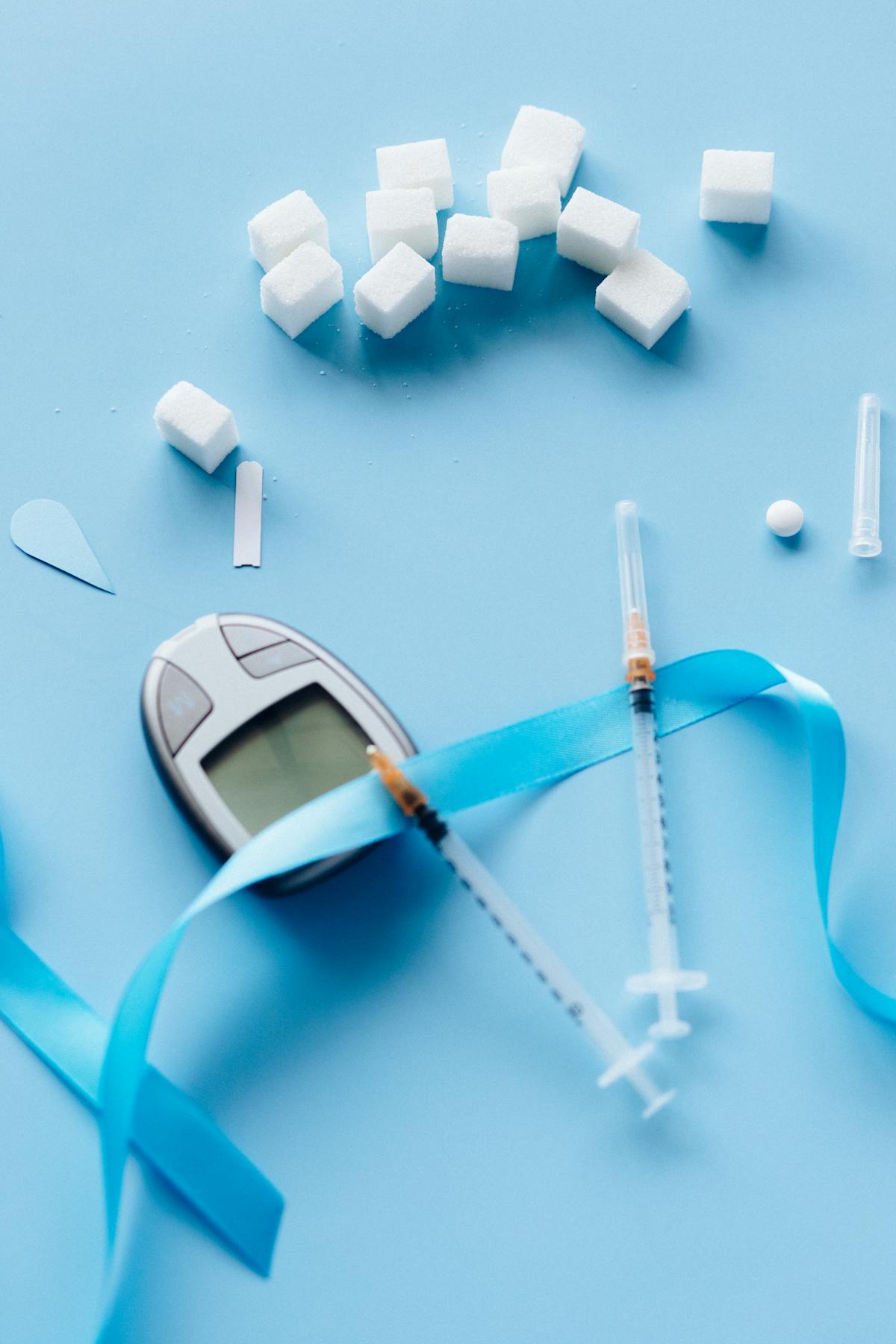
For many, this feels like a relief after years of battling intense hunger. But the same mechanisms that make weight loss easier can make eating enough surprisingly difficult. When two bites of food feel like a full plate, every bite has to count nutritionally.
Inside the ‘Ozempic Diet’ on Social Media
Open TikTok and type in #ozempic, #wegovy, or #ozempicdiet, and you’ll see a flood of content: people sharing their weekly weigh‑ins, clothing “downsizing” hauls, and highly edited “day of eating” clips. This constant stream has turned GLP‑1 medications into more than just a prescription — they’re a cultural phenomenon.
You’ll spot patterns: tiny portions, lots of skipped meals, and descriptions like “I just forget to eat now.” While the smaller appetite is a expected effect of these drugs, the risk is that minimal eating becomes a point of pride instead of a red flag for under‑nourishment.
Culturally, we’re watching a shift from named diets (keto, paleo, low‑carb) to what some call a “pharmaceutical diet”, where the main tool is a medication rather than a meal plan. That can be empowering for some people living with obesity or diabetes, but it also raises big questions about access, body image, and what “healthy” looks like when you’re eating so much less.
Core Nutrition Priorities While Taking GLP‑1 Medications
When appetite is low, the goal isn’t to force large meals, but to make each small meal strategically nourishing. Dietitians working with GLP‑1 users typically focus on four pillars:
- Protein for muscle and metabolism
Many adults on GLP‑1 medications do best aiming for about 1.2–1.6 g of protein per kilogram of body weight per day (as advised by their care team). This helps:- Preserve lean muscle mass during weight loss.
- Support immune function and healing.
- Keep you feeling pleasantly full, not stuffed.
- Fiber for gut health and regularity
GLP‑1 drugs often slow digestion so much that constipation becomes a daily battle. High‑fiber choices support a happier gut:- Non‑starchy vegetables: leafy greens, broccoli, peppers.
- Fruits: berries, kiwi, pears, oranges.
- Whole grains and legumes: oats, quinoa, lentils, beans.
- Hydration and electrolytes
Nausea, smaller portions, and occasional vomiting can lower fluid and electrolyte intake. Sipping consistently through the day matters more than chugging at once. - Nutrient density in every bite
When a few spoonfuls may be all you can tolerate, it’s worth “upgrading” your foods:- Choose Greek yogurt over low‑protein yogurt.
- Top dishes with nuts, seeds, herbs, and olive oil.
- Favor colorful produce rich in vitamins and antioxidants.
A Gentle, GLP‑1‑Friendly Meal: High‑Protein Lemon Herb Chicken Bowl
To bring these nutrition principles to life, here’s a light, protein‑packed recipe that works beautifully for smaller appetites. It’s bright with lemon, fragrant with herbs, and designed in small, easy‑to-digest portions that still feel cozy and satisfying.
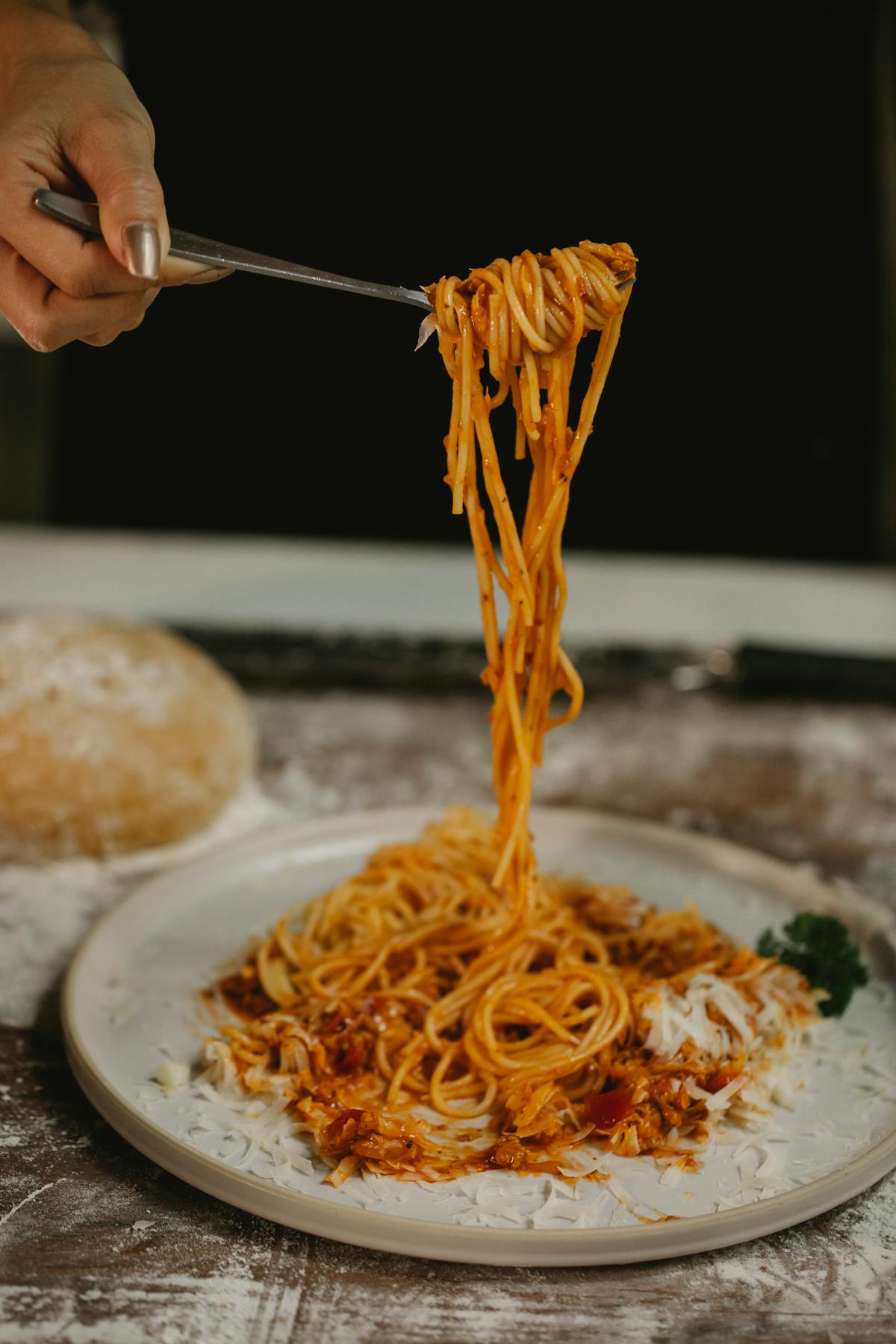
Prep time: 15 minutes
Cook time: 20 minutes
Total time: ~35 minutes
Servings: 2 small GLP‑1‑friendly bowls
Difficulty: Easy (great for beginner home cooks)
Equipment You’ll Need
- Sharp chef’s knife and cutting board
- Medium nonstick or stainless‑steel skillet
- Small saucepan with lid (for quinoa)
- Measuring cups and spoons
- Small bowl for marinating the chicken
Ingredients
For the lemon herb chicken
- 2 small boneless, skinless chicken breasts (about 250 g total)
- 1 tbsp extra‑virgin olive oil
- Zest and juice of 1 small lemon
- 1 small garlic clove, finely grated (optional if you’re sensitive)
- 1 tsp dried oregano
- 1 tsp dried thyme or Italian seasoning
- 1/2 tsp fine sea salt, plus more to taste
- 1/4 tsp freshly ground black pepper
For the bowl base and toppings
- 1/2 cup dry quinoa, well rinsed
- 1 cup low‑sodium chicken or vegetable broth (or water)
- 1 cup cherry tomatoes, halved
- 1 small cucumber, diced
- 1/4 cup crumbled feta cheese (optional)
- 2 tbsp chopped fresh parsley or dill
- 1 tbsp extra lemon juice (to finish)
- 1 tbsp extra‑virgin olive oil (to finish)
Step‑by‑Step Instructions
- Marinate the chicken (10–20 minutes)
In a small bowl, whisk together the olive oil, lemon zest and juice, grated garlic (if using), oregano, thyme, salt, and pepper. Place the chicken breasts in a shallow dish, coat in the marinade, and let sit for 10–20 minutes on the counter, or cover and refrigerate for up to 4 hours.
A quick lemon and herb marinade adds bright flavor without heaviness — ideal when your appetite is delicate. - Cook the quinoa
Rinse the quinoa thoroughly under cold water to remove bitterness. Add it to a small saucepan with the broth or water. Bring to a gentle simmer, reduce heat to low, cover, and cook for 12–15 minutes until the liquid is absorbed. Turn off the heat and let it sit, covered, for 5 minutes, then fluff with a fork.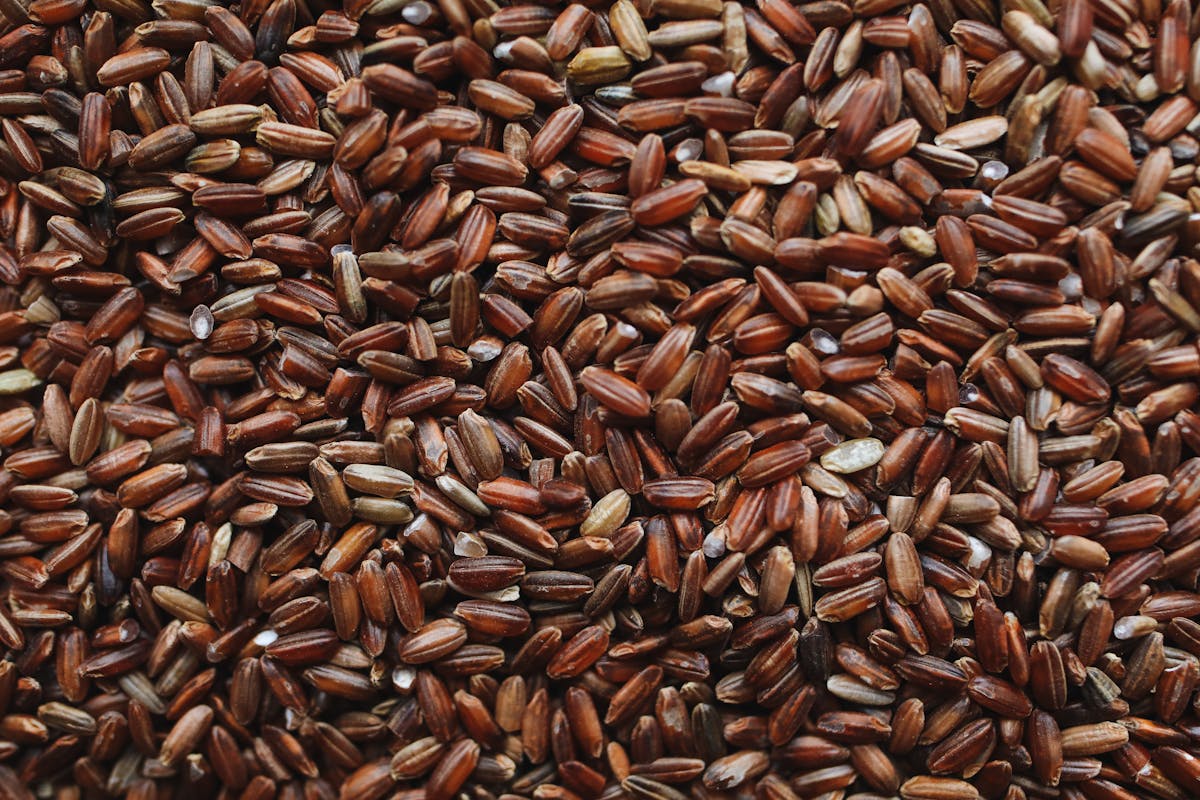
Quinoa brings gentle, fiber‑rich carbohydrates and extra protein in a small volume. - Cook the chicken
Warm a nonstick or lightly oiled skillet over medium heat. Remove the chicken from the marinade (let excess drip off) and place it in the pan. Cook for 5–7 minutes per side, until the thickest part reaches 165 °F (74 °C). If it browns too quickly, lower the heat. Let it rest for about 5 minutes, then slice it thinly across the grain.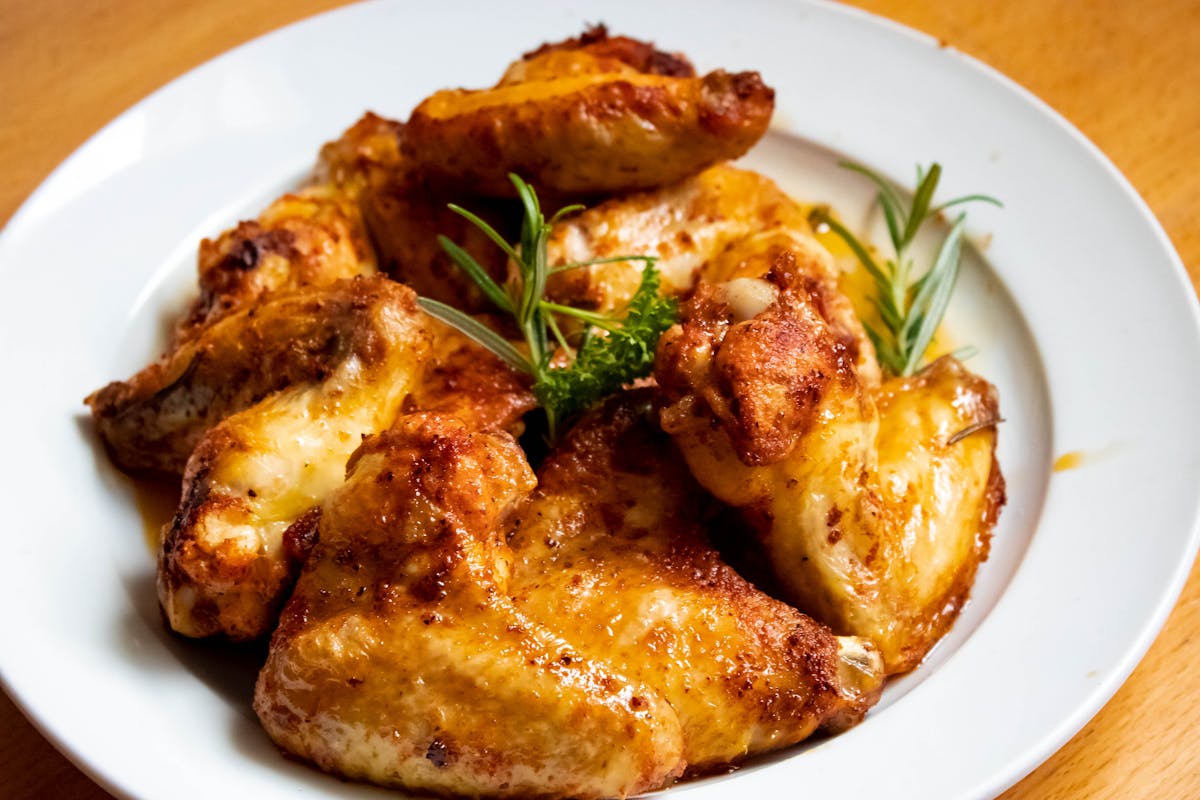
Thin slices are easier to chew and more comfortable to digest when you get full quickly. - Prep the fresh vegetables
While the chicken cooks, halve the cherry tomatoes and dice the cucumber. If you like, toss them with a pinch of salt and a teaspoon of lemon juice for extra brightness and to draw out their juices.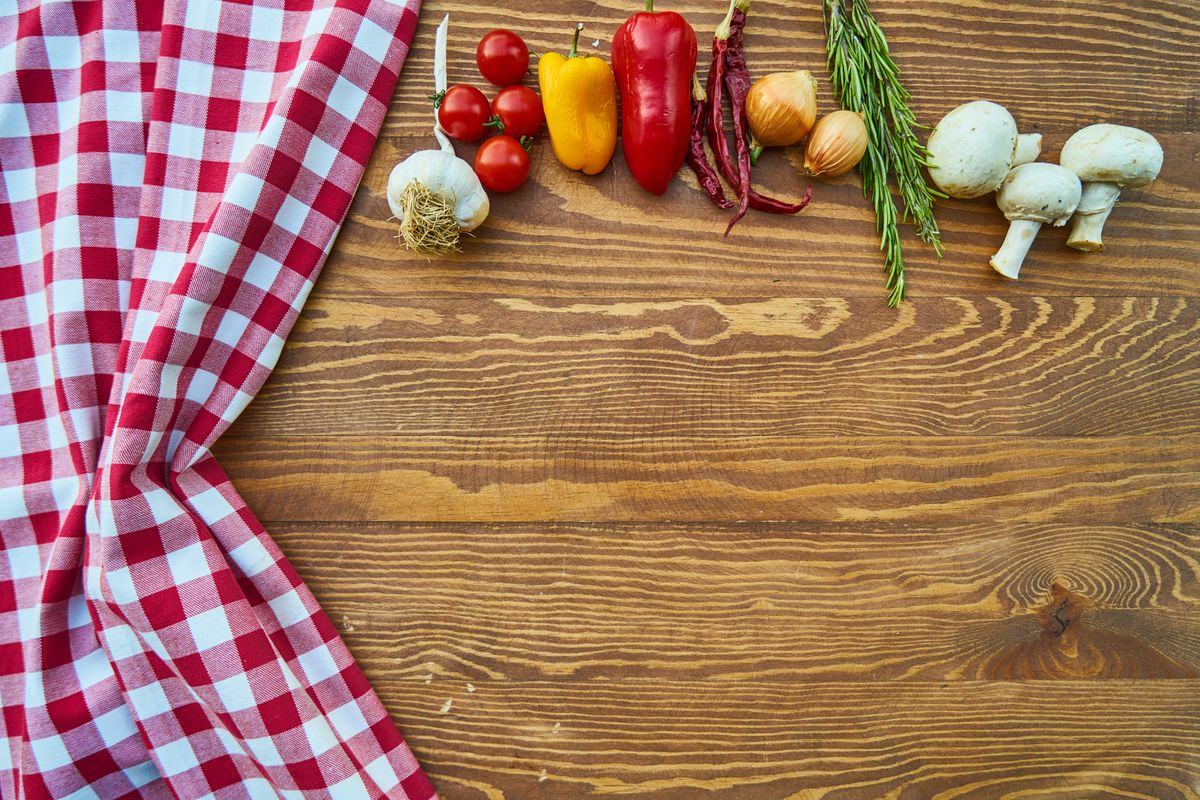
Crisp cucumber and juicy tomatoes add refreshing texture, hydration, and fiber. - Assemble your small bowls
Divide the quinoa between two small bowls (or start with just a few spoonfuls if your capacity is limited). Top each with sliced chicken, tomatoes, and cucumber. Sprinkle with feta if you’re using it, then finish with a drizzle of olive oil, a squeeze of lemon, and a shower of chopped herbs.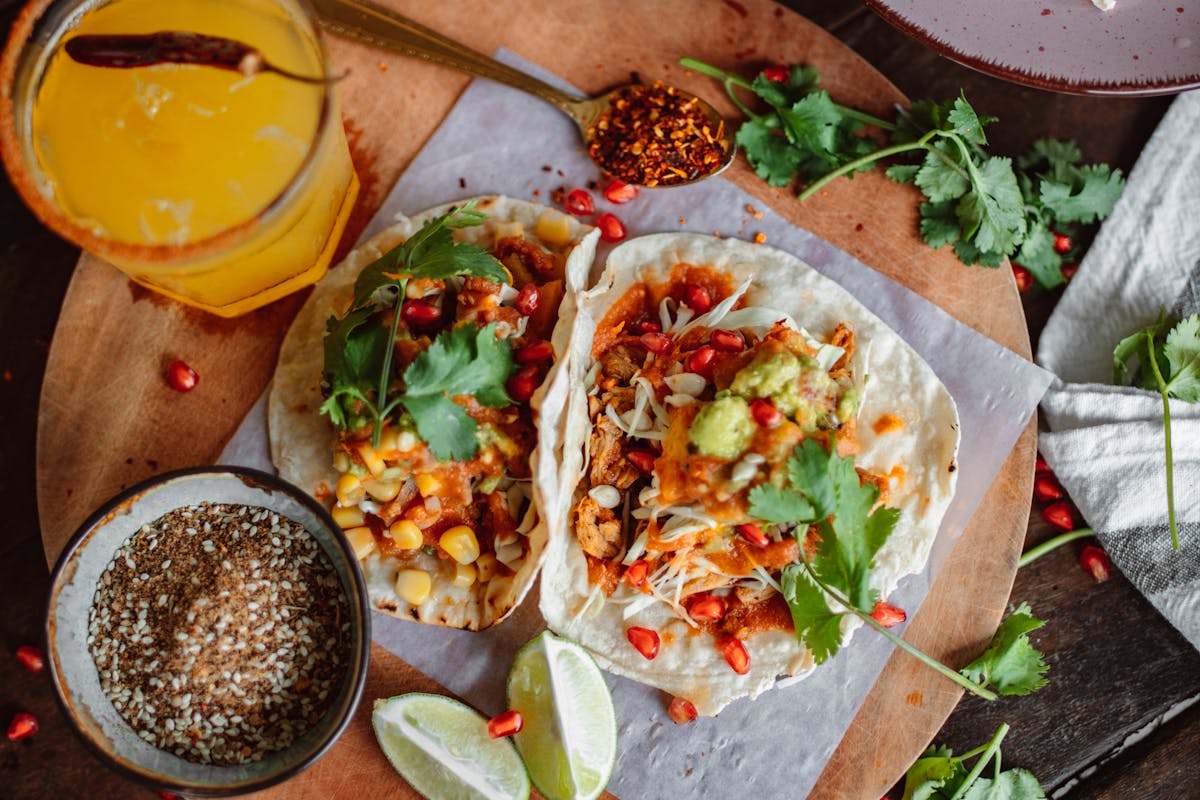
Build bowls in layers so every forkful holds a mix of protein, fiber, and bright, zesty flavor. - Adjust portions to your comfort
If you feel full after just a few bites, listen to your body. Pack the remaining chicken, quinoa, and vegetables into small containers so you can enjoy mini‑meals throughout the day instead of pushing one large serving.
Variations, Swaps, and Dietary Adaptations
One of the joys of bowl‑style meals is that they’re endlessly adaptable. You can protect your nutrition and cater to your taste buds or dietary needs.
For a vegetarian or vegan GLP‑1 bowl
- Swap chicken for firm tofu, tempeh, or a grilled bean patty.
- Marinate and cook the plant protein the same way as the chicken.
- Use a plant‑based feta or sprinkle with toasted sunflower seeds for creaminess and crunch.
For gluten‑free needs
Quinoa is naturally gluten‑free, but always confirm that your broth and seasonings are certified gluten‑free if you’re sensitive or have celiac disease.
If you’re sensitive to raw vegetables
- Lightly sauté or steam the tomatoes and cucumber, or swap in roasted carrots, zucchini, or bell peppers.
- Choose peeled, cooked vegetables if your stomach feels more comfortable that way.
Boosting calories gently
If your healthcare team is concerned about too‑rapid weight loss, you can subtly add calories without adding volume:
- Drizzle an extra teaspoon of olive oil over each bowl.
- Scatter a small handful of chopped nuts or seeds on top.
- Add a spoonful of hummus or tahini for creamy richness.
Storage, Reheating, and Meal Prep Tips
On GLP‑1 medications, meal prep can be a quiet superpower. When your hunger is low, cooking from scratch at every meal may feel overwhelming, but having gentle, ready‑to‑eat options in the fridge makes it easier to graze through the day.
- Refrigeration: Store cooked chicken, quinoa, and chopped vegetables in separate airtight containers in the fridge for up to 3 days.
- Freezing: Cooked chicken and quinoa both freeze well for up to 2–3 months. Thaw overnight in the fridge.
- Reheating: Warm the chicken and quinoa gently in the microwave with a splash of broth or water to prevent dryness. Add the fresh veggies and herbs after reheating.
- Mini containers: Divide leftovers into small, single‑snack size containers. That way, a “meal” can be just 4–5 bites whenever you feel up to eating.
Serving Suggestions and Complementary GLP‑1‑Friendly Sides
You can pair this lemon herb bowl with other small, nutrient‑dense bites to gently round out your day of eating on Ozempic or Wegovy.
- High‑protein yogurt cup: A few spoonfuls of plain Greek yogurt with berries and a sprinkle of chia seeds.
- Soft egg bites: Mini frittatas baked in a muffin tin with spinach and cheese, easy to reheat and nibble on.
- Smooth soups: Blended lentil, carrot, or tomato soup with a swirl of olive oil — soothing and gentle on sensitive stomachs.
- Electrolyte‑rich drinks: Sipping low‑sugar electrolyte beverages, broths, or herbal teas through the day helps keep hydration on track.
Beyond the Plate: Ethics, Access, and Long‑Term Questions
The “Ozempic era” isn’t just about recipes or hunger levels; it also touches deeper social conversations. As GLP‑1 medications become more common, experts are wrestling with big questions:
- Over‑medicalization of weight loss: What message do we send if medication becomes the default answer to body image and weight concerns?
- Off‑label use and access: Some people without diabetes or obesity can access these drugs, while others who medically need them struggle with cost and shortages.
- Long‑term unknowns: Researchers are still studying what happens when people stop GLP‑1 drugs. Will weight regain be common? How will years of reduced intake affect bone health, nutrient status, and metabolism?
In the middle of all this, it helps to return to a simple, compassionate reminder: your worth is not defined by your weight. Whether or not you use a GLP‑1 medication, feeding your body with respect — even in tiny, careful portions — is an act of care, not punishment.
Nourishing yourself on GLP‑1 drugs isn’t about perfection, macros, or chasing a number on the scale. It’s about asking, gently and consistently: “What does my body need today to feel supported?”
Bringing It All Together: A Kinder ‘Ozempic Diet’ Mindset
GLP‑1 drugs like Ozempic, Wegovy, and Mounjaro have undeniably reshaped modern diet culture. The challenge now is to make sure this shift includes better nutrition, not just smaller portions. By centering protein, fiber, hydration, and nutrient‑dense bites, you can lose weight more safely while still honoring your energy, strength, and long‑term health.
Whether you try the lemon herb chicken bowl above or adapt it into your own favorite flavors, remember: you don’t have to love huge meals to love food. Even a few well‑seasoned bites, eaten slowly and with care, can be deeply satisfying — body and soul.
If you’re feeling unsure about how much to eat or what’s right for your medical situation, reaching out to a registered dietitian experienced with GLP‑1 medications can give you a personalized roadmap and some much‑needed reassurance along the way.
