
How ‘Longevity Diets’ Went Hollywood (And What Actually Ends Up On Your Plate)
Celebrity Longevity Diets & Blue Zone–Inspired Eating
Across streaming platforms, podcasts, and social media, “longevity diets” are everywhere: glossy documentaries follow spry centenarians through sunlit kitchens, while celebrities share meticulous routines built around green-heavy bowls, early dinners, and antioxidant-packed teas. At the heart of the trend is a simple, powerful idea: the way we eat today can help shape not just how long we live, but how vibrantly we move, think, and savor food in the decades ahead.
Much of this movement draws inspiration from Mediterranean and Blue Zone–style eating—dietary patterns observed in regions where people commonly reach 90 or even 100 years old. The good news for home cooks: beneath the buzzwords and supplement stacks, the real “longevity plate” is warm, aromatic, colorful, and surprisingly down-to-earth.
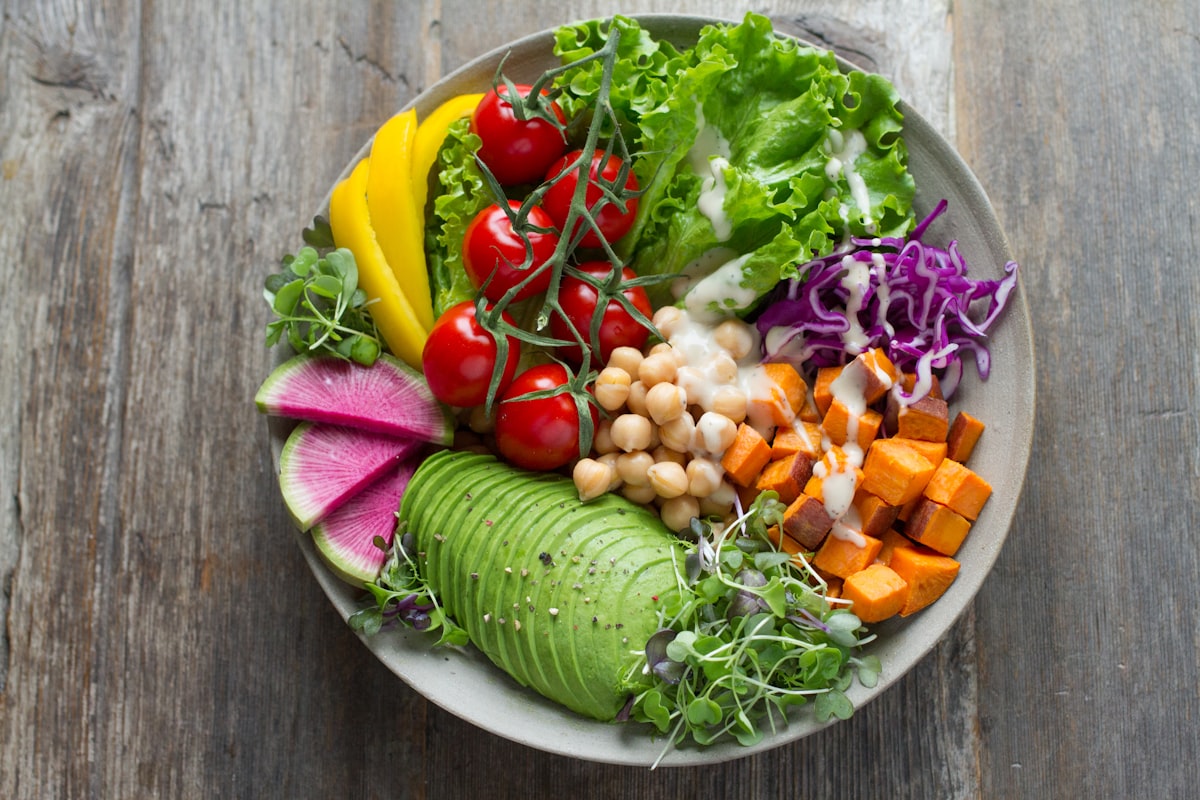
At a Glance: What Longevity Eating Looks Like
Longevity-focused diets share a common backbone: mostly plants, minimally processed ingredients, and a relaxed, home-cooked rhythm to meals. Think fragrant olive oil, simmered beans, toasted nuts, whole grains with a bit of chew, and plates full of color from seasonal produce.
Core Elements
- Predominantly plant-based meals rich in vegetables, legumes, and whole grains.
- Olive oil as the main added fat.
- Moderate fish and poultry; limited red and processed meat.
- Very few ultra-processed foods and sugary drinks.
- Simple, home-style cooking and shared meals.
Common Daily Goals
- 5+ servings of fruits and vegetables.
- Beans or lentils at least once a day.
- Whole grains instead of refined (brown rice, barley, oats, whole-wheat, corn tortillas).
- Regular omega-3 sources (fatty fish, walnuts, flax, chia).
- Very limited added sugars and sweets.
Blue Zones: Real-World Longevity Kitchens
Blue Zones—places like Okinawa in Japan, Ikaria in Greece, Sardinia in Italy, Nicoya in Costa Rica, and the Seventh-day Adventist community in Loma Linda, California—aren’t wellness labs. They’re everyday communities where people cook what their grandparents cooked, walk to see friends, and linger at the table.
Researchers noticed these regions had unusually high rates of people living into their 90s and 100s, often with strong mobility and mental clarity. When they looked closely at what was on the menu, several patterns emerged.
- Beans & lentils every day: Chickpeas in stews, black beans tucked into tortillas, lentils in soups—legumes are the quiet heroes.
- Whole grains over refined: Barley, oats, brown rice, and corn tortillas offer slow, steady energy and a nutty aroma.
- Nuts & seeds in modest handfuls: Toasted almonds, walnuts, and seeds add crunch and healthy fats.
- Very little added sugar: Sweetness mostly comes from fruit, not dessert aisles.
- Alcohol, if any, with meals: Often a small glass of wine sipped slowly alongside food and conversation.
From Centenarian Villages to Celebrity Protocols
In recent years, celebrity wellness routines and tech-entrepreneur “protocols” have helped pull longevity diets out of academic journals and into Instagram feeds. You’ll hear about “biological age,” “metabolic health,” and “inflammaging,” all wrapped around images of luminous salads and biohacker-style supplement trays.
While the inspiration often comes from Blue Zones and Mediterranean eating, the celebrity versions can look a bit different in practice.
Common Celebrity Longevity Habits
- Plant-forward meals packed with vegetables, herbs, and legumes.
- Olive oil and avocados as staple fats, sometimes alongside nut-based sauces.
- Time-restricted eating—early dinners or compressed eating windows.
- Elaborate supplement routines and “superfood” powders.
- Occasional extreme rules (very long fasting windows, strict food lists).
The closer a celebrity protocol looks to a big bowl of beans, greens, and whole grains you could affordably cook at home, the closer it usually is to what we actually see in long-lived communities.
What the Science Says About Longevity Diets
Nutrition science is constantly evolving in the details, but certain themes are remarkably consistent. The plant-forward, minimally processed way of eating you see in Mediterranean and Blue Zone–style diets is associated with a lower risk of cardiovascular disease, type 2 diabetes, and some cancers, and with better overall function as we age.
Key Evidence-Backed Features
- High fiber intake: From beans, lentils, whole grains, vegetables, and fruit—supports gut health, blood sugar, and cholesterol.
- Healthy fats: Olive oil, nuts, seeds, and fatty fish provide monounsaturated and omega-3 fats that support heart and brain health.
- Low ultra-processed foods: Less sodium, sugar, and refined starch; fewer additives and “empty calories.”
- Natural antioxidants and phytonutrients: Colorful plants (berries, leafy greens, herbs, spices) help counter chronic, low-grade inflammation.
It’s also important to remember that diet is one piece of a much larger lifestyle puzzle. Movement, sleep, stress, social connection, and access to healthcare all play major roles in longevity. In the real Blue Zones, food is woven together with walking, gardening, strong social ties, and a clear sense of purpose.
Blue Zone–Inspired Mediterranean Chickpea & Vegetable Longevity Bowl
To bring all of this from concept to plate, here’s a cozy, Blue Zone–inspired Mediterranean “longevity bowl.” Picture this: warm, garlicky chickpeas nestled on nutty whole grains, ribbons of sautéed greens, sweet roasted vegetables, a drizzle of peppery olive oil, and a bright hit of lemon. It’s deeply satisfying, naturally plant-forward, and flexible enough to fit what’s in your pantry.

Quick Recipe Snapshot
Prep time:
Cook time:
Total time:
Servings: 2 generous bowls
Difficulty: Easy (great for weeknights)
Equipment You’ll Need
- Medium saucepan (for grains)
- Large skillet or sauté pan
- Baking sheet (if roasting vegetables)
- Cutting board and sharp knife
- Wooden spoon or spatula
- Measuring cups and spoons
Ingredients
Base
- 1 cup (190 g) cooked whole grains (e.g., cooked brown rice, farro, or barley)
- 1 tbsp extra-virgin olive oil
- Pinch of sea salt
Chickpeas & Vegetables
- 1 can (about 15 oz / 400 g) chickpeas, drained and rinsed
- 1 small red onion, thinly sliced
- 2 cloves garlic, minced
- 1 medium carrot, sliced into half-moons
- 1 small zucchini, sliced into half-moons
- 2 cups (loosely packed) leafy greens (spinach, kale, or chard), chopped
- 2 tbsp extra-virgin olive oil (for sautéing)
- 1 tsp ground cumin
- 1 tsp dried oregano or thyme
- 1/2 tsp smoked or sweet paprika
- Sea salt and freshly ground black pepper, to taste
Bright Lemon-Herb Finish
- Juice and zest of 1/2 lemon (more to taste)
- 2 tbsp chopped fresh herbs (parsley, cilantro, basil, or a mix)
- 2 tbsp toasted nuts or seeds (walnuts, almonds, pumpkin seeds, or sunflower seeds)
- Optional: 2 tbsp crumbled feta or grated aged cheese (omit for vegan)
Step-by-Step Instructions
- Warm or cook your grain base.
If using leftover cooked grains, warm them in a saucepan with 1 tbsp olive oil and a pinch of salt over low heat until fluffy and fragrant. If cooking from dry, prepare according to package directions, then fluff with a fork. - Prep the vegetables and aromatics.
Slice the red onion and carrots, chop the zucchini and greens, and mince the garlic. Drain and rinse the chickpeas until they smell clean and slightly nutty. - Sauté the onions and carrots.
Heat 2 tbsp olive oil in a large skillet over medium heat. Add the onions and carrots with a small pinch of salt. Cook for 5–7 minutes, stirring occasionally, until the onions are soft and sweet and the carrots are just tender. - Build flavor with garlic and spices.
Add the minced garlic, cumin, oregano (or thyme), and paprika. Stir for about 30 seconds, just until the kitchen smells warmly spiced and the garlic is fragrant—avoid browning it. - Add chickpeas and zucchini.
Tip in the chickpeas and zucchini. Stir to coat in the spices, then cook for 5–6 minutes. The chickpeas should become lightly golden in spots and the zucchini tender but not mushy. - Fold in the greens.
Add the chopped greens and a spoonful of water if the pan looks dry. Cook for 2–3 minutes, just until the greens wilt and turn a deep, glossy green. Taste and season with more salt and pepper as needed. - Add the lemon-herb finish.
Turn off the heat. Stir in lemon juice, lemon zest, and the fresh herbs. The aroma should turn bright and citrusy, lifting the cozy flavors of the chickpeas and spices. - Assemble the bowls.
Divide the warm grains between two bowls. Spoon the chickpea and vegetable mixture on top. Sprinkle with toasted nuts or seeds, and feta or cheese if using. Add an extra drizzle of olive oil or a squeeze of lemon to finish.

Storage & Reheating
- Fridge: Store grains and chickpea-vegetable mix in separate airtight containers for up to 3–4 days.
- Freezer: The chickpea-vegetable mix freezes well for up to 2 months; thaw overnight in the fridge.
- Reheating: Warm gently in a skillet with a splash of water or broth, or in the microwave in 30-second bursts, stirring between intervals. Add fresh herbs and a little extra lemon or olive oil after reheating to revive the flavors.
Serving Suggestions & Complementary Dishes
To turn this longevity bowl into a full Blue Zone–style meal, pair it with:
- A simple tomato-cucumber salad with olive oil and herbs.
- A side of seasonal fruit—orange slices, berries, or melon.
- A small handful of olives or a spoonful of hummus.
- Herbal tea or, for those who drink alcohol, a small glass of wine with food and company.
Making Longevity Eating Practical & Enjoyable
Longevity diets aren’t about perfection; they’re about patterns. Many long-lived people have dessert on special occasions, enjoy family feasts, and snack on local specialties. What matters most is what you do day in and day out, not the rare celebration.
Gentle Ways to Shift Your Plate
- Swap one meat-centered dinner each week for a bean-based meal, like this chickpea bowl or a lentil stew.
- Use whole grains where you’d normally reach for refined ones—brown rice instead of white, whole-wheat pasta, or whole-grain bread.
- Add one more vegetable to each meal, even if it’s just a handful of greens sautéed with garlic.
- Keep nuts and seeds on hand to sprinkle over bowls, salads, and yogurt.
- Prioritize home-cooked meals, even very simple ones, over grab-and-go ultra-processed foods.

