
How Crypto Micro-Documentaries Are Rewriting the Battle for Narrative Power
Micro-documentaries—short, highly shareable explainer videos about current events, conflicts, and social issues—are rapidly becoming the default way millions consume news on platforms like TikTok, YouTube Shorts, Instagram Reels, and X, blending speed, personal commentary, and algorithmic reach. For the crypto and Web3 ecosystem, this shift represents both a powerful new channel to educate and mobilize audiences around blockchain, DeFi, and regulation, and a serious risk vector for misinformation, oversimplification, and narrative capture in an already complex market.
Executive Summary
Short-form, creator-led “micro-documentaries” are no longer just a media trend; they are an information infrastructure layer for how investors, traders, and citizens understand Bitcoin, Ethereum, DeFi, and crypto regulation in real time. These 30–180 second videos—optimized for TikTok, YouTube Shorts, Instagram Reels, and X—translate dense subjects like monetary policy, on-chain data, or geopolitical risk into snackable narratives that can move sentiment faster than most institutional research.
For crypto market participants, this represents a structural change in how narratives form, spread, and impact prices and policy. This article analyzes the mechanics of micro-docs, their role in shaping crypto narratives, and how serious investors, builders, and educators can strategically leverage and defend against this format.
- Why micro-documentaries thrive in an era of information overload and short attention spans.
- How they influence crypto market psychology, adoption, and regulation discourse.
- Data-backed view on engagement and reach compared to traditional news and long-form content.
- Risks: misinformation, selective framing, and weaponized virality around tokens and protocols.
- Actionable frameworks for using micro-docs in education, investor relations, and community building.
What Are Micro-Documentaries and Why Do They Matter for Crypto?
Micro-documentaries are short-form videos—typically 30 seconds to 3 minutes—that aim to explain a complex topic in a compressed, narrative-driven format. Unlike memes or generic clips, they blend:
- Fast-paced editing with subtitles, b‑roll, and on-screen infographics.
- Topical focus on conflicts, elections, protests, economic trends, and policy shifts.
- Personal voice—creators mixing reporting, analysis, and opinion.
- Platform-native hooks “Here’s what’s really going on” or “You are not being told this about…”.
In crypto, this format is already ubiquitous: explainers on Bitcoin ETFs, Ethereum staking, DeFi hacks, or new layer-2 launches routinely rack up millions of views within hours. For many younger, mobile-first investors, these videos are the primary touchpoint for topics like:
- What is sound money and why Bitcoin matters?
- How do smart contracts and DeFi lending protocols work?
- What is happening with SEC enforcement and crypto regulation?
- Why NFTs, Web3 gaming, or restaking are trending?
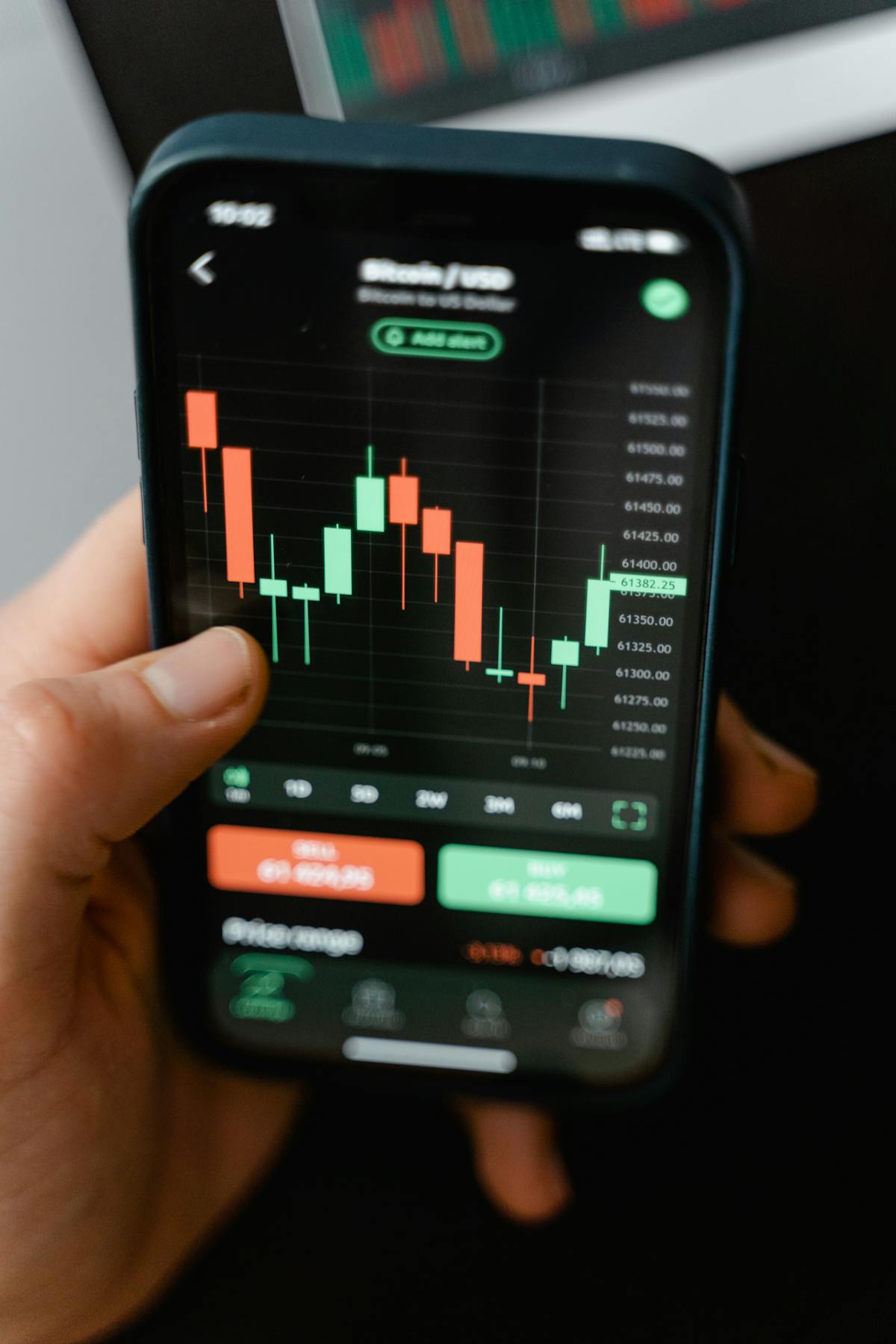
Why Micro-Documentaries Are Exploding Across Social Platforms
Micro-docs sit at the intersection of information overload, creator-driven trust, and algorithmic discovery. Those same forces are now reshaping how crypto narratives are born and scaled.
1. Information Overload and the “60-Second Understanding” Promise
Traditional news, long-form research, and dense whitepapers are cognitively expensive. In contrast, a 60-second explainer on:
- Why a major exchange halted withdrawals, or
- How a smart contract bug drained a DeFi pool
offers a fast feeling of understanding. This speed matters in crypto, where markets trade 24/7 and sentiment can shift faster than most people can read a report.
2. Creator-Driven Trust vs. Institutional Skepticism
Younger audiences often trust individual creators more than legacy institutions or even major exchanges. Journalists, analysts, on-chain sleuths, and regional experts build parasocial relationships with followers by:
- Consistently covering specific regions (e.g., “Middle East conflict explained”).
- Specializing in on-chain forensics or DeFi security breakdowns.
- Translating complex regulation or macroeconomics into simple narratives.
“For Gen Z, trust is built creator-first, not institution-first. They follow people, not brands.”
3. Algorithmic Boost for Timely, Opinionated Content
Platforms like TikTok, YouTube Shorts, and X aggressively boost:
- Fresh content tied to breaking news or viral hashtags.
- High-engagement videos (watch time, shares, comments, duets/stitches).
- Clear “take” or viewpoint, which sparks debate and interaction.
Crypto topics are perfect fuel: regulation headlines, ETF approvals, hacks, leverage blowups, and memecoin pumps generate both fear and FOMO, which algorithms recognize as engagement.
4. Youth Political and Financial Engagement
Younger audiences who rarely consume TV news use these platforms to stay informed on:
- Elections and policy that can redefine crypto regulation.
- Capital controls, inflation, and currency crises that drive Bitcoin adoption.
- Climate, censorship, and surveillance debates that intersect with Web3 values.
For them, a micro-doc about a capital control in one country might be the first time they hear the case for self-custody or stablecoins.
How Micro-Documentaries Shape Crypto Narratives and Market Behavior
Crypto is narrative-sensitive. Liquidity flows, token valuations, and even protocol governance decisions are influenced by stories: “Ethereum as ultrasound money,” “Solana as the DeFi/consumer chain,” or “Bitcoin as digital gold.” Micro-docs are now a primary vector for these narratives.
Narrative Amplification Loop
A typical crypto micro-documentary loop looks like this:
- Trigger: Event occurs (ETF approval, hack, protocol upgrade, regulatory lawsuit).
- First wave: On-chain analysts, journalists, and traders post short explainers.
- Second wave: Commentary and “here’s what they’re not telling you” reaction micro-docs appear.
- Memetic spread: Clips, duets, stitches, and remixes go viral under event hashtags.
- Market impact: Sentiment, flows, and even governance votes are influenced by the viral framing.
Because crypto trades continuously and global audiences consume content on different time zones, a viral micro-doc can sustain or accelerate a narrative over days rather than hours.

Case-Style Examples (Abstracted)
- DeFi Hack Explainer: A 90-second micro-doc breaking down an exploit in a lending protocol can rapidly shape whether users see it as a one-off bug or systemic risk, directly impacting TVL and token price.
- Regulation Update: Short clips summarizing a new enforcement action or policy proposal often become the de facto “TL;DR” that policymakers’ staff, journalists, and traders reference.
- Layer-2 or L1 Launch: Creators condense long technical docs into simple pitches—“cheaper, faster Ethereum” or “Solana killer”—which can overshadow nuanced trade-offs about security, decentralization, and tokenomics.
Data and Platform Dynamics: Reach, Engagement, and Attention
While exact numbers shift over time and by region, public platform reports and independent analytics consistently show that short-form video dominates engagement. Applying that reality to crypto education and news helps quantify why micro-docs matter.
| Format | Typical Length | Relative Completion Rate | Use Case in Crypto |
|---|---|---|---|
| TikTok / Reels / Shorts | 15–90 sec | High | News flashes, protocol explainers, quick opinion. |
| YouTube long-form | 8–40 min | Moderate | Deep dives, tokenomics, tutorials, macro-crypto links. |
| Articles / Reports | 5–20 min read | Low–Moderate | Technical detail, methodology, regulatory nuance. |
Publicly available industry analyses (e.g., Google, Meta, YouTube creator reports) repeatedly note that short-form video drives outsized impressions and frequency. In crypto terms, this means:
- Micro-docs often form first impressions about a token or protocol.
- They frame what questions users then ask search engines or long-form content.
- They influence what journalists assume “the public” understands or believes.

Benefits: Education, Inclusion, and Discovery for Crypto Audiences
When done well, micro-documentaries are powerful tools for broadening access to complex crypto topics and under-reported stories.
- Accessible on-ramps: Short explainers demystify Bitcoin, Ethereum, staking, NFTs, and DeFi for people who would never read a whitepaper or watch a 60-minute podcast.
- Spotlighting under-reported realities: Creators based in emerging markets can document how inflation, capital controls, or remittance costs drive real-world crypto adoption.
- Amplifying marginalized voices: Activists, dissidents, and local journalists can share how censorship, surveillance, or conflict shape the case for censorship-resistant finance.
- Bridging to deeper content: Many micro-docs link to long-form video essays, governance forums, or protocol docs for those wanting more context.
- Civic and ecosystem action: Well-crafted content often encourages constructive actions—verifying information, voting in governance proposals, donating transparently via crypto, or participating in regulatory consultations.
Risks: Oversimplification, Misinformation, and Narrative Capture
The same features that make micro-docs engaging also make them dangerous when misused, especially in a volatile, opaque market like crypto.
1. Aggressive Simplification
Protocol design, tokenomics, and regulatory nuances rarely fit into 60 seconds. Creators often reduce:
- Complex smart contract risks into binary “safe / unsafe” claims.
- Tokenomics into “number go up” supply narratives without vesting or emission details.
- Regulatory actions into partisan soundbites detached from legal reality.
2. Selective Framing and Hidden Incentives
Some creators are directly or indirectly incentivized (through token allocations, referral fees, or paid campaigns) to highlight certain narratives. Without clear disclosure, viewers can’t easily distinguish:
- Independent analysis from protocol-sponsored content.
- Balanced risk discussion from pure promotion.
- Data-driven on-chain insights from cherry-picked anecdotes.
3. Misinformation and Speed of Spread
Viral short-form content can:
- Misstate facts about a hack scope or loss magnitude.
- Misinterpret an on-chain transaction (e.g., internal treasury move vs. whale sell-off).
- Misrepresent a regulatory filing or court order.
By the time corrections arrive—often via niche analysts or long-form articles—the original framing may have already influenced trading decisions or public perception.
4. Emotional Manipulation
Editing, music, and selective clips can heighten fear or euphoria. For a market already prone to volatility, micro-docs can:
- Fuel panic during market stress, leading to rushed selling or on-chain stampedes.
- Supercharge FOMO during speculative bubbles, especially around memecoins or NFT cycles.

Platform-Specific Patterns: TikTok, YouTube, and X
Each major platform shapes how crypto micro-docs are produced, consumed, and contextualized.
TikTok and Reels: Viral Sparks and Public Debates
- Stitches/Duets: Creators react to each other’s explainers, fact-check claims, or offer opposing views in a public, chain-like format.
- Trend & sound-based discovery: A crypto explainer attached to a trending audio or meme can gain visibility far beyond finance audiences.
- Risk: Highly compressed explanations with limited space for nuance or sources.
YouTube Shorts as Gateways to Long-Form Crypto Content
Many serious crypto educators use Shorts to funnel viewers into:
- Long-form breakdowns of tokenomics and protocol architecture.
- Step-by-step tutorials on using DeFi, hardware wallets, or on-chain analytics tools.
- In-depth macro and regulation analysis affecting Bitcoin and Ethereum.
Here, micro-docs function as discoverability engines rather than the whole story.
X (Twitter): Threads, Sources, and Real-Time Fact-Checking
On X, viral micro-docs are often embedded in:
- Threads with additional charts, on-chain data, and links to sources (e.g., protocol docs, court filings).
- Community notes or quote-tweets adding critical context or refuting claims.
- Spaces, where creators discuss their videos live with analysts and project teams.
This layered context makes X a crucial arena for post-viral fact-checking and nuance in crypto narratives.
Actionable Frameworks for Crypto Professionals and Investors
Serious participants in crypto—investors, founders, researchers, and community leads—should treat micro-docs not as a fad but as core infrastructure in the information stack. Below are practical strategies.
For Individual Investors and Traders: A 5-Step Verification Playbook
- Identify the creator’s incentives. Check bios, links, and disclosures. Are they affiliated with the project, exchange, or token featured?
- Cross-check with primary sources. For any strong claim, look for:
- Official protocol docs or GitHub.
- On-chain data dashboards (e.g., DeFiLlama, token explorers).
- Reputable news coverage (e.g., CoinDesk, The Block, CoinTelegraph).
- Distinguish facts from opinions. Write down:
- What is a verifiable fact (e.g., block height, TVL number, signed court order)?
- What is interpretive framing (“this will change everything”)?
- Slow down trading decisions. If a micro-doc triggers an urge to act immediately, add a delay rule (e.g., wait one full day or one full 4h candle) before significant moves.
- Use lists and filters. Curate lists of credible analysts, journalists, and builders, and deprioritize purely sensational accounts.
For Crypto Projects and Protocol Teams
Projects that ignore micro-docs risk letting third parties permanently define their narratives. Instead:
- Publish your own canonical micro-docs. 30–90 second explainers on:
- What the protocol does and does not do.
- Core security assumptions and risks.
- Tokenomics basics (supply, emissions, governance rights).
- Provide media kits and b‑roll. Make accessible graphics and animations that creators can reuse accurately instead of screenshots from random sources.
- Monitor narratives, not just mentions. Track which recurring storylines (e.g., “too centralized”, “VC chain”) dominate micro-docs about your project, and address them with data-backed responses.
- Collaborate with independent educators. Support neutral explainers by providing access, documentation, and technical review—without controlling the message.
For Educators, Journalists, and Analysts
- Design layered content: Pair each micro-doc with:
- A longer explainer article or video.
- Links to primary sources and data.
- A static visual (infographic or chart) summarizing the core idea.
- Standardize disclosures: Clearly label sponsorships, investments, or affiliate links.
- Pre-empt misunderstandings: For sensitive stories (hacks, regulation, conflicts), include a “What we don’t know yet” segment.
- Use simple on-chain visuals: Token flows, DeFi positions, and governance votes can be depicted in straightforward diagrams that fit short videos without distorting reality.
Crypto-Specific Opportunities for Micro-Documentaries
Beyond general news, micro-docs are particularly well-suited to explain unique Web3 primitives and behaviors.
- On-chain case studies: Walkthroughs of real governance proposals, DAO treasury decisions, or DeFi liquidations as they happen.
- Tokenomics breakdowns: Simple visuals showing:
- Emission schedules and vesting cliffs.
- Revenue flows from protocol fees to token holders or treasuries.
- Comparative charts versus benchmarks (e.g., ETH vs. L2 tokens).
- Security and risk hygiene: 60-second checklists on:
- Verifying contract addresses and front-ends.
- Avoiding phishing during major token airdrops.
- Understanding bridge risks and custody trade-offs.
- Regulation explainers: Videos clarifying what a new law or lawsuit actually means for users, exchanges, and protocols in different jurisdictions.
Strategic Implications for the Crypto Ecosystem
The rise of micro-documentaries signals a deeper shift in crypto’s information environment.
- From research-first to narrative-first discovery: Many users now encounter a protocol, token, or regulatory issue first via a micro-doc, then decide whether to dig deeper.
- From passive consumption to participatory debate: Stitches, duets, quote-tweets, and reply videos turn each micro-doc into the opening move in a public, traceable argument.
- From centralized to polycentric trust: Instead of a few newspapers and exchanges, trust is fragmented across thousands of niche creators, analysts, and communities.
For serious participants, ignoring this layer is not an option. The question is how to engage without sacrificing rigor.
Practical Next Steps and Forward-Looking Considerations
To operate effectively in a world where micro-documentaries shape crypto understanding, consider the following implementation steps.
For Investors and Market Participants
- Create a personal “information stack” that pairs short-form explainers with long-form research and on-chain data.
- Adopt explicit decision rules that prevent reacting solely to viral videos.
- Maintain a watchlist of credible creators and a block/mute list for consistently misleading ones.
For Builders, DAOs, and Protocol Teams
- Invest in a minimal but high-quality micro-doc library explaining your protocol, risks, and roadmap.
- Establish rapid response processes for major events (hacks, outages, regulatory notices) with clear, shareable short-form updates.
- Open channels with independent educators for technical briefings and Q&A.
For the Broader Web3 Media Ecosystem
- Develop shared standards for disclosures, sourcing, and corrections in short-form crypto content.
- Explore decentralized curation and fact-checking mechanisms that can surface expert corrections without platform gatekeeping.
- Experiment with on-chain attestations or signatures for “verified explainers” tied to auditable sources.
As elections, conflicts, climate shocks, and macro instability continue to shape the global conversation, short, personality-driven explainers will increasingly define how the public understands crypto’s role in money, governance, and digital rights. Those who learn to navigate and contribute to this format thoughtfully will be far better positioned than those who dismiss it as mere noise.
