
How Climate Extremes Are Accelerating the Energy Transition, Climate Tech, and Crypto’s Green Transformation
Executive Summary: Climate Extremes, Energy Transition, and Crypto’s New Reality
Increasingly frequent extreme weather events and record temperatures are shifting climate change from abstract projections to lived experience, accelerating adaptation strategies, energy transitions, and even reshaping how crypto and blockchain infrastructure are built, powered, and financed.
For crypto markets, this shift is no longer a peripheral ESG story. It is actively influencing where mining farms are located, how proof‑of-stake validators manage uptime and energy costs, which DeFi projects attract institutional liquidity, and how regulators scrutinize Bitcoin, Ethereum, and broader Web3 infrastructure.
- Record climate extremes are exposing physical and transition risks across energy‑intensive industries, including Bitcoin mining and data‑center heavy blockchain infrastructure.
- Adaptation and resilience spending is emerging as a multi‑trillion‑dollar macro theme, with on‑chain finance, tokenization, and climate‑linked DeFi products beginning to plug into that capital flow.
- Energy transition—especially renewable energy integration and grid flexibility—is now directly intertwined with crypto mining economics and proof‑of-stake (PoS) validator strategies.
- Climate tech and climate finance are converging with Web3 through tokenized carbon markets, green bond tokenization, on‑chain MRV (measurement, reporting, verification), and regenerative finance (ReFi).
- Justice and inequality dimensions of climate adaptation are highlighting both the risks of “climate‑blind” crypto projects and the opportunities for transparent, programmable aid and disaster‑response funding using blockchains.
This article provides a data‑driven, crypto‑native analysis of how global climate extremes and the push for adaptation intersect with Bitcoin, Ethereum, DeFi, and Web3 infrastructure—and outlines practical frameworks for investors, builders, and policymakers.
1. The Climate Extremes Context: From Projections to Lived Reality
Over the past 12–18 months, climate change has shifted from charts to constant, viral imagery: flooded cities, megafires, and uninhabitable heat domes trending across social platforms. This normalization of extremes is reshaping public opinion, regulation, and capital allocation.
- Record‑breaking temperatures: Multiple datasets (NOAA, Copernicus, Berkeley Earth) show recent years repeatedly breaking global average temperature records, with marine heatwaves and persistent heat domes amplifying local impacts.
- Weather anomalies and compounding disasters: Regions are increasingly facing overlapping droughts, floods, and storms. This is stressing water, food, and energy systems simultaneously.
- Real‑time documentation: Viral videos on TikTok, Twitter/X, and YouTube personalize climate impacts and accelerate pressure on policymakers, utilities, and heavy‑energy consumers—including crypto mining operations.
“Climate change is already affecting every inhabited region across the globe, with human influence contributing to many observed changes in weather and climate extremes.”
For crypto, the critical takeaway is that energy and resilience are now strategic variables, not background assumptions. Infrastructural fragility—power outages, grid constraints, water scarcity—feeds directly into protocol uptime, transaction costs, and, ultimately, asset valuations.
2. Visualizing the Shift: Climate Extremes and Energy Transition

Extreme weather and the energy transition are not abstract “macro noise” for crypto—they directly influence node uptime, mining profitability, and jurisdictional risk.
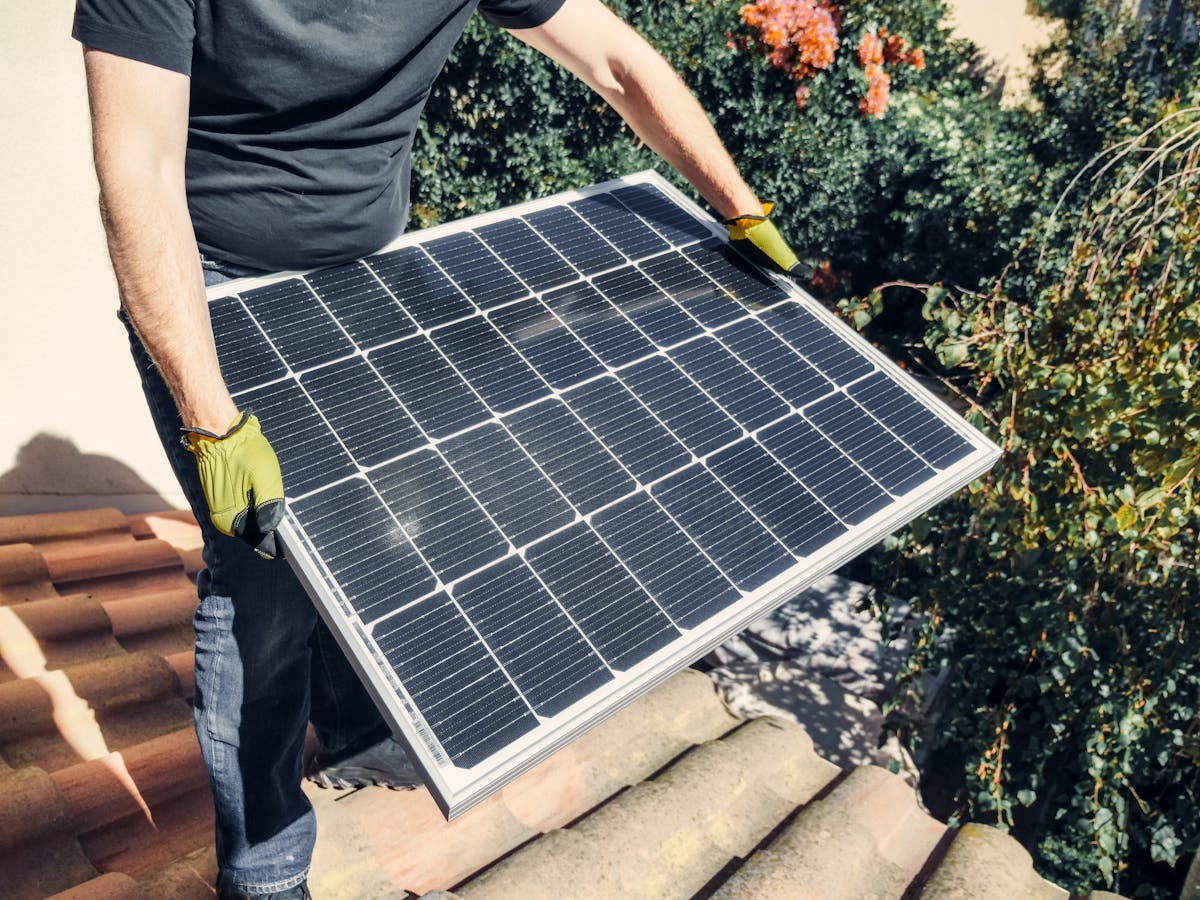
These visuals reflect two converging realities:
- Physical climate risk can disrupt both centralized and decentralized digital infrastructure.
- The energy transition is re‑wiring power markets, and crypto is becoming an increasingly flexible, programmable demand‑side participant.
3. How Climate Extremes Intersect with Crypto Infrastructure
To understand the impact on crypto, break the problem into three layers: consensus mechanism, infrastructure location, and regulatory & capital flows.
3.1 Consensus Mechanisms and Energy Profiles
Bitcoin’s proof‑of-work (PoW) and Ethereum’s proof‑of-stake (PoS) approach energy, hardware, and climate risk very differently.
| Metric | Bitcoin (PoW) | Ethereum (PoS) |
|---|---|---|
| Consensus | Proof‑of-Work (hashrate competition) | Proof‑of-Stake (validator set) |
| Energy intensity | High, hardware and power‑cost sensitive | Low per transaction and per dollar secured |
| Climate exposure | Directly exposed to energy prices, cooling costs, and power curtailment during heatwaves or grid stress | More exposed to data‑center uptime and network connectivity than to raw electricity pricing |
| Regulatory optics | Often framed in debates over “energy waste” vs. grid balancing & renewable monetization | Generally viewed as more energy‑efficient and compatible with ESG mandates |
3.2 Infrastructure Location and Physical Climate Risk
Both mining farms and validator/data‑center clusters are increasingly concentrated in regions that offer:
- Cheap or stranded renewable energy (hydro, wind, solar, geothermal).
- Supportive regulatory regimes for crypto and data centers.
- Cooler climates or efficient cooling infrastructure to manage heat risk.
However, those same regions may face water stress, flooding, or extreme heatwaves. From an investor’s perspective, this translates into:
- Location risk: A concentration of hashrate or stake in a high‑risk climate zone increases the probability of correlated downtime.
- Insurance and financing risk: Rising insurance premiums and stricter lending conditions for high‑risk zones can affect profitability and expansion capacity.
- Regulatory migration: Jurisdictions under acute climate stress may tighten restrictions on energy‑intensive activities faster than expected.
3.3 Regulatory and Capital Flow Dynamics
As climate adaptation and mitigation become central in policy debates, regulators are:
- Evaluating crypto mining’s role in grid stability, resource allocation, and emissions inventories.
- Considering differentiated regulation between “green” mining operations and fossil‑heavy ones.
- Embedding climate risk into financial regulation, which affects institutional allocation to crypto as an asset class.
Institutional investors with climate mandates increasingly demand:
- Transparent emissions and energy‑mix reporting from crypto infrastructure providers.
- Clear climate‑risk disclosures from exchanges and listed mining companies.
- On‑chain or provable sustainability metrics—an emerging use case for blockchain‑based MRV systems.
4. Adaptation, Resilience, and the Role of Web3
Global conversations have shifted from “only mitigation” to a dual approach: mitigation plus adaptation. Cooling centers, redesigned buildings, flood defenses, and early‑warning systems are now central topics in city planning and national climate strategies.
Crypto and Web3 can plug into this adaptation wave along three main vectors:
- Transparent climate and infrastructure finance
- Parametric and decentralized insurance
- Resilient payment and aid infrastructure
4.1 On‑Chain Climate and Infrastructure Finance
Cities and climate‑vulnerable regions increasingly require large‑scale, long‑term financing for adaptation. Tokenization and DeFi primitives can help:
- Tokenized green and resilience bonds: Representing infrastructure debt on-chain can improve transparency, reduce settlement friction, and enable broader investor participation.
- Revenue‑sharing tokens: Infrastructure projects (e.g., solar or micro‑grid deployments) can issue tokens that entitle holders to a share of revenue streams.
- Programmable cash flows: Smart contracts can automatically allocate bond proceeds, maintenance reserves, and contingency funds based on pre‑defined logic.
4.2 Parametric Insurance and DeFi Risk Pools
Traditional indemnity insurance struggles with slow payouts and complex claims, particularly after large climate disasters. Parametric insurance—where payouts are triggered by objective, external parameters (e.g., rainfall above X mm, wind speed above Y km/h)—is a natural fit for smart contracts.
Key components include:
- Oracles: Trusted data feeds (e.g., Chainlink, API3) bringing weather and climate data on‑chain.
- Automated payouts: When conditions are met, policies pay out instantly, reducing administrative overhead and fraud risk.
- Decentralized capital pools: Liquidity providers stake capital into insurance pools and earn yield for underwriting climate risks.
For investors, these structures offer diversified yield streams that are uncorrelated with traditional crypto market cycles, while contributing to real‑world resilience.
4.3 Crypto as Resilient Infrastructure for Transfers and Aid
Extreme events often disrupt banking rails just as people most need liquidity. Crypto wallets and stablecoins can:
- Enable cross‑border remittances when local rails malfunction.
- Allow NGOs and DAOs to coordinate disaster relief funding transparently.
- Provide self‑custodial access to funds if local institutions or currencies fail.
The design challenge is usability and safeguarding: wallet recovery, fraud prevention, and regulatory compliance must be solved without sacrificing accessibility for vulnerable populations.
5. Energy Transition: From Liability to Strategic Advantage for Crypto
The energy transition—decarbonizing power systems while maintaining reliability—sits at the intersection of grid engineering, finance, and policy. Crypto’s role in this transition is evolving rapidly, especially for Bitcoin mining.
5.1 Crypto Mining as a Flexible Load
Large‑scale mining operations increasingly operate as interruptible loads—they can rapidly throttle consumption up or down in response to grid conditions. This flexibility can:
- Absorb excess renewable generation that would otherwise be curtailed.
- Provide demand response during peak stress to stabilize frequency and avoid blackouts.
- Monetize remote or stranded energy resources (e.g., flared gas, off‑grid hydro).
5.2 Comparative View: Energy Transition, Climate Risk, and Crypto
| Dimension | Bitcoin Mining | PoS / L2 Data Centers | Traditional Data Centers |
|---|---|---|---|
| Load flexibility | Very high; can curtail within minutes | Moderate; limited by uptime SLAs | Low to moderate |
| Primary revenue driver | Block rewards + transaction fees | Staking rewards, sequencing fees | Cloud and enterprise contracts |
| Climate narrative | Contested: “energy waste” vs “grid balancer & renewables monetizer” | Generally compatible with ESG frameworks | Scrutinized for efficiency and cooling water use |
| Strategic adaptation | Co‑location with renewables, demand response contracts | Efficient cooling, geo‑distribution, renewable PPAs | Efficiency upgrades, site selection, on‑site renewables |
The key insight: energy‑aware crypto design can be a competitive advantage, not just a reputational hedge. Protocols that align their tokenomics and infrastructure strategy with grid realities are better positioned to withstand climate‑driven regulatory shifts.
6. Climate Tech, ReFi, and Tokenized Environmental Assets
Climate tech spans carbon removal, alternative proteins, battery storage, and climate‑resilient agriculture. Increasingly, these projects experiment with Web3 rails for funding, verification, and market access.
6.1 Tokenized Carbon and Environmental Markets
Tokenization of carbon credits and nature‑based assets has seen waves of experimentation. Lessons from early projects underscore the need for:
- High‑quality underlying assets: Verified, additional, and permanent emissions reductions or removals.
- Robust MRV systems: Combining satellites, IoT sensors, and on‑the‑ground audits whose data are anchored on-chain.
- Sound tokenomics: Mechanisms that avoid double‑counting and align incentives between project developers, buyers, and liquidity providers.
Well‑designed tokenized carbon markets can offer:
- Improved transparency and traceability along the carbon credit lifecycle.
- Higher liquidity and price discovery compared to fragmented OTC markets.
- Programmable retirement and automated accounting for corporate buyers.
6.2 Regenerative Finance (ReFi) Protocol Archetypes
ReFi focuses on aligning financial incentives with positive environmental and social outcomes. Common archetypes include:
- Yield‑backed impact tokens: Tokens backed by productive, climate‑positive assets (e.g., regenerative agriculture, renewable energy generation).
- Impact DAOs: Decentralized organizations allocating treasury funds to vetted climate projects, with on-chain governance and milestones.
- Data and MRV networks: Protocols that tokenize climate data production and validation, rewarding accurate reporting.

6.3 Risk Considerations for Climate‑Linked Tokens
Investors should treat climate‑linked tokens with the same scrutiny as any complex DeFi instrument:
- Underlying asset risk: Are the climate outcomes verifiable and durable, or subject to reversal (e.g., forest fires in offset projects)?
- Regulatory risk: How will securities law, commodities regulation, and environmental regulators classify these instruments?
- Liquidity risk: Are markets deep enough to absorb entry and exit without extreme slippage?
- Oracle and data risk: Can MRV and price feeds be manipulated, and how is that mitigated?
7. Justice, Inequality, and Crypto’s Role in Climate Adaptation
Climate extremes disproportionately affect lower‑income and marginalized communities, who often lack both infrastructure resilience and financial buffers. Online conversations increasingly highlight:
- Unequal exposure to floods, heat, and pollution.
- Unequal access to adaptation finance and insurance.
- Questions about who pays for recovery and long‑term resilience.
Crypto can either exacerbate or help mitigate these inequalities depending on design choices.
7.1 Risks: Extractive vs. Inclusive Models
Extractive models include:
- Locating energy‑intensive mining in vulnerable regions without sharing benefits locally.
- Using land or resources for speculative projects without fair community participation.
- Aid or climate‑linked tokens that lack clear governance, accountability, or user protection.
7.2 Opportunities: Inclusive, Transparent Design
More inclusive approaches might:
- Allocate a share of mining or infrastructure revenues to local adaptation funds via smart contracts.
- Use DAOs to give affected communities governance rights over local climate projects.
- Leverage stablecoins and low‑fee L2s to provide accessible savings, remittances, and micro‑insurance products.
8. Actionable Frameworks for Crypto Investors and Builders
Climate extremes and adaptation are not transient narratives; they are structural forces. Below are practical frameworks tailored to different crypto stakeholders.
8.1 For Investors: Integrating Climate Risk into Crypto Analysis
- Map physical risk exposure:
- For mining stocks or infrastructure tokens, identify geographic concentration of facilities.
- Evaluate exposure to heatwaves, floods, storms, or water stress.
- Assess energy and emissions strategy:
- Does the project disclose energy mix and intensity?
- Are there credible plans to co‑locate with renewables or participate in demand response?
- Evaluate regulatory trajectory:
- Is the asset likely to face escalating climate‑related regulation in key markets?
- How dependent is it on jurisdictions with uncertain policy environments?
- Scrutinize climate‑linked tokens:
- Understand underlying assets, MRV processes, and governance.
- Stress‑test liquidity, oracle reliability, and counterparty risks.
- Portfolio construction:
- Diversify across consensus types (PoW, PoS, rollups) and geographies.
- Consider modest allocation to high‑quality climate‑linked protocols as thematic exposure, subject to risk limits.
8.2 For Builders: Designing Climate‑Aware Protocols and Products
- Prioritize efficiency and resilience:
- Optimize client software for low energy consumption where relevant.
- Design for geo‑distributed nodes and failover to handle regional outages.
- Embed transparent reporting:
- Publish energy and uptime metrics; consider on‑chain attestations.
- Integrate with oracles providing grid and climate data where appropriate.
- Align tokenomics with long‑term impact:
- Avoid short‑term extraction; use vesting, bonding, and revenue‑sharing that incentivize durable infrastructure and verified climate outcomes.
- Reserve a slice of protocol revenues for resilience or community funds where justified.
- Design for inclusivity:
- Simplify UX, support low‑end devices, and consider local language interfaces.
- Work with civil‑society and local organizations when deploying in vulnerable regions.
8.3 For Policymakers and Institutions
- Develop clear, data‑driven frameworks for evaluating crypto’s impact on grids and emissions.
- Differentiate between high‑emissions and low‑emissions operations through incentives, not just restrictions.
- Experiment with tokenized bonds, on‑chain subsidies, and parametric insurance pilots in partnership with reputable crypto teams.
9. Key Risks, Limitations, and What to Watch
Integrating climate and crypto introduces new layers of complexity. Key risk categories include:
- Technological risk: Smart contract bugs, oracle failures, and infrastructure outages.
- Regulatory risk: Rapid changes in environmental or financial regulation affecting crypto operations or climate‑linked tokens.
- Model risk: Over‑reliance on climate projections or grid assumptions that may prove inaccurate under extreme scenarios.
- Reputation risk: Greenwashing claims if climate benefits are overstated or poorly substantiated.
- Market risk: Volatility in both crypto markets and carbon/environmental credit prices.
Monitoring points for practitioners:
- Evolution of climate‑related disclosure rules for digital assets and exchanges.
- Growth of tokenized green bonds and infrastructure financing volumes.
- Adoption of parametric insurance products powered by oracles and DeFi liquidity.
- Institutional participation in ReFi or climate‑linked token markets.
- Shifts in mining and data‑center geographies after major climate events.
10. Conclusion: Climate Resilience as a Core Crypto Thesis
Extreme weather and accelerating energy transitions are now durable macro forces that shape everything from electricity pricing to capital allocation and regulation. Crypto, as a digital infrastructure layer, cannot remain climate‑agnostic.
Investors who integrate climate risk into their analysis of Bitcoin, Ethereum, DeFi, and ReFi will be better positioned to distinguish resilient projects from fragile ones. Builders who design energy‑aware, climate‑aligned protocols can turn a perceived liability into a structural advantage, unlocking new markets in adaptation finance, insurance, and resilient payments.
Over the coming years, expect:
- Greater scrutiny of crypto’s energy mix, but also growing recognition of its potential role in grid balancing and climate finance.
- Expanded experimentation at the intersection of climate tech and Web3, especially around MRV, tokenized infrastructure, and parametric products.
- Rising importance of resilience metrics—uptime, decentralization, geographic diversity—alongside traditional crypto metrics like TVL, hashrate, and staking yield.
The strategic question is not whether crypto can “survive” in a warming world, but which protocols, governance models, and infrastructure choices will enable it to contribute meaningfully to a more resilient, equitable, and decarbonized global economy.
Further Reading and Data Sources
For deeper, up‑to‑date analytics and context, consult:
- CoinDesk – Crypto and policy coverage
- The Block – Market structure and infrastructure analysis
- Messari – Protocol fundamentals and ESG dashboards (where available)
- DeFiLlama – DeFi TVL, yields, and protocol metrics
- IPCC – Climate science assessment reports
- NASA Global Climate Change – Data and visualizations
- Our World in Data – Energy, emissions, and climate datasets
