
How AI‑Designed Proteins Are Rewiring Drug Discovery and the Future of Medicine
In this article, we explore how generative AI moves beyond structure prediction to full protein and molecule design, the core technologies powering this shift, the impact on pharma and biotech, and the challenges that must be solved before AI‑first pipelines become the new normal in medicine and biotechnology.
AI‑driven design of proteins and drug‑like small molecules has rapidly evolved from a speculative idea to one of the most active frontiers in science and technology. Building on breakthroughs like DeepMind’s AlphaFold and Meta’s ESMFold, researchers now deploy generative models that propose entirely new amino‑acid sequences or chemical structures, optimized for stability, binding affinity, or catalytic activity. Rather than only predicting how known sequences fold, these tools explore vast regions of “sequence space” that nature has never sampled.
This shift is reshaping how we think about evolution, drug discovery, and materials design. Biotech startups, big pharmaceutical companies, and academic labs now tout AI‑designed enzymes for greener chemistry, novel antibodies for cancer and autoimmune disease, and AI‑selected drug candidates for difficult targets like intrinsically disordered proteins. At the same time, ethicists and biosecurity experts warn about dual‑use risks and the need for robust oversight as these tools become more powerful and accessible.
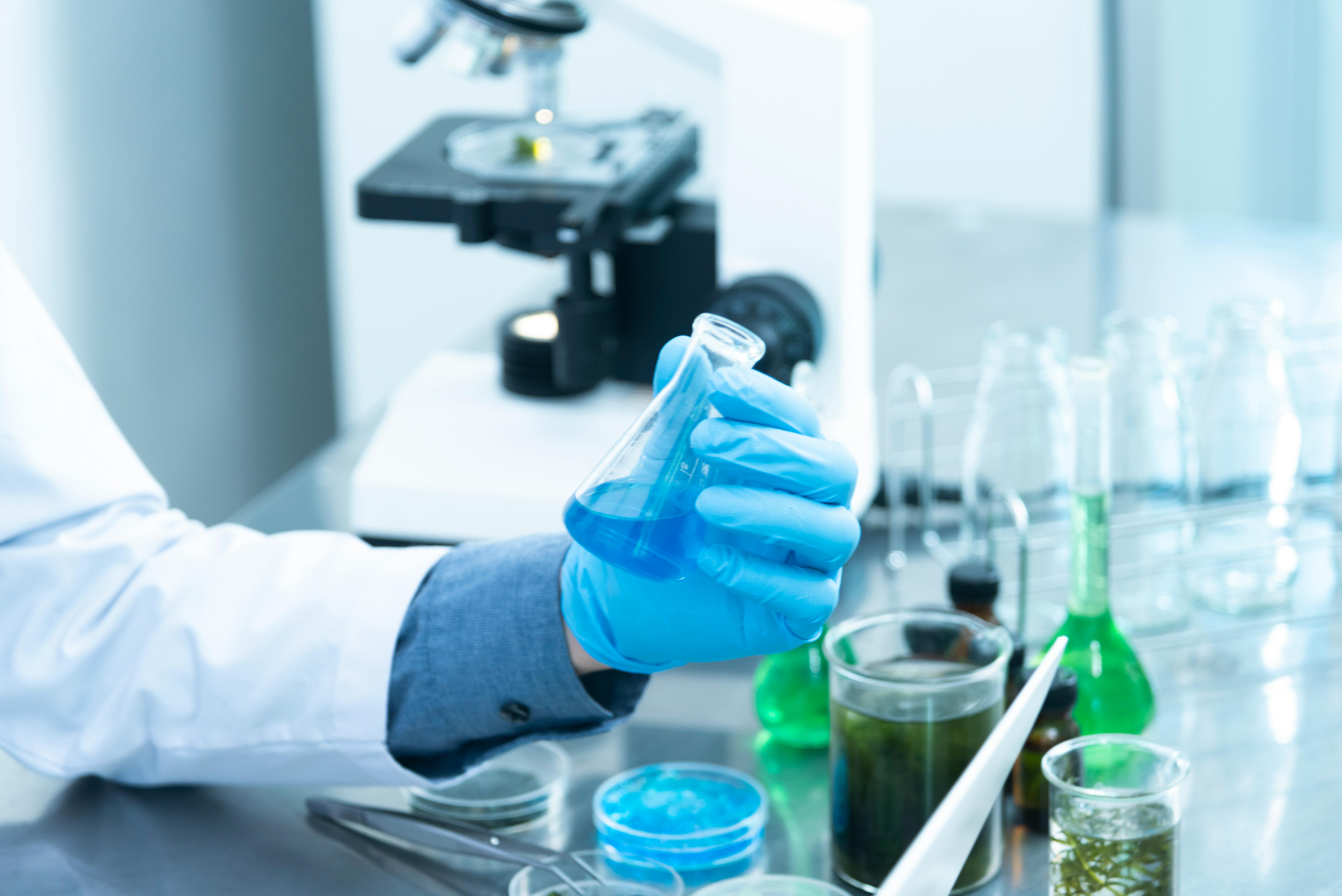
Across LinkedIn, X (Twitter), and YouTube, tutorials and case studies on AI‑designed proteins attract millions of views, from open‑source platforms such as OpenFold and Rosetta to commercial engines used by leading biotech companies. This surge in engagement reflects a deeper trend: the convergence of machine learning, structural biology, and computational chemistry into a new discipline of programmable biology.
Mission Overview: What Is AI‑Designed Protein and Molecule Discovery?
The mission of AI‑driven protein and molecule design is straightforward but ambitious: use algorithms to search the astronomical space of possible biological and chemical structures and identify candidates with precisely defined functions. In practice, this mission breaks down into several intertwined goals:
- Design proteins that fold reliably and remain stable under physiological or industrial conditions.
- Engineer binding interfaces for specific targets (e.g., viral proteins, tumor antigens, GPCRs, or cytokine receptors).
- Create enzymes that catalyze desired reactions, often more efficiently or selectively than natural enzymes.
- Generate small molecules with optimal potency, selectivity, solubility, and pharmacokinetic properties.
- Reduce the time and cost from target identification to preclinical candidate selection.
“Protein design is entering a new era in which computers can generate solutions that evolution never sampled.” — David Baker, Institute for Protein Design
Conceptually, AI‑driven discovery replaces large swaths of trial‑and‑error experimentation with model‑guided search: algorithms propose sequences, simulate or predict their behavior, and iteratively refine them according to explicit objectives.
Technology: How Generative AI Designs Proteins and Molecules
Under the hood, next‑generation protein and molecule design uses many of the same deep learning architectures that revolutionized language and image generation. These models learn rich representations of sequence, structure, and chemical graphs, then generate new examples that satisfy design constraints.
From Structure Prediction to Generative Design
AlphaFold, ESMFold, and related systems transformed structural biology by predicting 3D folds from amino‑acid sequences. Generative design goes a step further:
- Specify an objective (e.g., “bind to PD‑1 receptor with sub‑nanomolar affinity”).
- Generate candidate sequences or structures using a model conditioned on the objective.
- Score candidates in silico based on stability, binding energy, or other metrics.
- Iterate, refining candidates using optimization loops such as reinforcement learning or Bayesian optimization.
Key Model Classes
- Transformers for sequences Protein language models (e.g., ESM, ProtBert) are trained on millions of natural sequences, learning statistical patterns analogous to grammar in human language. They can:
- Score the “fitness” or plausibility of sequences.
- Fill in masked regions to propose mutations.
- Generate entirely new sequences conditioned on motifs or functions.
- Diffusion models for 3D structures Inspired by image diffusion models (e.g., Stable Diffusion), protein diffusion models progressively denoise random coordinates into plausible 3D backbones or side‑chain arrangements while satisfying geometry constraints.
- Graph neural networks (GNNs) for small molecules Atoms are nodes; bonds are edges. GNNs learn how molecular substructures relate to properties like lipophilicity, toxicity, or binding to a target pocket, then generate new graphs optimized for these properties.
- Reinforcement learning and Bayesian optimization These methods treat design as a search problem, where each proposed sequence or molecule receives a reward (e.g., predicted activity). The model updates its proposal strategy to maximize expected reward over time.
Cloud Platforms and Open‑Source Tooling
The ecosystem is expanding quickly, with both proprietary and open tools:
- Cloud‑hosted APIs from AI‑biotech companies for virtual screening and generative design.
- Open‑source frameworks such as Rosetta, OpenFold, and DiffDock, plus numerous GitHub projects that combine PyTorch, JAX, or TensorFlow with structural biology toolkits.
- Web‑based notebooks and courses that make it feasible for students and smaller labs to experiment with AI‑driven protein design.

The combination of scalable cloud computing and automated lab robotics enables tight feedback loops between in silico design and physical experimentation, an essential ingredient for reliable AI‑driven discovery.
Scientific Significance and Applications
AI‑designed proteins and molecules are not merely faster ways to do what chemists already do; they change what is scientifically possible. By exploring regions of design space far from naturally evolved sequences, AI can uncover unexpected solutions with unique properties.
Pharmaceutical and Therapeutic Innovation
Drug discovery has traditionally been slow, expensive, and failure‑prone. AI‑driven pipelines aim to:
- Identify novel drug candidates for previously “undruggable” targets.
- Design biotherapeutics (antibodies, cytokines, protein degraders) with improved specificity and reduced off‑target effects.
- Shorten hit‑to‑lead and lead‑optimization cycles from years to months or weeks.
Several AI‑generated small molecules have now entered preclinical testing, and a few are in early‑stage clinical trials, challenging the notion that AI is “only” a discovery aid.
Industrial Enzymes and Green Chemistry
AI‑designed enzymes are engineered for:
- Higher activity or specificity than natural enzymes.
- Stability at extreme temperatures, pH, or solvent conditions.
- Novel reactions with no known natural catalyst.
Examples include enzymes that break down PET plastics, catalysts for low‑energy synthesis of commodity chemicals, and biocatalysts for pharmaceutical intermediates that reduce hazardous reagents and waste.
Environmental and Synthetic Biology Applications
Beyond therapeutics, AI‑driven design supports:
- Proteins that capture and mineralize CO₂ or detoxify pollutants.
- Custom signaling domains for cell therapies and engineered immune cells.
- New metabolic enzymes for microbes that produce fuels, fragrances, or nutrients.
“We are moving from reading and editing genomes to writing biological function with increasing precision.” — George Church, Harvard Medical School
Milestones: From AlphaFold to AI‑First Drug Pipelines
The trajectory from structural prediction to generative design is marked by several key milestones over the past few years.
Key Milestones in AI‑Driven Design
- Breakthrough protein structure prediction (2020–2021) AlphaFold2 and later models demonstrated near‑experimental accuracy for many proteins, unlocking high‑confidence 3D structures for hundreds of thousands of previously uncharacterized proteins.
- Large‑scale protein language models (2021–2023) Models such as Meta’s ESM‑2 showed that unsupervised training on natural sequences can capture structural and functional information, supporting mutation effect prediction and zero‑shot function inference.
- End‑to‑end generative design frameworks (2022–2024) Academic and commercial groups released tools that couple generative models with docking, molecular dynamics, and property predictors to design proteins and small molecules in a closed loop.
- AI‑designed candidates entering the clinic Multiple companies have announced AI‑generated molecules advancing into Phase I trials, an important proof that AI designs can satisfy safety and efficacy criteria to regulatory standards.
Growing Ecosystem and Public Engagement
Engagement is amplified by social and professional platforms:
- Long‑form explainers in outlets like Nature’s AI and drug discovery collection.
- Technical blogs and LinkedIn posts by scientists such as Demis Hassabis and David Baker.
- Educational YouTube content like DeepMind’s AlphaFold lectures and walkthroughs from computational biology channels.
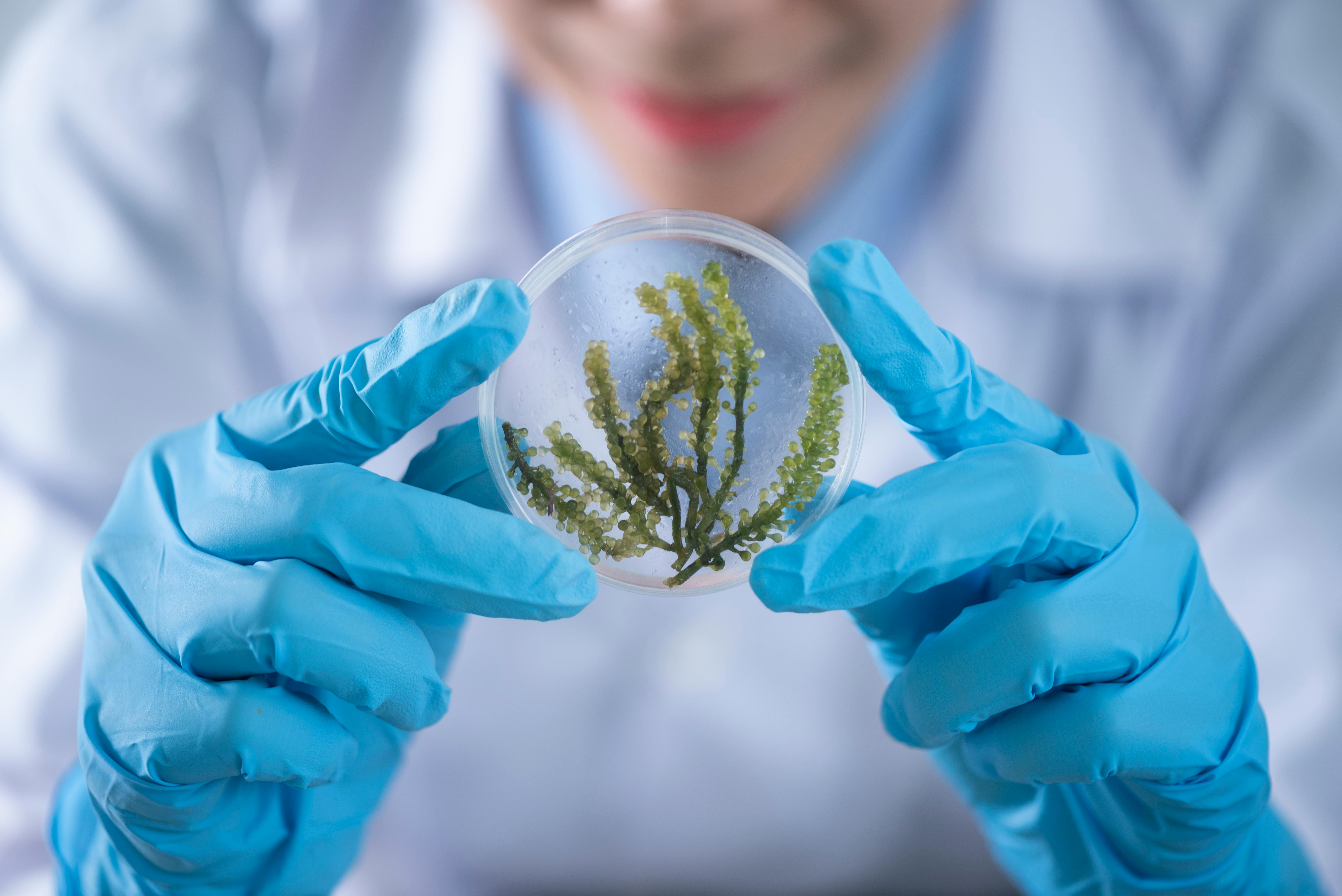
Such visual tools are critical for human‑in‑the‑loop validation, enabling domain experts to spot unrealistic geometries or binding poses that automated scoring functions may miss.
Typical AI‑Driven Discovery Workflow
While implementations vary across organizations, many AI‑first pipelines share a similar structure that couples computation and experimental validation.
End‑to‑End Workflow
- Target selection Identify a biological target (protein, pathway, receptor) linked to a disease or desired function, guided by omics data, literature, and pathway analysis.
- Data aggregation and curation Collect structural data, activity assays, sequence variants, and known ligands. Curate to remove errors, harmonize units, and standardize representations.
- Model training or fine‑tuning Train or adapt generative and predictive models on curated data, sometimes combining proprietary datasets with public repositories like the PDB or ChEMBL.
- In silico design and screening Use generative models to propose thousands to millions of candidates, then filter by predicted properties such as:
- Folding stability and aggregation risk.
- Binding affinity and selectivity.
- ADMET (absorption, distribution, metabolism, excretion, toxicity) profiles for small molecules.
- High‑throughput synthesis and testing Synthesize a prioritized subset of candidates. Test in binding assays, cell‑based assays, or, for enzymes, substrate‑conversion assays.
- Feedback and iteration Feed experimental results back into the models, improving predictive accuracy and tightening the design loop.
Hardware and Tools for Practitioners
Running these pipelines effectively often requires a combination of GPUs for model inference and automated lab hardware. For individual researchers or small labs, powerful yet accessible workstations are critical. Popular options in the U.S. include:
- GPU‑equipped desktops or laptops, such as the HP OMEN 17‑inch Gaming Laptop with NVIDIA RTX GPU , which provides sufficient GPU memory for many protein language models and docking workflows.
- High‑capacity external SSDs, like the Samsung T7 Portable SSD (1TB) , to store structural databases, model checkpoints, and simulation outputs with fast I/O.
Challenges: Hype, Safety, and Technical Limitations
Despite rapid progress, AI‑designed proteins and molecules face serious scientific, practical, and ethical challenges. A mature view must acknowledge both potential and limitations.
Scientific and Technical Challenges
- Distribution shift and generalization Models trained on natural proteins may struggle when venturing far from known sequence families, yielding designs that look plausible in silico but fail to fold or function in the lab.
- Incomplete biophysical modeling Simplified scoring functions or docking algorithms can miss subtle but critical effects—such as conformational flexibility, allostery, or long‑timescale dynamics.
- Data quality and bias Public datasets contain errors, uneven representation of protein families, and limited negative examples, all of which can bias design outcomes.
- Scalability of experimental validation Even with automation, wet‑lab assays remain a bottleneck; only a tiny fraction of in silico designs can be tested, creating selection biases.
Ethical, Regulatory, and Safety Considerations
As tools become more user‑friendly, concerns about dual‑use and oversight grow more urgent:
- Dual‑use risks The same methods that design therapeutic proteins could, in principle, be misused to design more stable or transmissible harmful agents. Responsible publication norms and access controls are being actively debated.
- Intellectual property and attribution Who owns an AI‑generated sequence derived from public data? How should credit be shared between model developers, data contributors, and experimentalists?
- Regulatory frameworks Agencies such as the FDA are developing guidelines on how to evaluate AI‑designed therapeutics, including requirements for transparency, reproducibility, and risk assessment.
- Overhyping early results Public communications can blur the line between promising in vitro results and clinically proven benefit, creating unrealistic expectations and investor bubbles.
“AI does not replace the need for careful experiments and rigorous validation; it changes where we focus those experiments.” — adapted from commentary in Nature on AI in drug development
Where the Field Is Heading Next
Looking ahead, AI‑driven protein and molecule design is likely to become more integrated, multimodal, and automated. Several trends are already visible.
Multimodal and Systems‑Level Design
Future models will simultaneously consider:
- Protein sequence and structure.
- Gene regulatory networks and cellular context.
- Patient‑level data such as genomics and transcriptomics.
This opens the door to designing entire pathways or cell therapies rather than single molecules, blending synthetic biology with precision medicine.
Closed‑Loop “Self‑Driving” Laboratories
By linking generative models to robotic labs and real‑time analytics, researchers envision “self‑driving” laboratories:
- AI proposes experiments (e.g., new protein variants).
- Robots execute experiments and measure outcomes.
- Results update the model, which proposes the next round.
Such systems could dramatically accelerate the exploration of design space, though human oversight will remain essential for safety and interpretability.
Democratization via Education and Tooling
As open‑source models and educational resources expand, more students, clinicians, and researchers will acquire basic literacy in AI for molecular design. For those getting started, accessible primers like “Deep Learning for the Life Sciences” provide a gentle yet rigorous introduction to the intersection of AI, chemistry, and biology.
Conclusion: A Powerful Tool, Not a Magic Wand
AI‑designed proteins and next‑generation drug discovery represent a genuine paradigm shift, but not because algorithms magically solve biology. Their true power lies in focusing human creativity and experimental resources on the most promising regions of an otherwise intractable design landscape.
When combined with rigorous biophysics, carefully curated data, and well‑designed experiments, generative models can reveal unexpected proteins, small molecules, and materials that nature never explored. Yet progress will remain uneven, and not every AI‑designed candidate will succeed in animals or humans. Ultimately, the future of this field will depend on balanced expectations, responsible governance, and sustained collaboration between computer scientists, chemists, biologists, ethicists, and regulators.
For practitioners and enthusiasts, the most productive mindset is to treat AI as a powerful collaborator: one that can generate bold hypotheses at unprecedented scale, but still needs human judgment, domain knowledge, and empirical testing to turn digital designs into real‑world cures and technologies.
As computation and experimentation continue to converge, the boundary between “designed on a computer” and “discovered in the lab” will grow increasingly blurred—ushering in an era where biology becomes an even more programmable medium.
Practical Resources and Next Steps for Learners
For readers who want to dive deeper or gain hands‑on experience with AI‑driven protein and molecule design, the following types of resources are especially useful:
- Online courses and lectures Look for offerings on platforms like Coursera, edX, and specialized workshops on computational structural biology and AI in drug discovery.
- GitHub repositories and tutorials Many research groups share code and notebooks illustrating how to run protein language models, perform docking, or build simple generative models.
- Community forums Engage with communities on platforms such as Reddit’s r/computationalbiology or specialized Slack and Discord servers to ask questions and share insights.
- Professional networks Following experts on LinkedIn and X (Twitter) is an efficient way to stay updated on new preprints, tools, and case studies. Notable voices include Demis Hassabis and leading labs in protein design and computational chemistry.
Building a solid foundation in statistics, linear algebra, and basic biochemistry will make it much easier to critically evaluate claims and contribute meaningfully to this rapidly evolving field.
References / Sources
The following resources provide deeper technical and conceptual background on AI‑designed proteins and next‑generation drug discovery:
- Service, R. F. “New AI tools help scientists design proteins.” Nature (2021).
- Nature Collection: Artificial intelligence and drug discovery.
- AlphaFold Protein Structure Database, DeepMind & EMBL‑EBI.
- Jumper, J. et al. “Highly accurate protein structure prediction with AlphaFold.” Cell (2021).
- Meta AI: ESMFold and large‑scale protein language models for structure prediction.
- Editorial: “How AI is revolutionizing drug discovery.” Nature (2023).
- DeepMind: AlphaFold — Using AI for scientific discovery (YouTube).
These sources cover both foundational concepts and the latest developments as of late 2024 and 2025, and they are regularly updated with new methods and case studies.
