
How AI Playlists Are Rewriting Music Discovery (And What It Means for Artists and Listeners)
Music discovery is rapidly shifting from static playlists and radio-style programming to hyper-personalized, AI-curated listening experiences. Streaming platforms now use advanced recommendation algorithms and generative AI to build dynamic, mood-based playlists that shape how listeners find new tracks and how artists break out in a data-driven ecosystem.
Executive Summary
Streaming services like Spotify, Apple Music, YouTube Music, and Deezer are betting heavily on hyper-personalized playlists and AI-assisted curation. Instead of a single “top hits” list, users now see an array of dynamic mixes tuned to their tastes, moods, and routines—Discovery Weekly–style lists, daily mixes, focus and workout playlists, plus algorithmic radio stations that evolve in real time.
These systems ingest billions of listening events—skips, replays, saves, playlist adds, shares, and even time-of-day patterns—to decide what each listener hears next. Increasingly, platforms are layering generative AI and conversational interfaces (“play something like what I listened to last night but more upbeat”) on top of traditional recommendation models.
For listeners, the result is lower friction and broader discovery, but also the risk of algorithmic “filter bubbles.” For artists and labels, algorithmic placements have become one of the most powerful discovery levers, shaping release strategies, song structure, and marketing tactics. And for the industry overall, AI-curated music raises critical questions about transparency, fairness, and the future of creative work.
- Streaming platforms now rely on large-scale behavioral data and AI to build hyper-personalized playlists.
- Listening is shifting from albums and artists to context- and mood-based playlists.
- Algorithmic playlist placement can make or break a track’s exposure, influencing artist release strategies.
- Generative AI is enabling conversational DJs, adaptive soundtracks, and fully AI-generated background music.
- Concerns around transparency, bias, and artistic control are intensifying as algorithms become cultural gatekeepers.
From Editorial Playlists to Hyper‑Personalized AI Curation
Traditional music discovery relied on radio programmers, critics, and editorial teams at labels and magazines. Streaming introduced the first wave of curated playlists—editorial “New Music Friday”–type lists and genre hubs. The current phase is more radical: each listener effectively gets their own evolving “micro-radio station” powered by AI.
On platforms like Spotify and Apple Music, users see a portfolio of “Made for You” playlists that change weekly, daily, or even session by session. These lists integrate:
- Discovery playlists that surface new or lesser-known tracks aligned to past listening.
- Daily or weekly mixes blending favorites with fresh candidates.
- Mood/activity lists (focus, workout, sleep, commute) tuned to tempo, energy, and acoustic traits.
- Event-driven compilations for holidays, seasons, or cultural moments.
The underlying engines combine several machine learning approaches: collaborative filtering, content-based audio analysis, and increasingly, language models that understand playlist titles, descriptions, and user prompts.
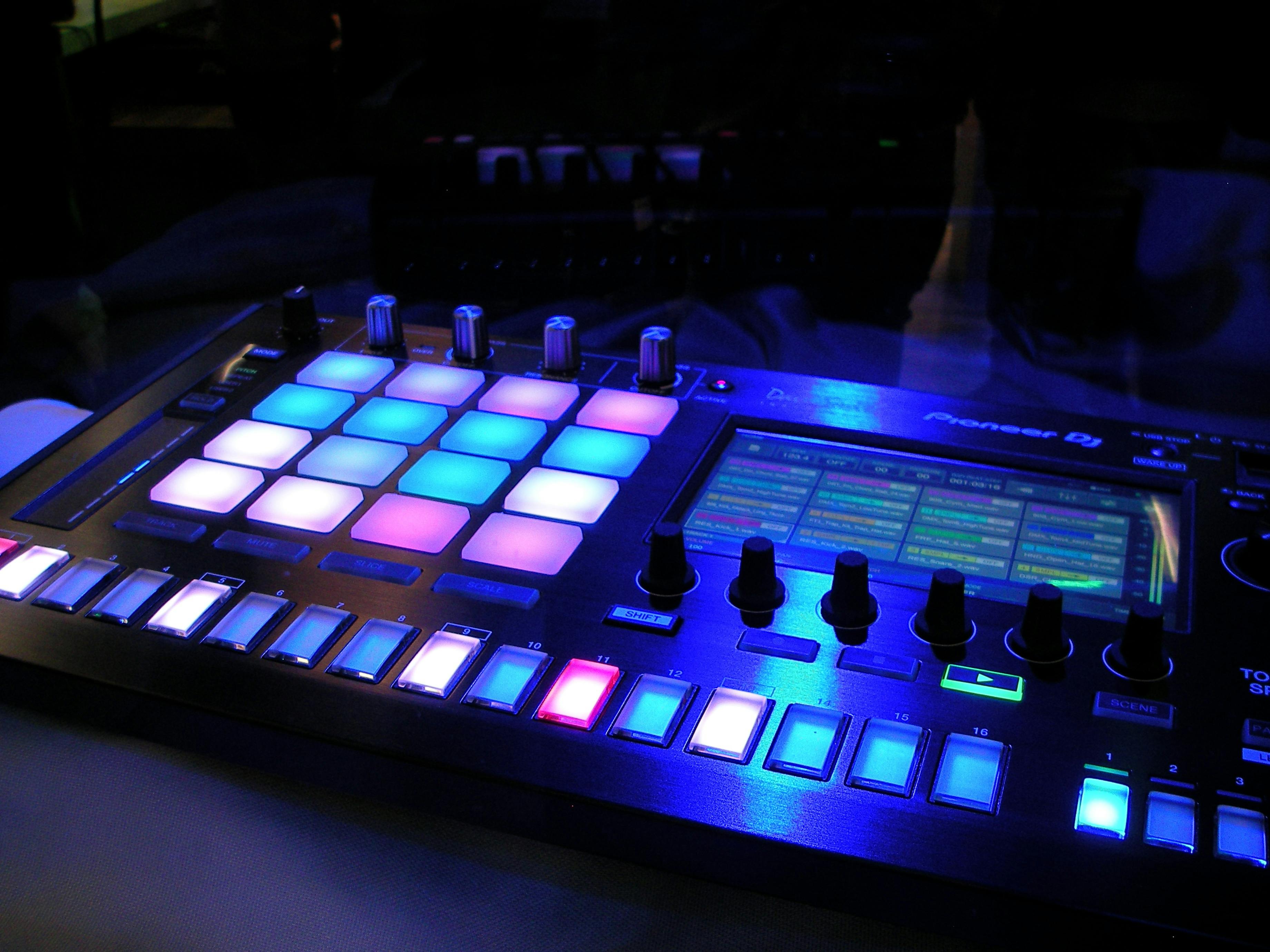
“Recommendation engines have quietly become some of the most powerful cultural algorithms on the planet, defining what millions of people hear every day.”
Inside the Recommendation Engine: Data Signals and Behavioral Feedback
Modern music recommenders treat every interaction as a signal. Simple play counts are no longer enough; platforms observe how, when, and why users engage with tracks. Over time, this builds a high-dimensional representation of each listener’s tastes and contexts.
Core Behavioral Signals Platforms Track
- Skips (especially in the first 5–30 seconds) as strong negative feedback.
- Full listens and replays as positive affinity signals.
- Playlist adds and library saves as commitment indicators.
- Shares and social interactions as viral potential markers.
- Session context: time of day, device type, location, and connected hardware (e.g., car vs. headphones).
- Sequence patterns: what users tend to play before and after specific tracks.
Platforms then layer content-based analysis on top of user behaviors: audio fingerprinting, tempo, energy level, valence (mood), instrumentation, and vocal presence. This enables “play something similar” features even for new tracks with limited interaction data.
Example: Key Metrics That Can Influence Algorithmic Visibility
| Metric | Description | Impact on Recommendations |
|---|---|---|
| Skip rate (0–30s) | Share of plays skipped early in the track. | High early-skip rate can significantly reduce exposure in discovery playlists. |
| Completion rate | Percentage of streams played to near the end. | Strong completion correlates with user satisfaction, boosting recommendation priority. |
| Save/add rate | Ratio of library saves or playlist adds per 1,000 streams. | Signals deeper engagement; tracks with high save rates often get pushed to more users. |
| Session depth | How long users keep listening after being served a track. | Tracks that keep people in-session are favored for auto-play and radio features. |
While exact ranking formulas are proprietary, industry research and public comments from platforms consistently highlight these engagement metrics as key levers in algorithmic discovery.
Generative AI and Conversational DJs: The Next Layer of Personalization
Beyond predictive recommendations, platforms are now deploying generative AI to create more interactive and adaptive experiences. Instead of just picking tracks from a catalog, AI can increasingly:
- Respond to natural language prompts (“chill electronic songs like last Friday’s playlist but with more vocals”).
- Generate DJ-style commentary that references user history and preferences.
- Adjust playlist energy in real time based on feedback (thumbs up/down, skips, or explicit commands).
- Create background soundscapes that blend seamlessly for focus or sleep.
Some experimental apps already integrate biometric inputs—such as heart rate from wearables—to match tempo and energy to the listener’s physical state, generating adaptive workout or relaxation soundtracks.

For users, the experience begins to feel less like picking songs from a library and more like steering an intelligent, responsive soundtrack—one that understands context and adapts as the day unfolds.
How Hyper‑Personalized Playlists Are Reshaping Listener Behavior
One of the most profound shifts is psychological: many listeners no longer think in terms of albums or even specific artists. Instead, they think in terms of moods, contexts, and tasks—“music for background focus,” “high-energy tracks for the gym,” or “calm playlists for sleep.”
From Albums to Context-First Listening
- Albums become reference points, but day-to-day listening is dominated by mixes and mood playlists.
- Listeners are more willing to sample unknown tracks when discovery is low-friction and reversible.
- Long-term “favorite artist” loyalty may weaken as catalogs blur into algorithmic flows.
At the same time, personalized recommendations can create what some researchers call a “comfort zone effect”: the system tends to feed more of what has worked in the past, unless deliberately nudged to explore.
Balancing Diversity and Filter Bubbles
To avoid stagnation, most platforms deliberately inject a controlled amount of novelty into personalized playlists. This might be:
- New releases similar to past favorites.
- Tracks popular among users with similar taste profiles.
- Occasional genre or language experiments to probe new interests.
The exact diversity–relevance balance is a strategic choice. Too much novelty, and users disengage; too little, and discovery stalls. In practice, this balance varies by playlist type (e.g., discovery-focused vs. comfort-listening mixes).

For Artists and Labels: Algorithmic Playlists as Critical Discovery Channels
For many artists, landing on a prominent algorithmic playlist can rival—or even exceed—the impact of traditional radio spins or press coverage. A single placement in a major personalized mix can expose a track to millions of listeners in just a few days.
Why Playlist Placement Matters
- Scale: Personalized playlists reach vast audiences simultaneously, across regions and demographics.
- Compounding effects: Early algorithmic boosts can increase streams, which in turn feed more positive signals back into the system.
- Cross-platform spillover: Successful tracks on one platform often get picked up by others, plus user-generated content on social apps.
How Artists Are Adapting Release Strategies
The logic of recommendation algorithms has started to shape how artists and labels plan releases and even how songs are structured:
- Singles over albums: A steady stream of singles and remixes keeps artists visible in recommendation feeds more effectively than infrequent long-form albums.
- Attention to intros: Producers focus heavily on the first 5–15 seconds to reduce skip rates and increase completion.
- Shorter tracks: In some genres, average track length has decreased, balancing replayability with listener attention spans.
- Consistent branding: Cohesive sonic and visual identity across releases helps algorithms and fans recognize an artist’s “signature.”
Comparing Discovery Channels for Emerging Artists
| Channel | Strengths | Limitations |
|---|---|---|
| Algorithmic playlists | Scalable, data-driven, can compound quickly when metrics are strong. | Opaque criteria, high competition, fragile if metrics dip. |
| Editorial playlists | Curatorial prestige, genre storytelling, human taste. | Limited slots, more gatekeeping, may not adapt quickly. |
| Social & short-form video | Viral potential, direct fan engagement, meme-driven discovery. | Unpredictable, trend-dependent, not always sustainable. |
| Live shows & touring | Deep fan relationships, higher-value engagement. | Geographically limited, higher costs, slower scale. |
In practice, successful artists blend these discovery channels rather than relying on any single one. Algorithmic placements can spark awareness; live shows, social content, and community-building convert that awareness into durable fandom.
Transparency, Fairness, and Artistic Control in an Algorithmic Ecosystem
As AI-curated playlists consolidate power over what people hear, concerns about fairness and accountability have intensified. Artists, independent labels, and listeners raise questions such as:
- Do algorithms disproportionately favor major-label catalogs or certain genres?
- How can artists understand or influence the factors behind their visibility?
- Are “background music” use cases devaluing albums as cohesive artistic statements?
- What happens to niche or experimental genres in a system optimized for mass engagement?
“When a few opaque systems decide what the world hears, questions of bias and representation become cultural questions, not just technical ones.”
In response, some platforms have introduced limited transparency tools, like analytics dashboards that show where streams come from (e.g., search, personal library, algorithmic playlists, editorial lists). Still, the underlying ranking logic remains largely black-box, and there is ongoing debate about potential conflicts of interest between platform-owned playlists and commercial incentives.
Meanwhile, artists are experimenting with ways to retain more agency—through direct-to-fan platforms, subscriber communities, and alternative discovery ecosystems that place human curation or community input ahead of algorithmic optimization.
AI‑Generated Music and Adaptive Soundtracks: Emerging Frontiers
A parallel development to AI-powered curation is AI-powered creation. Machine learning models can already generate stylistically coherent instrumental tracks, ambient loops, and background scores in response to text prompts or reference songs.
In the near term, many of these AI-generated tracks will likely occupy utilitarian roles—background music for videos, games, retail environments, and focus playlists—rather than replacing marquee artists. However, as models improve, the boundary between “playlist curator” and “music generator” will blur.
Adaptive and Biometric Playlists
Experimental apps and games already use biometric or contextual data to shape soundtracks in real time:
- Heart rate–responsive workout playlists that push tempo as intensity rises.
- Relaxation apps that slow tempo and simplify textures as users calm down.
- Interactive narratives that change musical themes in response to player choices.
In such systems, AI is not just curating from a static library but dynamically generating or rearranging music to fit moment-by-moment changes in user state.
Actionable Strategies for Artists, Labels, and Platforms
Hyper-personalized playlists and AI-curated discovery are not going away; they are becoming the default fabric of digital music. Artists, labels, and even listeners can respond strategically to get more value from this ecosystem.
For Artists and Independent Labels
- Optimize for the first 30 seconds without sacrificing authenticity.
Craft intros that quickly signal the track’s vibe and hook. Aim to reduce early skip rates while staying true to your artistic identity. - Release regularly and strategically.
Rather than dropping one large album every few years, consider a cadence of singles, EPs, and remixes that create multiple “entry points” for algorithms and listeners. - Leverage platform analytics.
Use available dashboards to understand where streams originate and which tracks drive saves, playlist adds, and repeat listening. Double down on what resonates. - Build direct channels alongside streaming.
Newsletter lists, fan clubs, Discord communities, and social accounts can reduce overreliance on opaque recommendation systems. - Collaborate across genres and regions.
Cross-genre or cross-market collaborations can expose your catalog to entirely new taste clusters within algorithmic systems.
For Platforms and Product Teams
- Increase transparency and control.
Offer artists clearer diagnostics and give listeners more explicit controls (e.g., exploration sliders, genre opt-ins/outs). - Design for diversity and serendipity.
Intentionally include novelty and underrepresented catalogs in personalized flows to avoid cultural homogenization. - Respect context and consent.
When using biometrics or sensitive contextual data, prioritize privacy, opt-in mechanisms, and user understanding.
For Listeners
- Actively use feedback tools (likes, hides, “never play this again”) to shape recommendations.
- Periodically explore outside your usual mixes using genre hubs, editorial playlists, or independent radio.
- Support artists you love through direct purchases, merch, and show attendance, not just passive streams.
Looking Ahead: Creativity in an Algorithm‑Driven Music World
Hyper-personalized playlists and AI-curated discovery are fundamentally reshaping how music is created, distributed, and consumed. Algorithms are now central cultural gatekeepers, deciding which sounds fill commutes, workouts, and late-night focus sessions.
The challenge for the industry is to harness the efficiency and reach of these systems without ceding too much creative and economic power to opaque models. That means:
- Platforms investing in transparency, diversity, and user/artist agency.
- Artists learning to navigate and influence recommendation ecosystems while maintaining artistic integrity.
- Listeners staying conscious of how algorithms shape their taste and intentionally seeking out varied voices.
As generative AI expands beyond curation into composition, the definition of “music discovery” will broaden again—from finding existing artists to co-creating personalized soundscapes with intelligent systems. In that future, human creativity, storytelling, and cultural context will remain irreplaceable anchors, even as algorithms orchestrate more of what we hear.
