
How AI-Generated Music and Virtual Artists Are Reshaping Spotify, TikTok, and the Future of Digital IP
Executive Summary: AI Music Becomes a Mainstream IP & Platform Battleground
AI-generated music and virtual artists have moved into the mainstream on Spotify, YouTube, and TikTok, transforming how tracks are created, distributed, monetized, and policed. Accessible AI tools now let users generate full songs from text prompts, while virtual performers and synthetic voices are going viral across short-form video platforms. At the same time, labels, rights holders, and platforms are locked in complex legal and policy debates over training data, vocal likeness rights, and revenue sharing for AI-assisted works.
For creators, platforms, investors, and Web3 builders, AI music is no longer a curiosity—it is an emerging asset class, a new form of digital IP, and a powerful experimentation ground for tokenized rights, programmable royalties, and on-chain attribution systems.
- AI music tools have dramatically lowered the barrier to music production, enabling “prompt-to-track” workflows in minutes.
- Virtual artists and synthetic voices are attracting large audiences, sponsorships, and platform experiments, especially on TikTok and YouTube Shorts.
- Legal friction over training data, vocal deepfakes, and copyright is accelerating calls for new rights frameworks and content labeling.
- Listenership for AI-generated background music (e.g., lo-fi, ambient, study beats) is growing steadily on streaming platforms.
- Web3-native approaches—on-chain licensing, NFT-gated stems, and programmable splits—offer tools for resolving attribution and monetization in an AI-first world.
From Niche Experiments to Platform Priority: The 2024–2025 AI Music Shift
Between 2024 and 2025, AI-generated music crossed a structural threshold: it is no longer limited to research demos or niche communities. Tracks built with generative models now reach millions of listeners via editorial playlists, algorithmic feeds, and viral TikTok sounds.
This shift is driven by three converging trends:
- Tooling maturity – Text-to-music and voice models have become fast, cheap, and user-friendly.
- Distribution leverage – TikTok, Reels, and Shorts favor rapid experimentation and memetic content, ideal for AI remixes and mashups.
- Economic pressure – Platforms seek cheap, scalable catalogs; creators seek speed; labels seek new monetization formats.
“Generative AI’s impact on media is not only about automation—it is about entirely new product categories, rights models, and workflows.” – McKinsey Digital Media Brief, 2024
While numbers vary by platform, internal and third-party estimates suggest AI-assisted or AI-generated music already accounts for a meaningful share of uploads in some categories (lo-fi, ambient, background), even if not always labeled as such.
The New AI Music Stack: From Text Prompts to Release-Ready Tracks
Modern AI music creation spans several layers: composition, sound design, vocals, and production assistance. Together, they enable near-instant track generation and iterative human-AI collaboration.
1. Prompt-to-Music Generators
Generative models now translate natural language into full arrangements:
- Users specify mood, tempo, genre, or era, such as “melancholic 90 BPM R&B with analog synth pads”.
- Systems output 30–120 second clips that can be looped, extended, or re-prompted.
- Advanced tools allow structure control (intro/verse/chorus), stem separation, and chord guidance.
This eliminates the need for basic instrumental production skills, particularly for background-use cases (ads, podcasts, vlogs, gaming streams).
2. AI Vocals and Synthetic Voices
One of the most controversial layers is voice modeling:
- Generic synthetic voices – AI singers with no real-world counterpart, often used for virtual idols or anonymous projects.
- Style-transfer models – Systems mimicking timbre and phrasing of specific artists (legally sensitive, often restricted or banned by TOS).
These capabilities power “AI x [Artist]” tracks that have repeatedly gone viral, triggering takedown waves and policy updates from major platforms and labels.
3. Production, Mixing & Mastering Assistance
Even for skilled producers, AI increasingly handles:
- Automatic mix suggestions (EQ, compression, reverb).
- Stem extraction for remixes and sampling.
- Arrangement proposals that re-order or enhance sections.
Many professionals now treat AI as a “co-producer” and quality-control layer, accelerating timelines while preserving artistic control.
Human + Machine: Real-World AI Music Workflows
Contrary to dystopian narratives, most successful AI music today involves tight human oversight rather than fully autonomous generation.
Typical Hybrid Workflow
- Ideation – The artist uses a text prompt or reference track to generate a draft instrumental or melodic motif.
- Selection – They curate the best outputs, often blending multiple seeds into one cohesive piece.
- Human performance – Vocals, live instruments, or custom sound design are recorded on top.
- AI-assisted polishing – Tools suggest mix tweaks, stem balances, and loudness targets.
- Release and iteration – Listener response data guides future prompts and stylistic refinement.
This workflow increases throughput without necessarily diluting artistic voice, especially when artists design bespoke model presets or fine-tune on their own catalogs.
Case Study: Lo-Fi AI Playlists
On Spotify and YouTube, “study beats” and “ambient focus” channels often rely on:
- AI-generated backing tracks for volume and diversity.
- Human curation to maintain consistent aesthetic and quality.
- Automated mastering for large batch uploads.
While listener awareness of AI involvement may be low, the business model is clear: high output, algorithm-friendly consistency, and long engagement times per session.
Market Metrics: Scale, Genres, and Listener Behavior
Public data on AI-generated tracks is fragmented, in part because many works are not labeled. However, platform disclosures, analytics firms, and independent research offer directional insights.
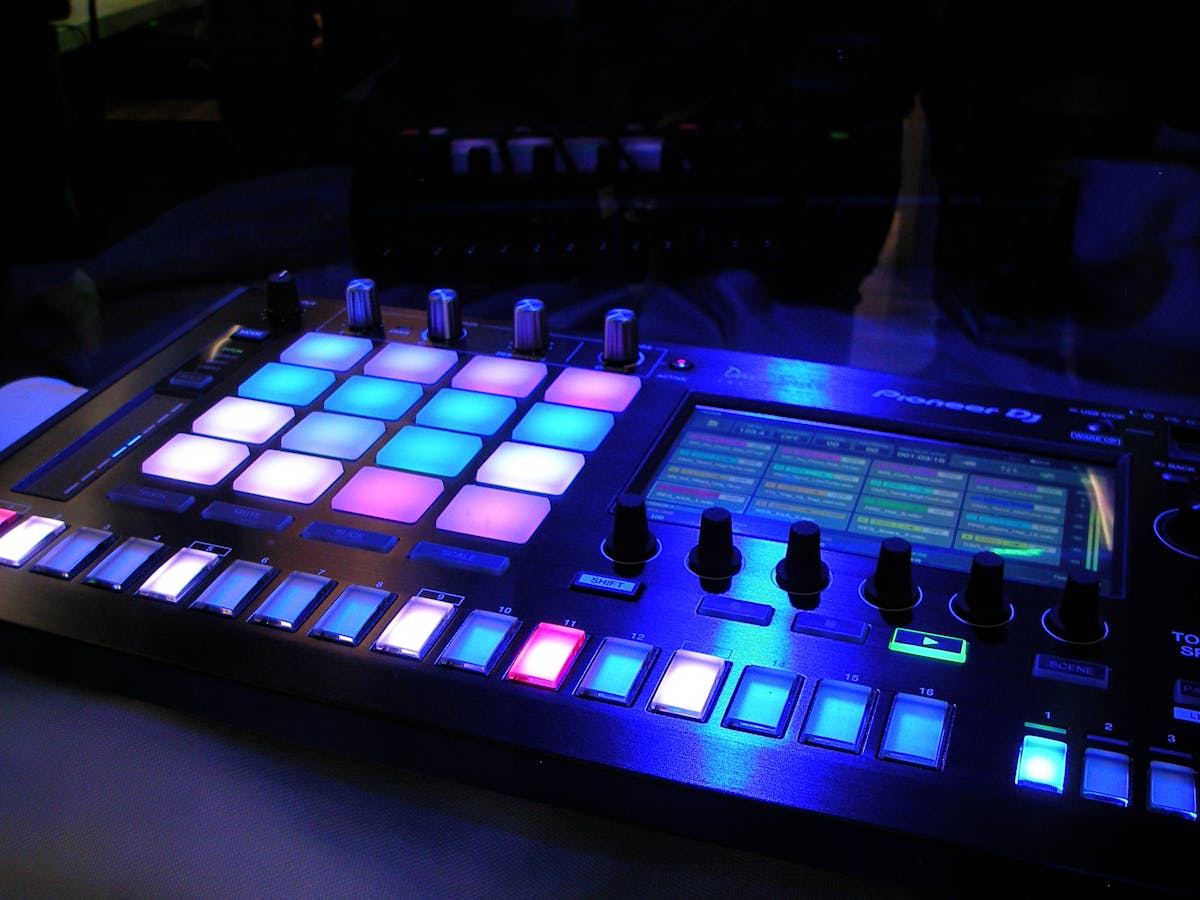
Estimated AI Music Penetration by Use Case
The following table summarizes industry estimates and analyst commentary from late 2024 to 2025 (aggregated from public interviews, platform statements, and research notes):
| Use Case / Category | Estimated Share of New Uploads Involving AI* | Typical Platforms |
|---|---|---|
| Lo-fi / study beats | 30–50% | Spotify, YouTube, TikTok |
| Short-form meme remixes | 40–60% | TikTok, Reels, Shorts |
| Virtual idol / synthetic vocal projects | Growing from low base; double-digit annual growth | YouTube, Twitch, regional platforms |
| Mainstream label releases | Single-digit %, mostly in production assistance | All major DSPs |
*Estimates compiled from platform statements, analyst reports (e.g., MIDiA Research), and interviews; exact numbers vary.
Listener Behavior Shifts
- Function-first listening – For tasks like studying and sleeping, listeners often prioritize mood and duration over authorship.
- Platform trust – For many users, if a track appears on Spotify or TikTok, it is implicitly “legit,” regardless of whether it’s AI-generated.
- Viral novelty – AI mashups and deepfake-style remixes gain attention precisely because of the technology, not despite it.
These dynamics influence how platforms, labels, and regulators think about disclosure, labeling, and content caps for synthetic music.
Virtual Artists: Synthetic Performers as Scalable IP
Virtual artists—fictional performers with AI-generated music, synthetic vocals, and digitally rendered personas—are rapidly becoming investable brands. Unlike human artists, they can release content 24/7, appear in multiple languages, and participate in immersive virtual environments.

Business Model Anatomy of a Virtual Artist
- Content Engine – AI-assisted tools generate songs, remixes, and language-localized versions at high frequency.
- Avatar & Lore – A team designs visuals, backstory, and personality, often crowdsourcing feedback from the fanbase.
- Monetization Stack:
- Streaming revenue from Spotify, Apple Music, YouTube Music.
- Brand deals and in-video product placement.
- Live-streamed concerts and tipping on platforms like Twitch or regional equivalents.
- Merch, digital collectibles, and increasingly, NFTs or token-gated experiences.
AI, Web3, and Virtual Artist Ownership
Web3-native teams are experimenting with fractionalized ownership of virtual artists via:
- Tokenized IP rights – Governance tokens representing participation in creative decisions.
- On-chain royalty splits – Smart contracts automatically distributing revenue across contributors (visual artists, producers, model trainers).
- Fan-created canon – NFT-gated communities that co-write lore, story arcs, and side characters.
These models raise regulatory questions around securities law and IP enforcement, but they also align well with AI-native production where contributions are modular and composable.
Legal and Ethical Frontiers: Training Data, Vocal Likeness, and Revenue Splits
Legal frameworks have not fully caught up with AI-generated music. The friction centers on three issues: training data, vocal likeness rights, and credit/compensation for hybrid works.
1. Training on Copyrighted Catalogs
Most high-performing generative music models were trained, at least initially, on large datasets that include copyrighted recordings. Rights holders argue that:
- Training on their music without consent is an unauthorized use of their property.
- Outputs that emulate specific styles could constitute derivative works.
AI developers often counter that model training is a transformative, non-expressive use akin to reading and learning. Courts in multiple jurisdictions are beginning to address these questions, with outcomes likely to shape future licensing markets for training sets.
2. Vocal Likeness and Deepfake Songs
AI tracks imitating the voices of famous artists have triggered widespread takedowns and policy updates. Core debates include:
- Right of publicity – Does a singer “own” their voice strongly enough to prevent AI cloning?
- Parody vs. deception – When is an AI song protected satire versus misleading deepfake?
- Platform liability – Are platforms responsible for proactive detection of cloned voices?
Some jurisdictions are moving toward explicit “voice rights” and deepfake labeling requirements, mirroring trends in AI-generated video regulation.
3. Attribution and Revenue Splits
When an AI system, a human prompter, a producer, and a mastering engineer all contribute, traditional authorship models strain. Emerging frameworks include:
- Prompt-as-authorship – Treating the human directing the AI as the primary author.
- Tool-as-service – Treating AI providers like instrument manufacturers, earning fees but not royalties.
- Data-contributor compensation – Future systems may direct a portion of revenue back to rights holders whose works shaped the model.
Web3-based registries and smart contracts could encode these roles and splits transparently, but standardization and adoption remain open challenges.
Spotify, TikTok, and DSP Responses: Detection, Labeling, and Caps
Major platforms face a balancing act: embrace AI content to satisfy creators and users, while managing legal risk and preserving catalog quality.

Common Platform Measures (2024–2025)
- Content labeling – Voluntary or mandatory flags for “AI-assisted” or “fully synthetic” tracks.
- Detection tools – ML systems to spot known deepfake voices or infringing samples.
- Upload policy updates – Explicit bans on unauthorized vocal clones or style transfer based on specific artists.
- Quota systems – Internal measures to prevent catalog flooding by low-quality, fully automated uploads.
| Platform | AI Policy Direction | Key Risk Focus |
|---|---|---|
| Spotify & major DSPs | AI labeling, curated playlists, takedown cooperation with labels | Copyright infringement, catalog spam, royalty dilution |
| TikTok / short-form video | In-app AI tools, sound library segmentation, evolving disclosure rules | Deepfakes, viral misuse of artists’ likeness, moderation load |
| YouTube | Content ID extensions to AI, partnerships with labels for experiments | Rights management, creator transparency, advertiser safety |
Over the next few years, expect increasingly granular segmentation: dedicated AI-music shelves, specific licensing products for AI training, and potentially premium “human-only” playlists for marketing differentiation.
Where Crypto and Web3 Fit: On-Chain Rights, Royalties, and Attribution
AI music intersects naturally with blockchain and crypto because both deal with digital-native assets, programmable rights, and global coordination among pseudonymous participants.

1. On-Chain Music Rights and NFTs
Web3 projects have already experimented extensively with tokenizing music rights:
- Master rights NFTs that represent ownership or revenue rights to a particular recording.
- Stem NFTs where individual instrument tracks can be licensed and remixed with on-chain permissions.
- Access NFTs providing gated entry to unreleased tracks, AI tools, or collaborative sessions.
For AI-generated music, these primitives could encode not only rights but also the provenance of training data, prompts, and model configuration.
2. Programmable Royalties and Contributor Splits
DeFi-style smart contracts allow:
- Automatic, real-time royalty payouts to all contributors on a track whenever streaming revenue, sync deals, or NFT sales occur.
- Dynamic split adjustment based on listener engagement, remix success, or community voting.
- Transparent histories showing exactly how value flows, a major upgrade over opaque traditional royalty statements.
For AI-assisted works, this solves a practical problem: many micro-contributions can be recognized and compensated without manual accounting overhead.
3. Attribution Registries and Content Fingerprinting
On-chain registries can:
- Store hashes of audio files, stems, and model parameters as immutable references.
- Offer open APIs for platforms to verify whether a given track or vocal clone is authorized.
- Enable decentralized dispute resolution when attribution or rights are contested.
Combining these registries with AI-based audio fingerprinting and oracles can bridge Web2 streaming platforms with Web3 rights infrastructure.
Actionable Strategies for Creators, Labels, Platforms, and Web3 Builders
Stakeholders across the ecosystem can move beyond reactive debates by adopting structured AI music strategies today.
For Independent Creators
- Define clear AI boundaries – Decide what parts of your workflow will be AI-assisted vs. human-only, and communicate this to your audience.
- Maintain high-quality control – Treat AI outputs as drafts; refine arrangements, performance, and mixing manually.
- Document your process – Keep logs of prompts, models, and datasets; this can support future rights claims or collaborations.
- Diversify revenue – Explore NFT drops, token-gated fan clubs, or on-chain royalty splits to complement streaming income.
For Labels and Rights Holders
- Establish AI licensing frameworks – Develop standardized terms for training data access and AI-powered remix rights.
- Experiment with virtual artists – Launch controlled pilots with transparent branding and explicit AI disclosures.
- Leverage Web3 for catalog monetization – Tokenize back catalog rights or stems where appropriate, with robust legal structuring.
- Invest in detection and analytics – Use AI to monitor unauthorized clones and track AI-assisted usage of your catalog.
For Platforms (Spotify, TikTok, YouTube)
- Implement granular labeling – Distinguish between AI-assisted and fully synthetic tracks; surface this info in APIs as well.
- Create AI-native product surfaces – Dedicated sections or playlists for AI music can absorb experimentation without diluting core catalogs.
- Integrate with on-chain registries – Use blockchain-based identifiers for track provenance, licensing status, and rights splits.
- Balance openness with caps – Manage upload volume and catalog quality without stifling legitimate creator experimentation.
For Web3 and Crypto Builders
- Design protocol-level standards – Define schemas for AI-related metadata (model used, prompt hash, training data licensing) baked into NFT or token standards.
- Focus on composable rights – Build systems where stems, samples, and virtual artist personas can be licensed and remixed with predictable on-chain economics.
- Prioritize UX and legal clarity – Make wallet flows, rights explanations, and off-chain integrations intuitive and compliant.
- Collaborate with AI labs – Co-develop attribution-friendly models that are compatible with on-chain licensing primitives.
Key Risks and Constraints to Monitor
While the opportunity is significant, AI-generated music and virtual artists carry material risks that investors, builders, and creators should actively manage.
- Regulatory uncertainty – Outcomes of high-profile AI copyright cases and deepfake legislation could reshape business models overnight.
- Reputational backlash – Over-automation or exploitative uses of likeness can trigger fan and artist boycotts.
- Platform dependency – Heavy reliance on TikTok or Spotify algorithms makes revenue streams vulnerable to policy shifts.
- Data and model concentration – A small number of AI providers may control core infrastructure, creating systemic dependencies.
- Security and fraud – On-chain rights and tokens can be targets for smart contract exploits or phishing attacks if poorly implemented.
Proactive governance, transparent communication, and defense-in-depth security practices are non-negotiable for serious participants.
Outlook: AI Music as a New Digital Asset Class
AI-generated music and virtual artists will not replace human creativity; they will instead reorganize how creativity is produced, financed, and monetized. For platforms, labels, and Web3 innovators, this is an opportunity to architect a new stack for music rights—one that is more transparent, programmable, and global than the legacy system.
Over the next 3–5 years, expect:
- Standardized AI content labels across major DSPs and social platforms.
- Licensed datasets and “clean” model marketplaces for commercial AI music creation.
- Growth in virtual artist ecosystems, including tokenized IP and community-driven lore.
- Deeper integration between streaming platforms and on-chain rights registries.
Stakeholders who engage thoughtfully with both AI and Web3—treating them as complementary layers rather than opposing forces—will be best positioned to shape (and benefit from) the next era of digital music and creator economies.
For deeper technical and market insights, consult resources such as Messari, CoinDesk, The Block, and leading AI-music protocol documentation as the space continues to evolve.
