
History at the Top: Devon Conway and Tom Latham’s Twin-Ton Masterclass Shreds West Indies Records
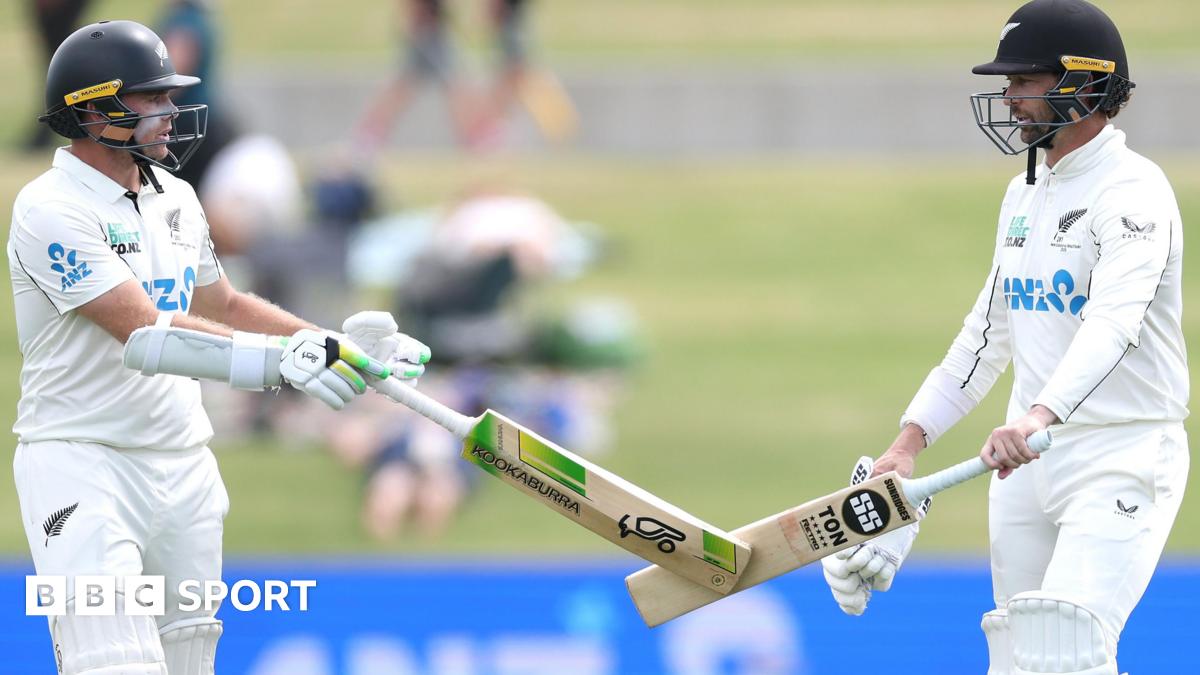
Devon Conway and Tom Latham made Test cricket history by becoming the first opening pair to score centuries in both innings of the same match, powering New Zealand to a dominant position and setting West Indies a record 462-run target in a commanding Test performance. In a sport obsessed with numbers and milestones, this was one of those rare days where the scoreboard told the story of absolute top-order domination.
Historic Twin Tons: Why Conway and Latham’s Feat Matters
Two hundreds in a Test match is rare. Two openers doing it together in both innings had never happened before this New Zealand–West Indies clash. Conway and Latham didn’t just set up a huge lead; they rewrote the record books and redefined what sustained top-order pressure looks like in modern Test cricket.
Conditions were fair but demanding: a surface offering enough to the seamers early, with variable bounce creeping in as the match progressed. Instead of merely surviving, New Zealand’s openers imposed themselves with disciplined shot selection, sharp running between the wickets, and relentless strike rotation that slowly drained the West Indies’ attack.
“It’s pretty special, something you dream of as an opener. But the main thing is we’ve put the team in a strong position to win the Test,” Tom Latham told broadcasters post-play.
By the Numbers: Conway and Latham’s Record-Breaking Match
While the exact ball-by-ball details will live in the scorebook, the shape of the match is clear: New Zealand’s opening partnership controlled both innings, setting up a mammoth 462-run target that looms larger than any scoreboard figure.
| Player | 1st Innings | 2nd Innings | Total Runs in Match |
|---|---|---|---|
| Tom Latham | Century (100+) | Century (100+) | 200+ runs |
| Devon Conway | Century (100+) | Century (100+) | 200+ runs |
Historically, even a single player scoring hundreds in both innings of a Test has been a prestigious, rare achievement. For two openers from the same side to do it in the same match elevates this into one of the most statistically remarkable opening performances the format has seen.
- First time in Test history both openers hit hundreds in both innings of a match.
- New Zealand set a record 462-run chase target for the West Indies.
- New Zealand’s top order batted the opposition almost out of the game before the final innings began.
Visualizing New Zealand’s Top-Order Dominance
Even without a full wagon-wheel breakdown, the pattern was obvious: Conway and Latham steadily increased their scoring rate the longer they were at the crease, turning solid starts into match-defining centuries.


A simple way to frame their control is through “time in the game”: the longer New Zealand’s openers batted, the more they shifted pressure onto West Indies, forcing bowlers into defensive fields and limiting wicket-taking options.
A Mountain to Climb: Can West Indies Chase 462?
A target of 462 in the fourth innings is, by any standard, a towering task. Few teams in history have successfully chased anything close to that, and conditions rarely get easier as a Test wears on.
- Pitch Deterioration: Variable bounce and widening cracks make strokeplay risky and defense unpredictable.
- New Zealand’s Attack: A balanced bowling unit that typically thrives with scoreboard pressure behind them.
- Mental Pressure: Chasing history as well as the target can weigh heavily on any batting unit.
West Indies have produced famous rearguards in the past, but their modern Test side has often struggled to put together sustained batting resistance away from home. To even draw this match, they will likely need one or two innings of comparable quality to what Conway and Latham produced, plus a deep batting contribution down the order.

Tactical Battle: How New Zealand Engineered the Perfect Setup
New Zealand’s approach was classic Test-match construction: bat once big, bat twice decisively, and leave the opposition a target that feels psychologically out of reach. Conway and Latham were at the heart of that plan.
- First Innings: Establish scoreboard control, grind down the attack, and set a strong foundation.
- Second Innings: Accelerate enough to take the game away while still minimizing risk, turning good into dominant.
- Use of Time: Ensure enough overs remain to exploit a wearing surface with a fresh bowling attack.
“The openers set the tone in both innings. When they do that, our bowlers can attack with complete freedom,” a New Zealand team source noted.
Bigger Picture: What This Means for New Zealand and West Indies
For New Zealand, this match reinforces a familiar narrative: at home, they are one of the most disciplined and ruthless Test outfits in world cricket. A settled top order, led by Latham and Conway, gives them a platform that many teams envy.
For West Indies, the takeaway is more uncomfortable. Their bowlers, at times, created half-chances but couldn’t sustain pressure long enough. The lack of penetration with the new ball, coupled with periods of inconsistency in line and length, allowed Conway and Latham to settle and then dominate.
- New Zealand strengthen their reputation as a complete Test side, particularly at home.
- Conway and Latham further cement their status as one of the most reliable opening pairs in the game.
- West Indies are again forced to confront questions about their red-ball depth and consistency.
Human Element: The Mindset Behind Twin Centuries
Behind every landmark performance is a mental framework. Conway’s rise from domestic stalwart to international mainstay has been underpinned by a calm, methodical approach, while Latham has long been the quiet engine of New Zealand’s top order.
“We keep it really simple between us: build partnerships in tens, stay present, and don’t look too far ahead,” Conway said of his partnership with Latham.
That simplicity translated into clarity at the crease. Their running between the wickets, constant communication, and refusal to let bowlers settle created the impression of two batters sharing not just a partnership, but a single, unified game plan.
Deeper Dive: Stats, Scores, and Official Resources
For fans who want to go beyond the headlines and explore the full scorecard, session-by-session breakdowns, and historical context, official cricket databases and league sites provide comprehensive coverage.
- International Cricket Council (ICC) – Official Site
- New Zealand Cricket – Team News and Fixtures
- Cricket West Indies – Official Team Page
- ESPNcricinfo – Live Scores and Match Analytics
These platforms regularly update records, including lists of batters with centuries in both innings of a Test, allowing fans to track where Conway and Latham now sit among some of the game’s greats.
What Comes Next: Legacy, Lessons, and the Final Act
Regardless of how the final innings plays out, Conway and Latham’s achievement is already etched into Test history. The immediate question is whether New Zealand can convert their dominance into a statement victory and how West Indies respond to the pressure of an Everest-like chase.
For New Zealand, the challenge is to keep standards high: seize early chances with the ball, maintain relentlessly attacking lines, and close out a match they’ve controlled from the top of the order. For West Indies, this is about character—can they turn a near-impossible task into a defiant, gritty resistance that restores some pride, even if victory remains unlikely?
As the final innings unfolds, one storyline is already secure: this Test will be remembered first and foremost as the match where Devon Conway and Tom Latham, side by side at the top, did something no opening pair had ever done before.
