
High-Protein, High-Fiber Satiety Diet: Feel Full, Eat Better, Lose Weight Gently
High‑Protein, High‑Fiber Satiety Diets & A Comforting Lentil & Greek Yogurt Power Bowl
High‑protein, high‑fiber satiety diets are shifting the focus from extreme restriction to satisfying, nutrient-dense meals that keep you comfortably full while supporting sustainable weight management. Instead of white‑knuckling through hunger, satiety‑first eating asks a different question: how can we design meals that feel generous on the plate, deeply satisfying to eat, and kind to our long‑term health?
In 2024–2025, this “fullness‑first” approach has become a major theme across nutrition YouTube channels, TikTok recipe reels, and long‑form podcasts. Dietitians and obesity researchers are breaking down concepts like the satiety index, protein leverage, and food volume in a way home cooks can actually use in the kitchen. To bring all this science to your plate, we will explore the core ideas of satiety diets and then cook a hearty, high‑protein, high‑fiber recipe built around lentils, Greek yogurt, and roasted vegetables.
What Is a Satiety Diet?
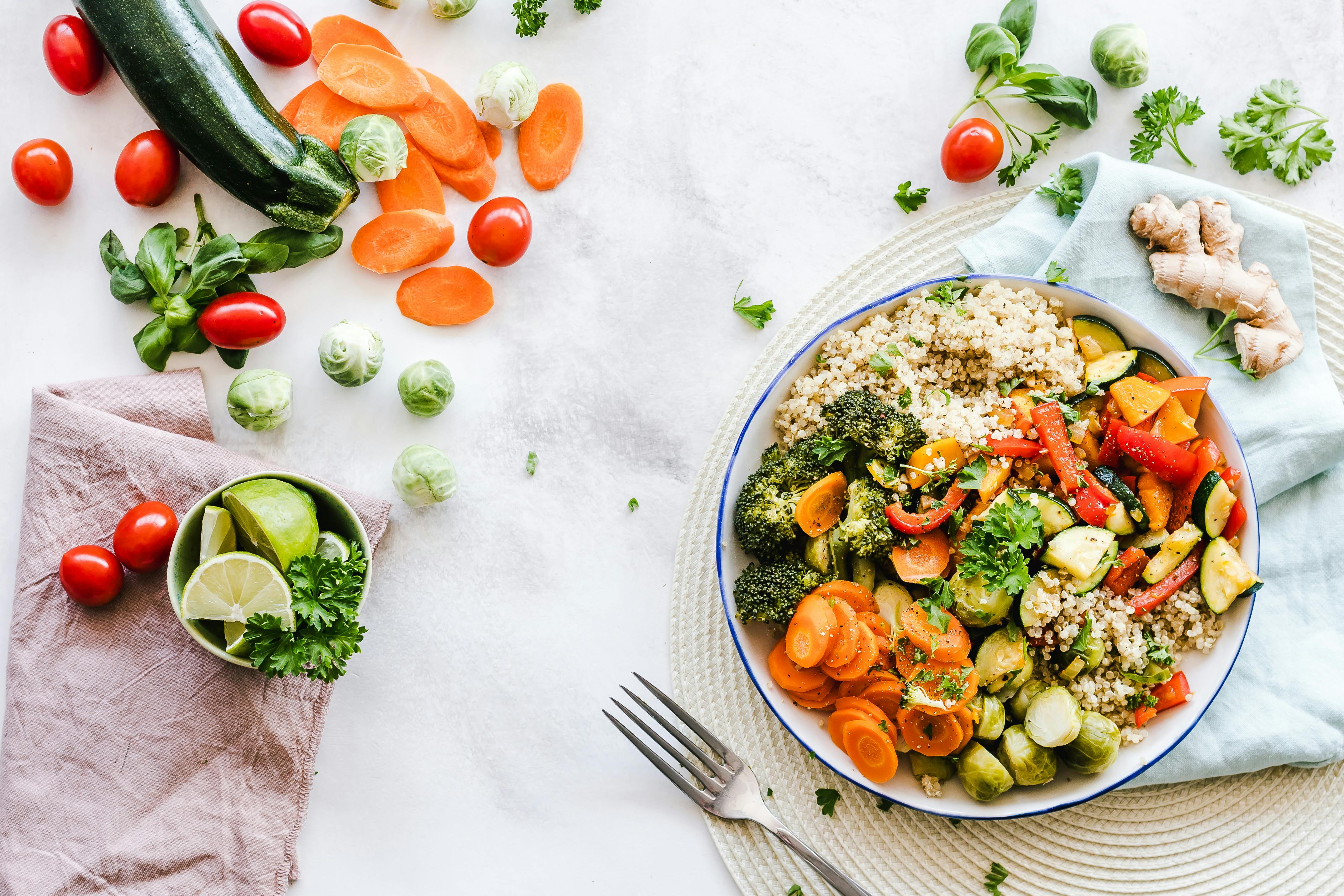
Satiety diets are structured around foods that keep you fuller for longer, rather than just lowering calories. They prioritize:
- High protein: lean meats, fish, eggs, Greek yogurt, cottage cheese, tofu, tempeh, beans, and lentils help regulate hunger hormones and protect muscle during weight loss.
- High fiber: vegetables, fruits, oats, barley, chickpeas, lentils, and other legumes slow digestion, stabilize blood sugar, and add pleasant bulk.
- Low energy density: foods with lots of water and fiber (soups, salads, watery fruits, and vegetables) provide volume for relatively few calories.
Instead of “How little can I eat?”, satiety‑first eating asks, “How can I build meals that feel generous and still support my health?”
On social media, you will often see labels like “high‑protein high‑fiber,” “volume eating,” or “satiety hacks” over quick recipe videos. Many creators now overlay macro breakdowns—protein, fiber, calories—and explain why a certain bowl of food will keep you full for hours instead of minutes.
Why High‑Protein, High‑Fiber Satiety Diets Are Trending Now
Several 2024–2025 trends have pushed satiety‑first eating into the spotlight:
- “Natural GLP‑1” curiosity: As GLP‑1–based appetite‑suppressant medications become widely discussed, many people who are not on these medications are looking for food‑based ways to mimic that comfortably full feeling—more protein, more fiber, more volume.
- Fad‑diet fatigue: After waves of keto, carnivore, detox cleanses, and ultra‑rigid diet rules, there is real exhaustion with anything that bans entire food groups. Satiety diets feel more flexible and more livable.
- Better science communication: Podcasts and long‑form videos now feature obesity researchers explaining concepts like the protein leverage hypothesis and satiety index in everyday language, making it easier to translate evidence into recipes.
A typical satiety‑focused day of eating might include Greek yogurt with berries and chia seeds for breakfast, a lentil soup with a big salad for lunch, snacks like edamame or hummus with vegetables, and dinner built around salmon or tempeh with roasted vegetables and whole grains like quinoa or barley.
Benefits of Satiety‑First Eating vs. Traditional Dieting
High‑protein, high‑fiber satiety diets are not magic, but they often feel gentler and more sustainable than strict calorie counting alone. Common benefits people report include:
- Better adherence: Less gnawing hunger and fewer binge episodes make it easier to keep going for months, not just days.
- Higher nutrient density: Protein‑ and fiber‑rich foods tend to come packaged with vitamins, minerals, and phytonutrients that support immunity, gut health, and energy levels.
- Metabolic support: More stable blood sugar, improved lipid profiles, and better maintenance of lean muscle mass during weight loss efforts.
Think of satiety‑first eating as a design project: you are assembling plates that work with your biology instead of relying on pure willpower. And you can do it without sacrificing pleasure—crucial for any way of eating you want to stick with.
Recipe: High‑Protein, High‑Fiber Lentil & Greek Yogurt Satiety Bowl
This bowl is everything a satiety‑focused meal should be: tender, garlicky lentils; caramelized roasted vegetables; chewy whole grains; and a cool, creamy Greek yogurt sauce that ties it all together. It is designed to keep you pleasantly full for hours without feeling heavy.
The flavors lean Mediterranean‑inspired—olive oil, lemon, cumin, and fresh herbs—because these ingredients add big flavor without needing excess sugar or saturated fat. Feel free to adjust the spices to reflect your own cultural favorites.

Equipment You Will Need
- Large baking sheet (for roasting vegetables)
- Medium saucepan with lid (for cooking lentils)
- Small saucepan or pot (for cooking grains like quinoa or barley)
- Mixing bowl (for yogurt sauce and tossing vegetables)
- Cutting board and chef’s knife
- Measuring cups and spoons
- Colander or fine‑mesh sieve (for rinsing lentils and grains)
- Wooden spoon or spatula
Ingredients for the Satiety Bowl
For the Lentils & Grains
- 1 cup (200 g) dry green or brown lentils, rinsed
- 3 cups (720 ml) low‑sodium vegetable or chicken broth (or water)
- 1 bay leaf (optional)
- 2 cloves garlic, minced
- 1 teaspoon ground cumin
- 1 tablespoon extra‑virgin olive oil
- 3/4 cup (135 g) dry quinoa or pearled barley, rinsed
- 1 1/2 cups (360 ml) water or broth for grains
- Salt and freshly ground black pepper, to taste
For the Roasted Vegetables
- 2 medium carrots, sliced into coins
- 1 medium red bell pepper, sliced into strips
- 1 small red onion, sliced into wedges
- 1 small zucchini, halved lengthwise and sliced
- 2 tablespoons extra‑virgin olive oil
- 1 teaspoon smoked paprika (or sweet paprika)
- 1/2 teaspoon dried oregano or thyme
- Salt and black pepper, to taste
For the Greek Yogurt Herb Sauce
- 1 cup (240 g) plain Greek yogurt (2% or 0%)
- 1 tablespoon fresh lemon juice
- 1 small clove garlic, finely grated or minced
- 2 tablespoons chopped fresh herbs (such as parsley, dill, or cilantro)
- 1–2 tablespoons water, as needed to thin
- Salt and pepper, to taste
To Serve
- 2 cups (about 60 g) baby spinach, arugula, or mixed salad greens
- 1/4 cup (30 g) toasted nuts or seeds (such as pumpkin seeds or chopped almonds)
- Optional: 1 cup (150 g) cooked, diced chicken breast or baked tofu for extra protein
- Optional garnish: lemon wedges and extra herbs
Step‑by‑Step Cooking Instructions
- Preheat and prepare.
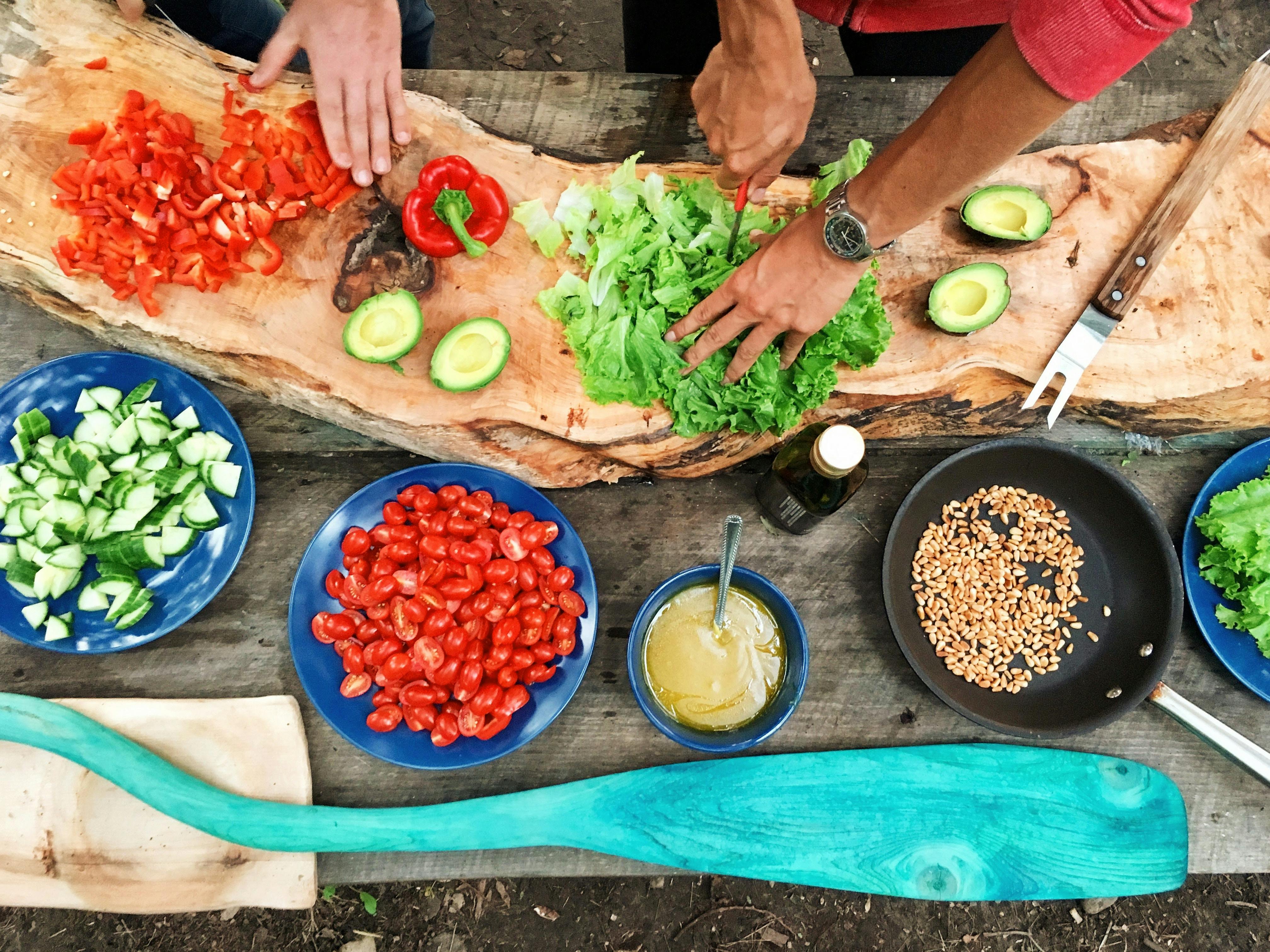
Preheat your oven to 400°F (200°C). Line a large baking sheet with parchment paper for easy cleanup. Rinse lentils and grains under cold water until the water runs mostly clear. - Start the lentils.
In a medium saucepan, heat 1 tablespoon olive oil over medium heat. Add minced garlic and sauté for about 30 seconds until fragrant. Add lentils, 3 cups broth or water, bay leaf, cumin, and a pinch of salt. Bring to a boil, then reduce to a gentle simmer, cover, and cook for 20–25 minutes until tender but not mushy. Add more liquid if needed. Remove bay leaf when done. - Cook the grains.
While lentils simmer, place rinsed quinoa or barley in a small pot with 1 1/2 cups water or broth and a pinch of salt. Bring to a boil, cover, reduce heat, and simmer: quinoa for 15 minutes, barley for about 25 minutes or until chewy‑tender. Let stand covered for 5 minutes, then fluff with a fork. - Roast the vegetables.
In a mixing bowl, toss carrots, bell pepper, onion, and zucchini with 2 tablespoons olive oil, smoked paprika, oregano, salt, and pepper. Spread in a single layer on the baking sheet. Roast for 20–25 minutes, stirring once halfway, until edges are caramelized and vegetables are tender. - Make the yogurt herb sauce.
In a small bowl, combine Greek yogurt, lemon juice, grated garlic, and chopped herbs. Whisk until smooth, adding 1–2 tablespoons water as needed to reach a drizzleable consistency. Season with salt and pepper to taste—the sauce should be bright, tangy, and lightly garlicky. - Taste and season the lentils.
When the lentils are tender, drain any excess liquid. Season generously with salt and pepper. For extra richness, you can stir in a drizzle of olive oil or a squeeze of lemon. - Assemble the satiety bowls.
Divide greens among 4 bowls. Spoon a scoop of grains into each bowl, followed by a generous ladle of lentils. Top with roasted vegetables and, if using, warm diced chicken or tofu. Drizzle with yogurt herb sauce and sprinkle with toasted nuts or seeds. Garnish with extra herbs and a lemon wedge. - Serve and enjoy mindfully.
Serve warm. Take a moment to notice the aroma of roasted vegetables, the creaminess of the yogurt, and the different textures in each bite. Eating slowly helps your body register satiety signals more clearly.
Ingredient Substitutions & Dietary Adaptations
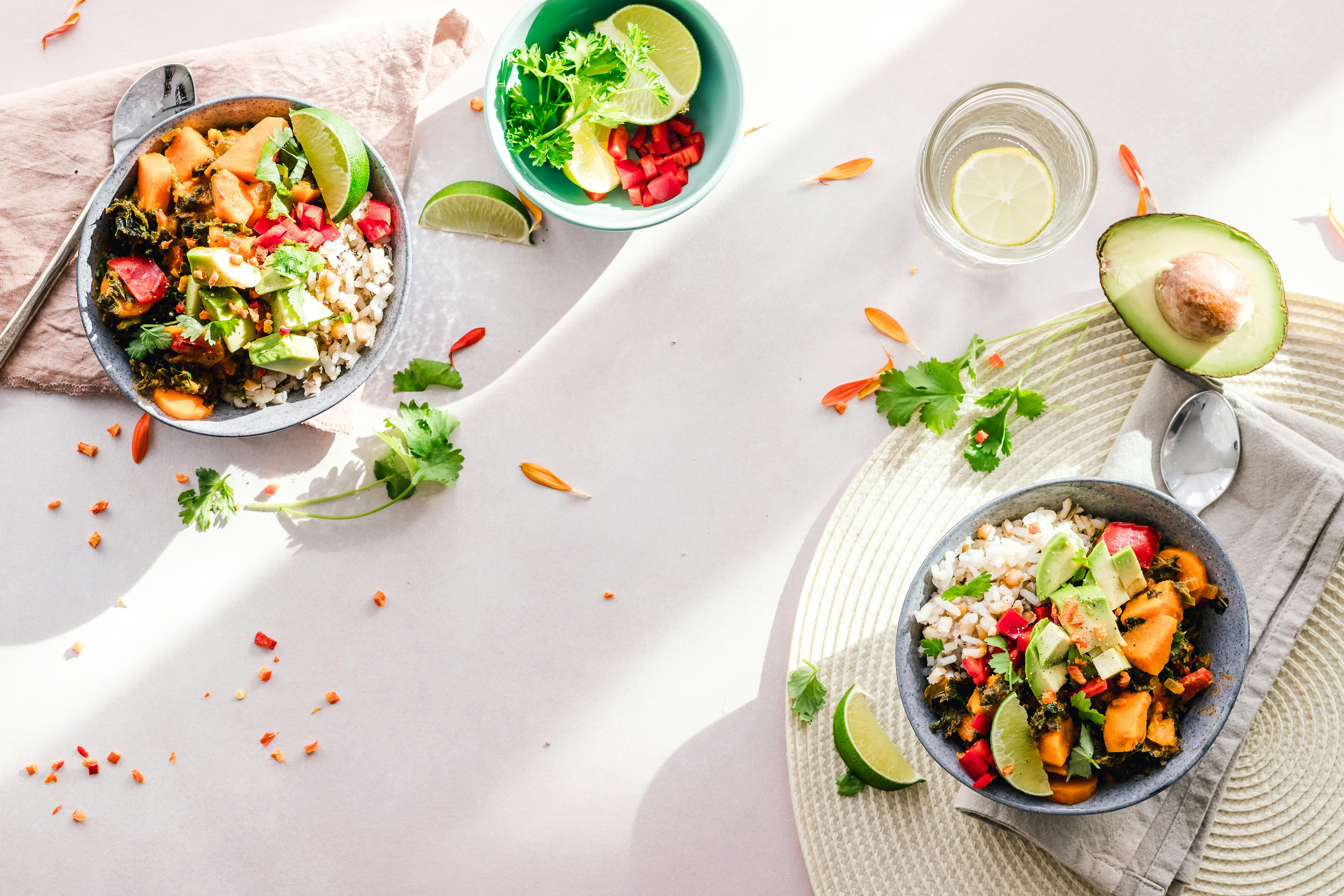
This satiety bowl is meant to flex with your preferences and pantry. Here are some ways to adapt it:
- Vegetarian: Use vegetable broth and skip chicken. Add extra lentils or a scoop of hummus.
- Vegan: Swap Greek yogurt for a thick unsweetened plant‑based yogurt (like soy or almond) or a tahini‑lemon sauce. Choose plant‑based protein like tofu or tempeh.
- Gluten‑free: Use naturally gluten‑free grains such as quinoa, brown rice, or buckwheat instead of barley, and ensure your broth is certified gluten‑free.
- Dairy‑free: Replace Greek yogurt with a dairy‑free yogurt or a blended cashew sauce.
- Different proteins: Try salmon, shrimp, turkey, or tempeh—anything lean and protein‑rich works beautifully here.
- Seasonal vegetables: In winter use broccoli, cauliflower, and sweet potato; in summer use eggplant, cherry tomatoes, and corn.
Storage & Reheating Instructions
Building meals ahead is one of the easiest ways to stay consistent with a satiety‑first approach. This recipe is very meal‑prep friendly.
- Refrigeration: Store lentils, grains, roasted vegetables, greens, and yogurt sauce in separate airtight containers. They will keep well in the fridge for up to 4 days.
- Freezing: Lentils and grains freeze well for up to 2–3 months. Roasted vegetables can be frozen but may soften slightly; greens and yogurt sauce are best made fresh.
- Reheating: Reheat lentils, grains, and vegetables together in a skillet over medium heat with a splash of water or broth, or microwave in 30–60 second bursts, stirring occasionally. Add fresh greens and yogurt sauce after reheating.
- Make‑ahead bowls: If assembling in containers for work lunches, place grains and lentils on the bottom, then vegetables, then greens, and pack yogurt sauce separately to drizzle just before eating.
Serving Suggestions & Complementary Dishes
This lentil and Greek yogurt satiety bowl makes a complete high‑protein, high‑fiber meal on its own, but you can round it out or customize it depending on your hunger and the occasion.
- Serve with a simple side salad dressed in olive oil and lemon for even more volume and crunch.
- Add a small slice of whole‑grain bread or a seeded flatbread if you need extra energy for a very active day.
- Pair with a fruit‑based dessert like baked apples, berries with a spoonful of yogurt, or an orange for a refreshing, fiber‑rich finish.
- For a brunch spread, offer these bowls alongside veggie omelets or a tray of roasted chickpeas for guests to customize their protein.

Making Satiety‑First Eating a Sustainable Habit
You do not need a perfect meal plan to benefit from satiety diets. Start small: add an extra serving of vegetables to dinner, choose Greek yogurt over sweetened yogurt at breakfast, or swap one refined grain for a whole grain you enjoy. Each adjustment gently shifts your plate toward more protein, more fiber, and more satisfying volume.
Most importantly, stay curious rather than critical. Notice which meals keep you full for 3–4 hours and which leave you hungry again in 60–90 minutes. Those observations are powerful data for designing a way of eating that truly works for your lifestyle, culture, and tastes.
This lentil and Greek yogurt satiety bowl is just one template. Once you get comfortable with the idea—protein base, fiber‑rich starch, a mountain of vegetables, plus a flavor‑packed sauce—you can spin endless variations that feel comforting, exciting, and deeply satisfying.

Recipe Data (For Search & Save)
The following structured data helps recipe apps and search engines understand this high‑protein, high‑fiber satiety bowl:
