
High-Protein Gut Health Recipes: Fiber-Packed Bowls for a Happier Microbiome
High‑Protein, High‑Fiber Gut Health Cooking
High-protein, high-fiber “gut health” diets are everywhere right now, blending science with deeply satisfying food. From TikTok overnight oats to rainbow bowls loaded with beans and fermented veggies, people are discovering that feeding the gut microbiome can also feed comfort, energy, and mood.
At the heart of this trend is a simple idea: your gut microbes love variety—especially from plants. Ingredients like oats, beans, lentils, chickpeas, chia seeds, ground flax, and high-fiber veggies work together with fermented stars like yogurt, kefir, kimchi, and sauerkraut. When you pair them with ample protein—think Greek yogurt, tofu, tempeh, eggs, or lean meats—you get meals that support digestion, blood sugar balance, and long‑lasting fullness.
Below you’ll find a nourishing, high-protein, high-fiber Gut-Loving Chickpea & Lentil Power Bowl, plus tips on using functional ingredients like inulin, psyllium, and resistant starch in everyday cooking. Whether you’re just curious about gut health or already obsessed with fiber, this recipe is designed to be friendly, flexible, and weeknight‑easy.
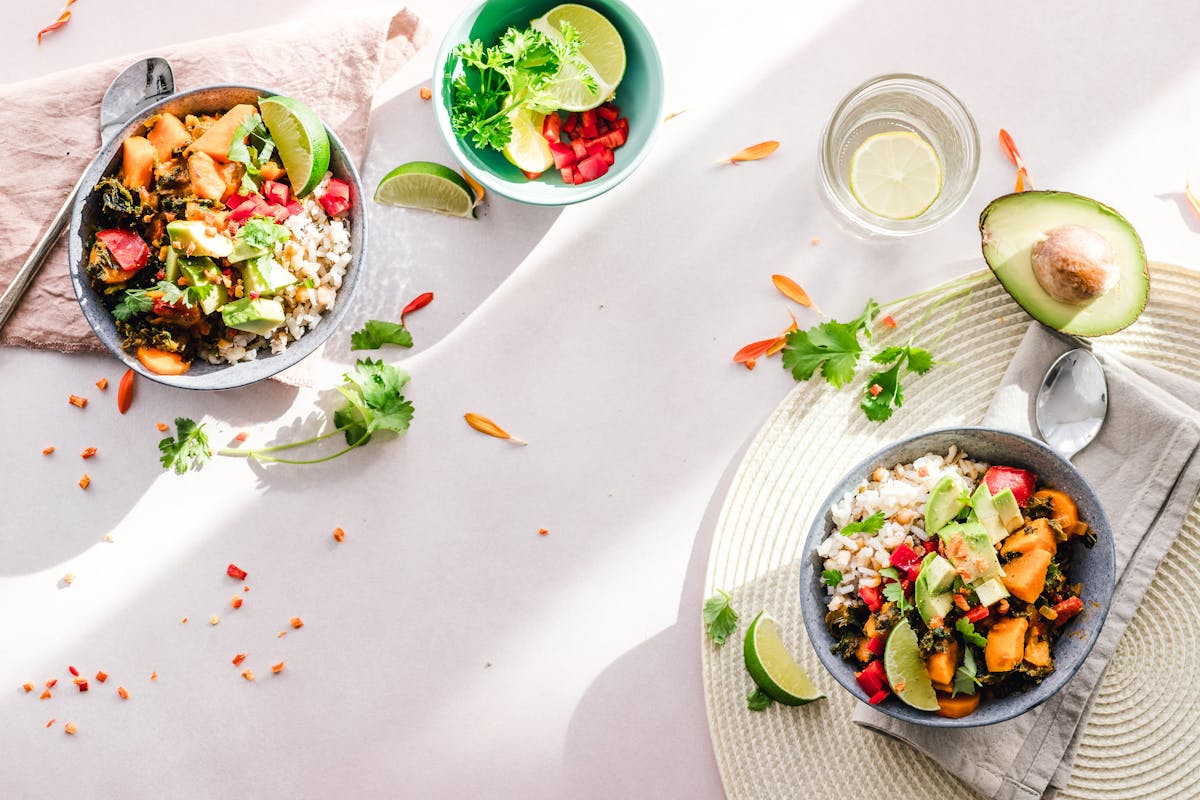
Why Gut Health Diets Are Suddenly Everywhere
Search and social trends for phrases like “gut health diet,” “fiber for weight loss,” and “prebiotic vs probiotic” have exploded. More people now link digestion to weight, mood, skin, and immunity, and they’re turning to everyday foods rather than just supplements.
The science is still evolving, but there’s strong support for diets rich in diverse plant fibers. These fibers act as prebiotics—the fuel your gut microbes ferment into beneficial compounds like short-chain fatty acids. The more types of fiber you eat, the more varied and resilient your microbiome may become.
Think of your microbiome as a bustling farmers’ market: the more stalls (microbes) and the more produce (fibers), the more vibrant and supportive the whole system becomes.
Social feeds are full of gut-friendly ideas—fiber‑rich smoothie bowls, lentil or chickpea pasta, and jars of homemade kimchi and sauerkraut. Dietitians online often highlight a key message: supplements like probiotics or prebiotic powders can help, but they can’t replace a base of colorful, minimally processed plant foods.
Functional Fiber All‑Stars: Inulin, Psyllium, Resistant Starch & More
Many “gut health” recipes today quietly feature functional ingredients—special fibers that play unique roles in digestion and metabolism. Here are a few you’ll see often:
- Inulin & chicory root fiber: A prebiotic fiber added to yogurts, bars, and “high-fiber” snacks. It feeds beneficial bacteria but can cause gas in large amounts for some people.
- Psyllium husk: A soluble fiber that absorbs water and forms a gel, supporting bowel regularity and helping with cholesterol and blood-sugar control. Often used in gluten-free baking or stirred into smoothies.
- Resistant starch: Starch that resists digestion in the small intestine and reaches the colon to feed microbes. Found in cooked-and-cooled potatoes, rice, oats, green bananas, and some specially formulated flours.
- Classic fibers like oats, chia, flax, beans, lentils, chickpeas, and whole grains: less flashy, very well-studied, and deeply satisfying.
In the recipe below, we lean on beans, lentils, veggies, and flax as everyday, gentle powerhouses, with optional swaps if you’d like to experiment with psyllium or resistant starch in your gut-friendly meals.
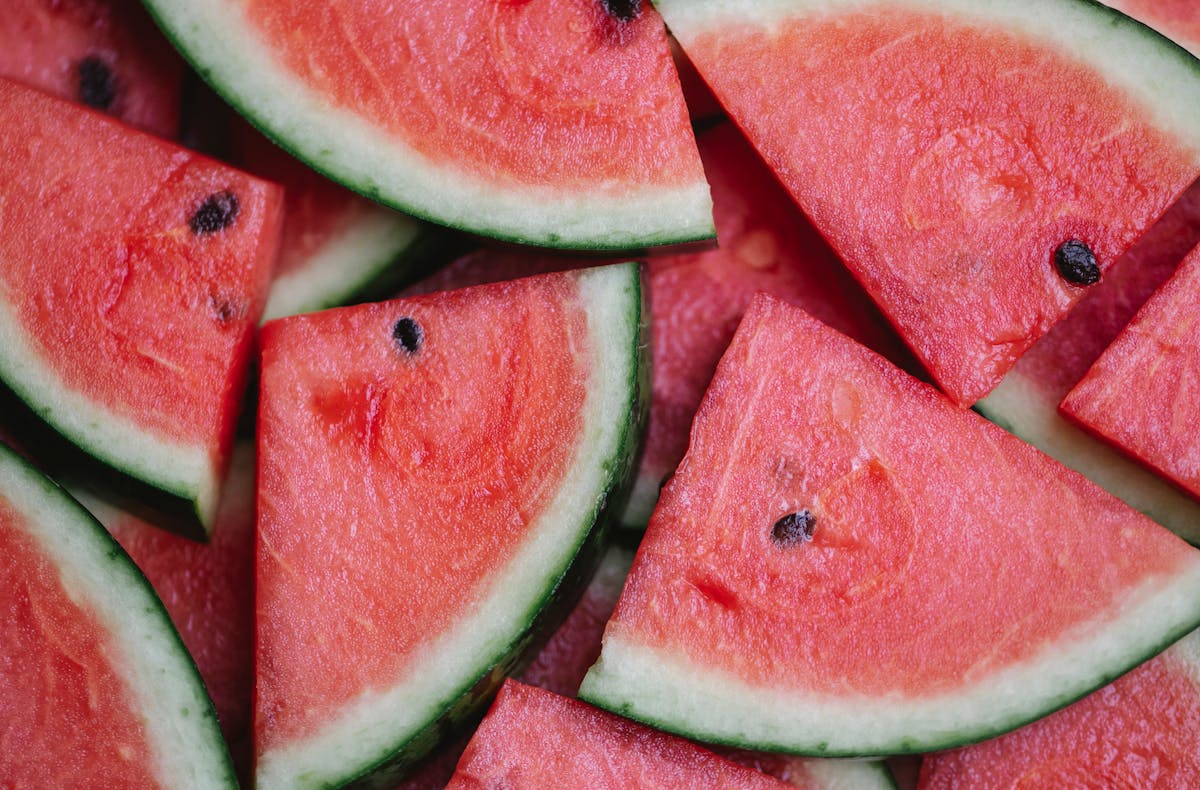
Gut-Loving Chickpea & Lentil Power Bowl (High-Protein, High-Fiber)
This vibrant bowl layers warm spiced lentils, crisp chickpeas, crunchy colorful vegetables, creamy avocado, and a tangy yogurt–kefir dressing. It’s rich in both protein and fiber, designed to be gentle on digestion while keeping you full and energized. The flavors balance bright acidity, gentle heat, and refreshing crunch—all in one deeply nourishing, gut-friendly meal.
Prep time: 20 minutes
Cook time: 20 minutes
Total time: 40 minutes
Servings: 2 bowls
Difficulty: Easy–Moderate
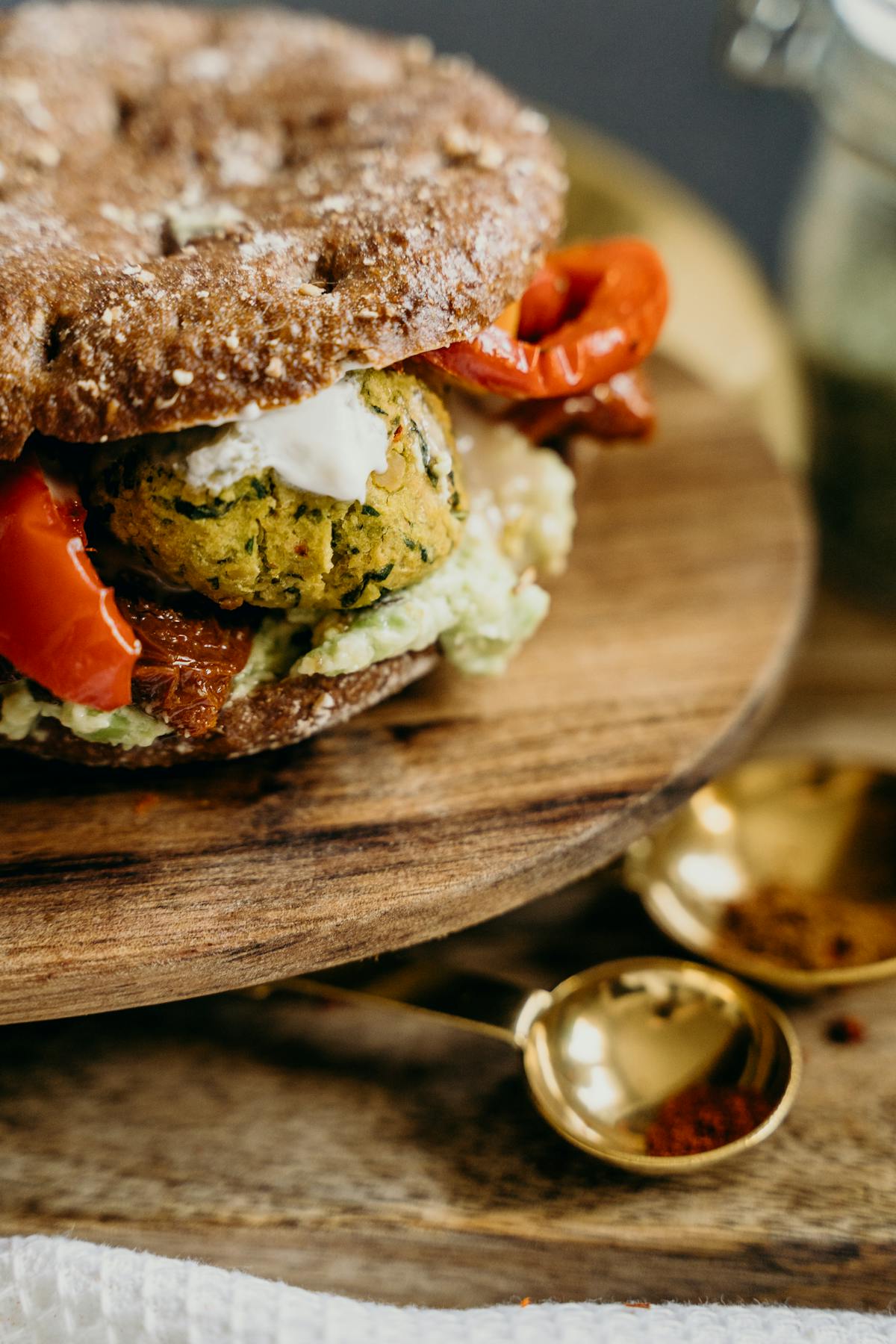
Equipment You’ll Need
- Medium saucepan (for lentils)
- Large baking sheet (for chickpeas; optional if using unroasted)
- Mixing bowl (for dressing)
- Cutting board and sharp knife
- Colander or sieve (for rinsing beans and veggies)
- Measuring cups and spoons
Ingredients
For the High-Protein, High-Fiber Base
- 1/2 cup (100 g) dry green or brown lentils, rinsed
- 1 cup (240 ml) water or low-sodium broth
- 1 cup (170 g) cooked chickpeas, rinsed and drained (about 1 can)
- 1 tsp olive oil (for chickpeas; omit for oil-free)
- 1/2 tsp ground cumin
- 1/2 tsp smoked paprika (or sweet paprika)
- 1/4 tsp garlic powder
- Salt and black pepper, to taste
For the Veggies & Toppings
- 1 cup (about 70 g) shredded red cabbage
- 1 medium carrot, julienned or grated
- 1 small cucumber, diced
- 1 small avocado, sliced
- 1/2 cup (about 50 g) cherry tomatoes, halved
- 1–2 Tbsp fermented sauerkraut or kimchi per bowl (check heat level and ingredients)
- 2 Tbsp fresh herbs (parsley, cilantro, or mint), chopped
- 1 Tbsp ground flaxseed or chia seeds
For the Gut-Friendly Yogurt Dressing
- 1/2 cup (120 g) plain Greek yogurt (or thick plant-based yogurt with live cultures)
- 1/4 cup (60 ml) plain kefir or extra yogurt thinned with water (for probiotics)
- 1 Tbsp fresh lemon juice
- 1 tsp extra-virgin olive oil (optional)
- 1 tsp honey or maple syrup (optional, for balance)
- 1 small garlic clove, very finely minced or grated
- 1–2 tsp finely chopped fresh dill or parsley
- Salt and pepper to taste
Step-by-Step Instructions
1. Cook the Lentils
- Rinse the lentils: Place the lentils in a sieve and rinse under cool water until it runs clear.
- Simmer: Add lentils and water (or broth) to a medium saucepan. Bring to a boil, then reduce to a gentle simmer. Cook for 18–20 minutes, or until tender but not mushy.
- Season: Drain any excess liquid. Season with a pinch of salt and pepper. Set aside, covered, to stay warm.
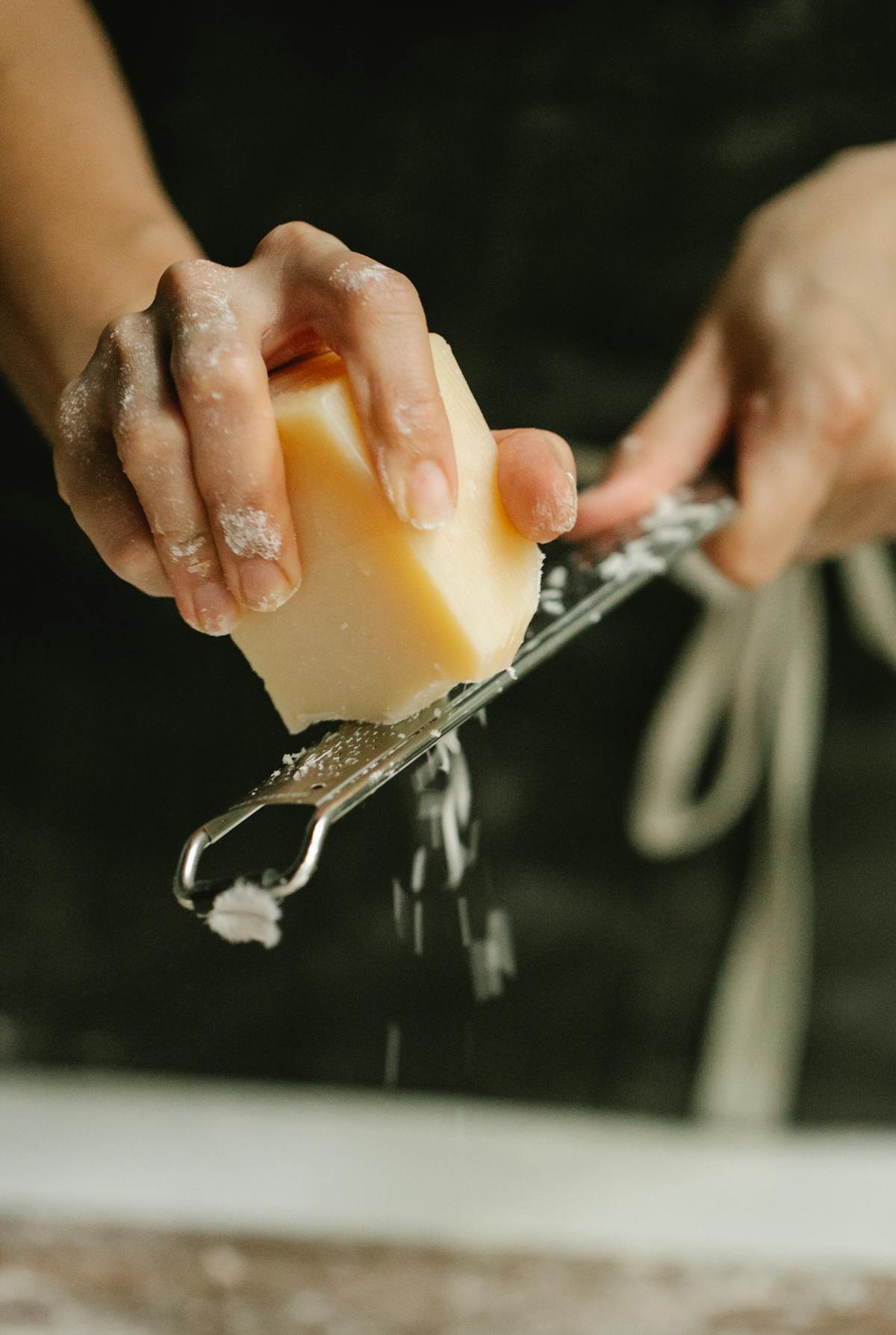
2. Crisp the Chickpeas (Optional but Delicious)
- Preheat the oven: Heat to 400°F (200°C). Line a baking sheet with parchment paper for easier cleanup.
- Dry the chickpeas: Pat chickpeas dry with a clean towel—this helps them crisp instead of steam.
- Season: Toss chickpeas with olive oil, cumin, smoked paprika, garlic powder, salt, and pepper. Spread in a single layer on the baking sheet.
- Roast: Bake for 18–22 minutes, shaking the pan halfway, until chickpeas are golden and crisp at the edges. Allow to cool slightly; they’ll firm up more as they rest.
3. Prep the Vegetables & Toppings
- Shred the red cabbage and rinse briefly in cold water to keep it crisp and vivid.
- Julienne or grate the carrot; dice the cucumber; halve the cherry tomatoes.
- Slice the avocado just before serving to prevent browning.
- Chop the fresh herbs and set aside.
- Measure out sauerkraut or kimchi and ground flaxseed or chia.

4. Make the Yogurt–Kefir Gut-Friendly Dressing
- In a mixing bowl, whisk together yogurt, kefir, lemon juice, and olive oil (if using) until smooth and pourable. Add a splash of water if needed to thin.
- Stir in garlic, fresh herbs, and honey or maple syrup if desired. Season with salt and pepper to taste.
- Taste and adjust acidity or salt. The dressing should be tangy, creamy, and refreshing with a light herbal aroma.
5. Assemble Your Gut Health Bowls
- Layer the base: Divide warm lentils between two wide bowls. Add a generous scoop of crispy chickpeas to each.
- Add veggies: Arrange cabbage, carrot, cucumber, and tomatoes in colorful sections over the lentils and chickpeas.
- Top with good fats & ferments: Add sliced avocado, spoon sauerkraut or kimchi to one side, and sprinkle ground flaxseed or chia over the top.
- Dress: Drizzle each bowl with the yogurt–kefir dressing. Garnish with chopped herbs and a final crack of black pepper.
- Serve immediately: Enjoy warm lentils and chickpeas against cool, crunchy vegetables and creamy, tangy dressing.
Substitutions, Variations & Functional Upgrades
Storage, Meal Prep & Reheating
This bowl is perfect for meal prep—just keep the components separate for the best texture.
- Lentils & chickpeas: Store in airtight containers in the fridge for up to 4 days. Reheat gently on the stovetop or in the microwave with a splash of water.
- Veggies: Keep shredded cabbage, carrots, and chopped cucumbers in separate containers in the fridge for up to 3–4 days.
- Dressing: Store in a jar for up to 3 days. It may thicken; whisk in a spoonful of water before serving.
- Avocado & ferments: Slice avocado fresh before eating. Keep sauerkraut/kimchi in its own jar; it lasts weeks in the fridge.
For packed lunches, assemble bowls with lentils, chickpeas, and sturdier veggies at the bottom, keep the dressing in a small container on the side, and add avocado just before eating.
Serving Ideas & Complementary Gut-Friendly Dishes
Turn this bowl into a full “gut health day” by pairing it with other high-fiber, high-protein, microbiome-friendly recipes:
- Breakfast: Overnight oats with chia, ground flax, and a spoonful of yogurt or kefir.
- Snack: A small bowl of plain yogurt topped with berries and a sprinkle of granola made from oats, seeds, and nuts.
- Side: A small dish of kimchi, sauerkraut, or miso soup to add extra fermented variety.
- Dessert: Sliced fruit with skin on (apples, pears, plums) and a drizzle of nut butter.
Remember, a happy gut thrives on consistency and diversity. Enjoy this bowl as one delicious, colorful step toward a fiber-rich, minimally processed way of eating that supports digestion, mood, and long-term metabolic health.
