
Gut Health 2.0: How to Eat for a Happy Microbiome with Fermented Foods and Prebiotic Fiber
Gut Health 2.0: Fermented Foods, Prebiotic Fiber, and the Microbiome Diet
Gut health has gone fully mainstream, and in 2025 many of us are no longer just popping probiotic capsules—we’re rebuilding our plates around the trillions of microbes in our gut. From TikTok “gut-friendly bowls” to long-form microbiome podcasts, there’s a new food-first focus on fermented foods, prebiotic fiber, and colorful plants that support digestion, immunity, and even mood.
Instead of obsessing over calories alone, people are asking a new question before they eat: “Will my microbes love this?” In this guide, we’ll explore what Gut Health 2.0 looks like today, and you’ll learn how to turn the science into delicious, realistic meals at home—no expensive supplements or extreme cleanses required.

From Niche Science to Gut-Health Lifestyle
Just a few years ago, “microbiome” was something you mostly heard about in research circles. Now, terms like fermented foods benefits, prebiotic vs probiotic, and microbiome diet spike on Google, and gut-health challenges trend on social media: “30 plant foods a week,” “a fermented food a day,” “fiber-first breakfasts.”
Long-form interviews on Spotify and YouTube with microbiome researchers, dietitians, and functional medicine practitioners have helped translate dense science into simple rules of thumb that home cooks can actually follow. Instead of complicated protocols, we see straightforward, food-based nudges:
- A small serving of sauerkraut or kimchi with lunch.
- Swapping soda for kombucha or kefir.
- Building bowls with beans, whole grains, and a rainbow of veggies.
- Adding berries, nuts, and dark chocolate to snacks and desserts.
“Aim for diversity: around 30 different plant foods a week” has become one of the most shared microbiome tips of this decade.
Why Gut Health Matters: The Microbiome in Everyday Life
Your gut microbiome is a bustling ecosystem of bacteria, yeasts, and other microbes living mainly in your large intestine. When this community is diverse and well-fed, current evidence (up to late 2025) links it to:
- Better digestion and regular bowel habits.
- Immune support and fewer infections for some people.
- Metabolic health markers like blood sugar and cholesterol.
- Mood and brain health via the gut–brain axis.
Of course, this field is still evolving. No single food “cures” disease, and not everyone responds the same way. But across many studies, patterns emerge: diets rich in varied plants, fiber, and minimally processed foods tend to support a more resilient microbiome.
The Four Pillars of Gut Health 2.0
The latest gut-health movement is less about purchasing probiotic pills and more about building your everyday meals around four big ideas.
1. Fermented Foods: Flavorful Live Cultures
Fermented foods are made when microorganisms—often lactic acid bacteria or yeasts—transform sugars in food, creating tangy flavors and gentle fizz. Many traditional cuisines have them:
- Kimchi and sauerkraut (Korean and Central/Eastern European roots).
- Kefir and live-culture yogurt.
- Kombucha (fermented tea).
- Miso and tempeh (from soybeans, staples in Japanese and Indonesian cooking).
When unpasteurized and stored properly, many fermented foods contain live microbes that can complement your gut community. They also add incredible complexity to your cooking: think salty-sour cabbage tucked into a sandwich, or miso whisked into a cozy soup.
2. Prebiotic Fiber: Feeding Your Microbes
While probiotics are the microbes themselves, prebiotics are the fibers and compounds that feed them. These fibers resist digestion in your small intestine and are fermented by bacteria in your colon, producing short-chain fatty acids that support gut and metabolic health.
Common prebiotic-rich foods include:
- Onions, garlic, leeks, and shallots.
- Asparagus, artichokes, and chicory root.
- Bananas (especially slightly underripe), oats, barley, and rye.
- Beans, lentils, and other legumes.
3. Polyphenol-Rich Plants: Colorful Microbe Fuel
Polyphenols are plant compounds that often give foods their deep jewel tones and bitter, sharp, or floral notes. Many gut-focused nutritionists now nudge people toward:
- Berries and pomegranates.
- Green tea and coffee (within caffeine tolerance).
- Cocoa and dark chocolate (higher cocoa content, less sugar).
- Extra-virgin olive oil, herbs, and spices.
4. Rethinking Ultra-Processed Foods
Current research suggests that patterns very high in ultra-processed foods—especially those with certain emulsifiers, some artificial sweeteners, or rapidly digested starches—may be linked with less microbial diversity in some people. This doesn’t mean you can never enjoy packaged snacks, but it supports a “mostly whole foods” approach.
What a Modern Gut-Healthy Plate Looks Like
When you zoom out from the wellness hype, gut-supportive diets often look like very classic, wholesome eating patterns—just with a sharper focus on variety, fiber, and ferments.
- Legumes and whole grains for soluble and insoluble fiber: lentils, chickpeas, black beans, oats, quinoa, barley, brown rice.
- Plenty of vegetables and fruits: leafy greens, crucifers like broccoli and cabbage, carrots, squash, berries, citrus.
- Fermented dairy or plant alternatives: yogurt, kefir, tempeh, miso, pickled vegetables.
- Healthy fats from nuts, seeds, avocado, and extra-virgin olive oil.
Many people now follow simple weekly challenges, such as:
- “30 plants per week” – counting different fruits, vegetables, grains, nuts, seeds, beans, and herbs.
- “One fermented food a day” – even just a tablespoon or two.
- “Fiber at every meal” – a whole grain, bean, or vegetable on the plate.
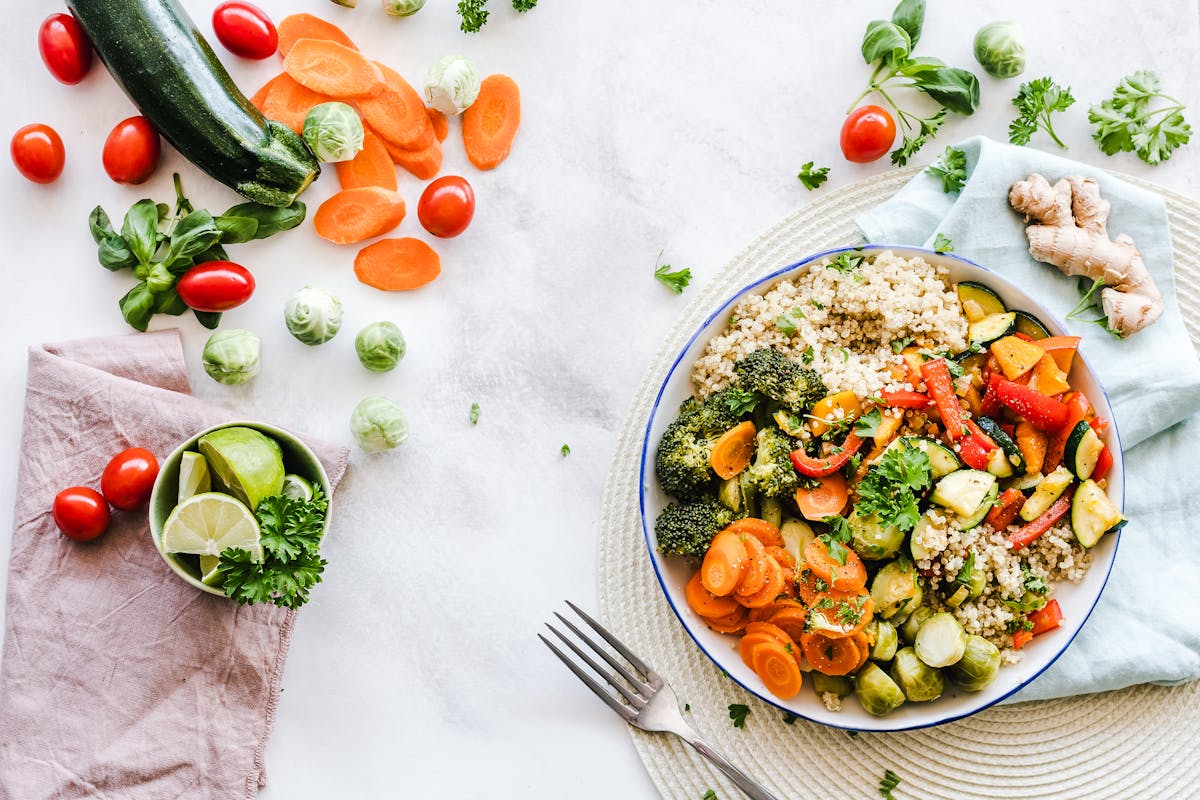
Recipe: Gut-Friendly Kimchi Grain Bowl with Miso-Tahini Dressing
To bring Gut Health 2.0 straight into your kitchen, let’s build a deeply satisfying kimchi grain bowl. It’s loaded with prebiotic fiber from whole grains and beans, live cultures from kimchi, and polyphenols from colorful veggies and toasted sesame. Warm, tangy, crunchy, and creamy—this is the kind of bowl that makes “eating for your microbiome” feel like pure comfort food.
Equipment
- Medium saucepan with lid (for grains)
- Small bowl and whisk (for dressing)
- Cutting board and sharp knife
- Colander (for rinsing beans and grains)
- Serving bowls
Ingredients
For the grain base
- 1/2 cup (100 g) dry brown rice, quinoa, or barley
- 1 cup (240 ml) water or low-sodium vegetable broth
- 1/4 teaspoon fine sea salt (optional, depending on broth)
For the toppings
- 1 cup (170 g) cooked beans (e.g., chickpeas or black beans), rinsed and drained
- 1 small carrot, cut into matchsticks
- 1/2 small cucumber, thinly sliced
- 1 cup (30 g) shredded red or green cabbage
- 1/2 ripe avocado, sliced or cubed
- 1/2 cup (80 g) kimchi or sauerkraut, with brine
- 2 tablespoons toasted sesame seeds or chopped nuts
- Small handful fresh herbs (green onions, cilantro, or parsley), chopped
For the miso-tahini dressing
- 2 tablespoons tahini (sesame paste)
- 1 tablespoon white or yellow miso paste
- 1 tablespoon rice vinegar or apple cider vinegar
- 1 teaspoon honey or maple syrup
- 1–2 tablespoons water, to thin
- 1 teaspoon toasted sesame oil (optional, for aroma)
- 1 small garlic clove, finely grated (optional, for extra prebiotics)
Instructions
- Cook the grains.
Rinse the grains under cool water. In a medium saucepan, combine grains, water or broth, and salt if using. Bring to a boil over medium-high heat, then reduce to a gentle simmer, cover, and cook until tender and the liquid is absorbed (about 15–25 minutes, depending on the grain). Remove from heat, fluff with a fork, and let steam with the lid ajar for 5 minutes.
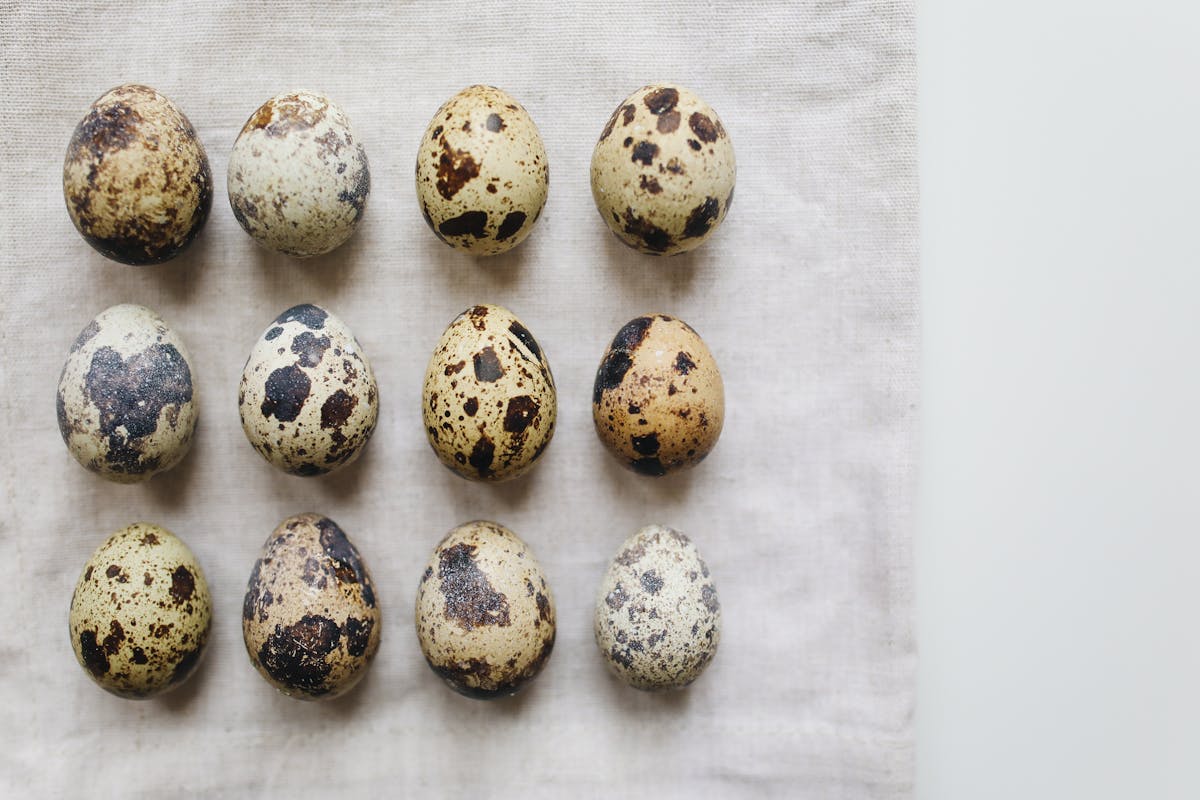
Cook grains until just tender and fluffy—they’re the hearty, fiber-rich base of your bowl. - Prep the vegetables and beans.
While the grains cook, rinse and drain your beans. Slice the cucumber, shred the cabbage, cut the carrot into matchsticks, and slice the avocado. Chop your herbs. Arrange everything on a plate or board so assembly feels easy and inviting.
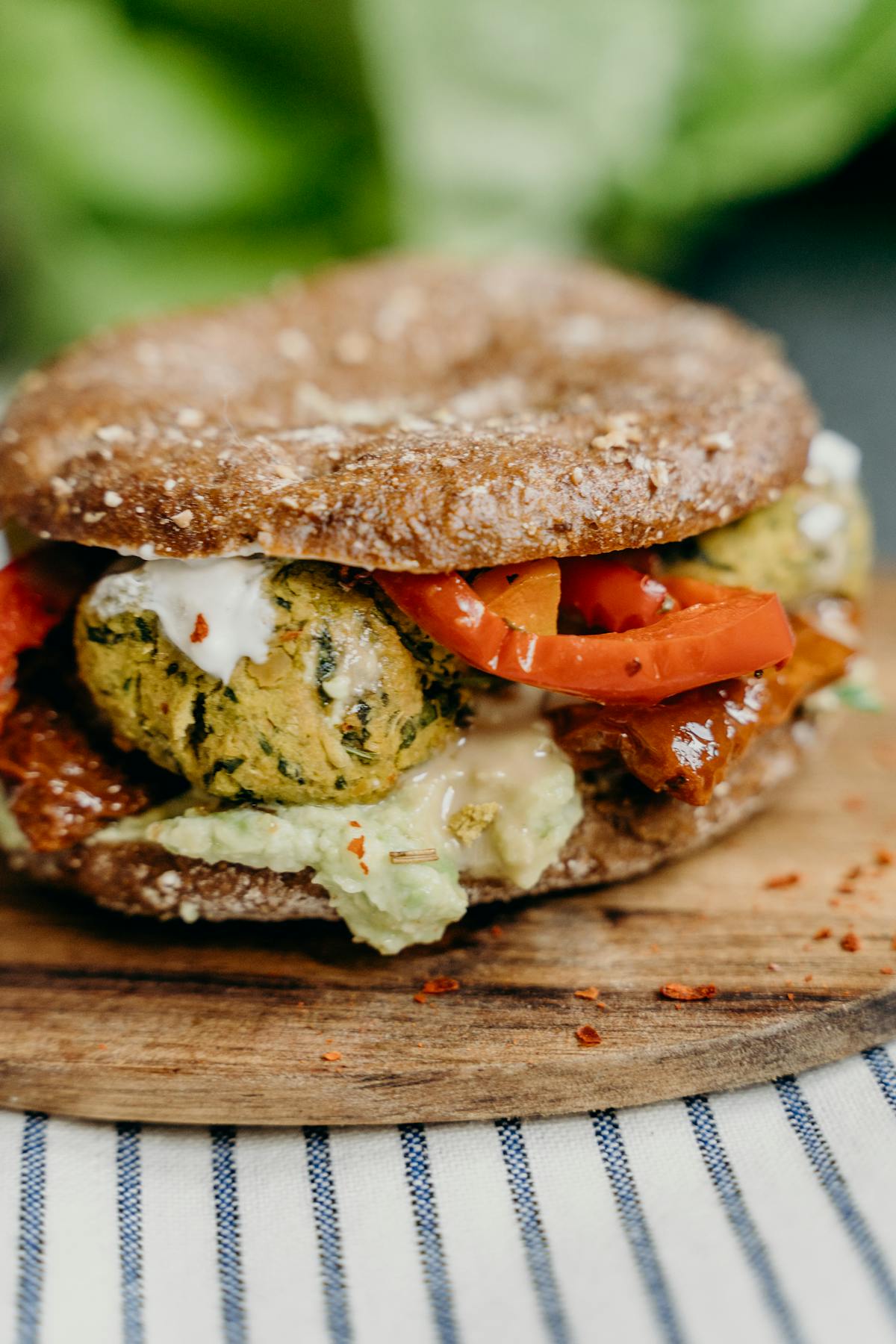
A little mise en place—prepping colorful veggies and beans—makes building gut-healthy bowls feel effortless. - Whisk the miso-tahini dressing.
In a small bowl, combine tahini, miso, vinegar, and honey or maple syrup. Whisk until thick and smooth. Add water, 1 tablespoon at a time, whisking until the dressing becomes pourable and creamy. Stir in toasted sesame oil and grated garlic if using. Taste and adjust for salt, sweetness, or acidity.
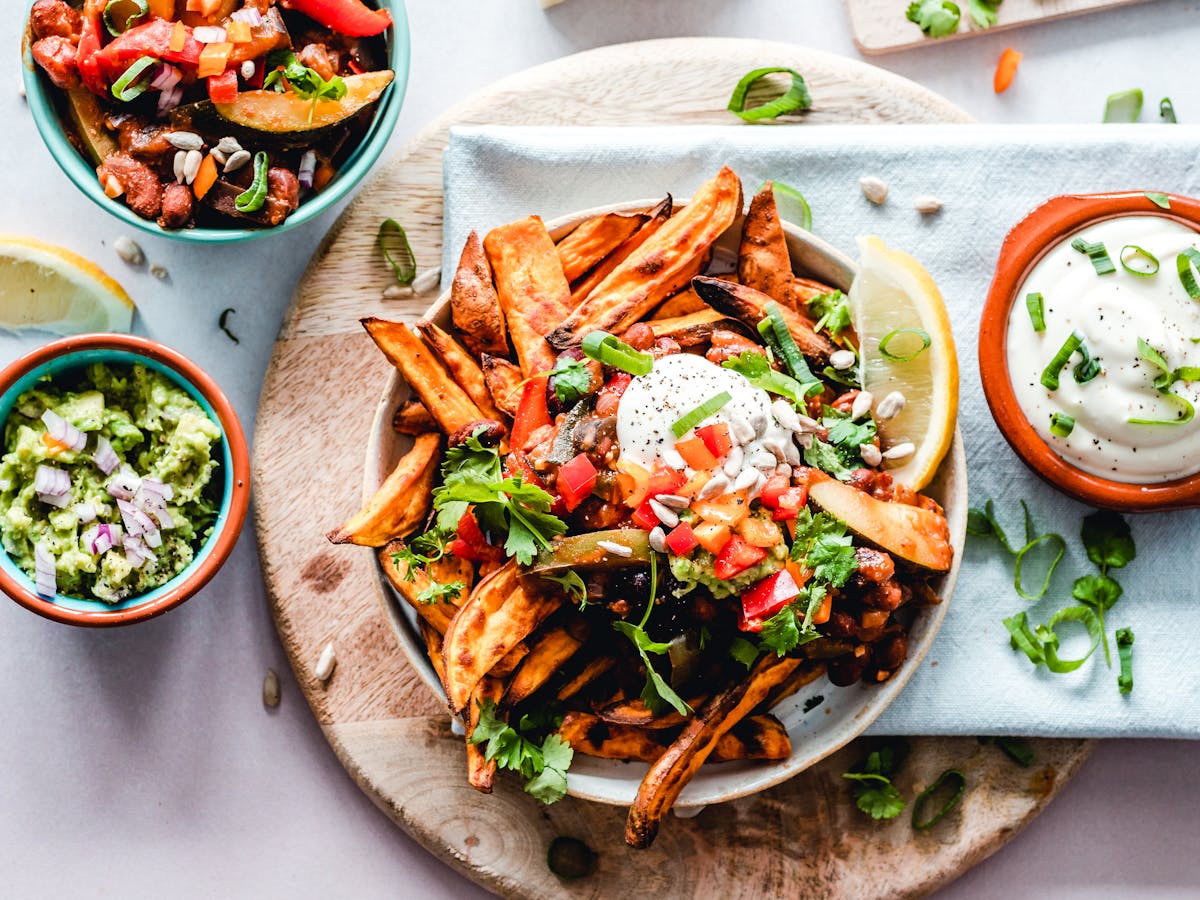
The miso-tahini dressing brings salty, nutty, and tangy notes that tie all the bowl components together. - Warm the beans (optional).
If you enjoy a warmer bowl, briefly warm the beans in a small saucepan with a splash of water over low heat until heated through. Season lightly with salt and pepper if desired. You can also leave them at room temperature for more contrast.
- Assemble the bowls.
Divide the warm grains between two bowls. Arrange beans, cabbage, carrot, cucumber, and avocado on top, leaving a central “nest” for the kimchi or sauerkraut. Add a generous spoonful of kimchi or sauerkraut with some of its brine. Drizzle each bowl with the miso-tahini dressing and sprinkle with toasted seeds or nuts and fresh herbs.
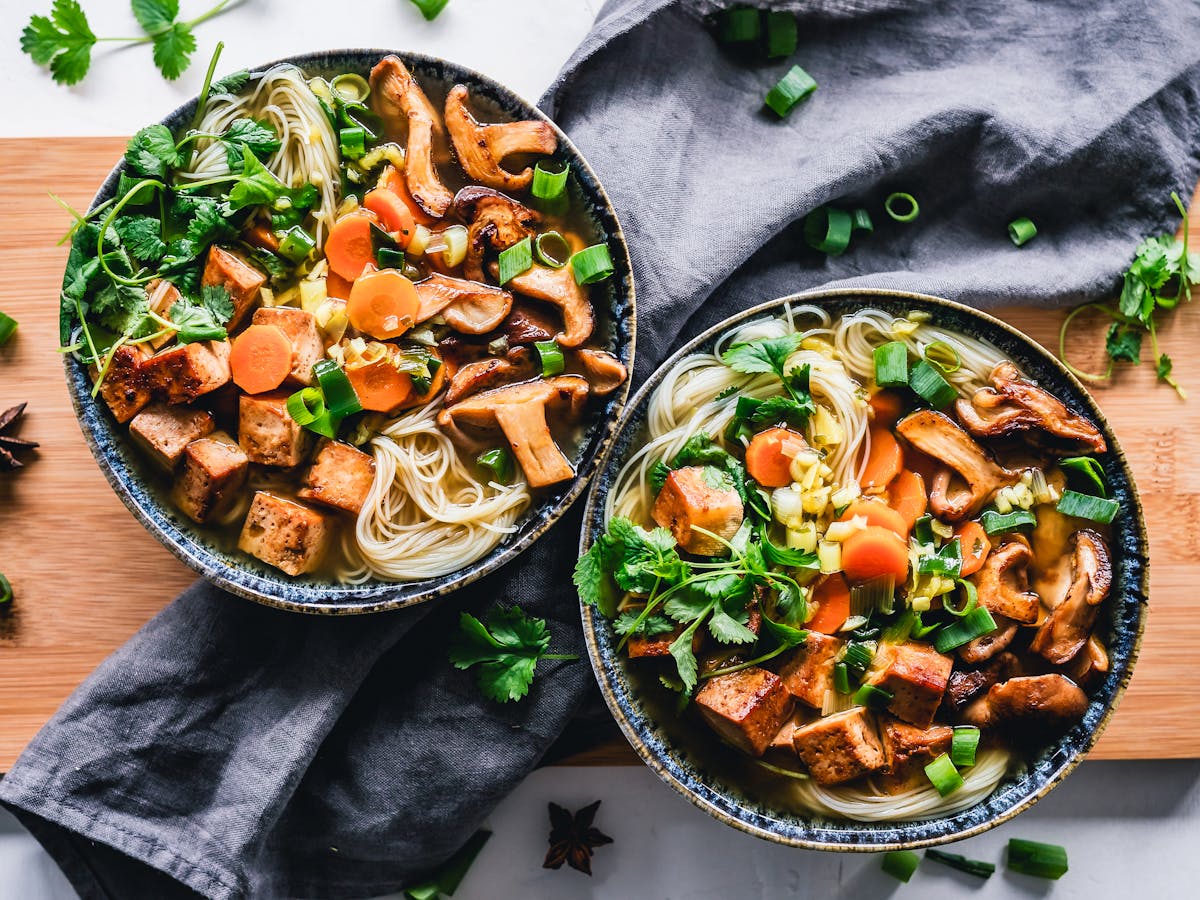
Layer textures: chewy grains, creamy beans and avocado, crisp vegetables, and juicy fermented cabbage. - Taste and adjust.
Take a bite with a bit of everything: grain, bean, veg, kimchi, and dressing. If the bowl needs more brightness, add a splash of kimchi brine or vinegar. For richness, a drizzle of sesame or olive oil works wonders. Serve immediately.
Serve your gut-healthy grain bowl right away for maximum crunch and contrast in temperatures.
Storage & Reheating
- Grains: Store cooked grains in an airtight container in the refrigerator for up to 4 days. Reheat with a splash of water on the stovetop or in the microwave.
- Beans: Keep cooked or canned beans (drained) in the fridge for 3–4 days.
- Veggies: Prep vegetables up to 2 days ahead and store separately to keep them crisp.
- Dressing: Refrigerate in a small jar for up to 5 days. Thin with a bit of water if it thickens.
- Fermented vegetables: Kimchi and sauerkraut keep well for weeks in the fridge; always use a clean utensil.
For the best texture, store components separately and assemble bowls just before serving. This keeps grains fluffy, veggies crunchy, and ferments bright and lively.
Personalizing Gut-Healthy Eating (Especially with Sensitive Digestion)
One of the most important lessons from microbiome research is that there is no single perfect gut diet. Some people thrive on heaps of beans and onions, while others with IBS or sensitive digestion may find those same foods trigger bloating, pain, or unpredictable bathroom trips.
Common “gut-healthy” ingredients like garlic, onions, wheat, certain fruits, and legumes are high in FODMAPs, a group of fermentable carbohydrates that can be troublesome for some individuals. Evidence-based practitioners now emphasize a personalized approach:
- Introduce new high-fiber or fermented foods slowly, one at a time.
- Keep a simple food-and-symptom journal to spot patterns.
- Work with a dietitian if you suspect IBS, IBD, or food intolerances.
Serving Suggestions & Complementary Gut-Friendly Dishes
The kimchi grain bowl makes a filling lunch or dinner on its own, but you can easily turn it into a full gut-supportive spread by adding:
- A simple miso soup with tofu and seaweed for more fermented flavor.
- A small side of kefir or yogurt with berries for a probiotic-rich dessert.
- Green tea or lightly sweetened kombucha as a polyphenol-packed beverage.
For other microbiome-friendly meals throughout the week, try:
- Overnight oats with chia, nuts, and mixed berries.
- Lentil or bean soups finished with a splash of olive oil and fresh herbs.
- Tempeh stir-fries loaded with vegetables and served over brown rice.
Key Takeaways from Gut Health 2.0
Gut-centered eating in 2025 isn’t about perfection—it’s about small, delicious habits that slowly reshape your microbial neighborhood. When you:
- Enjoy a fermented food most days,
- Pack your meals with varied plant foods and fibers,
- Lean on whole, minimally processed ingredients, and
- Adjust for your own body’s tolerance and needs,
you’re already practicing Gut Health 2.0. Start with one bowl, one jar of kimchi, one extra handful of beans or berries—and let your meals evolve from there. Your taste buds, and quite possibly your microbes, will thank you.
