
Gut Health 2.0: How Fermented Foods and Prebiotic Fibers Transform Your Microbiome
Gut Health 2.0: Fermented Foods, Prebiotics, and the Microbiome Diet
Gut health has grown from a niche wellness topic into a central pillar of everyday nutrition. We’re moving beyond the simple advice to “take a probiotic” and diving into a much more delicious world of fermented foods, prebiotic fibers, and plant-rich, minimally processed eating that nourishes a thriving microbiome.
This “Gut Health 2.0” wave is about building a diverse, resilient gut ecosystem that may support immunity, metabolism, mood, and even skin health—using real food you can enjoy every day. Think fizzy kombucha, crunchy sauerkraut, cozy oat bowls, and colorful veggie-packed plates.
Why Gut Health Is Everywhere Right Now
Conversations about gut health have exploded thanks to an exciting mix of science, storytelling, and supermarket innovation. Instead of talking about digestion only when something feels wrong, people are now thinking about the gut as a central hub for overall wellness.
- Research visibility: Popular science books, podcasts, and news coverage spotlight the microbiome’s links to immunity, mood, metabolic health, and skin.
- Fermented food boom: Kombucha, kimchi, kefir, miso, tempeh, and yogurt now line grocery shelves and feature on trendy restaurant menus.
- Social media storytelling: Creators share “gut journeys,” IBS and bloating stories, and before-and-after changes tied to dietary shifts.
“We’re discovering that what we eat doesn’t just feed us—it feeds trillions of microbes that may shape our energy, our mood, and our long-term health.”
What Makes Gut Health 2.0 Different?
Gut Health 2.0 shifts the focus from isolated supplements to whole dietary patterns. Instead of chasing a single “miracle probiotic,” the goal is to cultivate a balanced, diverse microbial community through everyday food choices.
At the heart of this movement are three big ideas:
- Fermented superfoods that deliver live cultures and organic acids.
- Prebiotic fibers that act as fuel for beneficial microbes.
- Plant diversity and reduced ultra-processed foods for a richer microbial ecosystem.
Fermented Superfoods: Tangy, Fizzy Friends for Your Microbiome
Fermented foods are made when microbes—usually bacteria or yeast—transform sugars in food into acids or gases. This process creates complex flavors (sour, funky, umami), preserves the food, and can naturally introduce live cultures into your diet.

Popular Fermented Foods for Gut Health
- Yogurt (with live cultures): Creamy, tangy, and versatile. Look for “live and active cultures” on the label.
- Kefir: A pourable, slightly effervescent fermented milk or plant-based drink with a pleasantly tart flavor.
- Kombucha: A fermented tea with a gentle fizz and flavors ranging from fruity to floral to spicy.
- Kimchi & sauerkraut: Fermented cabbage dishes that bring crunch, acidity, and a savory kick.
- Miso & tempeh: Fermented soy products used in soups, marinades, and hearty plant-based meals.
Not every fermented food still contains live microbes by the time you eat it—baked, boiled, or heavily processed products may not. But even then, fermentation can create beneficial compounds like organic acids and new flavor molecules that make food more digestible and satisfying.
Prebiotic Fibers: Feeding the Good Bugs
If probiotics are the “guests,” prebiotics are the snacks you put out at the party. Prebiotic fibers are special types of carbohydrates that your body can’t digest—but your gut microbes can. When they ferment these fibers, they produce short-chain fatty acids like butyrate that may support gut lining health, blood sugar balance, and inflammation control.
Everyday Prebiotic-Rich Foods
- Alliums: Garlic, onions, leeks, and shallots.
- Veggies: Asparagus, Jerusalem artichokes, chicory root.
- Fruits: Bananas (especially slightly green), apples, pears.
- Grains: Oats, barley, whole wheat, rye.
- Legumes: Beans, lentils, chickpeas.
- Nuts & seeds: Flaxseeds, pistachios, cashews.

Many people fall short of the recommended 25–38 grams of fiber per day. Increasing fiber too quickly can cause gas and bloating, so it’s wise to add just one new prebiotic-rich food at a time and drink plenty of water.
The Microbiome Diet: Plant Diversity and Fewer Ultra-Processed Foods
One of the most exciting shifts in Gut Health 2.0 is the move toward a plant-diverse, minimally processed eating pattern. Instead of obsessing over a single “gut healthy food,” people are counting how many different plants they eat in a week.
The “30 Plants a Week” Challenge
Influencers and dietitians often promote a goal of around 30 different plant foods per week. Each herb, spice, nut, seed, grain, fruit, and vegetable brings unique fibers and polyphenols that may support different microbial species.
- Count every distinct plant you eat—blueberries and raspberries are two points.
- Herbs and spices count: basil, cilantro, turmeric, cinnamon, and more.
- Swap refined grains for whole grains like oats, quinoa, and brown rice.
The Ultra-Processed Food Backlash
Many gut health advocates are also concerned about ultra-processed foods: items high in added sugars, refined starches, emulsifiers, and artificial sweeteners, and low in fiber. Emerging research suggests these additives may disrupt microbial balance in some people.

The Gut–Brain Axis: Mood, Sleep, and the Microbiome
One reason gut health dominates social media is the growing interest in the gut–brain axis—the two-way communication between your digestive tract and your nervous system. People frequently report that better digestion, fewer IBS flares, and more regular bowel habits correlate with improved mood, focus, and sleep.
Early research suggests gut microbes may influence:
- Production of neurotransmitters and their precursors.
- Inflammation levels that may affect brain function.
- Stress responsiveness via the vagus nerve and stress hormones.
The science is still evolving, and we’re far from prescribing specific microbes for specific mental health conditions. Diet is just one piece of the puzzle. Still, many people find that gentle, gut-supportive changes help them feel steadier, more energized, and more comfortable in their bodies.

Personalizing Gut Health: When One Size Doesn’t Fit All
A key part of Gut Health 2.0 is acknowledging that what works beautifully for one person may be uncomfortable for another. People with IBS, SIBO, or IBD may react strongly to high-FODMAP foods, certain fibers, or even some fermented products.
Listening to Your Gut
- Track how you feel after meals—energy, bloating, stool patterns, mood.
- Introduce new foods one at a time so you can see what helps or aggravates symptoms.
- Work with a registered dietitian or gastroenterologist if you have persistent or severe symptoms.
Many professionals caution against extreme “gut cleanses,” very restrictive protocols, and expensive supplement stacks that aren’t supported by solid evidence. Most people see steady progress with simple, sustainable changes in food patterns, sleep, movement, and stress care.
Recipe: Gut-Loving Miso-Kimchi Grain Bowl with Kefir-Lime Dressing
To bring Gut Health 2.0 to life in your kitchen, this vibrant bowl layers fermented foods (miso, kimchi, optional kefir), prebiotic fibers (garlic, onions, oats or barley), and plant diversity into one satisfying, cozy meal. It’s tangy, savory, a little spicy, and full of texture: tender grains, crisp veggies, and crunchy seeds.
You can easily make it vegetarian or fully plant-based, and it’s forgiving—perfect for weeknights or meal prep. Think of it as a microbiome-friendly comfort bowl.
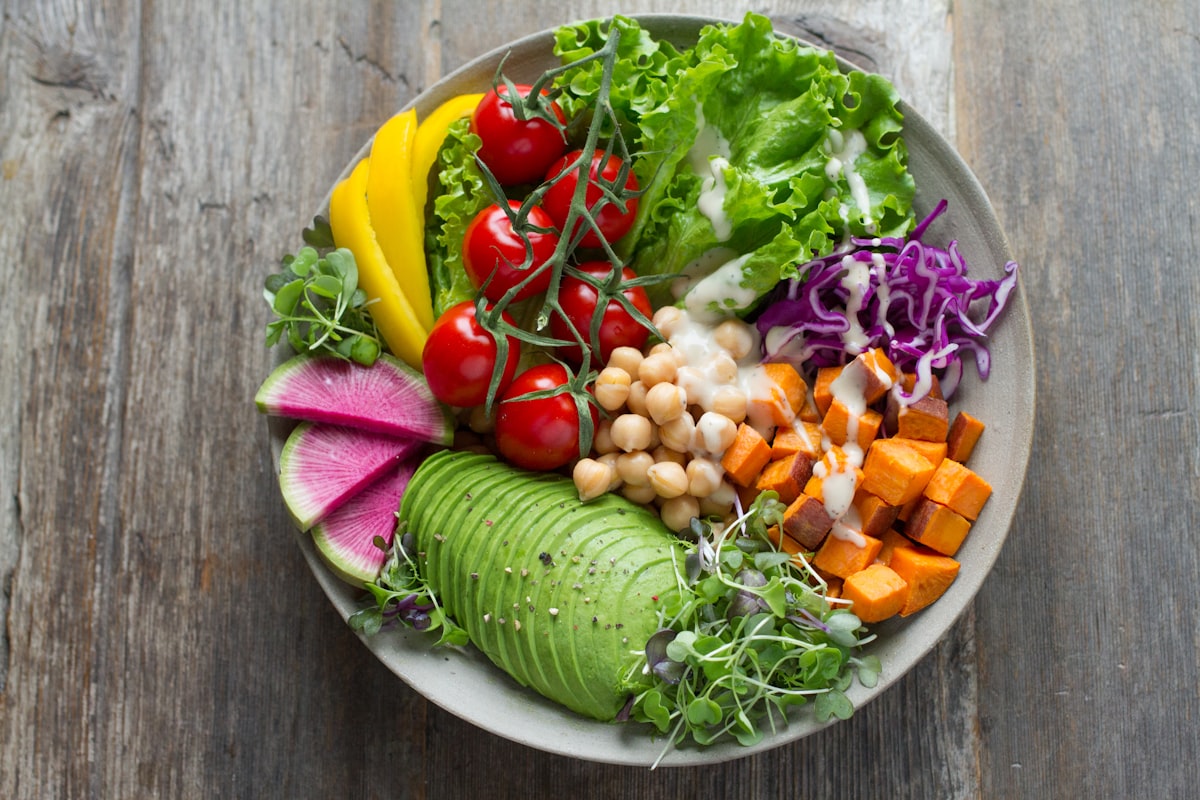
Quick Recipe Snapshot
Prep time:
Cook time:
Total time:
Servings: 2–3 bowls
Difficulty: Easy–Moderate
Diet: Vegetarian, easily dairy-free/vegan
Ingredients & Equipment
For the Grain Base
- 1 cup (190 g) cooked whole grains (e.g., oats, barley, quinoa, or brown rice)
- 1 ½ cups (360 ml) water or low-sodium vegetable broth
- 1 small yellow onion, finely chopped (prebiotic)
- 1 clove garlic, minced (prebiotic)
- 1 tbsp extra-virgin olive oil or avocado oil
- Salt and freshly ground black pepper, to taste
For the Veggie & Kimchi Topping
- 1 cup chopped kimchi (use mild if you’re heat-sensitive)
- 1 cup thinly sliced carrots or bell peppers
- 1 cup chopped leafy greens (e.g., kale, spinach, or bok choy)
- ½ cup cooked beans or lentils (e.g., chickpeas or black beans)
- 1 tbsp miso paste (white or yellow, for a gentler flavor)
- 1 tsp toasted sesame oil (optional, for aroma)
- 2 tbsp toasted seeds (pumpkin, sunflower, or sesame) for crunch
For the Kefir-Lime Dressing
- ¼ cup (60 ml) plain kefir or drinkable yogurt (or unsweetened plant yogurt)
- 1 tbsp fresh lime or lemon juice
- 1 tsp honey or maple syrup (optional, to taste)
- 1 tsp finely grated fresh ginger
- 1 tbsp finely chopped fresh herbs (cilantro, parsley, or chives)
- Pinch of salt
Equipment
- Medium saucepan with lid
- Large skillet or sauté pan
- Cutting board and sharp knife
- Small bowl and whisk (or jar with lid) for dressing
- Measuring cups and spoons
Step-by-Step Instructions
- Cook the grains.
In a medium saucepan, warm 1 tbsp oil over medium heat. Add the chopped onion and a pinch of salt. Sauté 3–5 minutes until translucent and fragrant, then add the garlic and cook 30–60 seconds more.
Stir in your chosen grains and toast for 1 minute, then add water or broth. Bring to a boil, reduce to a gentle simmer, cover, and cook until tender (timing will depend on the grain—follow package directions). Fluff with a fork and keep warm.
- Sauté the vegetables.
While the grains cook, heat a large skillet over medium heat. Add a light drizzle of oil if needed. Toss in the carrots or bell peppers with a pinch of salt and cook 3–4 minutes until just tender but still crisp.
Add the leafy greens and beans or lentils. Sauté another 2–3 minutes until the greens are wilted and everything is heated through.
- Mix in the miso (off the heat).
Turn off the heat. In a small bowl, stir the miso with 1–2 tbsp of warm water from the pan or kettle to loosen it. Pour this mixture over the warm vegetables and beans, tossing gently so it coats everything without boiling (excessive heat can damage some of miso’s beneficial compounds).
- Prepare the kefir-lime dressing.
In a small bowl or jar, whisk together kefir, lime juice, honey or maple (if using), grated ginger, herbs, and a pinch of salt. Taste and adjust acidity or sweetness to your liking. The dressing should be tangy, lightly creamy, and pourable.
- Warm (but don’t cook) the kimchi.
For the best texture and to preserve live cultures, keep your kimchi cool or at room temperature. If you prefer it warm, you can briefly warm it in the pan after turning off the heat, but avoid simmering.
- Assemble the bowls.
Divide the warm grains between 2–3 bowls. Top with the miso-coated vegetables and beans. Add generous spoonfuls of kimchi on one side of each bowl.
Drizzle with kefir-lime dressing and finish with toasted seeds and a few extra fresh herbs if you like.
- Taste and personalize.
Take a bite and adjust: add more kimchi for extra tang and heat, an extra squeeze of lime for brightness, or a short drizzle of sesame oil for deeper aroma. Every batch can be a little different—let your senses guide you.
Variations, Substitutions & Dietary Adaptations
- Vegan: Use unsweetened plant yogurt or a cashew-based yogurt instead of kefir. Sweeten lightly with maple syrup if desired.
- Gluten-free: Choose quinoa, brown rice, or certified gluten-free oats, and ensure your miso is gluten-free.
- Milder flavors: Use a small amount of mild kimchi or swap for sauerkraut; use white miso instead of darker varieties.
- Extra protein: Add marinated tofu, tempeh, grilled chicken, or a soft-boiled egg on top.
- Lower FODMAP (under guidance): Reduce or omit onion and garlic, use chives or the green tops of scallions, and choose lower-FODMAP grains and portions of legumes as tolerated.
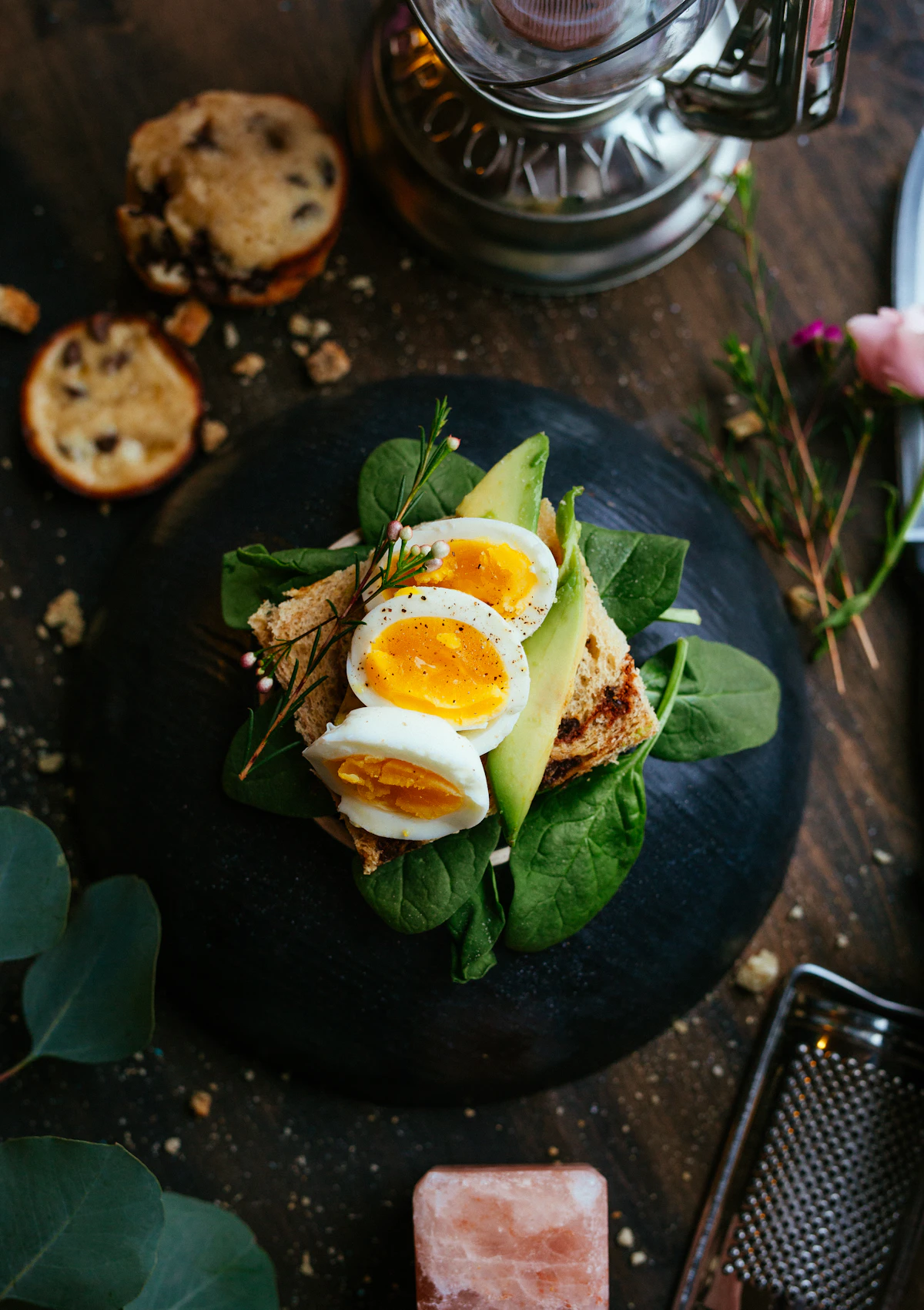
Storage & Reheating Tips
This gut-friendly grain bowl is excellent for meal prep, and storing elements separately keeps textures vibrant.
- Grains & veggies: Store together in an airtight container for up to 3–4 days in the refrigerator.
- Kimchi: Keep in its own jar or container in the fridge; it continues to ferment slowly over time and can become more sour.
- Dressing: Store in a sealed jar for up to 3 days. Shake well before using.
To reheat, warm the grains and veggies gently in a pan or microwave until hot, then top with cool kimchi and dressing just before serving to preserve crunch and live cultures where possible.
Serving Suggestions & Complementary Gut-Healthy Dishes
To turn this grain bowl into a full “Microbiome Diet” kind of day, pair it with simple, fiber-rich sides and snacks:
- Breakfast: Overnight oats with ground flaxseeds, sliced banana, and a spoonful of yogurt or kefir.
- Snack: A small glass of kombucha or kefir with a handful of mixed nuts and berries.
- Side dish: A small plate of mixed fermented veggies—sauerkraut, pickles, or kimchi—to share at the table.
- Evening wind-down: Herbal tea (like peppermint or ginger) and a piece of fruit for a gentle fiber boost.
Over time, these small, enjoyable changes can add up—supporting not only your gut health, but also your energy, digestion, and overall relationship with food. Let your plate be colorful, flavorful, and kind to your microbiome.
