
Gut Health 2.0: Everyday Fermented Recipes to Feed Your Microbiome
Gut Health 2.0 Meets the Home Kitchen
Gut health has surged into the mainstream, and the newest wave is wonderfully food‑focused: think jars of crunchy kimchi, tangy kefir, slow‑cooked beans, and colorful grain bowls piled high with plants. Instead of just popping a probiotic pill, more home cooks are weaving fermented foods and prebiotic fibers into everyday, joyful meals.
Below you'll find a deeply satisfying, microbiome‑friendly kimchi and tempeh grain bowl that layers warm, nutty grains with juicy vegetables, crispy tempeh, and a punchy kimchi dressing. It’s cozy enough for a weeknight dinner, but bright and exciting enough to post on social media.

Recipe Overview: Kimchi & Tempeh Microbiome Grain Bowl
This bowl layers chewy whole grains with crisp‑tender vegetables, pan‑seared tempeh, and a silky kimchi yogurt sauce. Every bite hits notes of heat, tang, nuttiness, and sweetness—while quietly supporting your gut with both probiotics (from kimchi and yogurt) and prebiotics (from oats, onions, garlic, and veggies).
Prep time: 20 minutes
Cook time: 25 minutes
Total time: ~45 minutes
Servings: 4 bowls
Difficulty: Easy–Moderate
Diet: Vegetarian • Easily made vegan
Visual Guide
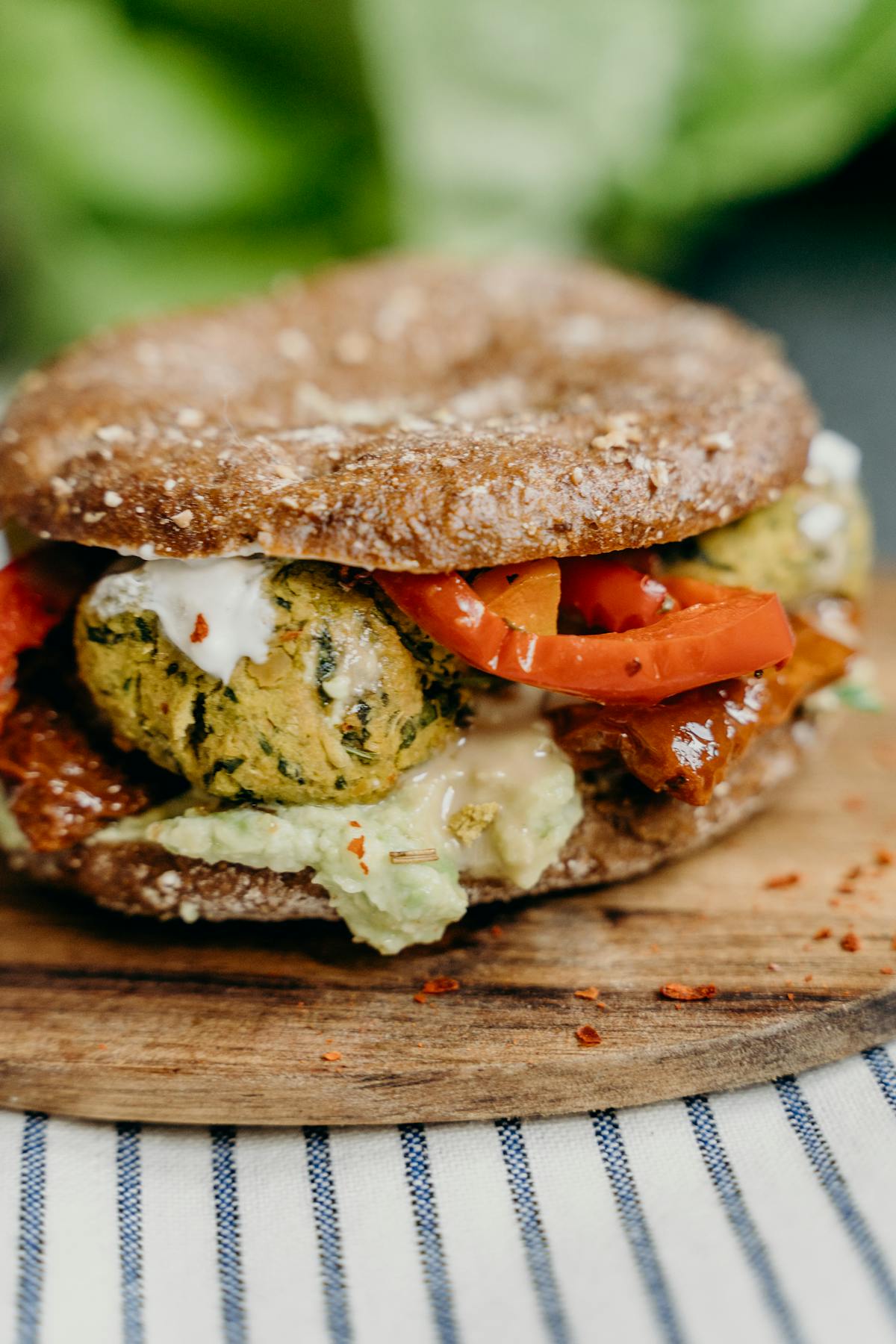
Here’s how the process looks, from prepping the grains to serving your gut‑healthy bowl.





Ingredients
This recipe is designed to be flexible. Use what you have, and focus on variety: the more plant foods you include, the more you feed a diverse microbiome.
For the Grain Base
- 1 cup (190 g) brown rice, quinoa, millet, or a mixed whole‑grain blend
- 2 1/4 cups (530 ml) water or low‑sodium vegetable broth
- 1/4 teaspoon fine sea salt (optional)
- 2 tablespoons rolled oats (stirred in after cooking for extra prebiotic fiber)
For the Tempeh & Veggies
- 8 oz (225 g) tempeh, cut into 1 cm slices or cubes
- 2 tablespoons tamari or low‑sodium soy sauce
- 1 tablespoon rice vinegar or apple cider vinegar
- 1 teaspoon maple syrup or honey
- 2 tablespoons extra‑virgin olive oil or avocado oil, divided
- 1 small red onion, thinly sliced
- 2 cloves garlic, minced
- 1 medium carrot, cut into matchsticks or thin rounds
- 1 cup (about 70 g) shredded cabbage or sliced bok choy
- 1 cup (about 100 g) broccoli florets or green beans
- 1/2 cup (90 g) cooked beans or lentils (optional, for extra fiber and protein)
For the Kimchi Yogurt Dressing
- 1/2 cup (120 g) finely chopped kimchi, plus extra for topping
- 1/2 cup (120 g) plain yogurt (dairy or unsweetened soy/coconut)
- 1 tablespoon kimchi brine (the liquid from the jar)
- 1 tablespoon tahini or nut butter (such as almond or peanut)
- 1–2 teaspoons toasted sesame oil
- 1–2 teaspoons fresh lemon juice or rice vinegar
- 1 teaspoon grated fresh ginger (optional, but lovely for aroma)
To Serve & Garnish
- 1 ripe avocado, sliced (optional healthy fats)
- 2 green onions, thinly sliced
- 2 tablespoons toasted sesame seeds or chopped nuts
- Fresh cilantro or parsley leaves
- Lime or lemon wedges, for squeezing over
Equipment You’ll Need
- Medium saucepan with lid (for cooking grains)
- Large non‑stick or cast‑iron skillet
- Mixing bowls (small and medium)
- Sharp chef’s knife and cutting board
- Measuring cups and spoons
- Whisk or fork (for the dressing)
Step‑by‑Step Instructions
1. Cook the Whole Grains
Rinse the grains under cold water until the water runs mostly clear. This helps remove excess starch and keeps the texture pleasantly chewy rather than sticky.
In a medium saucepan, combine the grains, water or broth, and salt (if using). Bring to a gentle boil over medium‑high heat.
Reduce heat to low, cover, and simmer until the grains are tender and liquid is absorbed (about 20–25 minutes for brown rice; 15 minutes for quinoa—check your package directions).
Turn off the heat. Stir in the rolled oats, cover again, and let steam for 5 minutes. Fluff with a fork; the oats melt into the grains, adding a creamy texture and extra prebiotic fiber.
2. Marinate the Tempeh
While the grains cook, in a medium bowl whisk together tamari, rice vinegar, maple syrup, and 1 tablespoon olive oil.
Add the tempeh slices, turning to coat them well. Let them marinate for at least 10–15 minutes at room temperature. Tempeh will absorb the savory‑sweet marinade, softening its nutty flavor.
3. Prep & Sauté the Vegetables
Prepare all vegetables: slice the red onion, mince the garlic, cut the carrot into matchsticks, shred the cabbage, and chop broccoli into small florets.
Heat the remaining 1 tablespoon oil in a large skillet over medium heat. Add the onion and carrot, and sauté for 3–4 minutes, until they just begin to soften and smell sweet.
Add the garlic and cook for 30 seconds, stirring, until fragrant but not browned.
Add cabbage and broccoli (and cooked beans or lentils if using). Season with a small pinch of salt. Sauté 3–5 minutes more, until vegetables are bright, crisp‑tender, and still a bit crunchy. Transfer to a bowl and keep warm.
4. Sear the Tempeh
Return the skillet to medium‑high heat. If it looks dry, add a teaspoon of oil.
Arrange the marinated tempeh slices in a single layer in the hot pan (reserve any leftover marinade). Cook 3–4 minutes per side, until deeply golden and slightly caramelized at the edges.
In the last minute of cooking, drizzle in any remaining marinade and let it bubble and coat the tempeh. You want a shiny glaze and a toasty aroma.
5. Stir Together the Kimchi Yogurt Dressing
In a small bowl, combine chopped kimchi, yogurt, kimchi brine, tahini, sesame oil, lemon juice or vinegar, and grated ginger (if using).
Whisk until smooth and creamy. Taste and adjust: add more kimchi for heat and funk, lemon for brightness, or a splash of water if you prefer a thinner drizzle.
The dressing should be tangy, lightly spicy, and rich—like a probiotic‑packed, savory ranch with a Korean twist.
6. Assemble Your Microbiome‑Friendly Bowls
Divide the warm grains among 4 bowls, creating a cozy, steamy base.
Arrange sautéed vegetables and beans over the grains in little “piles” so each component is visible and inviting.
Top with seared tempeh slices, a generous spoonful of extra kimchi, avocado slices, green onion, and a sprinkle of sesame seeds and herbs.
Drizzle the kimchi yogurt dressing over everything, finishing with a squeeze of lime or lemon for a bright, fresh lift.
Why This Bowl Is “Gut Health 2.0” Friendly
Modern microbiome research is still evolving, but several patterns show up again and again in large studies and reviews. This bowl reflects those evidence‑informed ideas in a practical, delicious way.
- Fermented foods (kimchi, yogurt): Bring live cultures and bioactive compounds that may support digestion, immune function, and even mood. Regularly including small amounts may gently nudge your microbial community in a beneficial direction.
- Prebiotic fibers (onion, garlic, oats, beans, veggies): These fibers resist digestion in the upper gut and become food for beneficial bacteria in the colon, encouraging the production of short‑chain fatty acids like butyrate.
- Plant diversity: Between grains, legumes, cabbage, carrots, onions, avocado, kimchi vegetables, herbs, and seeds, this single dish can easily contribute 8–12 different plant foods to your weekly “30 plants” goal.
- Gentle on digestion (for many people): It leans on whole foods, healthy fats, and gradual fiber. If you’re sensitive, you can scale the fiber up over time or adapt to a lower‑FODMAP variant.
Focus on patterns, not perfection: a mostly whole‑food, plant‑forward, sleep‑friendly, and stress‑aware lifestyle does more for gut health than any single “superfood.”
Variations & Make‑It‑Your‑Own Ideas
Think of this as a template for microbiome‑friendly bowls. Swapping ingredients keeps things exciting and adds even more plant diversity week after week.
Storage & Reheating
This kimchi tempeh grain bowl is excellent for meal prep, especially if you store components separately for best texture and probiotic preservation.
- Cooked grains: Store in an airtight container in the fridge for up to 4 days. Reheat in a covered bowl with a splash of water in the microwave, or steam on the stovetop until warmed through.
- Sautéed vegetables: Refrigerate up to 3 days. Reheat gently in a skillet with a teaspoon of oil, or microwave briefly to keep them from over‑softening.
- Tempeh: Keeps in the fridge for 3–4 days. Re‑crisp in a hot skillet for 2–3 minutes per side; this restores the toasty edges.
- Kimchi yogurt dressing: Store covered in the fridge for up to 3 days. Whisk before using. For maximum live cultures, avoid heating the dressing; drizzle it over after reheating the bowl.
- Fully assembled bowls: If you must assemble ahead, keep the dressing and avocado separate until just before serving to avoid sogginess and browning.
Serving Suggestions & Menu Ideas
Turn this microbiome‑friendly grain bowl into the centerpiece of a simple, satisfying gut‑supportive menu.
- Starter: A small bowl of miso soup with seaweed and green onions or a crisp salad with mixed leafy greens, nuts, and a light vinaigrette.
- Side: Lightly pickled cucumbers or radishes for extra crunch and fermented flavor.
- Drink: Unsweetened green tea, ginger tea, or a small glass of lightly sweetened kombucha (if tolerated).
- Dessert: A bowl of mixed berries with plain yogurt and a sprinkle of seeds or chopped nuts.
Remember, gut health isn’t about perfection—it’s about patterns. If a bowl like this appears on your table a couple of times a week, alongside good sleep, movement, and stress care, you’re already participating in the “gut health 2.0” trend in a grounded, delicious way.
Recipe Structured Data
The following embedded structured data helps search engines understand this microbiome‑friendly recipe:
