
Gut Health 2.0: A Delicious Microbiome-First Guide with Fermented Foods & Prebiotic-Rich Recipes
Gut Health 2.0: Fermented Foods, Prebiotic Fibers, and a Microbiome‑First Grain Bowl
Gut Health 2.0 is all about moving beyond probiotic pills toward a microbiome‑first way of eating that celebrates fermented foods, prebiotic fibers, and colorful plant diversity. Instead of asking “How many calories are in this?”, more of us are wondering, “How will this meal feed my gut ecosystem?”—and that single question is quietly transforming how we cook, shop, and eat.
In this recipe‑driven guide, we’ll weave together the trend’s biggest themes—fermented super‑foods, prebiotic fibers, polyphenol‑rich ingredients, and the playful “30 plants per week” challenge—into one vibrant, customizable Gut‑Friendly Fermented Grain Bowl that’s perfect for weeknight dinners or meal prep. Think warm, nutty grains, crisp vegetables, tangy kimchi, creamy yogurt‑tahini sauce, and a satisfying crunch of seeds—all working together to nourish your microbiome.

What Is “Gut Health 2.0” and Why Does It Matter?
Gut health has exploded from a niche wellness topic into mainstream food culture. We’ve moved past vague “take a probiotic” advice and into a richer conversation about whole‑food strategies—fermented foods, prebiotic fibers, and daily habits that build a more diverse, resilient microbiome.
Across social media, you’ll see:
- Short videos on easy at‑home ferments like cabbage sauerkraut, carrot sticks, or crunchy pickles.
- Morning routines featuring small “gut shots” of kombucha or diluted apple cider vinegar.
- Modern spins on traditional foods—miso in salad dressings, tempeh in tacos, or kimchi in grilled cheese.
At the same time, creators highlight prebiotic fibers (food for your good gut bacteria) from onions, garlic, beans, oats, and bananas, and emphasize polyphenol‑rich ingredients like berries, cocoa, and extra‑virgin olive oil—very much in line with Mediterranean‑style eating.
Instead of chasing quick fixes, Gut Health 2.0 invites us to build a long‑term friendship with our microbiome—meal by meal.
The 30 Plants Per Week Challenge, Made Delicious
One of the most viral microbiome ideas is aiming for roughly 30 different plant foods per week. This includes fruits, vegetables, whole grains, legumes, nuts, seeds, herbs, and spices. It’s less about perfection and more about variety.
Our gut‑friendly grain bowl is a perfect way to rack up plant “points.” In a single serving, you might hit:
- 2–3 different whole grains (e.g., quinoa + brown rice).
- 4–6 vegetables (e.g., cabbage, carrots, leafy greens, cucumber, radish, scallions).
- Legumes (chickpeas or lentils).
- 2–3 herbs/spices (garlic, ginger, chili, cilantro).
- Nuts and seeds for crunch (pumpkin seeds, sesame, almonds).
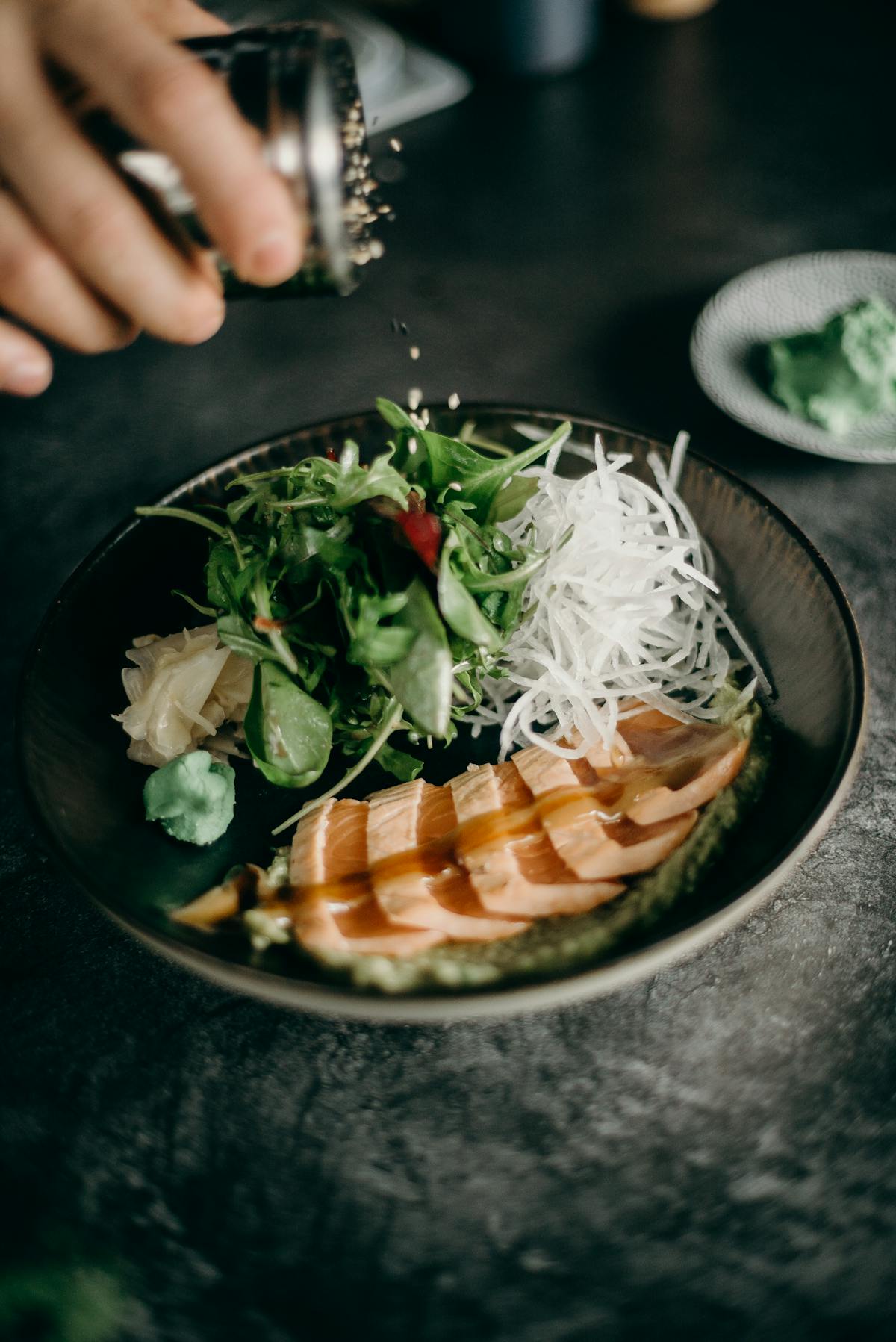
Gut‑Friendly Fermented Grain Bowl Recipe
This Gut‑Friendly Fermented Grain Bowl layers warm, nutty grains with crisp prebiotic vegetables, tangy kimchi or sauerkraut, creamy yogurt‑tahini sauce, and crunchy seeds. Every bite balances sour, sweet, salty, and umami with a rainbow of textures—from chewy grains to cool, juicy cucumbers.
20–25 minutes
15–20 minutes
40–45 minutes
4 bowls
Easy – great for weeknights

Equipment You’ll Need
- Medium saucepan with lid (for grains)
- Baking tray or sheet pan (for roasted veggies, optional)
- Cutting board and sharp knife
- Mixing bowl (for sauce and tossing vegetables)
- Small jar or container with lid (for shaking sauce)
- Measuring cups and spoons
- 4 serving bowls (wide, shallow bowls work best)

Ingredients: Fermented Foods & Prebiotic All‑Stars
Amounts below make about 4 generous bowls. Feel free to mix and match plant foods you have on hand—your gut loves variety.
For the Grain Base
- 1 cup (190 g) uncooked quinoa, rinsed — or other whole grain (brown rice, buckwheat, barley*)
- 2 cups (480 ml) water or low‑sodium vegetable broth
- 1/2 tsp fine sea salt
*Use gluten‑free grains (quinoa, brown rice, buckwheat, millet) if you need the bowl to be gluten‑free.
For the Veggies & Legumes
- 1 cup cooked chickpeas or lentils, drained and rinsed
- 1 cup finely shredded red or green cabbage
- 1 large carrot, cut into matchsticks or grated
- 1 small cucumber, sliced or diced
- 1 cup loosely packed leafy greens (baby spinach, kale, arugula, or mixed salad greens)
- 2 scallions (green onions), thinly sliced
- 1 small red bell pepper, thinly sliced (optional but great for color and vitamin C)
Fermented Toppings (Microbiome Super‑Stars)
- 1 to 1 1/2 cups kimchi or sauerkraut (unpasteurized, from the refrigerator section if possible)
- 1/2 cup plain yogurt or kefir (dairy or plant‑based with live cultures)
Yogurt‑Tahini Gut‑Loving Sauce
- 1/2 cup plain yogurt (Greek‑style for extra creaminess, or thick coconut/soy yogurt for vegan)
- 3 tbsp tahini (sesame seed paste)
- 1 tbsp extra‑virgin olive oil
- 1 tbsp lemon juice or rice vinegar
- 1 small garlic clove, finely grated or crushed (omit for low‑FODMAP)
- 1–2 tsp grated fresh ginger (optional but lovely)
- 1–2 tsp honey or maple syrup, to taste
- 2–4 tbsp water, to thin to a pourable consistency
- Sea salt and black pepper, to taste
Crunchy & Colorful Finishing Touches
- 1/4 cup toasted seeds (pumpkin, sunflower, sesame, or a mix)
- 2 tbsp chopped nuts (almonds, walnuts, cashews) – optional
- Fresh herbs such as cilantro, parsley, or mint
- Crushed nori (seaweed) or furikake seasoning (optional, for umami)
- Chili flakes or sliced fresh chili, to taste (optional)
Step‑by‑Step: How to Build Your Gut‑Friendly Fermented Grain Bowl
- Cook the grains.
Rinse the quinoa under cold running water. In a medium saucepan, combine the quinoa, water or broth, and salt. Bring to a boil, then reduce the heat to low, cover, and simmer for 15 minutes, or until the grains are tender and the liquid is absorbed. Turn off the heat and let sit, covered, for 5 minutes, then fluff with a fork. - Prep the vegetables and legumes.
While the grains cook, chop and slice all vegetables. Rinse and drain the chickpeas or lentils. Arrange the vegetables and legumes on a tray or in separate small bowls so they’re easy to grab when assembling. - Make the yogurt‑tahini sauce.
In a mixing bowl or jar, combine yogurt, tahini, olive oil, lemon juice, garlic, ginger, and honey/maple syrup. Whisk or shake until smooth. Add water 1 tablespoon at a time until the sauce is thick but pourable. Season with salt and pepper to taste. It should taste gently tangy, nutty, and just a little sweet. - Warm or season the legumes (optional but nice).
For extra flavor, you can toss the chickpeas or lentils with a drizzle of olive oil, a pinch of salt, and spices (like cumin, smoked paprika, or chili flakes). If you prefer them warm, heat gently in a skillet for a few minutes. - Prepare the fermented toppings.
If using kimchi, roughly chop any large pieces so they’re bite‑sized. For sauerkraut, drain off excess brine so the bowl doesn’t become watery, but don’t rinse—those live cultures are precious. Keep yogurts chilled until ready to assemble. - Toast the seeds and nuts.
In a dry skillet over medium heat, toast the seeds and nuts for 2–4 minutes, stirring frequently, until fragrant and lightly golden. This step makes them extra crunchy and aromatic. - Assemble the bowls.
Divide the warm grains between 4 bowls. Arrange piles of chickpeas, cabbage, carrot, cucumber, bell pepper, and leafy greens on top, leaving space for the fermented toppings. Add generous spoonfuls of kimchi or sauerkraut to each bowl. - Add creamy and crunchy toppings.
Drizzle the yogurt‑tahini sauce over each bowl. Add a spoonful of plain yogurt or kefir on top if you like. Sprinkle with scallions, herbs, toasted seeds and nuts, and nori or chili flakes if using. - Taste and adjust.
Take a small bite with a bit of everything. If it needs more brightness, squeeze on extra lemon. If you want more funk, add extra kimchi. A drizzle of olive oil or a pinch of salt can round the flavors. - Serve and enjoy mindfully.
Serve immediately while the grains are still slightly warm and the toppings are cool and crisp. Pay attention to each flavor and texture—this mindful moment can be as nourishing as the bowl itself.
Why This Bowl Loves Your Microbiome
This bowl is designed around the principles of Gut Health 2.0: real food, variety, and gentle support for digestion.
- Fermented foods: Kimchi, sauerkraut, yogurt, and kefir can provide live microbes that may support digestion and immune function.
- Prebiotic fibers: Whole grains, legumes, cabbage, onions, and garlic provide fermentable fibers that feed beneficial gut bacteria.
- Polyphenols: Extra‑virgin olive oil, herbs, spices, and colorful vegetables offer plant compounds that may support microbial diversity.
- Balanced macros: Complex carbs, plant proteins, and healthy fats help keep you satisfied, which can gently support appetite regulation.
Early research links a more diverse, fiber‑rich, fermented‑food‑inclusive diet with potential benefits for digestion, mood, metabolic health, and even skin—but it’s important to remember that science is still evolving, and individual responses vary.
Ingredient Swaps, Dietary Adaptations & Variations
Make It Vegan
- Use plant‑based yogurt or kefir (soy, coconut, almond) with live cultures.
- Check that your kimchi is fish‑free (some contain fish sauce or shrimp paste); otherwise use sauerkraut.
- Swap honey for maple syrup in the sauce.
Make It Gluten‑Free
- Choose gluten‑free grains: quinoa, brown rice, buckwheat, or millet.
- Check labels on ferments and sauces for hidden gluten (e.g., some soy sauces).
Gentler Options for Sensitive Guts (Including Some IBS)
- Start with small portions of ferments (1–2 tbsp) and increase slowly as tolerated.
- Swap onions/garlic for the green parts of scallions or chives, and use garlic‑infused oil instead of whole garlic.
- Choose lower‑FODMAP vegetables like carrots, cucumber, and spinach; go easier on cabbage if it usually bothers you.
- If legumes are tricky, try canned lentils or chickpeas, rinsed very well, and use a smaller amount.
Flavor Variations
- Miso‑Sesame Bowl: Stir 1 tsp white or yellow miso into the sauce and add steamed edamame and roasted sweet potato.
- Mediterranean Microbiome Bowl: Use olives, cherry tomatoes, cucumber, and herbs like oregano and basil. Top with a sprinkle of feta (or vegan feta).
- Tempeh Power Bowl: Pan‑sear marinated tempeh slices for extra protein and fermented goodness.

Storage, Meal Prep & Reheating Tips
This fermented grain bowl is a meal‑prep dream, with one important rule: keep the hot and cold components separate until just before serving to protect textures and live cultures.
- Cooked grains: Store in an airtight container in the fridge for up to 4 days. Reheat gently in a pan or microwave with a splash of water to loosen.
- Chopped veggies: Most will keep well for 3–4 days in airtight containers. Leafy greens are best washed and dried just before serving, or stored in a container with a paper towel to absorb moisture.
- Legumes: Store cooked chickpeas or lentils for up to 4 days in the fridge. If they dry out, toss with a little olive oil before serving.
- Ferments (kimchi/sauerkraut): Keep in their original jars in the fridge. They can last weeks to months; always use a clean utensil to avoid contamination.
- Yogurt‑tahini sauce: Keeps well in the fridge for 3–4 days. It will thicken as it chills; loosen with a splash of water or lemon juice and whisk before using.
To serve from meal prep, warm the grains and legumes if desired, then top with cold veggies, ferments, and sauce. This keeps the live cultures happy and the textures vibrant.
Serving Ideas & Gut‑Friendly Pairings
This grain bowl can be the centerpiece of a microbiome‑first meal or part of a larger spread. Here are some pairing ideas:
- Refreshing sides: A simple green salad with olive oil and lemon, or sliced oranges with a sprinkle of cinnamon for extra polyphenols.
- Gut‑friendly drinks: Unsweetened green tea, lightly sweetened kombucha, water infused with cucumber and mint, or a small glass of kefir.
- Cozy extras: A small cup of miso soup (using fermented miso paste added off the boil to protect its cultures).
For a balanced microbiome‑friendly day, you might enjoy this bowl for lunch, start the morning with overnight oats (another prebiotic‑rich favorite), and snack on a handful of nuts and berries.

Bringing Gut Health 2.0 Into Your Everyday Cooking
Gut Health 2.0 isn’t about perfection, strict rules, or expensive supplements. It’s about small, joyful habits—adding a spoonful of kimchi to your lunch, tossing chickpeas into your salad, choosing whole grains a little more often, and playing the “how many plants can I fit into this meal?” game.
This fermented grain bowl is a delicious way to start a microbiome‑first routine. Once you’ve made it once, try your own combinations: switch the grain, play with different ferments, or raid your spice drawer. Every tweak adds new flavors and plant diversity—and your gut microbes will thank you.
Most of all, be gentle with yourself. Your microbiome is a living ecosystem; it thrives on consistency, variety, and enjoyment more than on rigid rules. Let this recipe be one tasty step on a long, delicious journey with your gut.
