Golden Retriever’s Hilarious Love–Hate Showdown With Neighborhood Christmas Carolers
Murphy the Golden Retriever’s confused reaction to a group of enthusiastic neighborhood Christmas carolers turned an ordinary evening into a hilarious holiday memory, complete with barking, tail-wagging, and plenty of second-hand joy for everyone watching online. This article breaks down why dogs like Murphy react so dramatically to carolers, what their body language really means, and how you can help your own pup stay calm, comfortable, and included during the noisy, exciting holiday season.

If you’ve ever watched your dog go from curious to overstimulated in seconds—especially around holiday chaos—you’re not alone. Murphy’s now-viral moment captures what many pet parents experience: a dog who can’t quite decide whether this noisy spectacle is the best thing ever… or a little too much.
Murphy vs. the Christmas Carolers: What Actually Happened?
In the PetHelpful–featured clip, Murphy the Golden Retriever is inside, looking out as a group of energetic Christmas carolers gather outside his home. They’re singing at full volume—lots of movement, clapping, and cheerful noise. To a human, it’s festive. To a Golden Retriever with a big personality and sensitive senses, it’s a tidal wave of stimulation.
Murphy reacts the way many dogs do when faced with something loud and unexpected:
- Barking at the door or window
- Running back and forth, unsure whether to join in or sound the alarm
- Wagging tail, but with an alert posture
- Shifting quickly between excitement and uncertainty
“From Murphy’s body language, you can see classic signs of arousal—not necessarily fear, but a ‘What on earth is happening and what should I do about it?’ moment.”
Viewers joked that Murphy was “overstimulated,” “loving the drama,” and “not sure if they’re intruders or his new favorite band.” Underneath the humor, though, is a familiar story: dogs experiencing sensory overload during the holidays.
Why Dogs Get Overstimulated by Christmas Carolers
Dogs experience the world through sound, scent, and movement far more intensely than we do. A group of strangers singing loudly outside the house can trigger multiple instincts at once:
- Guarding the home. From your dog’s point of view, a cluster of strangers at the door is a potential threat—especially if they’re facing your house and making noise.
- Social curiosity. Many dogs, especially friendly breeds like Golden Retrievers, genuinely want to say hello and join in the fun.
- Noise sensitivity. Singing, clapping, and sudden bursts of laughter can feel overwhelming to a sound-sensitive dog.
- Broken routine. Holiday evenings often break the usual pattern of dinner, walk, and quiet time, which can add to your dog’s stress.

Does My Dog Love or Hate the Carolers? Reading the Signals
Murphy’s mixed signals—barking, pacing, but clearly fascinated—prompt a fair question: is this fear, fun, or both? The answer lies in body language.
Look for these common signs:
- More positive excitement: loose, wiggly body; tail wagging at mid-height; playful barks; ears relaxed; maybe offering toys or play bows.
- More stress or fear: stiff posture; tail tucked or very high and rigid; growling; lip licking; yawning out of context; ears pinned back; wide “whale eye.”
- Overarousal (excited but not coping well): nonstop barking, frantic pacing, jumping, difficulty responding to cues, panting even when it’s not hot.
“It’s common for dogs to experience ‘conflicted emotions’—drawn toward something interesting but unsure if it’s safe. Supporting them means recognizing that gray area, not just calling it ‘bad behavior’.”
For many Goldens like Murphy, carolers are both thrilling and confusing. They don’t necessarily hate what’s happening; they just don’t yet know how to handle it calmly.
How to Help Your Dog Cope With Christmas Carolers
You don’t have to avoid holiday fun to protect your dog’s wellbeing. With a little planning, you can make “caroler night” far easier on a sensitive pup.
1. Prepare Before the Doorstep Serenade
- Give your dog a good walk or play session earlier in the day to burn off excess energy.
- Feed them on time so they’re not hungry and edgy when the singing starts.
- Set up a “quiet zone” room with a comfy bed, water, and familiar toys.
2. Use Sound Management
When carolers arrive:
- Close windows and curtains to dampen both sound and visual triggers.
- Turn on low, steady background noise—soft music or a white-noise machine.
- Offer a long-lasting chew or food puzzle to give your dog something calming to focus on.
3. Create Positive Associations
If your dog isn’t too distressed, you can gently build a positive connection with the singing:
- As soon as the singing starts, calmly offer small, high-value treats.
- Speak softly: “You’re okay, buddy,” in a relaxed tone, not rushed or anxious.
- When the carolers leave and your dog settles, reward that calm moment too.
A Real-Life Example: From Chaos to “Caroler-Ready”
A behavior consultant interviewed for PetHelpful shared a case similar to Murphy’s: a 3-year-old Golden mix who lost his mind whenever holiday singers or groups gathered near the house. At first, he would bark, jump on the door, and ignore all cues.
Over a few weeks, his family:
- Played recordings of carolers at low volume while he enjoyed a stuffed Kong.
- Gradually increased the volume as he stayed relaxed.
- Rehearsed “go to your bed” and “stay” as a happy game, long before guests ever arrived.
By the time real carolers showed up, he still barked once or twice—but then trotted to his bed when asked, settled with his chew, and glanced at the door instead of hurling himself at it. Not perfect, but a huge improvement, and much safer for everyone.
Keeping Everyone Safe: Dog, Carolers, and Guests
While Murphy watched from inside, some dogs are allowed to greet carolers at the door or even outside. That can be charming—but it does come with risks if your dog is nervous, jumpy, or overly excited.
- Use a leash or baby gate if your dog tends to bolt through open doors.
- Ask carolers not to reach toward your dog unless you say it’s okay.
- If your dog growls or backs away, give them space and avoid forcing an interaction.
- Consider putting your dog in a calm room with enrichment if you know a large group is coming.
From Overwhelmed to Holiday-Ready: A Simple Before/After Snapshot
Think of your own dog’s journey in simple terms, rather than expecting a perfect “after” overnight.
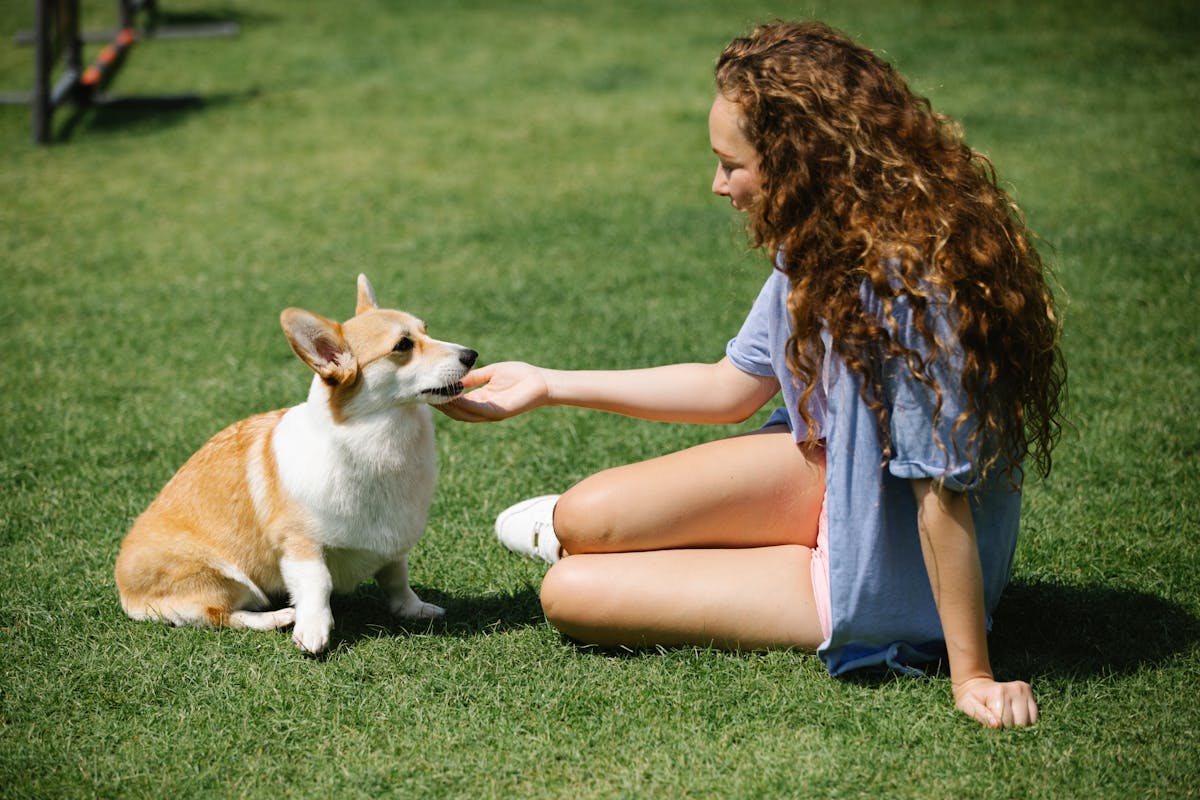
- Before: Dog explodes into barking, claws at the door, ignores you, can’t take treats.
- Progress: Dog still barks, but can respond to “bed,” accept treats, and settle faster afterward.
- Further progress: Dog looks toward the door, maybe gives a few alert barks, but chooses a chew or bed without panicking.
All of these stages are wins. You’re not aiming for a robotically calm dog, just one who can cope without feeling overwhelmed.
What Research Says About Noise, Stress, and Dogs
While there are few studies specific to Christmas carolers, animal behavior research does shed light on why events like Murphy’s “dinner and a show” moment can be stressful for some dogs.
- Studies published in journals such as Applied Animal Behaviour Science have found that sudden, unpredictable noises can elevate stress hormones and heart rate in dogs.
- Research into noise sensitivities in dogs (American Veterinary Medical Association) highlights fireworks, thunder, and loud crowds as common triggers.
- Environmental enrichment and predictable routines are associated with lower stress in companion animals, according to multiple welfare studies.
Carolers may be joyful, but to a sensitive dog, they have a lot in common with those studied stressors: unfamiliar people, unpredictable sound patterns, and a change in normal household rhythms.
Turning Murphy’s Moment Into a Holiday Win for Your Dog
Watching Murphy try to decide whether to love or hate those Christmas carolers is funny—and very humanizing. Our dogs are doing their best to navigate a world that suddenly gets louder, brighter, and busier in December.
You don’t have to eliminate every bark or bubble-wrap your home. Instead, focus on:
- Planning ahead for noisy events and visitors.
- Creating a safe, quiet space your dog can choose at any time.
- Pairing holiday sounds with treats, play, and calm routines where possible.
- Asking for professional help if your dog’s stress seems intense or unmanageable.
This holiday season, notice your dog’s version of Murphy’s “I’m thrilled but also overwhelmed” expression—and take it as an invitation to support them a little more thoughtfully. A calmer dog means a cozier, more enjoyable celebration for everyone.
Next time carolers show up on your street, ask yourself: what small tweak—an early walk, a stuffed Kong, a quiet room—could help your dog feel just a bit more at ease?